Why self-custody matters more than ever

12 years ago, when Trezor invented the world’s first hardware wallet, the crypto industry looked very different.
Some things have changed. Some haven’t…
Last month, Binance announced changes for users in Europe as new regulatory rules came into effect. Alongside the update, Binance is recommending affected users transfer their crypto to a “self-hosted wallet under your control”... or another exchange.
No hate on Binance, this is simply how regulation works.
But it’s a good reminder that when your crypto lives on an exchange, it’s not completely under your control.
And there have been plenty of reminders over the years, from the Mt. Gox collapse to more than a dozen major crypto exchanges that have failed since.
This is why Trezor exists. Today, taking control of your crypto is more relevant than ever.
A new battle for control is taking place. This time, it's not about whether crypto will succeed. It's about who actually owns it.
Who really owns your crypto?
Since 2025, the headlines have been louder than ever…
- “ETFs…”
- “Digital Asset Treasury (DAT)…”
- “Bitcoin treasury company…”
Crypto is becoming “cool” for big institutions.
Every day, someone tries to convince you that owning an ETF or DAT is the same as owning crypto. It’s not the same.
As crypto evolves and big institutions get involved, it's worth revisiting what makes self-custody special and how Trezor has evolved alongside it.
Bitcoin and the cypherpunk mission
During BTC Prague 2026, our Chief Commercial Officer, Danny Sanders, was asked: “What is the most exciting thing in Bitcoin right now?”
His reply:
“I think exploring how we can use Bitcoin more as money.”
He then highlighted the work Ark is doing as a layer 2 protocol to enable extremely low-cost bitcoin transactions.
The point is that it’s easy to get distracted and lose focus on the entire point Bitcoin exists… to be unconfiscatable money.
Trezor's vision, as the inventor of the world’s first hardware wallet, is still to make uncompromising self-custody accessible to everyone.
That means:
• Staying 100% open-source (code and design)
• Continuing to innovate with devices like the Trezor Safe 7 and backup standards like SLIP39
• Helping users explore the crypto ecosystem without giving up ownership
We cannot lose track of why self-custody matters.
This is why we think it’s so important to carefully balance security, usability, and privacy in hardware wallets.
As crypto becomes more mainstream, it’s going to be more common to find a variety of products that claim to put self-custody first, but actually prioritize usability.
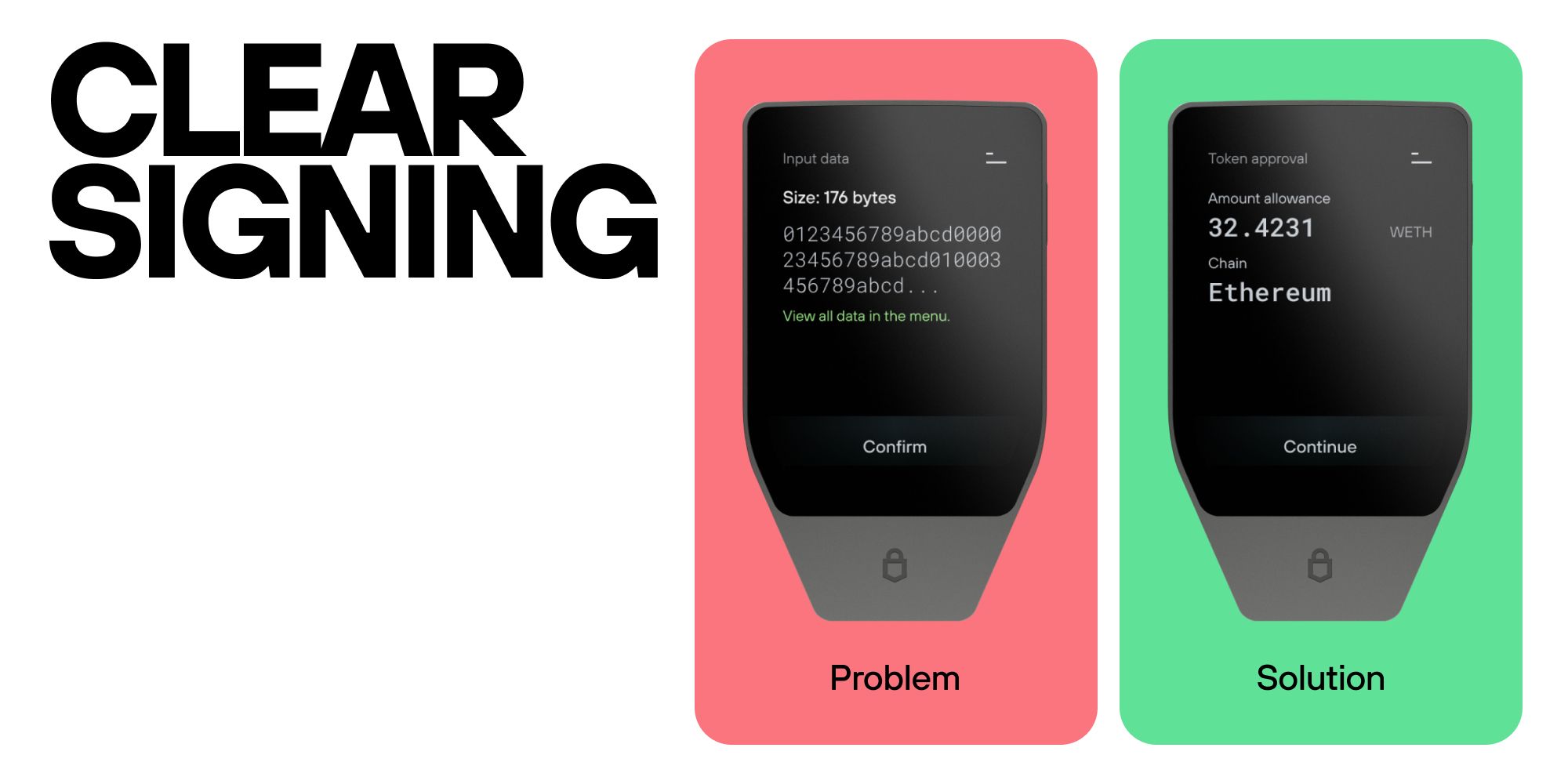
A good example is removing the screen from a hardware wallet. If you can't verify what you're signing on the device itself, is it really a hardware wallet anymore?
Read more below:
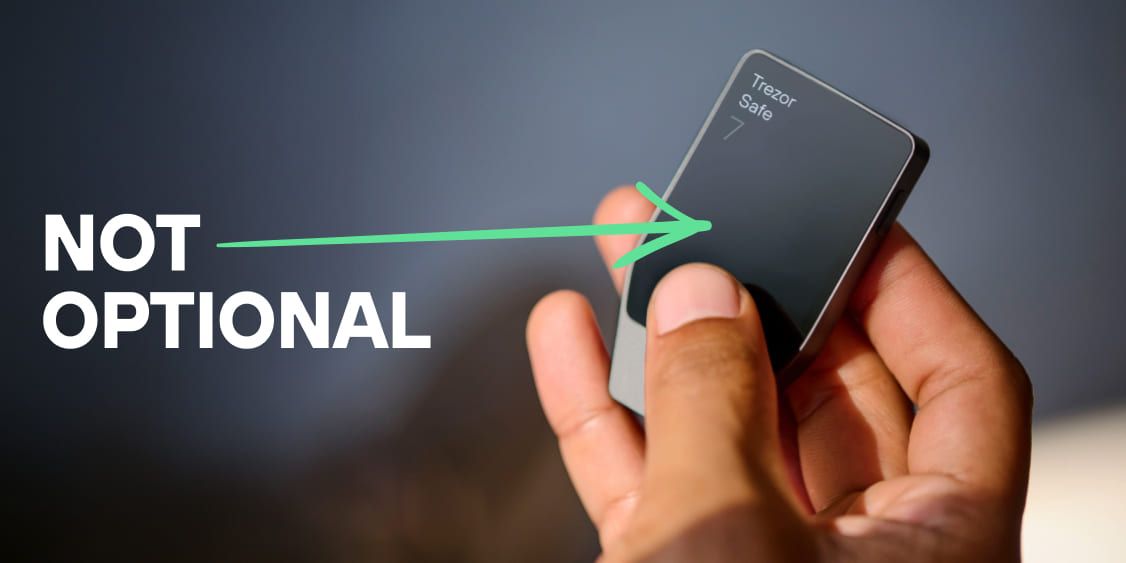
On the flip side, many users have locked themselves out of their funds by maxing out the security pillar. It’s a balance that users and companies in crypto need to always be wary of.
Staying true to Bitcoin's principles while continuing to innovate isn't easy. But we think it's worth it.
Fortunately, self-custody has evolved just as quickly as crypto itself...
Self-custody doesn't mean missing out
Many people still think a Trezor hardware wallet is only for long-term cold storage. Something you’ll take out of its hiding place every six months.
The reality? You no longer have to choose between self-custody and exploring everything crypto has to offer. Let's separate the biggest misconceptions from what Trezor can actually do today.
Self-custody myths vs. reality
❌ MYTH
Trezor hardware wallets are only for long-term, cold storage.
✅ REALITY
You can absolutely buy a Trezor, lock it away and only use it twice a year. But that's no longer the only way to use it. You can also buy, sell, swap and manage your portfolio directly in Trezor Suite, within a secure environment.
❌ MYTH
You need an exchange to earn yield.
✅ REALITY
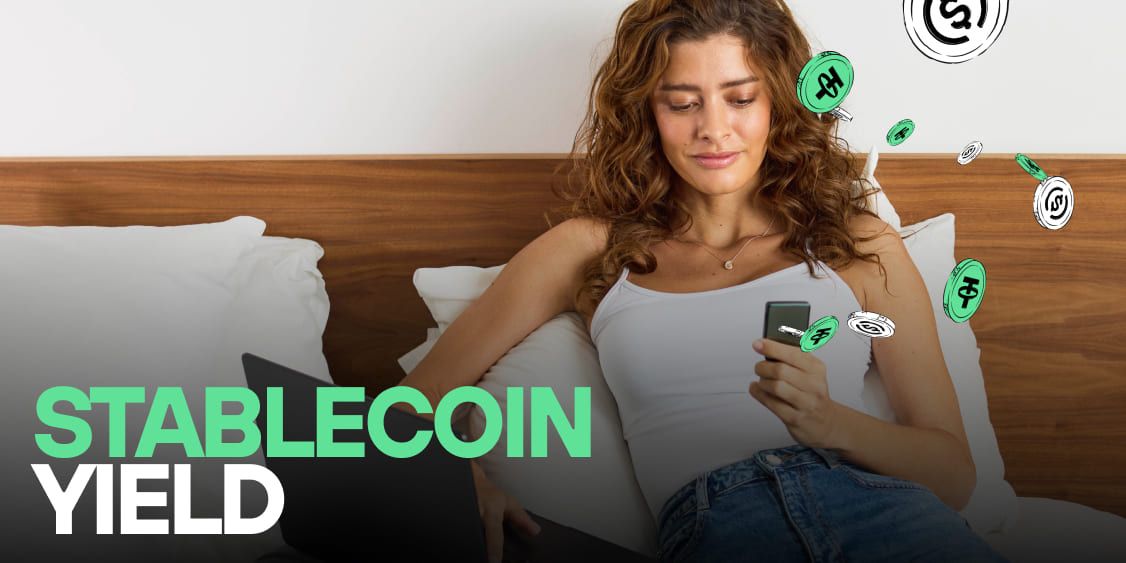
Earn yield on USDC and USDT directly in Trezor Suite, without moving your assets to an exchange or giving up self-custody.
❌ MYTH
You can't use DeFi with a hardware wallet.
✅ REALITY
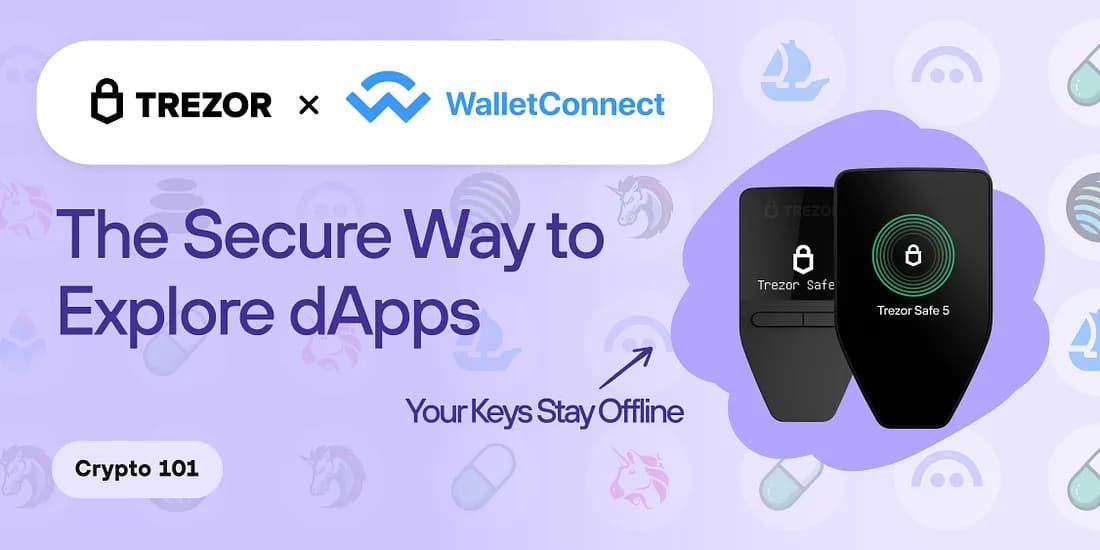
Connect to thousands of dApps with our WalletConnect integration, including Uniswap, Aave, OpenSea and more. Your private keys stay offline.
❌ MYTH
You can't stake from a Trezor.
✅ REALITY
Stake ETH, SOL, TRX and ADA directly from Trezor Suite while keeping full control of your assets.
❌ MYTH
Hardware wallets aren't built for mobile.
✅ REALITY
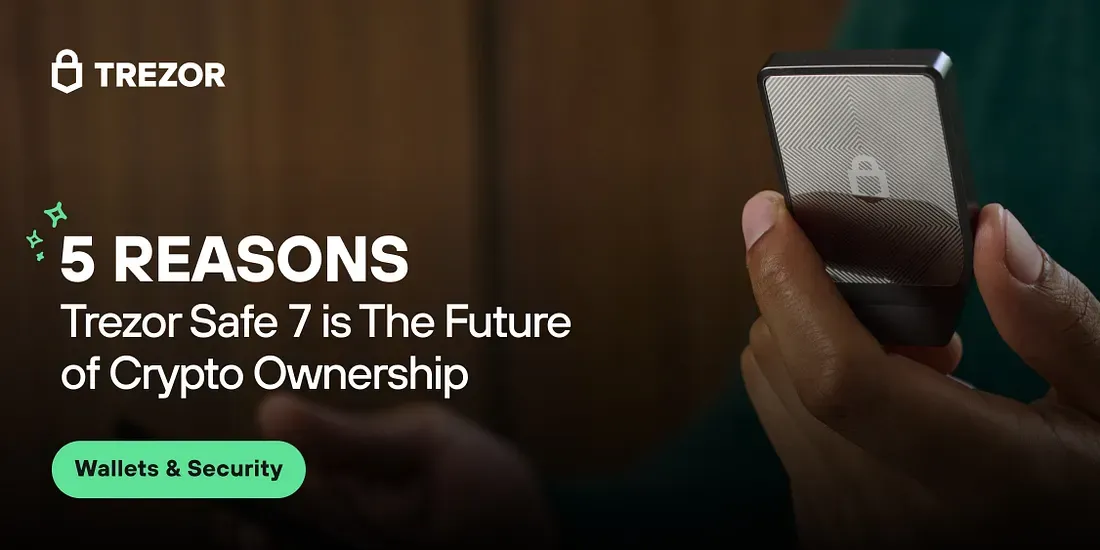
Trezor Safe 7 was built for a mobile-first world. Pair it with your iPhone or Android device (Bluetooth is optional), securely sign transactions, and manage your portfolio on the go.
The evolution of Trezor
For years, crypto users believed they had to choose between security and convenience.
Many of these trade-offs no longer exist, and it’s only getting better.
Today's Trezor ecosystem lets you buy, swap, stake, earn yield and explore decentralized applications while keeping your private keys offline.
That's what modern self-custody looks like.
Celebrate Self-Custody Week
If you've been thinking about upgrading your setup or moving your crypto into self-custody, our Self-Custody Week Sale is the perfect time to do it.
Save up to 20% on hardware wallets and backups for a limited time.
One last thing...
If you haven't watched Bert's Trezor review yet, he makes some... interesting points.