Safe & secure Victoria VR wallet
Take control of your Victoria VR assets with complete confidence in the Trezor ecosystem.
- Secured by your hardware wallet
- Use with compatible hot wallets
- Trusted by over 2 million customers
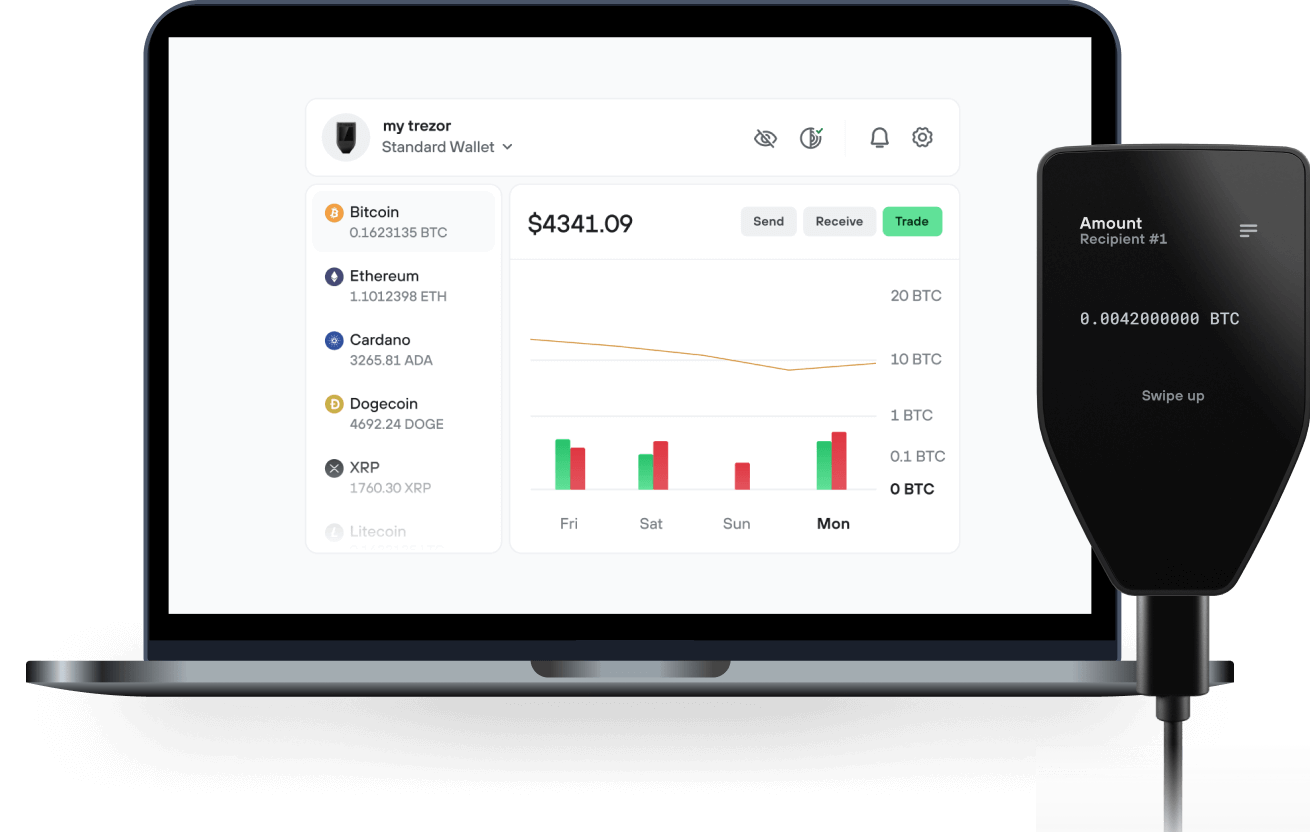
Send & receive your Victoria VR with the Trezor Suite app

Send & receive

Swap
Trezor hardware wallets that support Victoria VR
Sync your Trezor with wallet apps
Manage your Victoria VR with your Trezor hardware wallet synced with several wallet apps.
Trezor Suite
MetaMask
Rabby
Supported Victoria VR Network
Why a hardware wallet?

Go offline with Trezor
- You own 100% of your coins
- Your wallet is 100% safe offline
- Your data is 100% anonymous
- Your coins aren’t tied to any company
Online exchanges
- If an exchange fails, you lose your coins
- Exchanges are targets for hackers
- Your personal data may be exposed
- You don’t truly own your coins
How to VR on Trezor
Connect your Trezor
Install Trezor Suite app
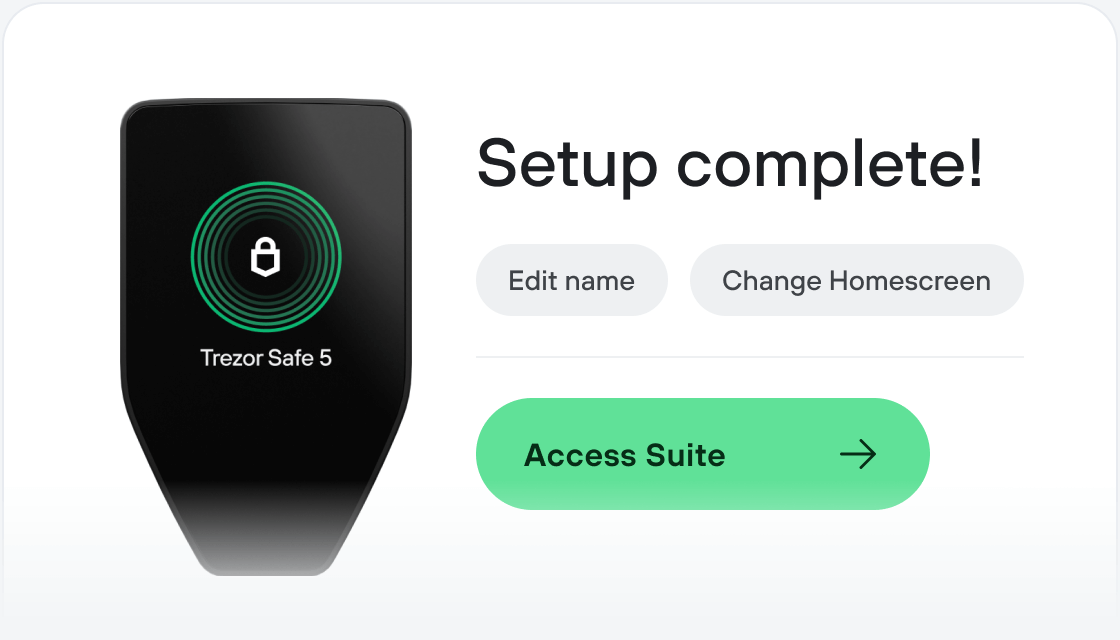
Transfer your VR
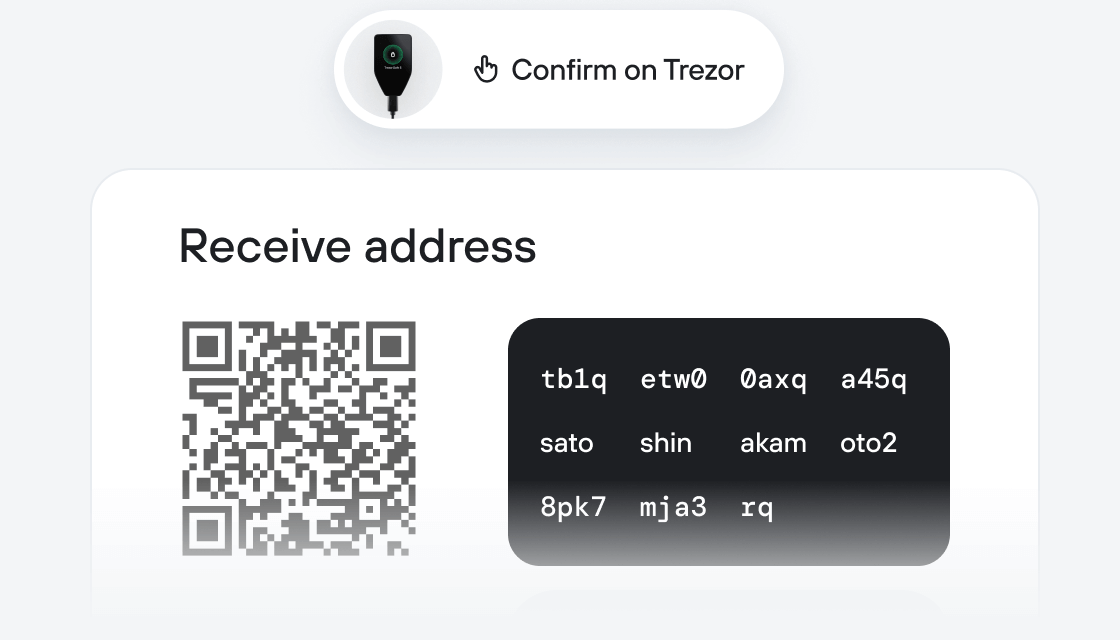
Make the most of your VR
Trezor keeps your VR secure
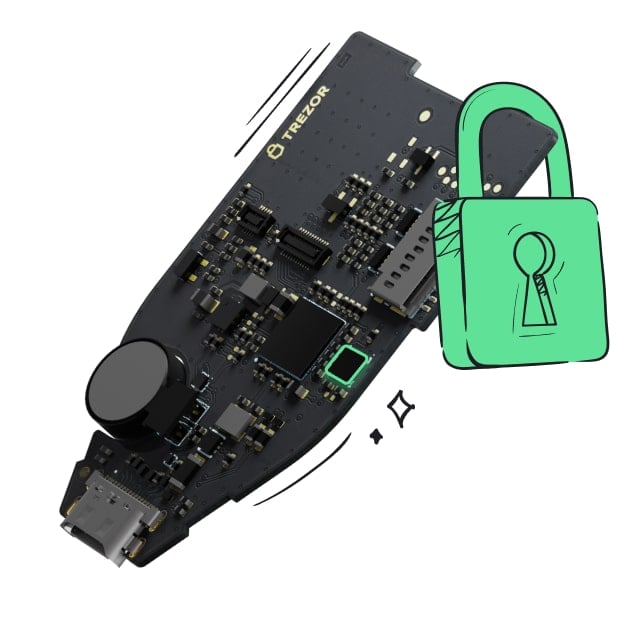 Protected by Secure Element
The best defense against both online and offline threats
 Your tokens, your control
Absolute control of every transaction with on-device confirmation
 Security starts with open-source
Transparent wallet design makes your Trezor better and safer
 Clear & simple wallet backup
Recover access to your digital assets with a new backup standard
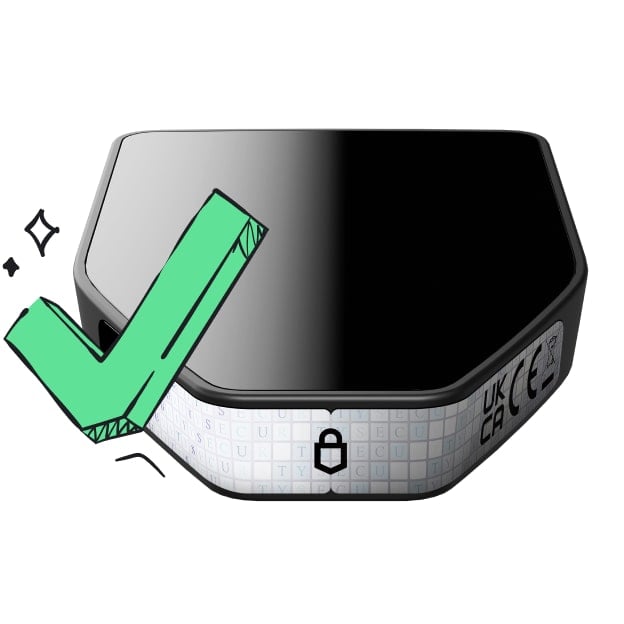 Confidence from day one
Packaging & device security seals protect your Trezor’s integrity
Victoria VR: Open-Source AI Platform for the 3D Internet Victoria VR is an open-source AI platform that transforms natural language prompts into 3D content and next-generation applications. It provides a full-stack environment for creating, publishing, and operating immersive spatial experiences across desktop, VR, and mobile — forming a foundation layer of Operating Reality and the Immersive Internet.
Key Sectors and Applications • AI Platform & Infrastructure: Prompt-to-3D platform with hybrid cloud + decentralized contributors • Generative AI: Spatial models convert text to assets, worlds, and logic. • AI Robotics & Agentic AI: Autonomous, tool-using agents with planning and memory that execute multi-step tasks • AI-Powered Avatars: Voice-ready, self-sufficient NPCs/assistants across devices as fully rigged 3D characters with true spatial movement (navigation, gestures, lip-sync). • Spatial Computing: Production runtime for physics, networking, identity, deployment, and analytics across VR, mobile, and desktop. • Enterprise Applications: No-code twins, configurators, virtual stores and showrooms. • Education & Training: No-code modules for simulations, learning, and workforce training. • Gaming: Games and experiences building, AI avatars and cross-platform publishing. • AI Infrastructure: Orchestration of multi-model AI for text, image, and 3D data. • Generative AI: Prompt-based creation of environments, assets, and logic. • AI Robotics & Agentic AI: Autonomous avatars functioning as digital employees. • Spatial Computing: Cross-platform tools enabling real-time interactive applications. • Education & Training: No-code modules for simulations, learning, and workforce training. • Enterprise Applications: Collaboration, data visualization, and AI copilots for operations. • AI-Powered Avatars: Deployable assistants in retail, healthcare, and digital services.
Core Components of the Platform • VR AI Builder – zero-code creation engine (prompt-to-assets/logic/worlds). Users can build maps, games, training modules, and enterprise automations. NFTs Land-gated publishing to VR/mobile/desktop; subscriptions + marketplace tie-ins. • AI Hub – scalable orchestration layer integrating multiple AI models (text, image, 3D). Powers prompt-to-world, prompt-to-texture, and prompt-to-3D object pipelines, and provides a no-code agent factory (persona, tools, memory, knowledge). • AI Avatars (agents) – autonomous “AI employees” with memory, personality, tool use, and multilingual conversation. Deployable across education, retail, healthcare, operations, and collaboration. • AI Verse — The networked runtime and economy layer for worlds and agents. Runs on a hybrid production cloud + decentralized participation, provides identity and access (profiles, land-gating), payments and participation rewards, telemetry/analytics, moderation/compliance, and asset/model/dataset catalogs with interoperability and SDKs/APIs for creators and enterprises. • Magic Madness – flagship PvP on-boarding game (Steam) used as a growth funnel (tournaments, esports, cosmetics) into the Builder/Agents/NFTs Land economy.
Target Audiences • Independent creators & studios – zero-code content creation. • Brands & retail – virtual storefronts, AI-powered customer service. • Education & training providers – simulations and AI tutors. • Enterprises – AI copilots, collaboration environments, and spatial data rooms. • General users – immersive applications with built-in onboarding experiences.
Why It Matters • Time-to-content collapses: Creation cycles shrink from weeks to hours. • Accessibility: Zero-code tools and cross-device access reduce entry barriers. • Economy with utility: $VR token underpins transactions, subscriptions, and rewards. • Sustainability: Utility-driven design replaces speculative models. • Market alignment: Positioned across AI infrastructure, spatial computing, and agentic AI—sectors forecasted to exceed $1 trillion in the next decade