Billetera Victoria VR segura y protegida
Toma el control de tus Victoria VR activos con total confianza en el ecosistema de Trezor.
- Protegido por tu billetera física
- Usa con billeteras digitales compatibles
- Con la confianza de más de 2 millones de clientes
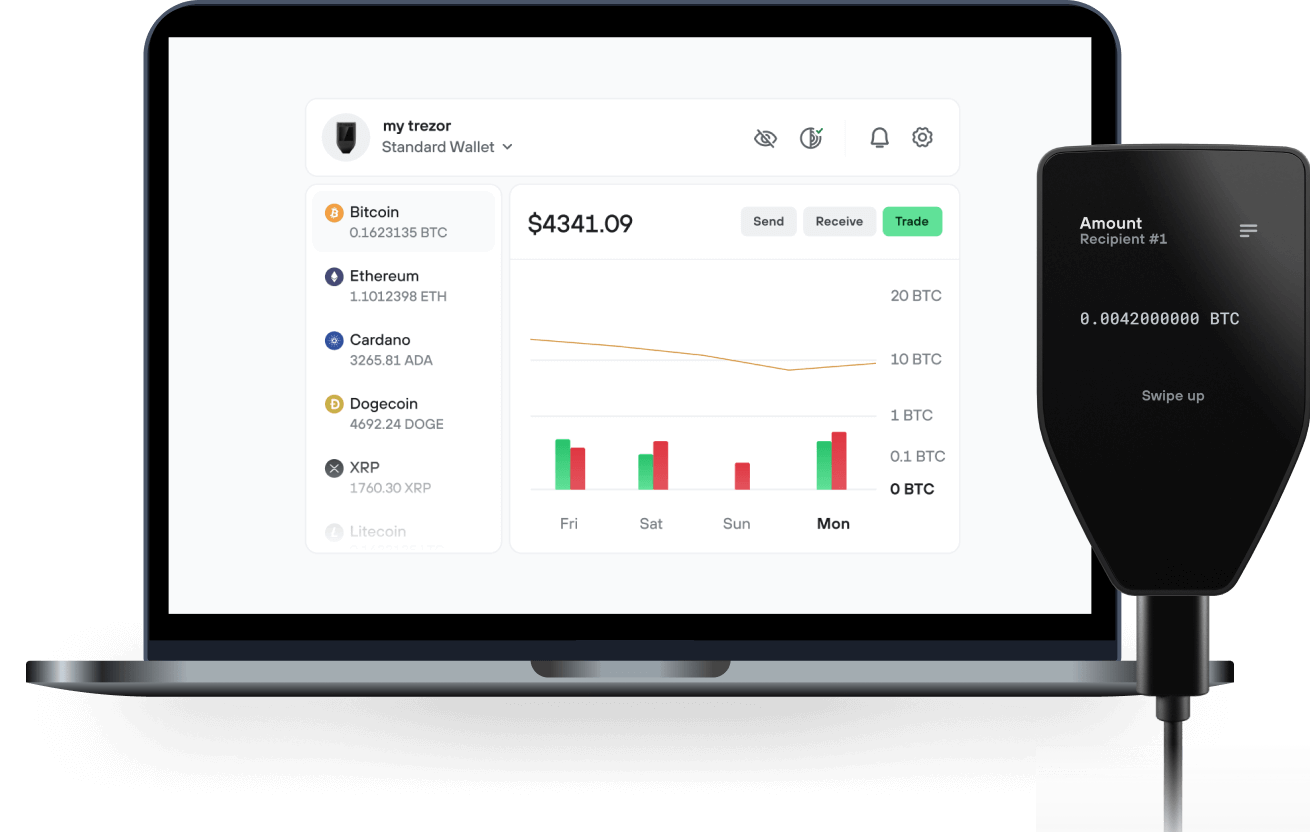
Envía y recibe tu Victoria VR con la app Trezor Suite

Enviar y recibir

Intercambiar
Billeteras físicas Trezor compatibles con Victoria VR
Sincroniza tu Trezor con apps de billeteras
Gestiona tus Victoria VR con tu billetera física Trezor sincronizada con apps de billeteras.
Trezor Suite
MetaMask
Rabby
Red Victoria VR Compatible
¿Por qué una billetera física?

Desconéctate con Trezor
- Tus monedas son 100% tuyas
- Tu billetera está 100% segura offline
- Tus datos son 100% anónimos
- Tus monedas no están atadas a una compañía
Exchanges en línea
- Si un exchange falla, pierdes tus monedas
- Los exchanges son blanco de los hackers
- Tu información personal puede ser expuesta
- Tus monedas no son realmente tuyas
¿Cómo usar VR en Trezor?
Conecta tu Trezor
Instala la app Trezor Suite
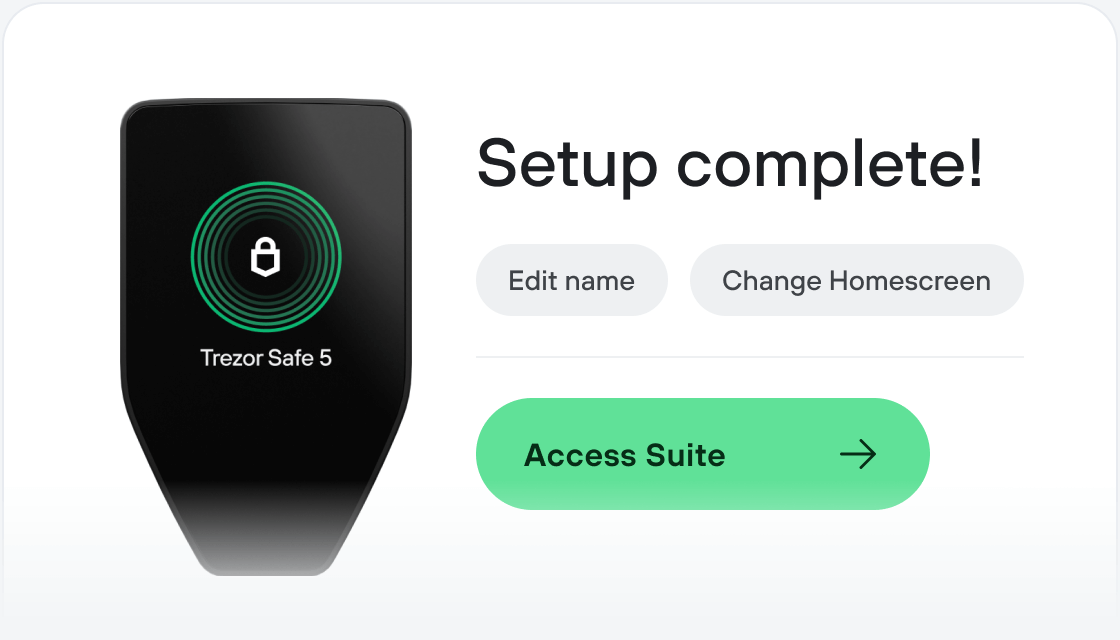
Transfiere tus VR
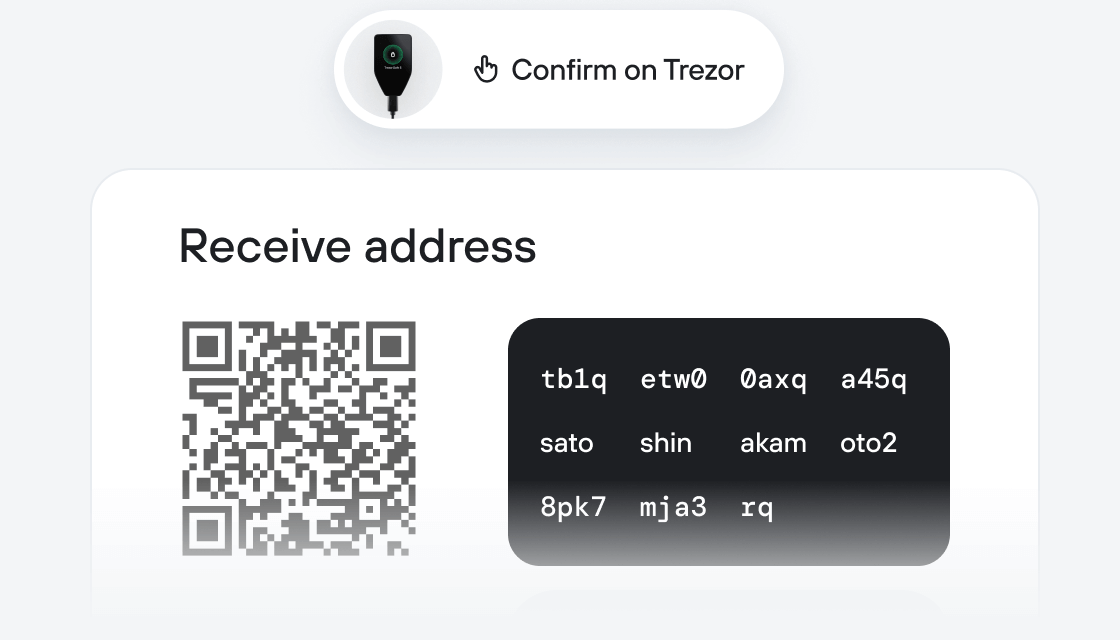
Aprovecha al máximo tus VR
Trezor mantiene tus VR seguros
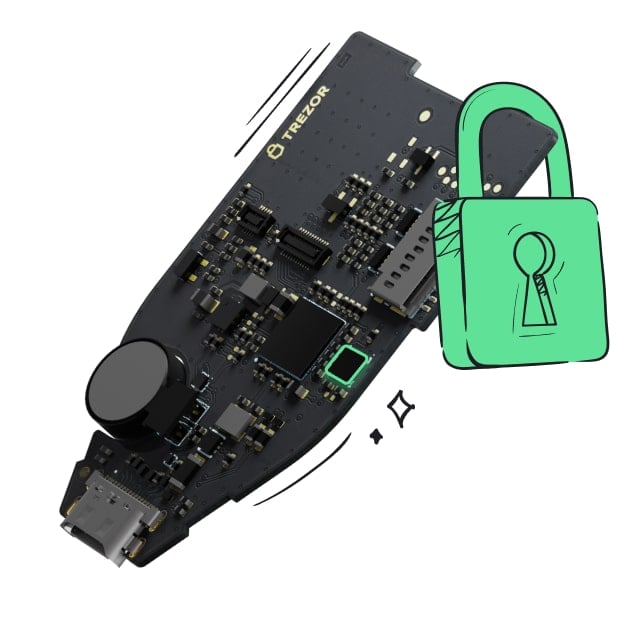 Protegido por Elemento Seguro
La mejor defensa contra amenazas tanto online como offline
 Tus tokens, bajo tu control
Control absoluto de cada transacción con confirmación directa en el dispositivo
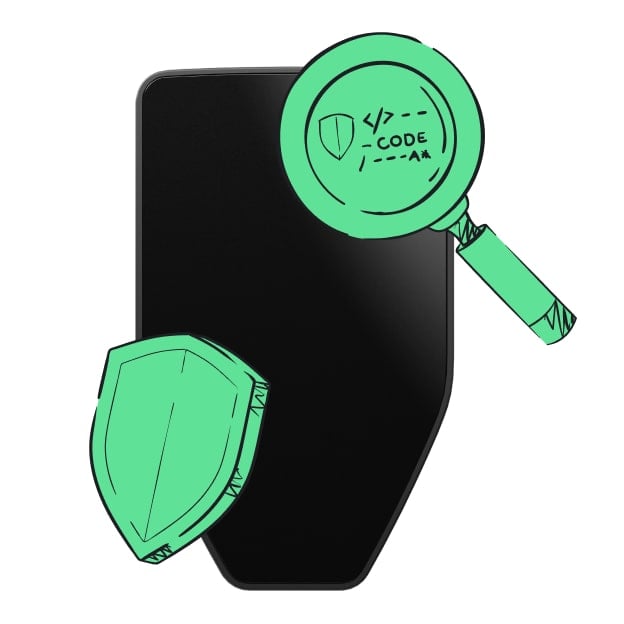 La seguridad empieza por código abierto
Un diseño de billetera de forma transparente hace que tu Trezor sea más seguro y confiable
 Copia de seguridad de billetera clara y sencilla
Recupera el acceso a tus activos digitales con nuevo estándar de copia de seguridad
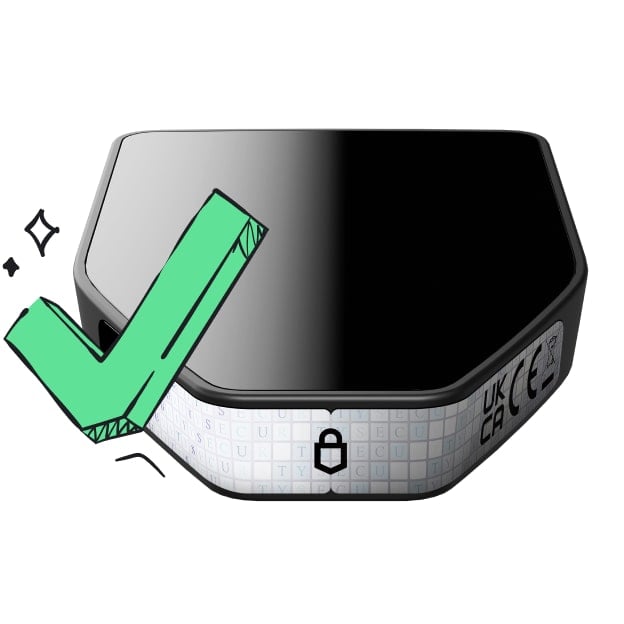 Confianza desde el primer día
El embalaje y los sellos de seguridad del dispositivo protegen la integridad de tu Trezor
Victoria VR: Open-Source AI Platform for the 3D Internet Victoria VR is an open-source AI platform that transforms natural language prompts into 3D content and next-generation applications. It provides a full-stack environment for creating, publishing, and operating immersive spatial experiences across desktop, VR, and mobile — forming a foundation layer of Operating Reality and the Immersive Internet.
Key Sectors and Applications • AI Platform & Infrastructure: Prompt-to-3D platform with hybrid cloud + decentralized contributors • Generative AI: Spatial models convert text to assets, worlds, and logic. • AI Robotics & Agentic AI: Autonomous, tool-using agents with planning and memory that execute multi-step tasks • AI-Powered Avatars: Voice-ready, self-sufficient NPCs/assistants across devices as fully rigged 3D characters with true spatial movement (navigation, gestures, lip-sync). • Spatial Computing: Production runtime for physics, networking, identity, deployment, and analytics across VR, mobile, and desktop. • Enterprise Applications: No-code twins, configurators, virtual stores and showrooms. • Education & Training: No-code modules for simulations, learning, and workforce training. • Gaming: Games and experiences building, AI avatars and cross-platform publishing. • AI Infrastructure: Orchestration of multi-model AI for text, image, and 3D data. • Generative AI: Prompt-based creation of environments, assets, and logic. • AI Robotics & Agentic AI: Autonomous avatars functioning as digital employees. • Spatial Computing: Cross-platform tools enabling real-time interactive applications. • Education & Training: No-code modules for simulations, learning, and workforce training. • Enterprise Applications: Collaboration, data visualization, and AI copilots for operations. • AI-Powered Avatars: Deployable assistants in retail, healthcare, and digital services.
Core Components of the Platform • VR AI Builder – zero-code creation engine (prompt-to-assets/logic/worlds). Users can build maps, games, training modules, and enterprise automations. NFTs Land-gated publishing to VR/mobile/desktop; subscriptions + marketplace tie-ins. • AI Hub – scalable orchestration layer integrating multiple AI models (text, image, 3D). Powers prompt-to-world, prompt-to-texture, and prompt-to-3D object pipelines, and provides a no-code agent factory (persona, tools, memory, knowledge). • AI Avatars (agents) – autonomous “AI employees” with memory, personality, tool use, and multilingual conversation. Deployable across education, retail, healthcare, operations, and collaboration. • AI Verse — The networked runtime and economy layer for worlds and agents. Runs on a hybrid production cloud + decentralized participation, provides identity and access (profiles, land-gating), payments and participation rewards, telemetry/analytics, moderation/compliance, and asset/model/dataset catalogs with interoperability and SDKs/APIs for creators and enterprises. • Magic Madness – flagship PvP on-boarding game (Steam) used as a growth funnel (tournaments, esports, cosmetics) into the Builder/Agents/NFTs Land economy.
Target Audiences • Independent creators & studios – zero-code content creation. • Brands & retail – virtual storefronts, AI-powered customer service. • Education & training providers – simulations and AI tutors. • Enterprises – AI copilots, collaboration environments, and spatial data rooms. • General users – immersive applications with built-in onboarding experiences.
Why It Matters • Time-to-content collapses: Creation cycles shrink from weeks to hours. • Accessibility: Zero-code tools and cross-device access reduce entry barriers. • Economy with utility: $VR token underpins transactions, subscriptions, and rewards. • Sustainability: Utility-driven design replaces speculative models. • Market alignment: Positioned across AI infrastructure, spatial computing, and agentic AI—sectors forecasted to exceed $1 trillion in the next decade