Portefeuille sûr et sécurisé Victoria VR
Prenez le contrôle de vos Victoria VR actifs en toute confiance dans l’écosystème Trezor.
- Sécurisé par votre portefeuille matériel
- Utiliser avec des hot wallets compatibles
- Adopté par plus de 2 millions de clients
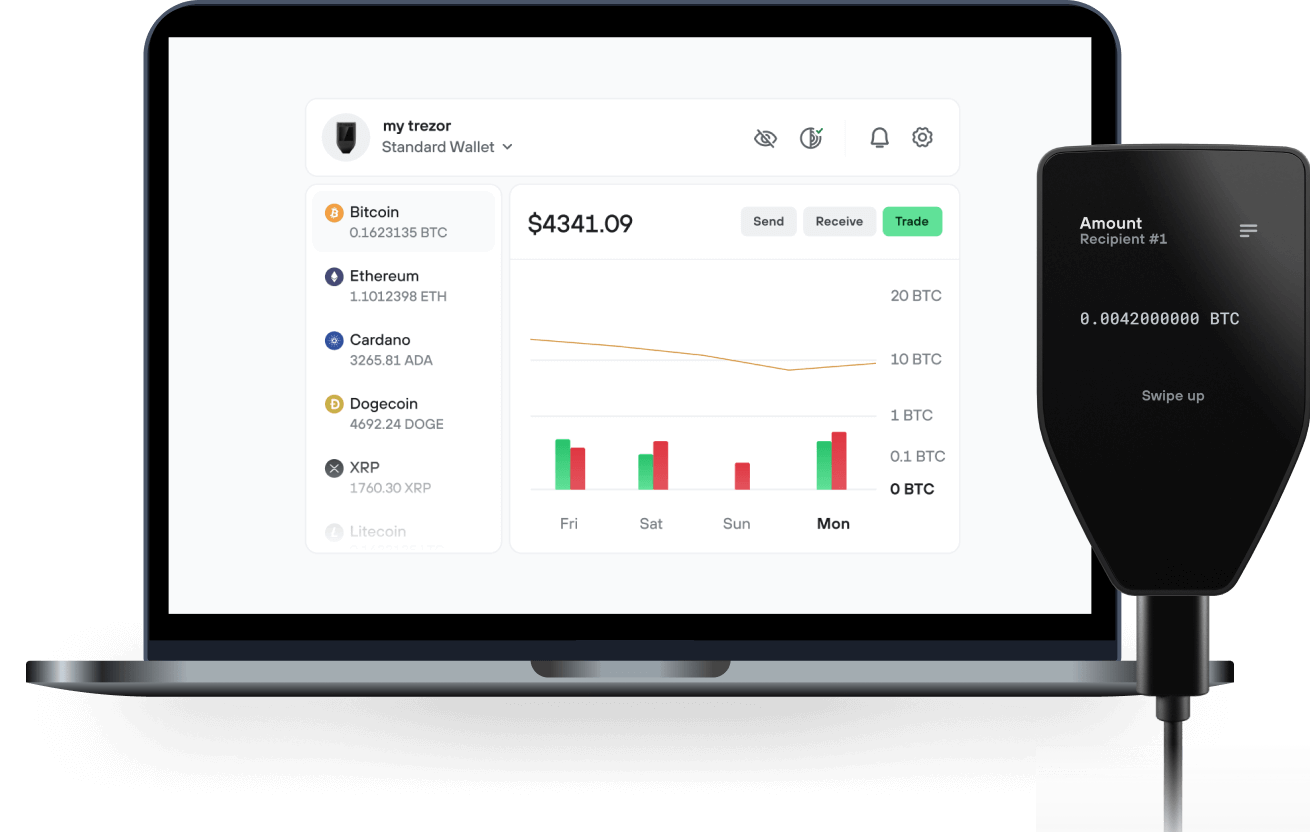
Envoyez et recevez vos Victoria VR avec l'application Trezor Suite

Envoyer et recevoir

Swap
Portefeuilles matériels Trezor qui supportent Victoria VR
Synchronisez votre Trezor avec des applications de portefeuille
Gérez vos Victoria VR avec votre portefeuille matériel Trezor synchronisé avec plusieurs applications de portefeuilles.
Trezor Suite
MetaMask
Rabby
Victoria VR Réseau supporté
Pourquoi un portefeuille matériel ?

Allez hors ligne avec Trezor
- Vous possédez 100% de vos cryptos
- Votre portefeuille est 100% sécurisé hors ligne
- Vos données sont 100 % anonymes
- Vos cryptos ne dépendent d’aucune entreprise
Échanges en ligne
- Si un échange échoue, vous perdez vos cryptos
- Les échanges sont des cibles pour les pirates
- Vos données personnelles peuvent être exposées
- Vous ne possédez pas réellement vos cryptos
Comment utiliser VR sur Trezor
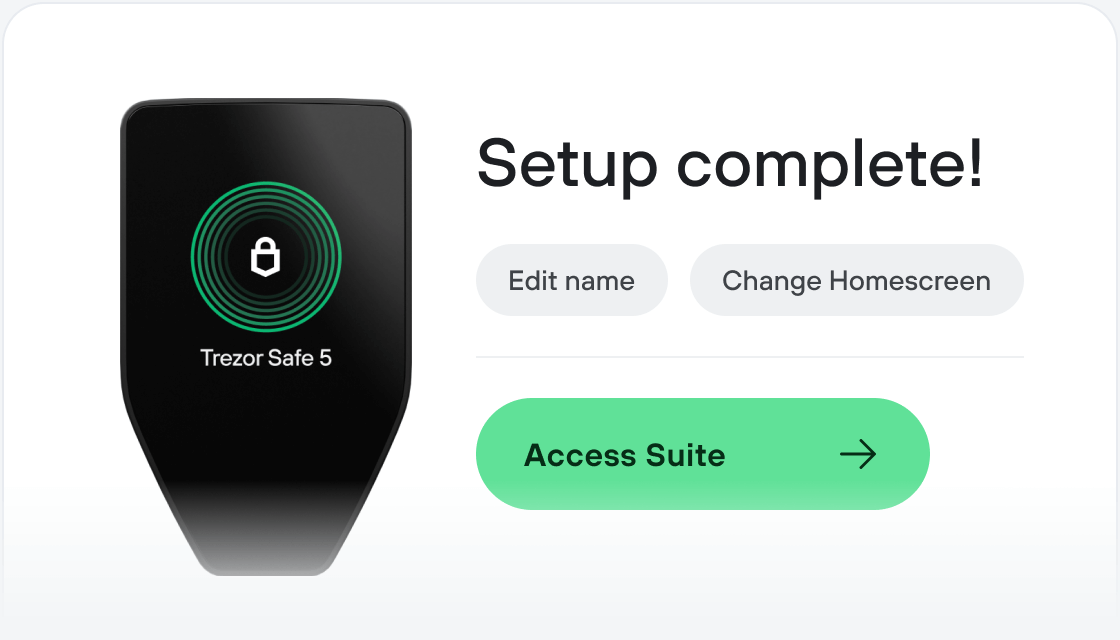
Connectez votre Trezor
Installez l'application Trezor Suite
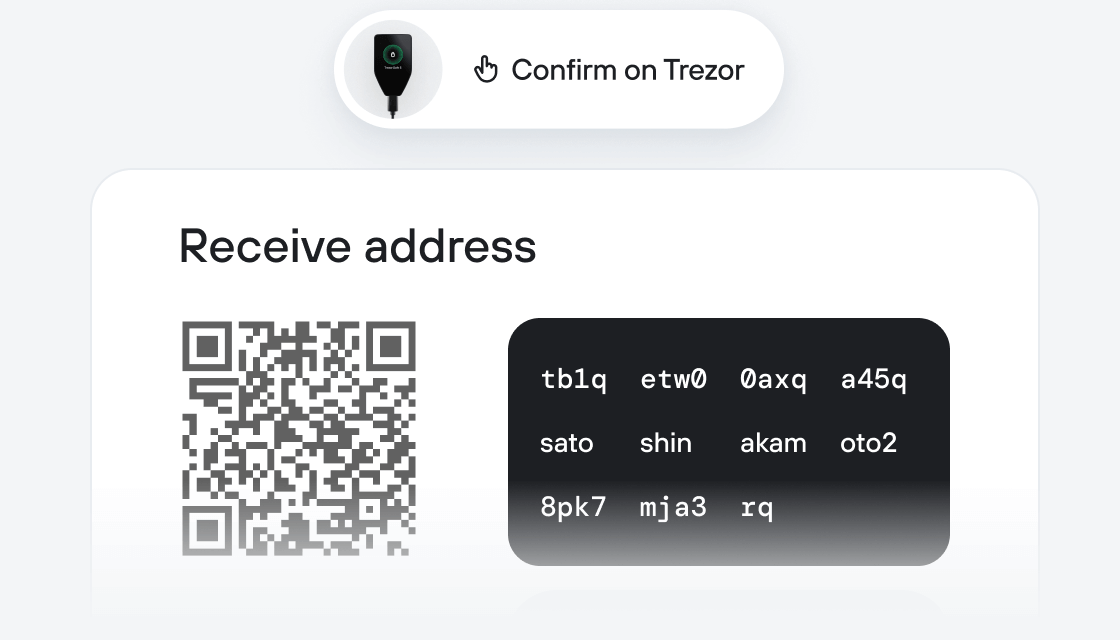
Transférez votre VR
Profitez pleinement de votre VR
Trezor garde vos VR en sécurité
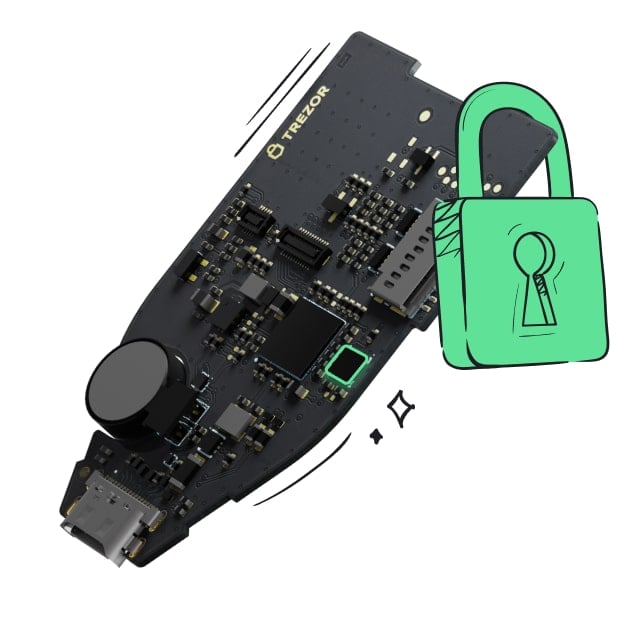 Protégé par Élément Sécurisé
La meilleure défense contre les menaces en ligne et hors ligne
 Vos jetons, votre contrôle
Contrôle absolu de chaque transaction avec confirmation sur l'appareil
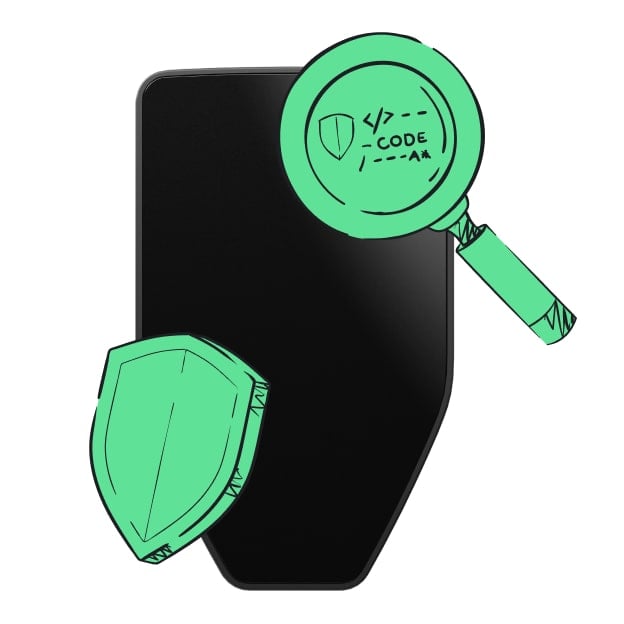 La sécurité commence par l'open source
Le design de portefeuille transparent rend votre Trezor meilleur et plus sûr
 Sauvegarde de portefeuille claire et simple
Récupérez l’accès à vos actifs digitaux avec un nouveau standard de sauvegarde
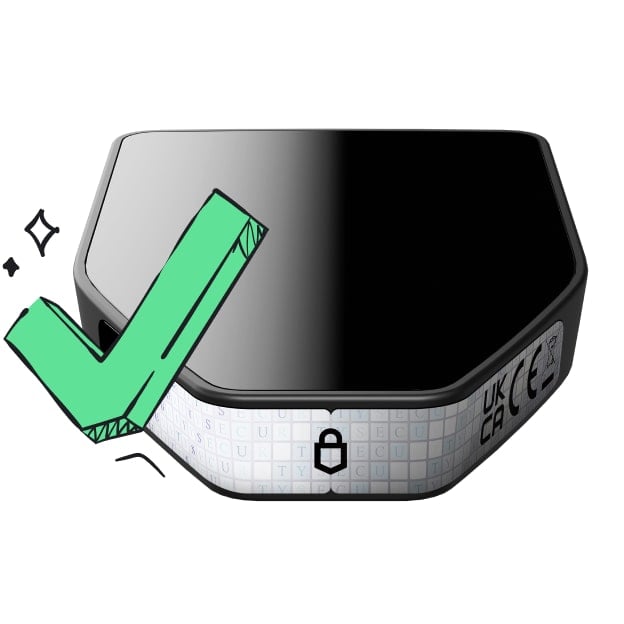 Confiance depuis le premier jour
Les sceaux de sécurité sur l’emballage et l’appareil protègent l’intégrité de votre Trezor
Victoria VR: Open-Source AI Platform for the 3D Internet Victoria VR is an open-source AI platform that transforms natural language prompts into 3D content and next-generation applications. It provides a full-stack environment for creating, publishing, and operating immersive spatial experiences across desktop, VR, and mobile — forming a foundation layer of Operating Reality and the Immersive Internet.
Key Sectors and Applications • AI Platform & Infrastructure: Prompt-to-3D platform with hybrid cloud + decentralized contributors • Generative AI: Spatial models convert text to assets, worlds, and logic. • AI Robotics & Agentic AI: Autonomous, tool-using agents with planning and memory that execute multi-step tasks • AI-Powered Avatars: Voice-ready, self-sufficient NPCs/assistants across devices as fully rigged 3D characters with true spatial movement (navigation, gestures, lip-sync). • Spatial Computing: Production runtime for physics, networking, identity, deployment, and analytics across VR, mobile, and desktop. • Enterprise Applications: No-code twins, configurators, virtual stores and showrooms. • Education & Training: No-code modules for simulations, learning, and workforce training. • Gaming: Games and experiences building, AI avatars and cross-platform publishing. • AI Infrastructure: Orchestration of multi-model AI for text, image, and 3D data. • Generative AI: Prompt-based creation of environments, assets, and logic. • AI Robotics & Agentic AI: Autonomous avatars functioning as digital employees. • Spatial Computing: Cross-platform tools enabling real-time interactive applications. • Education & Training: No-code modules for simulations, learning, and workforce training. • Enterprise Applications: Collaboration, data visualization, and AI copilots for operations. • AI-Powered Avatars: Deployable assistants in retail, healthcare, and digital services.
Core Components of the Platform • VR AI Builder – zero-code creation engine (prompt-to-assets/logic/worlds). Users can build maps, games, training modules, and enterprise automations. NFTs Land-gated publishing to VR/mobile/desktop; subscriptions + marketplace tie-ins. • AI Hub – scalable orchestration layer integrating multiple AI models (text, image, 3D). Powers prompt-to-world, prompt-to-texture, and prompt-to-3D object pipelines, and provides a no-code agent factory (persona, tools, memory, knowledge). • AI Avatars (agents) – autonomous “AI employees” with memory, personality, tool use, and multilingual conversation. Deployable across education, retail, healthcare, operations, and collaboration. • AI Verse — The networked runtime and economy layer for worlds and agents. Runs on a hybrid production cloud + decentralized participation, provides identity and access (profiles, land-gating), payments and participation rewards, telemetry/analytics, moderation/compliance, and asset/model/dataset catalogs with interoperability and SDKs/APIs for creators and enterprises. • Magic Madness – flagship PvP on-boarding game (Steam) used as a growth funnel (tournaments, esports, cosmetics) into the Builder/Agents/NFTs Land economy.
Target Audiences • Independent creators & studios – zero-code content creation. • Brands & retail – virtual storefronts, AI-powered customer service. • Education & training providers – simulations and AI tutors. • Enterprises – AI copilots, collaboration environments, and spatial data rooms. • General users – immersive applications with built-in onboarding experiences.
Why It Matters • Time-to-content collapses: Creation cycles shrink from weeks to hours. • Accessibility: Zero-code tools and cross-device access reduce entry barriers. • Economy with utility: $VR token underpins transactions, subscriptions, and rewards. • Sustainability: Utility-driven design replaces speculative models. • Market alignment: Positioned across AI infrastructure, spatial computing, and agentic AI—sectors forecasted to exceed $1 trillion in the next decade