Safe & secure Wrapped CurrencyCoin wallet
Take control of your Wrapped CurrencyCoin assets with complete confidence in the Trezor ecosystem.
- Secured by your hardware wallet
- Use with compatible hot wallets
- Trusted by over 2 million customers
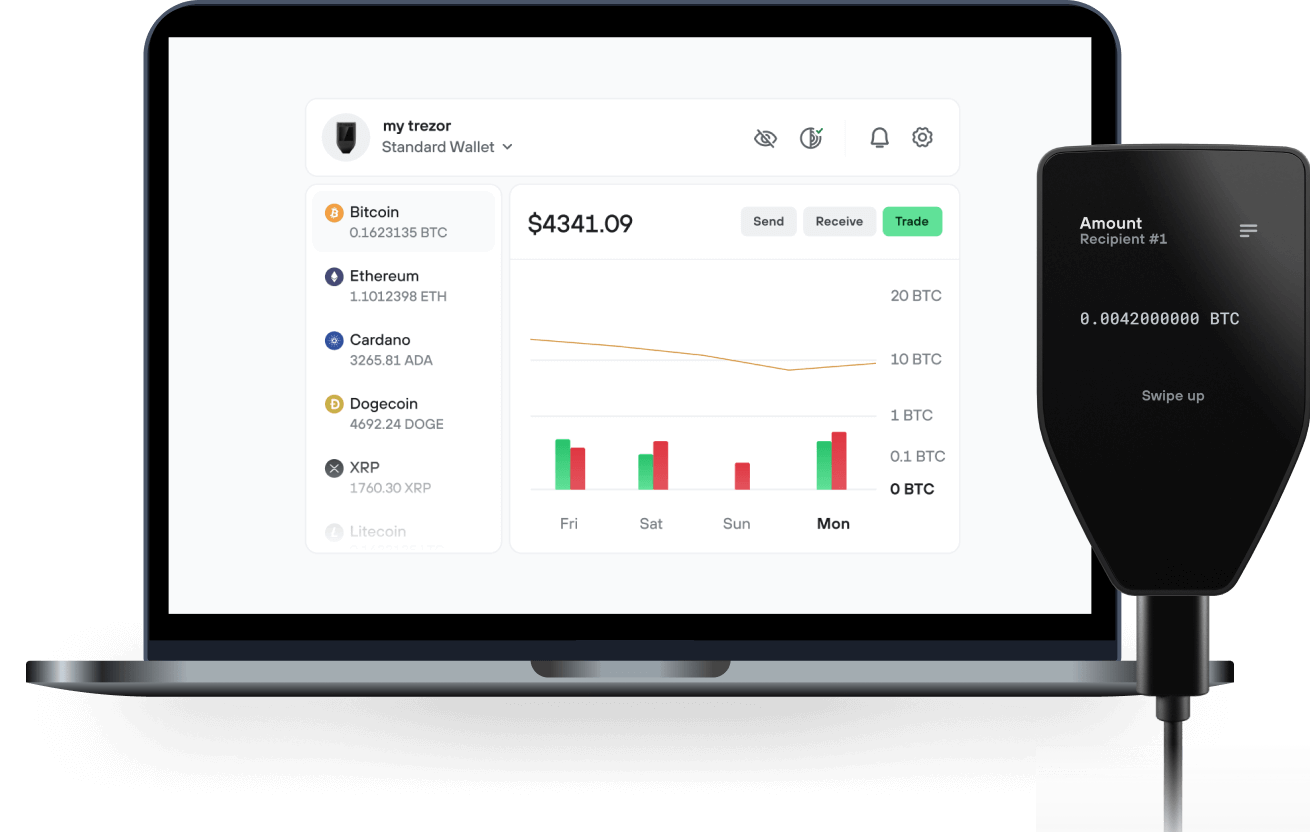
Send & receive your Wrapped CurrencyCoin with the Trezor Suite app

Send & receive
Trezor hardware wallets that support Wrapped CurrencyCoin
Sync your Trezor with wallet apps
Manage your Wrapped CurrencyCoin with your Trezor hardware wallet synced with several wallet apps.
Trezor Suite
MetaMask
Rabby
Supported Wrapped CurrencyCoin Network
Why a hardware wallet?

Go offline with Trezor
- You own 100% of your coins
- Your wallet is 100% safe offline
- Your data is 100% anonymous
- Your coins aren’t tied to any company
Online exchanges
- If an exchange fails, you lose your coins
- Exchanges are targets for hackers
- Your personal data may be exposed
- You don’t truly own your coins
How to CC on Trezor
Connect your Trezor
Open a third-party wallet app
Manage your assets
Make the most of your CC
Trezor keeps your CC secure
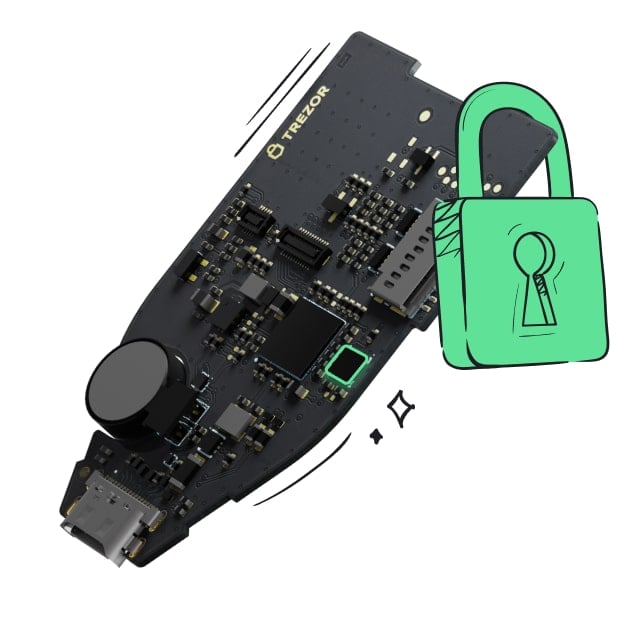 Protected by Secure Element
The best defense against both online and offline threats
 Your tokens, your control
Absolute control of every transaction with on-device confirmation
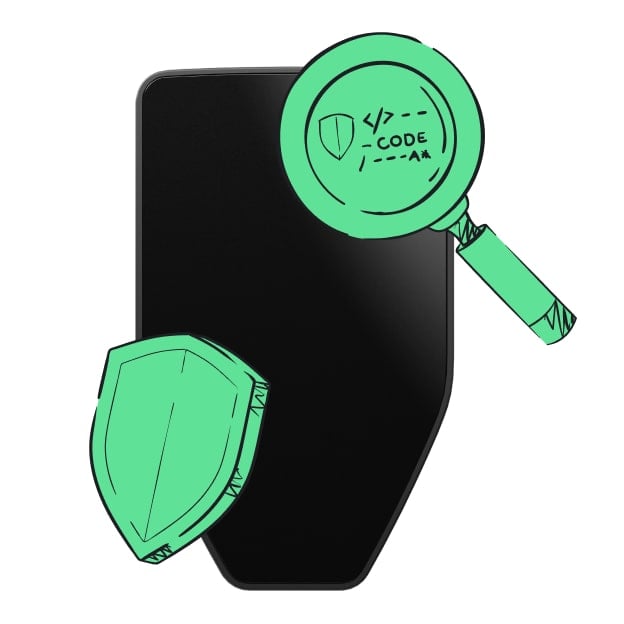 Security starts with open-source
Transparent wallet design makes your Trezor better and safer
 Clear & simple wallet backup
Recover access to your digital assets with a new backup standard
 Confidence from day one
Packaging & device security seals protect your Trezor’s integrity
From an Ethereum Wiki to the World's ERC-20 Standard In the chaotic early days of Ethereum, there was no standard for tokens. Developers were creating incompatible contracts, leading to ecosystem fragmentation.
Recognizing this, Vitalik Buterin initiated the Standardized_Contract_APIs repository on GitHub. This public workspace became the cited foundation for what would eventually become ERC-20. The process was collaborative; developers like Caktux and Simon de la Rouviere (Simondlr) and many others contributed ideas and code, debating function names like disapprove versus unapprove.
On September 6, 2015, Vitalik Buterin committed the Solidity version of currency.sol, which served as the initial code template used in discussions and cited in the Final ERC-20 Standard. Just two days later, on September 8, 2015, developer 'rfikki' deployed a modified version of this contract to the mainnet. This deployment became a live implementation of some of the earliest code examples by which currency.sol was used to later formalize the official EIP-20 proposal.