Billetera Wrapped CurrencyCoin segura y protegida
Toma el control de tus Wrapped CurrencyCoin activos con total confianza en el ecosistema de Trezor.
- Protegido por tu billetera física
- Usa con billeteras digitales compatibles
- Con la confianza de más de 2 millones de clientes
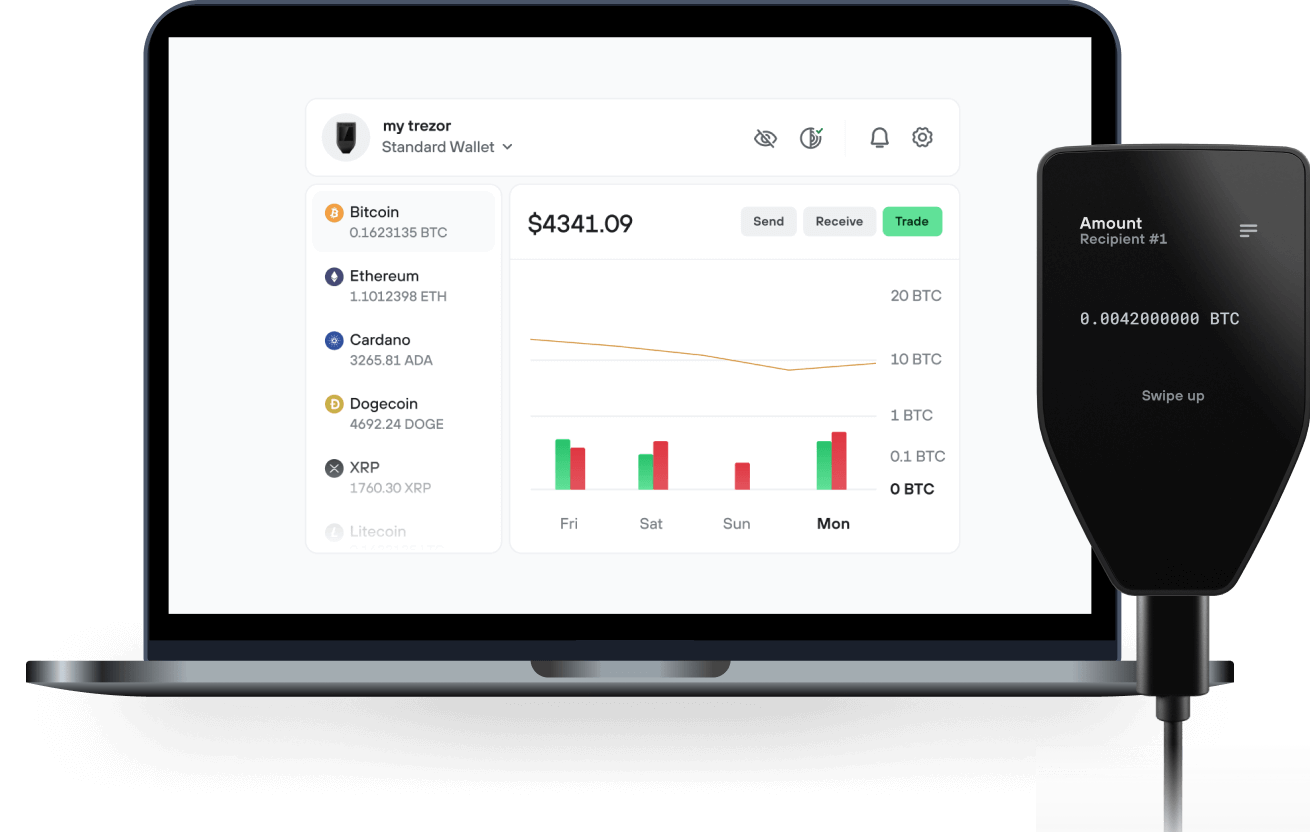
Envía y recibe tu Wrapped CurrencyCoin con la app Trezor Suite

Enviar y recibir
Billeteras físicas Trezor compatibles con Wrapped CurrencyCoin
Sincroniza tu Trezor con apps de billeteras
Gestiona tus Wrapped CurrencyCoin con tu billetera física Trezor sincronizada con apps de billeteras.
Trezor Suite
MetaMask
Rabby
Red Wrapped CurrencyCoin Compatible
¿Por qué una billetera física?

Desconéctate con Trezor
- Tus monedas son 100% tuyas
- Tu billetera está 100% segura offline
- Tus datos son 100% anónimos
- Tus monedas no están atadas a una compañía
Exchanges en línea
- Si un exchange falla, pierdes tus monedas
- Los exchanges son blanco de los hackers
- Tu información personal puede ser expuesta
- Tus monedas no son realmente tuyas
¿Cómo usar CC en Trezor?
Conecta tu Trezor
Abre una app de billetera de terceros
Gestiona tus activos
Aprovecha al máximo tus CC
Trezor mantiene tus CC seguros
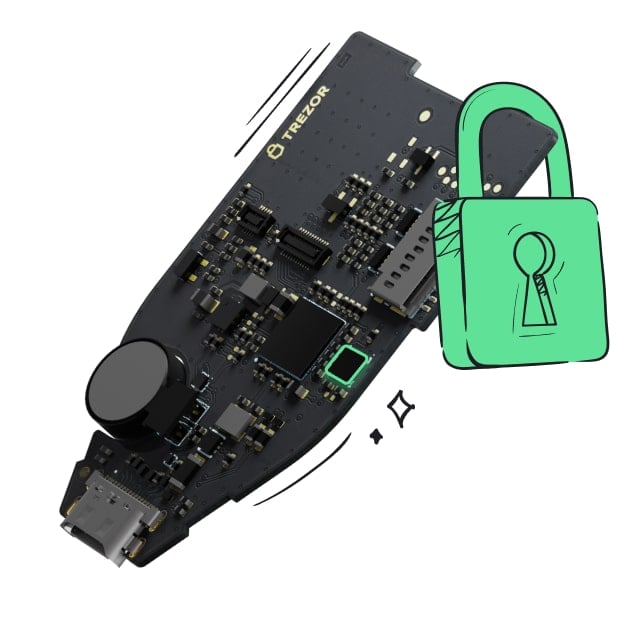 Protegido por Elemento Seguro
La mejor defensa contra amenazas tanto online como offline
 Tus tokens, bajo tu control
Control absoluto de cada transacción con confirmación directa en el dispositivo
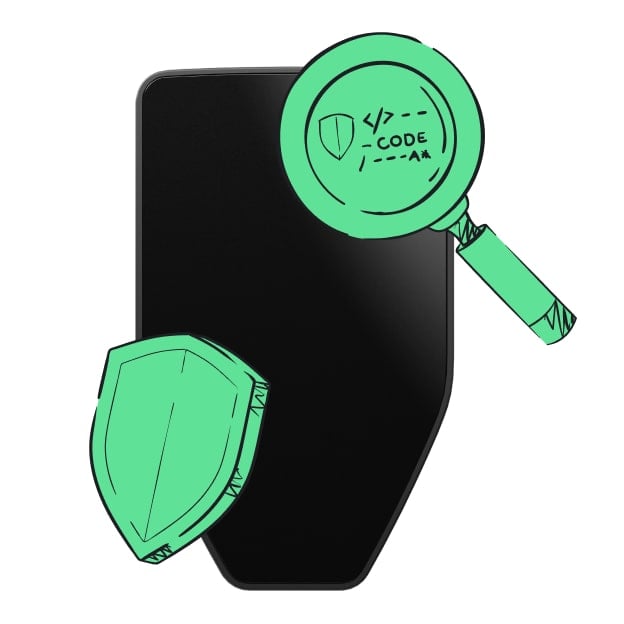 La seguridad empieza por código abierto
Un diseño de billetera de forma transparente hace que tu Trezor sea más seguro y confiable
 Copia de seguridad de billetera clara y sencilla
Recupera el acceso a tus activos digitales con nuevo estándar de copia de seguridad
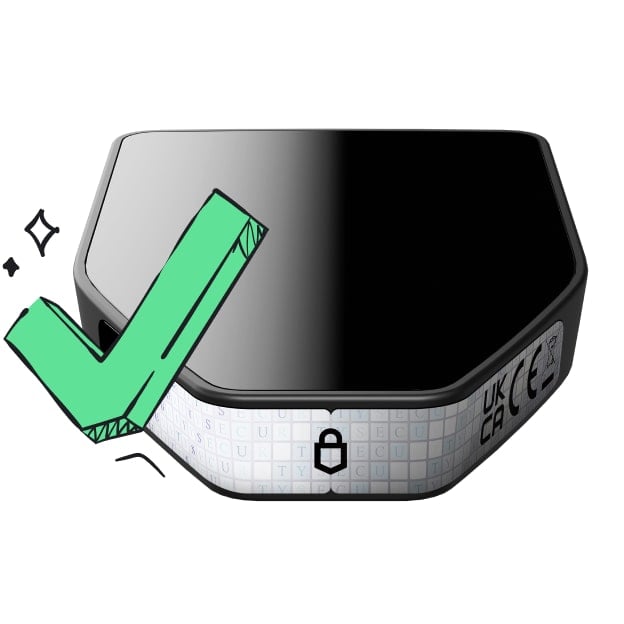 Confianza desde el primer día
El embalaje y los sellos de seguridad del dispositivo protegen la integridad de tu Trezor
From an Ethereum Wiki to the World's ERC-20 Standard In the chaotic early days of Ethereum, there was no standard for tokens. Developers were creating incompatible contracts, leading to ecosystem fragmentation.
Recognizing this, Vitalik Buterin initiated the Standardized_Contract_APIs repository on GitHub. This public workspace became the cited foundation for what would eventually become ERC-20. The process was collaborative; developers like Caktux and Simon de la Rouviere (Simondlr) and many others contributed ideas and code, debating function names like disapprove versus unapprove.
On September 6, 2015, Vitalik Buterin committed the Solidity version of currency.sol, which served as the initial code template used in discussions and cited in the Final ERC-20 Standard. Just two days later, on September 8, 2015, developer 'rfikki' deployed a modified version of this contract to the mainnet. This deployment became a live implementation of some of the earliest code examples by which currency.sol was used to later formalize the official EIP-20 proposal.