Safe & secure Spawn wallet
Take control of your Spawn assets with complete confidence in the Trezor ecosystem.
- Secured by your hardware wallet
- Use with compatible hot wallets
- Trusted by over 2 million customers
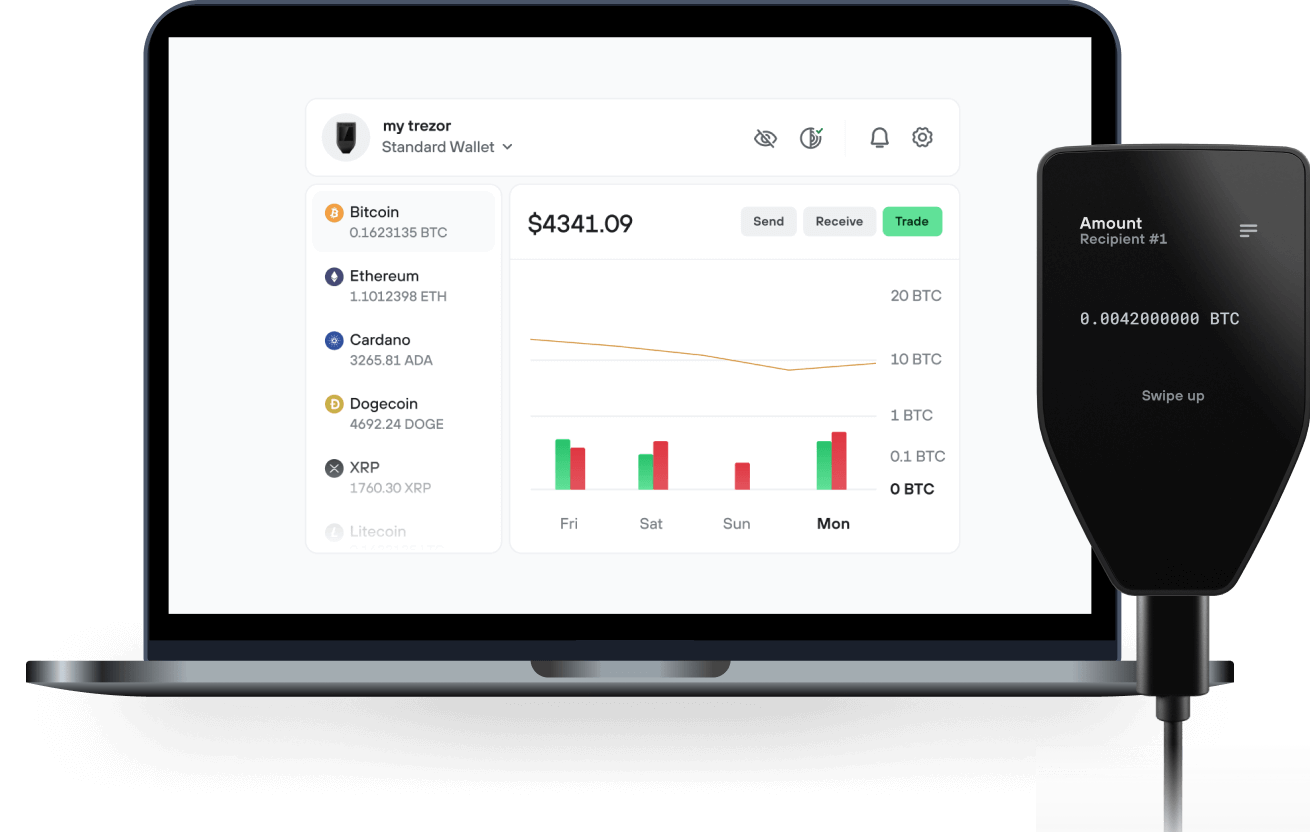
Send & receive your Spawn with the Trezor Suite app

Send & receive
Trezor hardware wallets that support Spawn
Sync your Trezor with wallet apps
Manage your Spawn with your Trezor hardware wallet synced with several wallet apps.
Trezor Suite
Backpack
NuFi
Supported Spawn Network
Why a hardware wallet?
Go offline with Trezor
- You own 100% of your coins
- Your wallet is 100% safe offline
- Your data is 100% anonymous
- Your coins aren’t tied to any company
Online exchanges
- If an exchange fails, you lose your coins
- Exchanges are targets for hackers
- Your personal data may be exposed
- You don’t truly own your coins
How to SPAWN on Trezor
Connect your Trezor
Open a third-party wallet app
Manage your assets
Make the most of your SPAWN
Trezor keeps your SPAWN secure
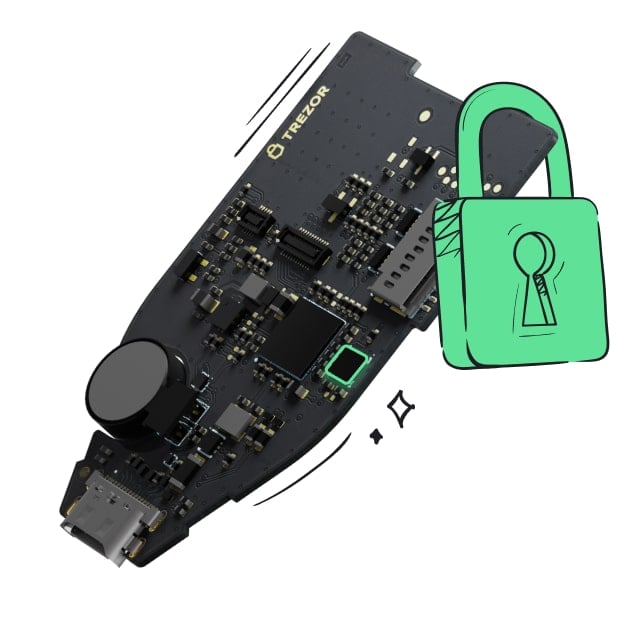 Protected by Secure Element
The best defense against both online and offline threats
 Your tokens, your control
Absolute control of every transaction with on-device confirmation
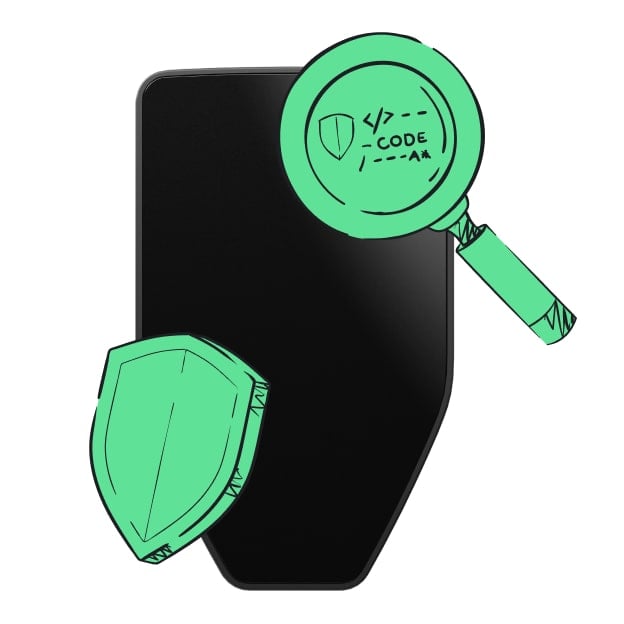 Security starts with open-source
Transparent wallet design makes your Trezor better and safer
 Clear & simple wallet backup
Recover access to your digital assets with a new backup standard
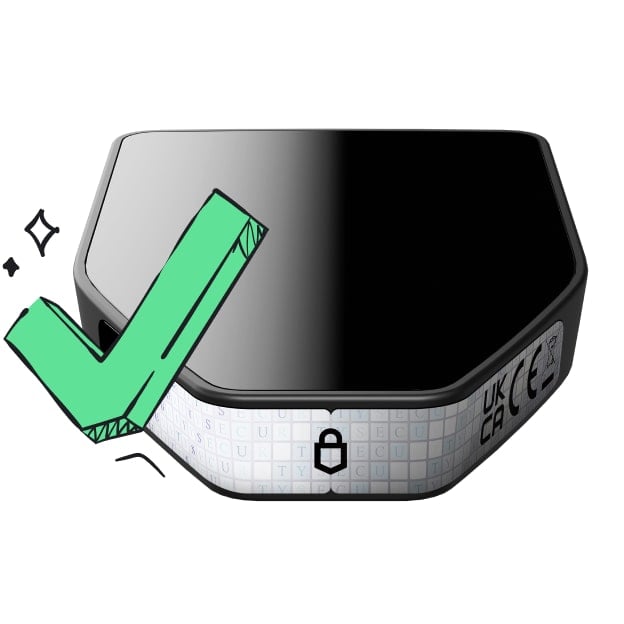 Confidence from day one
Packaging & device security seals protect your Trezor’s integrity
Spawn Robotics is pioneering a brain-inspired memory architecture for robotics that transforms raw sensory-motor experiences into self-organizing, emergent intelligence. The system continuously integrates real-time perception, actions, spatial context, and intrinsic rewards to form rich, multi-modal episodic memories. Over time, it distills meaningful patterns into lasting traces, enabling robots to genuinely remember rewarding or aversive events, avoid harm, return to valued places, pursue novel objects, and crystallize successful actions into reusable habits—all without explicit task programming. Goals and intentions arise spontaneously from lightweight innate drives, sensory novelty, familiarity, and reinforcement, leading to increasingly adaptive, purposeful behavior. The modular, biologically plausible design supports progressive enhancement toward persistent personal preferences, primitive mental replay for planning, robust self-recovery from failures, rudimentary social responsiveness, and distinct personality-like traits shaped by each robot’s unique history. Future visions include interconnected agents forming shared hivemind-like intelligence and selective LLM integration for semantic scaffolding, while preserving embodied, experience-grounded agency. This approach hints at a deep continuity between raw lived interaction and the emergence of genuine, subjective-like agency in artificial systems.