Safe & secure NaoX Protocol wallet
Take control of your NaoX Protocol assets with complete confidence in the Trezor ecosystem.
- Secured by your hardware wallet
- Use with compatible hot wallets
- Trusted by over 2 million customers
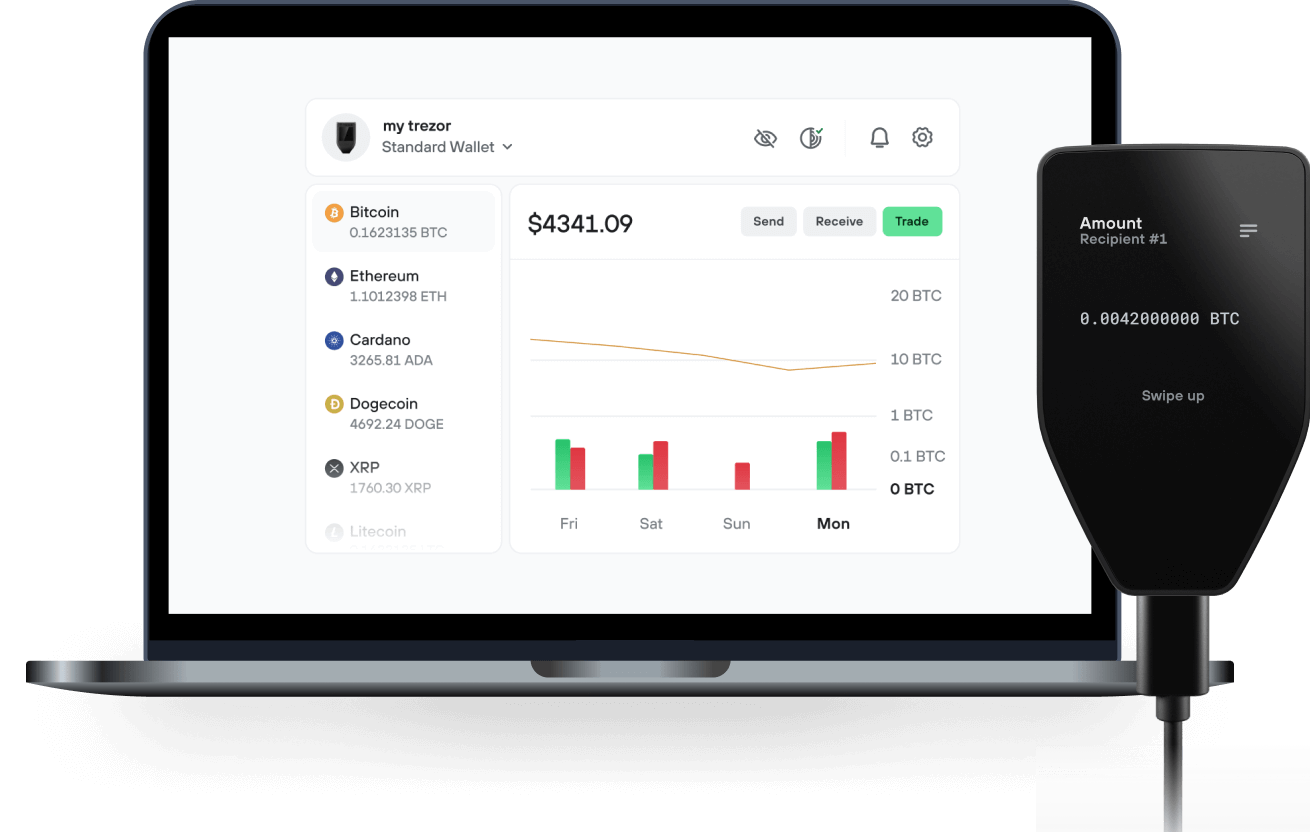
Send & receive your NaoX Protocol with the Trezor Suite app

Send & receive
Trezor hardware wallets that support NaoX Protocol
Sync your Trezor with wallet apps
Manage your NaoX Protocol with your Trezor hardware wallet synced with several wallet apps.
Trezor Suite
MetaMask
Rabby
Supported NaoX Protocol Networks
Why a hardware wallet?

Go offline with Trezor
- You own 100% of your coins
- Your wallet is 100% safe offline
- Your data is 100% anonymous
- Your coins aren’t tied to any company
Online exchanges
- If an exchange fails, you lose your coins
- Exchanges are targets for hackers
- Your personal data may be exposed
- You don’t truly own your coins
How to NAORIS on Trezor
Connect your Trezor
Open a third-party wallet app
Manage your assets
Make the most of your NAORIS
Trezor keeps your NAORIS secure
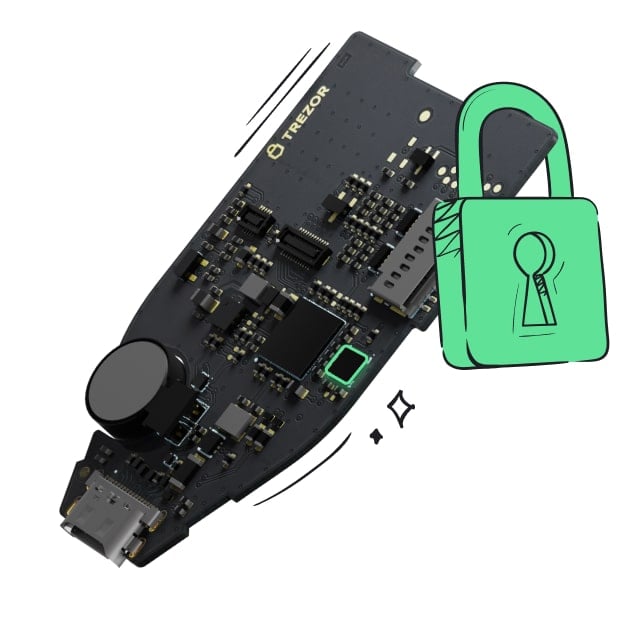 Protected by Secure Element
The best defense against both online and offline threats
 Your tokens, your control
Absolute control of every transaction with on-device confirmation
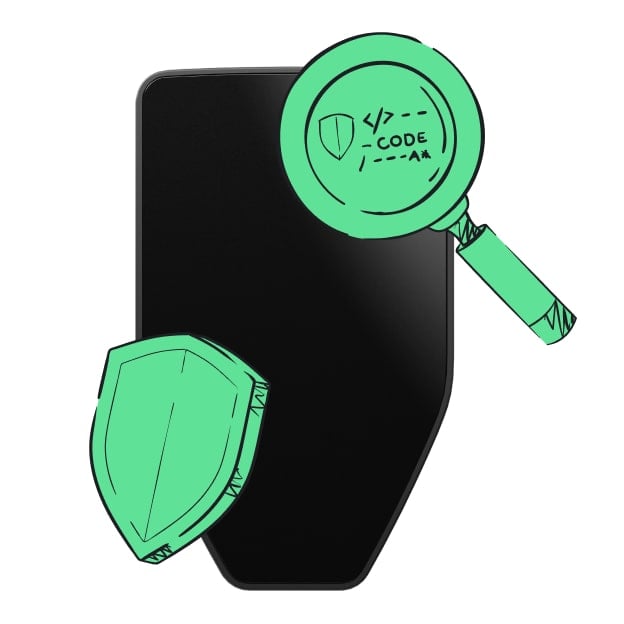 Security starts with open-source
Transparent wallet design makes your Trezor better and safer
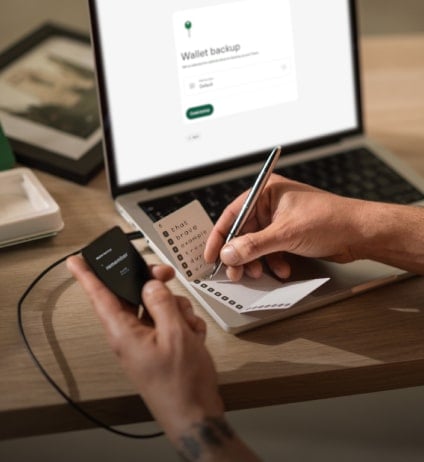 Clear & simple wallet backup
Recover access to your digital assets with a new backup standard
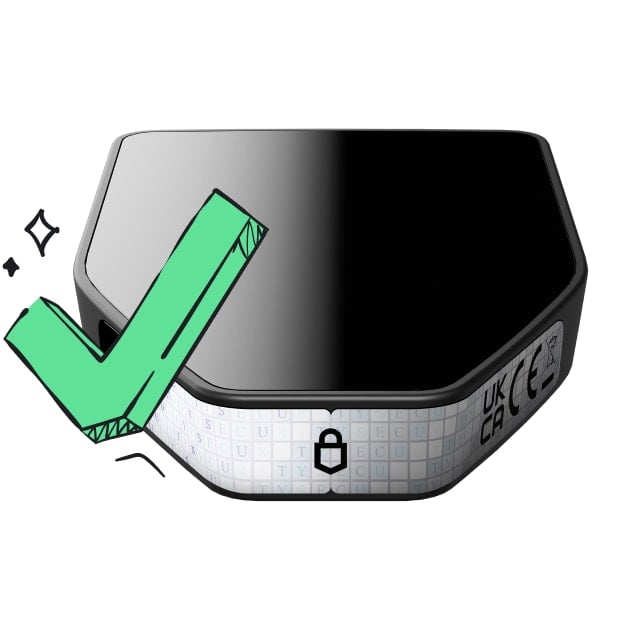 Confidence from day one
Packaging & device security seals protect your Trezor’s integrity
NaoX Protocol is a Post-Quantum powered, self-validating cybersecurity enforcement protocol that restores cyber-trust across digital systems. By delivering verified cyber-status beyond traditional perimeters, it enables enterprise & governments to shift from a siloed & centralized cybersecurity model to a decentralized community compute model.