Sichere & geschützte NONOS Wallet
Übernimm die Kontrolle über deine NONOS Assets mit vollem Vertrauen in das Trezor Ökosystem.
- Gesichert durch deine Hardware-Wallet
- Nutze ihn mit kompatiblen Hot-Wallets
- Über 2 Millionen Kunden vertrauen uns
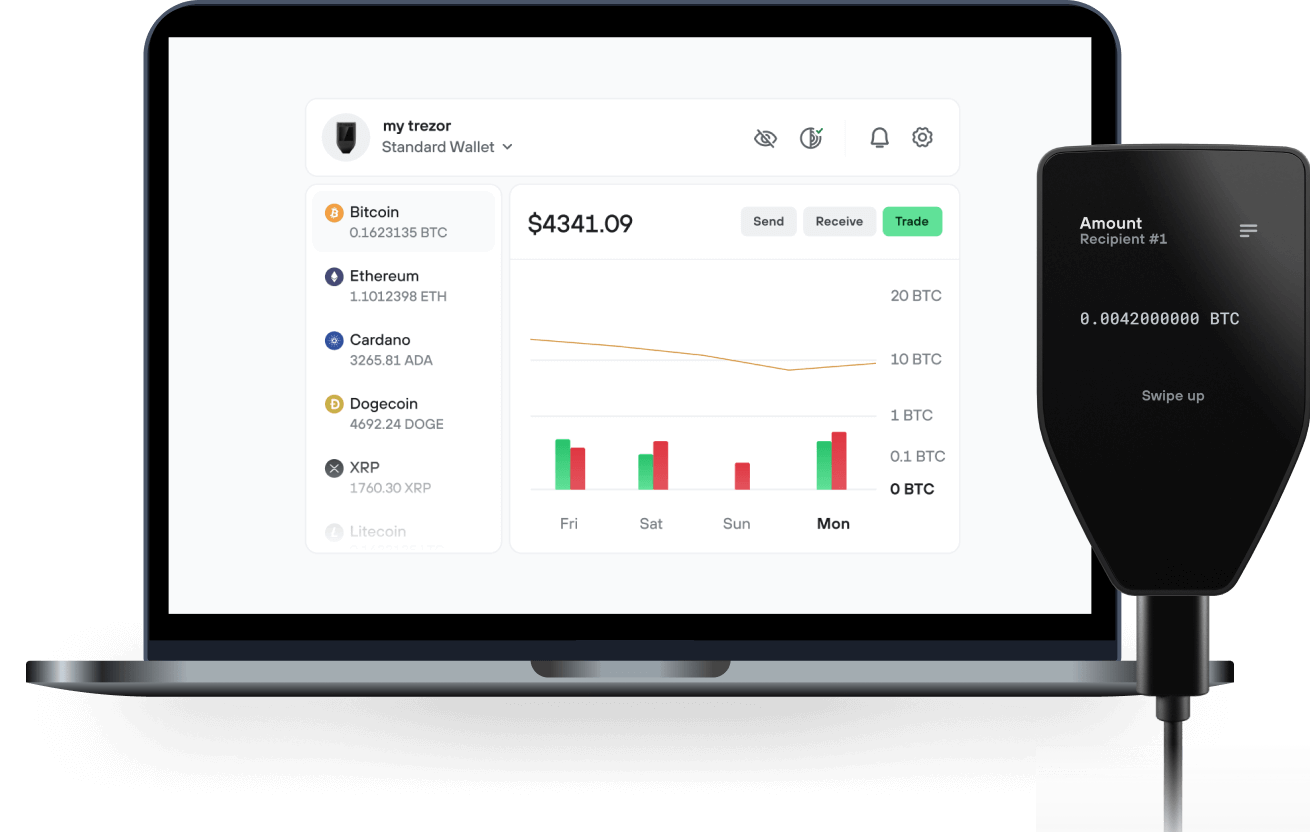
Sende & empfange deinen NONOS mit der Trezor Suite App

Sende & empfange
Trezor Hardware-Wallet, die NONOS unterstützen
Synchronisiere Trezor mit Wallet-Apps
Verwalte deine NONOS mit deiner Trezor Hardware-Wallet, die mit mehreren Wallet-Apps synchronisiert ist.
Trezor Suite
MetaMask
Rabby
Unterstütztes NONOS Netzwerk
Warum eine Hardware-Wallet?
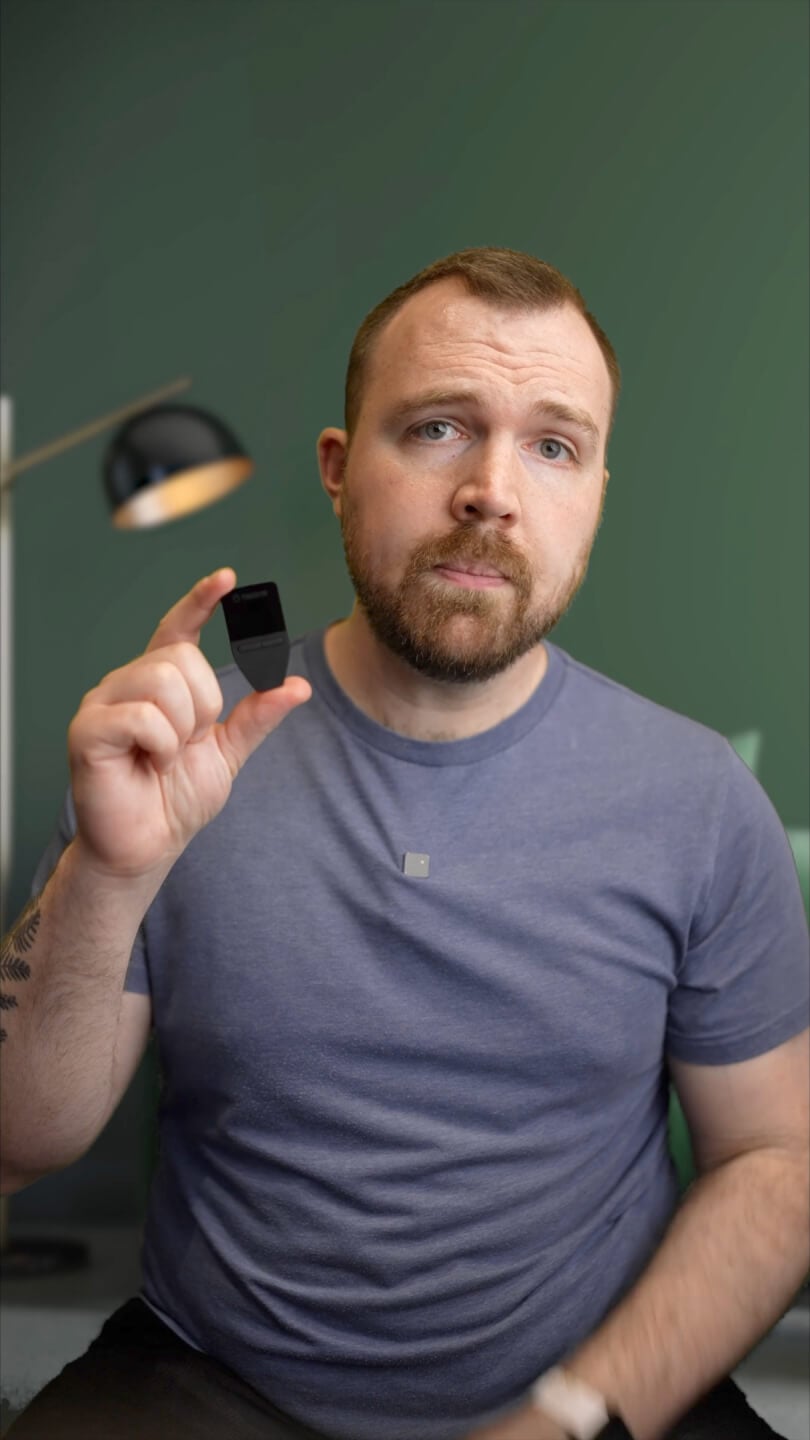
Gehe offline mit Trezor
- Du besitzt 100 % deiner Coins
- Deine Wallet ist offline zu 100 % sicher
- Deine Daten sind zu 100 % anonym
- Deine Coins sind an keine Firma gebunden
Online-Börsen
- Wenn ein Umtausch fehlschlägt, verlierst du deine Coins
- Börsen sind Ziele von Hackern
- Deine persönlichen Daten könnten offengelegt werden
- Du besitzt deine Coins nicht wirklich
Wie man NOX auf Trezor
Verbinde deinen Trezor
Öffne eine Drittanbieter-Wallet-App
Verwalte dein Vermögen
Mache das Beste aus deinen NOX
Trezor hält dein NOX sicher
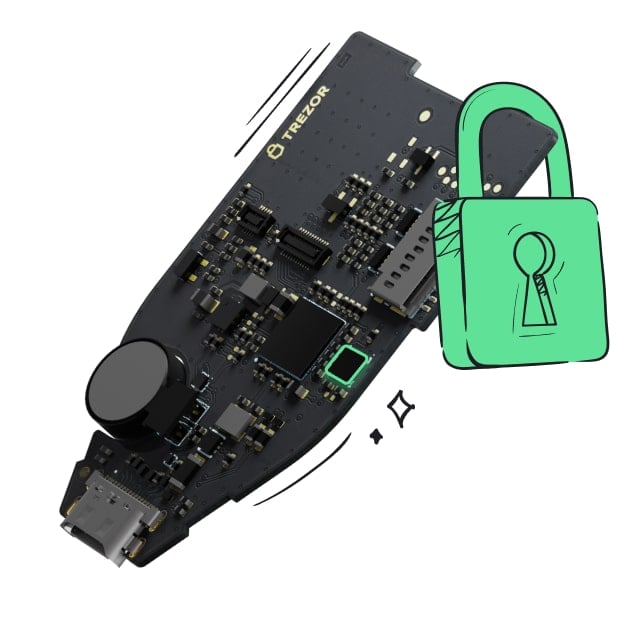 Geschützt durch Secure Element
Die beste Verteidigung gegen beides, online und offline Bedrohungen
 Deine Token, deine Kontrolle
Absolute Kontrolle über jede Transaktion mit Bestätigung auf dem Gerät
 Sicherheit beginnt mit Open-Source
Das transparente Wallet-Design macht deinen Trezor besser und sicherer
 Übersichtliches & einfaches Wallet-Backup
Stelle deinen Zugriff auf deine digitalen Assets wieder her mit einem neuen Backup-Standard
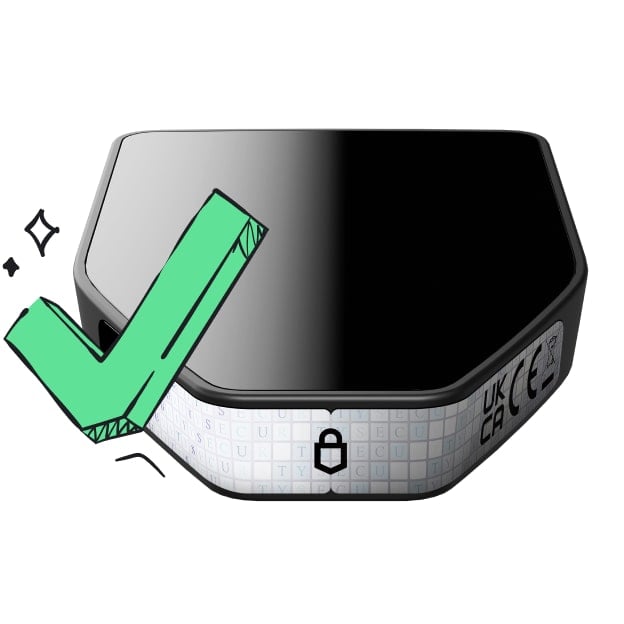 Vertrauen vom ersten Tag an
Verpackungs- & Gerätesicherheitssiegel schützen die Integrität deines Trezors
NØNOS is an operating system built around privacy at the level of the kernel. Its design position is that a program is owed nothing and receives only what it has been explicitly granted.
The kernel is a microkernel with capability-based security. The component that grants and checks authority is under four thousand lines and is formally verified: the Rust is translated into Lean 4 by Charon and Aeneas, and the model is machine-checked to refine the extracted code, so the theorem covers the capability system as it ships.
Every program runs as a capsule, signed and started with exactly the permissions declared in its manifest, checked at spawn against the ceiling carried in its certificate. A capsule granted no network capability has no route to the network, no interface through which to request one, and no consent dialog through which a user can be persuaded to provide one. There is no root account and no administrator, so there is no authority to escalate toward.
Device drivers, the TCP/IP stack, the display server, the browser and the wallet/apps all run as capsules outside the kernel. Roughly 600k + lines of the system hold no privilege and have no path into the kernel address space.
The system is RAM-resident. After shutdown no logs, caches, browsing history or device identity remain on the machine. Network traffic leaves through an onion mixnet implemented inside the kernel with a fresh key agreement at every hop. Nothing executes unproved. The bootloader verifies the kernel under two independent signature schemes, one of them post-quantum, then checks the kernel own STARK proof against a root compiled into the bootloader. Each capsules proof is verified before its image is mapped, and a missing or invalid proof means the capsule does not run. The proving system is the project own transparent STARK over the Goldilocks field, requiring no trusted setup and no pairing-based cryptography. That same prover settles NOX Shield, a private transfer protocol verified on Ethereum by a Solidity contract. NOX is the ecosystem ERC-20 token on Ethereum.