Carteira NONOS segura & protegida
Assuma o controle dos seus NONOS ativos com completa confiança no ecossistema Trezor.
- Protegido por sua carteira de hardware
- Use com carteiras quentes compatíveis
- Confiança de mais de 2 milhões de clientes
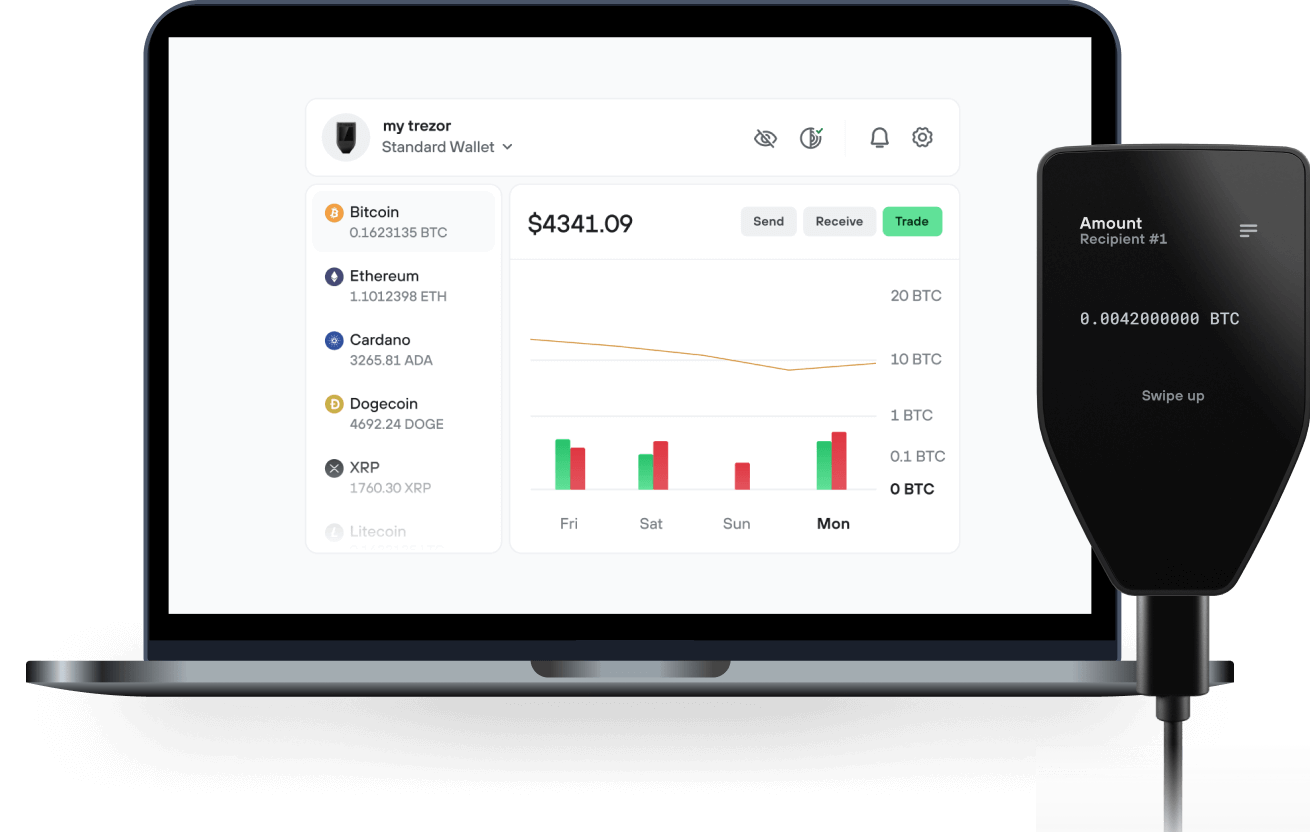
Envie & receba o seu NONOS com o app Trezor Suite

Enviar & receber
As carteiras de hardware Trezor suportam NONOS
Sincronize sua Trezor com apps de carteira
Gerencie a sua NONOS com sua carteira física Trezor sincronizada com vários apps de carteira.
Trezor Suite
MetaMask
Rabby
Rede NONOS Suportada
Por que uma carteira de hardware?
Fique offline com a Trezor
- Você controla 100% das suas moedas
- Sua carteira está 100% segura offline
- Seus dados são 100% anônimos
- Suas moedas não estão vinculadas a nenhuma empresa
Corretoras online
- Se uma corretora falir, você perde suas moedas
- Corretoras são alvos de hackers
- Seus dados pessoais podem ter sido expostos
- Você não tem total controle das suas moedas
Como NOX na Trezor
Conecte seu Trezor
Abra um aplicativo de carteira de terceiros
Gerencie seus ativos
Aproveite o máximo do seu NOX
Trezor mantém o seu NOX seguro
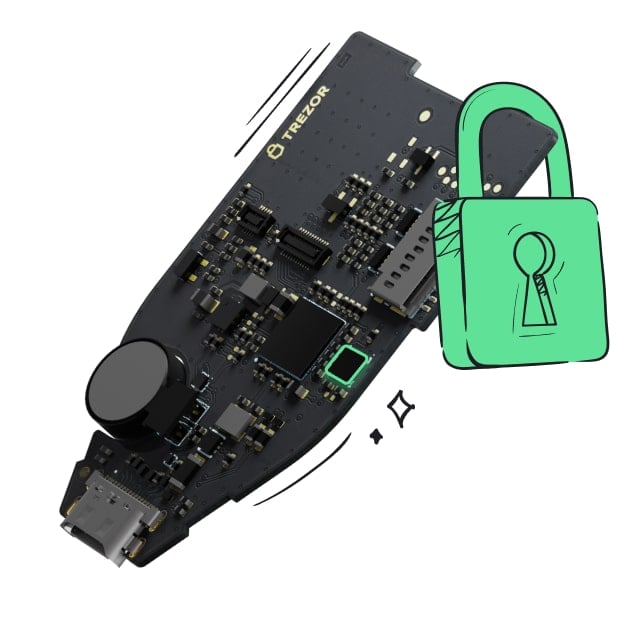 Protegido por Secure Element
A melhor defesa contra ameaças online e offline
 Seus tokens, seu controle
Controle absoluto de cada transação com confirmação no dispositivo
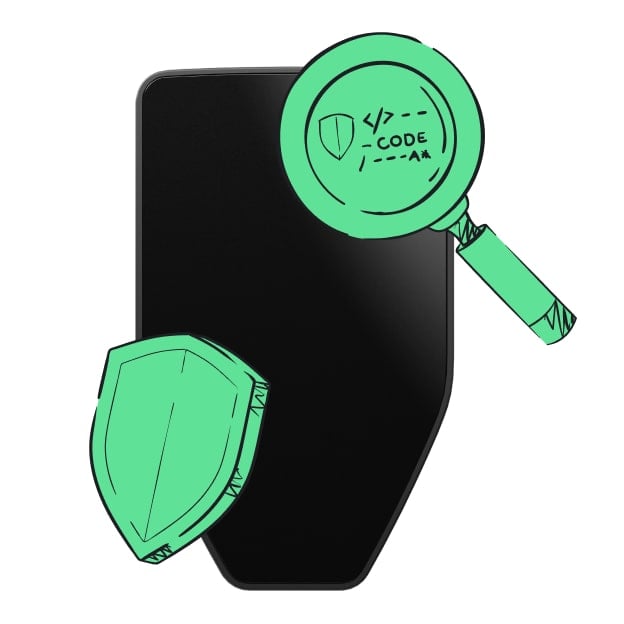 A segurança começa no código aberto
O design transparente da carteira torna sua Trezor melhor e mais segura
 Backup de carteira claro & simples
Recupere o acesso a seus ativos digitais com um novo padrão de backup
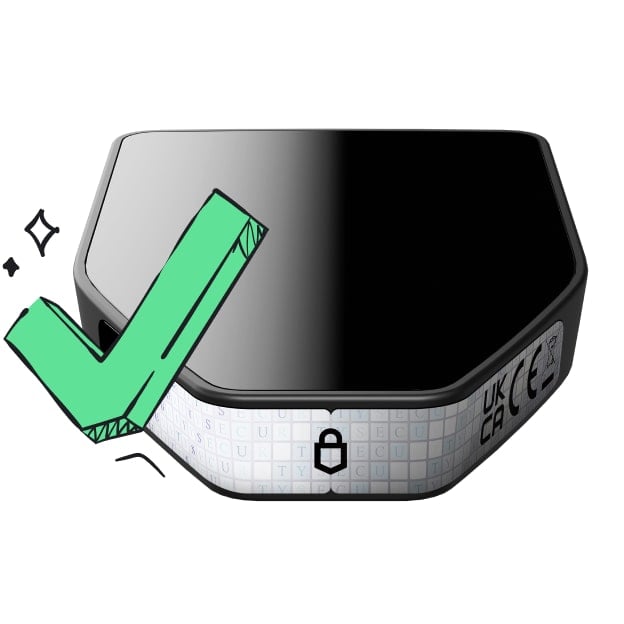 Confiança desde o primeiro dia
A embalagem & os selos de segurança protegem a integridade da sua Trezor
NØNOS is an operating system built around privacy at the level of the kernel. Its design position is that a program is owed nothing and receives only what it has been explicitly granted.
The kernel is a microkernel with capability-based security. The component that grants and checks authority is under four thousand lines and is formally verified: the Rust is translated into Lean 4 by Charon and Aeneas, and the model is machine-checked to refine the extracted code, so the theorem covers the capability system as it ships.
Every program runs as a capsule, signed and started with exactly the permissions declared in its manifest, checked at spawn against the ceiling carried in its certificate. A capsule granted no network capability has no route to the network, no interface through which to request one, and no consent dialog through which a user can be persuaded to provide one. There is no root account and no administrator, so there is no authority to escalate toward.
Device drivers, the TCP/IP stack, the display server, the browser and the wallet/apps all run as capsules outside the kernel. Roughly 600k + lines of the system hold no privilege and have no path into the kernel address space.
The system is RAM-resident. After shutdown no logs, caches, browsing history or device identity remain on the machine. Network traffic leaves through an onion mixnet implemented inside the kernel with a fresh key agreement at every hop. Nothing executes unproved. The bootloader verifies the kernel under two independent signature schemes, one of them post-quantum, then checks the kernel own STARK proof against a root compiled into the bootloader. Each capsules proof is verified before its image is mapped, and a missing or invalid proof means the capsule does not run. The proving system is the project own transparent STARK over the Goldilocks field, requiring no trusted setup and no pairing-based cryptography. That same prover settles NOX Shield, a private transfer protocol verified on Ethereum by a Solidity contract. NOX is the ecosystem ERC-20 token on Ethereum.