Billetera NONOS segura y protegida
Toma el control de tus NONOS activos con total confianza en el ecosistema de Trezor.
- Protegido por tu billetera física
- Usa con billeteras digitales compatibles
- Con la confianza de más de 2 millones de clientes
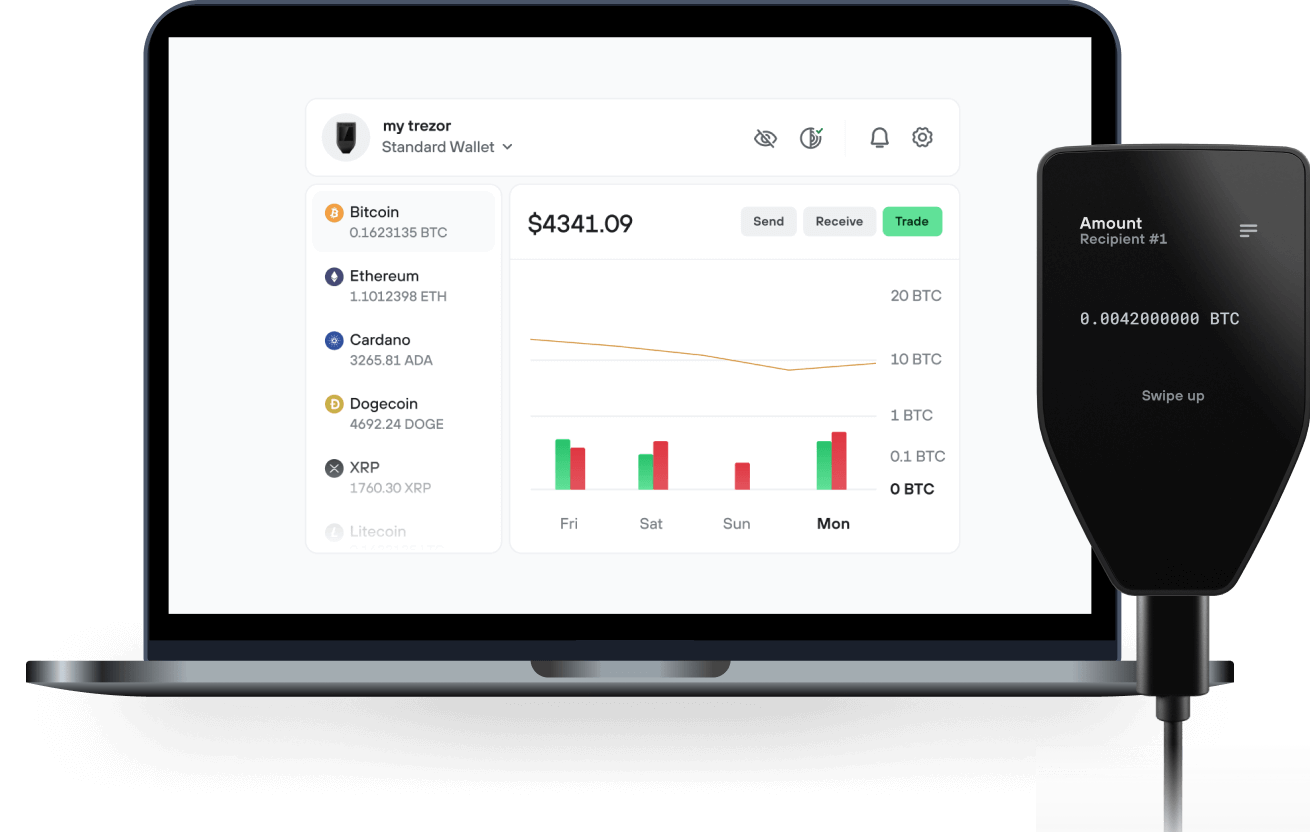
Envía y recibe tu NONOS con la app Trezor Suite

Enviar y recibir
Billeteras físicas Trezor compatibles con NONOS
Sincroniza tu Trezor con apps de billeteras
Gestiona tus NONOS con tu billetera física Trezor sincronizada con apps de billeteras.
Trezor Suite
MetaMask
Rabby
Red NONOS Compatible
¿Por qué una billetera física?
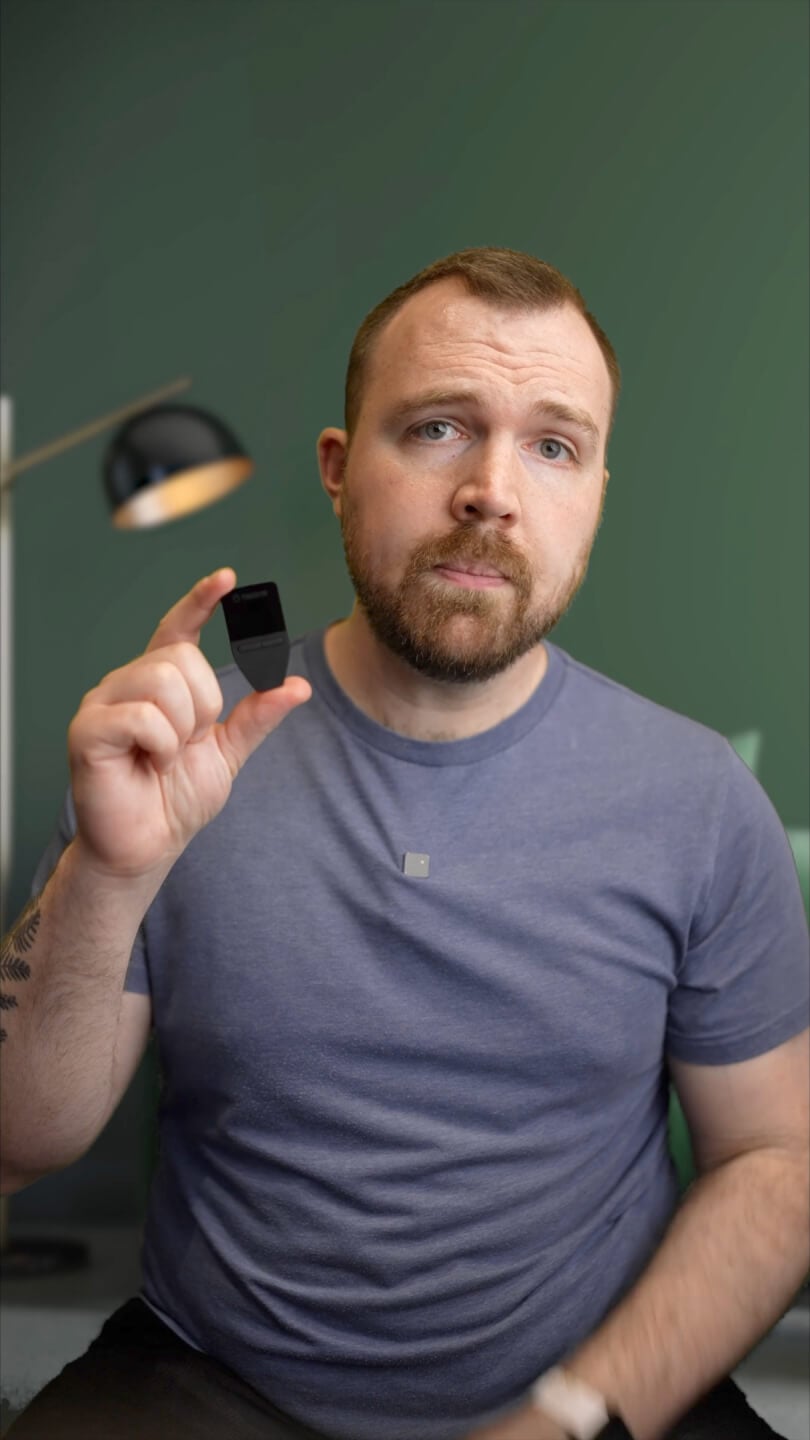
Desconéctate con Trezor
- Tus monedas son 100% tuyas
- Tu billetera está 100% segura offline
- Tus datos son 100% anónimos
- Tus monedas no están atadas a una compañía
Exchanges en línea
- Si un exchange falla, pierdes tus monedas
- Los exchanges son blanco de los hackers
- Tu información personal puede ser expuesta
- Tus monedas no son realmente tuyas
¿Cómo usar NOX en Trezor?
Conecta tu Trezor
Abre una app de billetera de terceros
Gestiona tus activos
Aprovecha al máximo tus NOX
Trezor mantiene tus NOX seguros
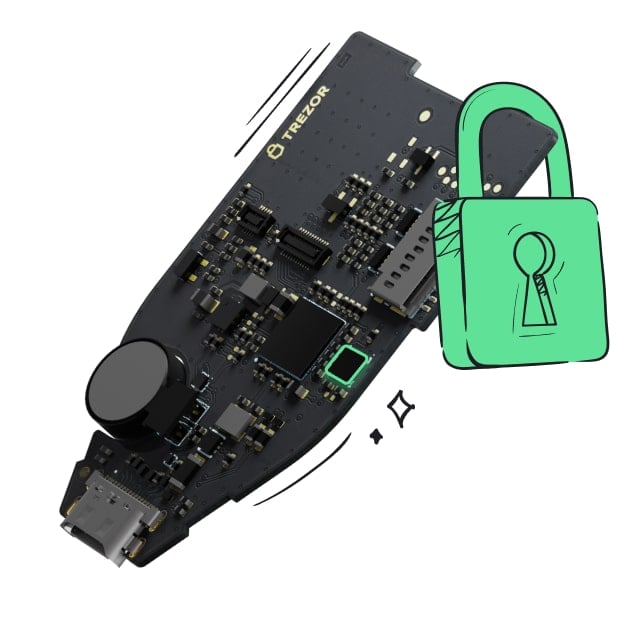 Protegido por Elemento Seguro
La mejor defensa contra amenazas tanto online como offline
 Tus tokens, bajo tu control
Control absoluto de cada transacción con confirmación directa en el dispositivo
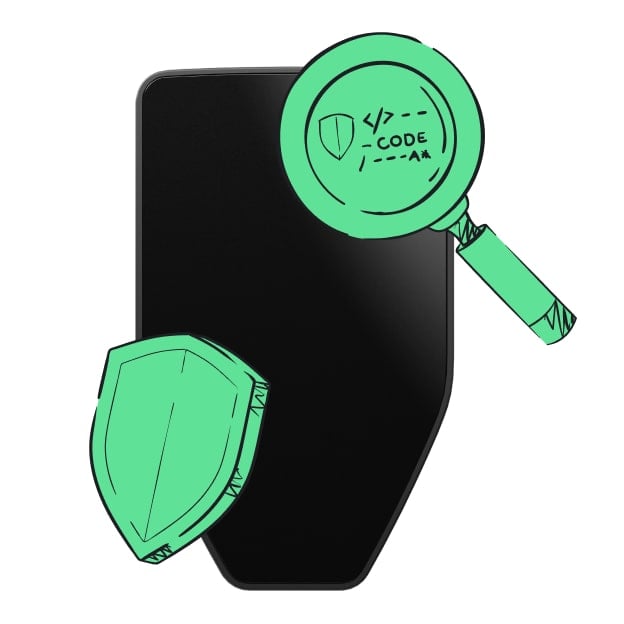 La seguridad empieza por código abierto
Un diseño de billetera de forma transparente hace que tu Trezor sea más seguro y confiable
 Copia de seguridad de billetera clara y sencilla
Recupera el acceso a tus activos digitales con nuevo estándar de copia de seguridad
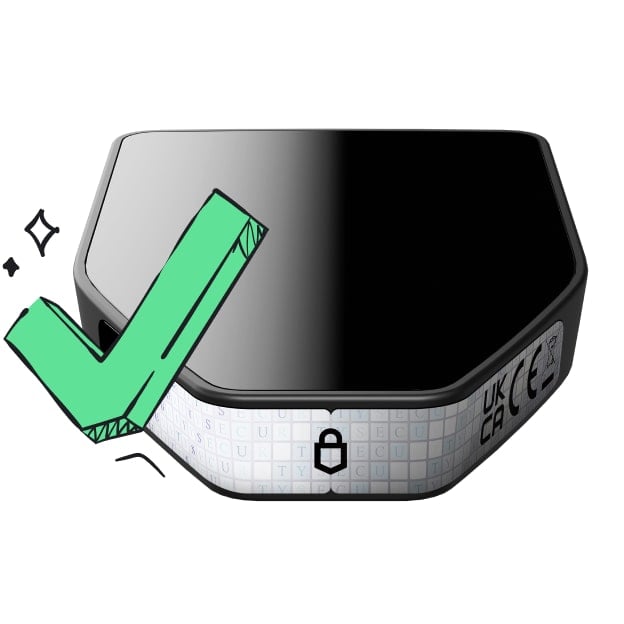 Confianza desde el primer día
El embalaje y los sellos de seguridad del dispositivo protegen la integridad de tu Trezor
NØNOS is an operating system built around privacy at the level of the kernel. Its design position is that a program is owed nothing and receives only what it has been explicitly granted.
The kernel is a microkernel with capability-based security. The component that grants and checks authority is under four thousand lines and is formally verified: the Rust is translated into Lean 4 by Charon and Aeneas, and the model is machine-checked to refine the extracted code, so the theorem covers the capability system as it ships.
Every program runs as a capsule, signed and started with exactly the permissions declared in its manifest, checked at spawn against the ceiling carried in its certificate. A capsule granted no network capability has no route to the network, no interface through which to request one, and no consent dialog through which a user can be persuaded to provide one. There is no root account and no administrator, so there is no authority to escalate toward.
Device drivers, the TCP/IP stack, the display server, the browser and the wallet/apps all run as capsules outside the kernel. Roughly 600k + lines of the system hold no privilege and have no path into the kernel address space.
The system is RAM-resident. After shutdown no logs, caches, browsing history or device identity remain on the machine. Network traffic leaves through an onion mixnet implemented inside the kernel with a fresh key agreement at every hop. Nothing executes unproved. The bootloader verifies the kernel under two independent signature schemes, one of them post-quantum, then checks the kernel own STARK proof against a root compiled into the bootloader. Each capsules proof is verified before its image is mapped, and a missing or invalid proof means the capsule does not run. The proving system is the project own transparent STARK over the Goldilocks field, requiring no trusted setup and no pairing-based cryptography. That same prover settles NOX Shield, a private transfer protocol verified on Ethereum by a Solidity contract. NOX is the ecosystem ERC-20 token on Ethereum.