Portefeuille sûr et sécurisé NONOS
Prenez le contrôle de vos NONOS actifs en toute confiance dans l’écosystème Trezor.
- Sécurisé par votre portefeuille matériel
- Utiliser avec des hot wallets compatibles
- Adopté par plus de 2 millions de clients
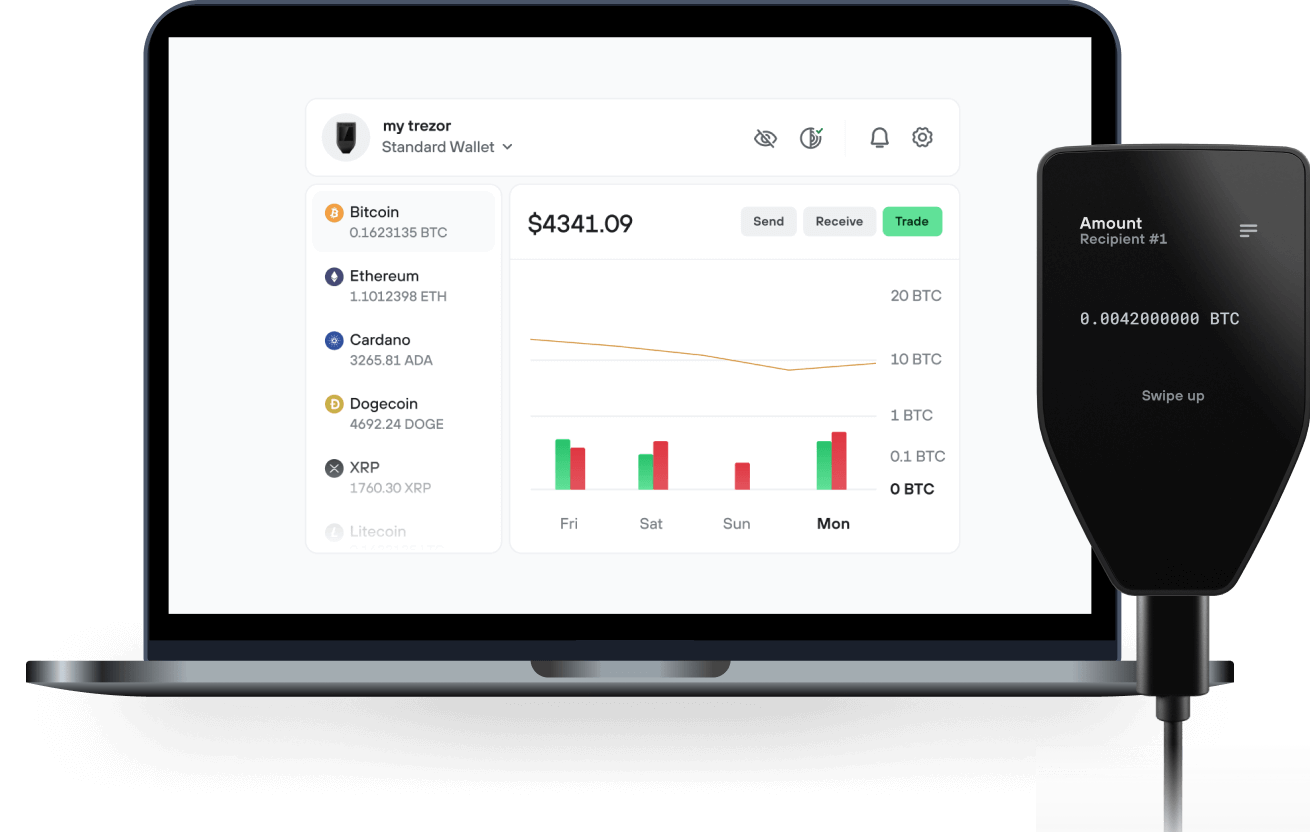
Envoyez et recevez vos NONOS avec l'application Trezor Suite

Envoyer et recevoir
Portefeuilles matériels Trezor qui supportent NONOS
Synchronisez votre Trezor avec des applications de portefeuille
Gérez vos NONOS avec votre portefeuille matériel Trezor synchronisé avec plusieurs applications de portefeuilles.
Trezor Suite
MetaMask
Rabby
NONOS Réseau supporté
Pourquoi un portefeuille matériel ?
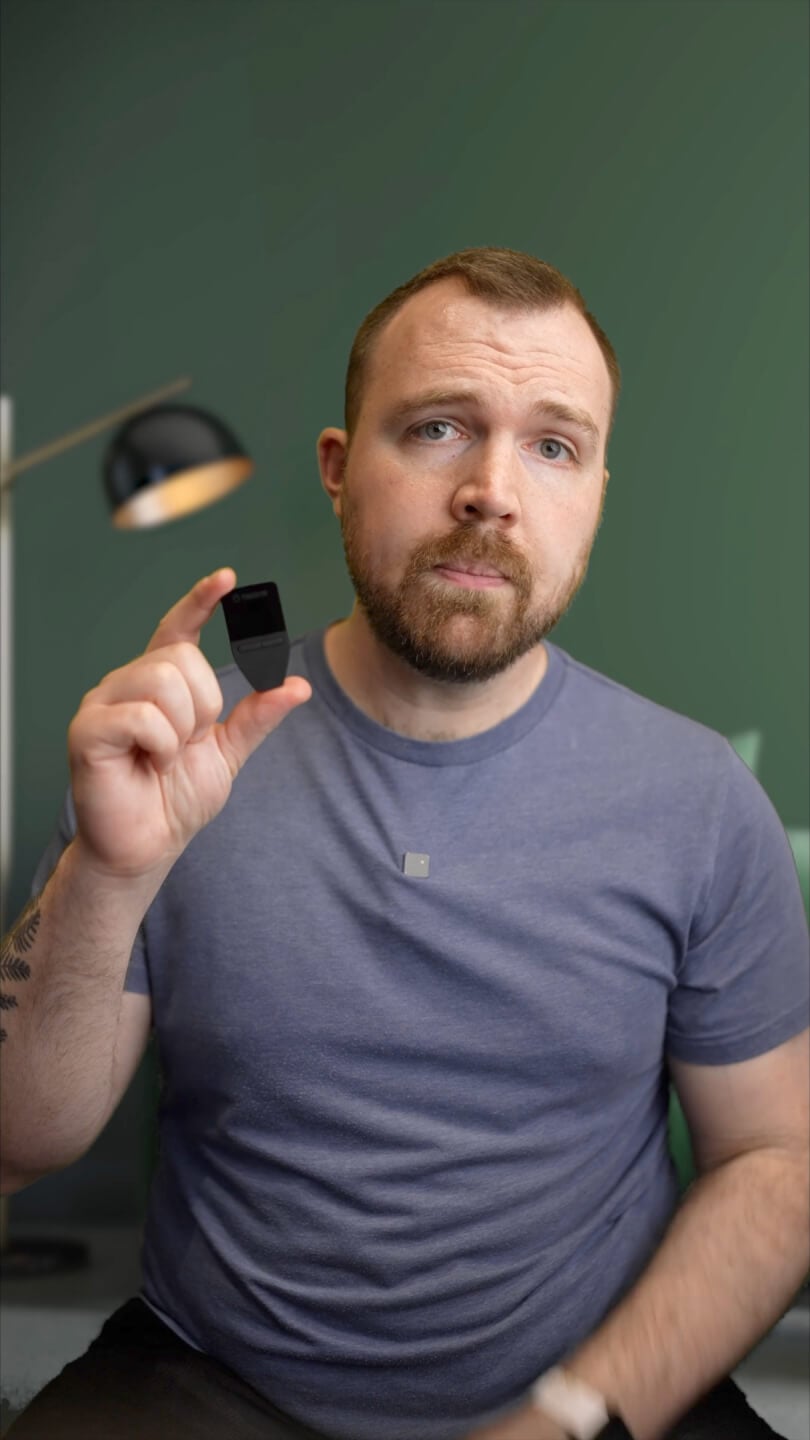
Allez hors ligne avec Trezor
- Vous possédez 100% de vos cryptos
- Votre portefeuille est 100% sécurisé hors ligne
- Vos données sont 100 % anonymes
- Vos cryptos ne dépendent d’aucune entreprise
Échanges en ligne
- Si un échange échoue, vous perdez vos cryptos
- Les échanges sont des cibles pour les pirates
- Vos données personnelles peuvent être exposées
- Vous ne possédez pas réellement vos cryptos
Comment utiliser NOX sur Trezor
Connectez votre Trezor
Ouvrez une application de portefeuille tierce
Gérez vos actifs
Profitez pleinement de votre NOX
Trezor garde vos NOX en sécurité
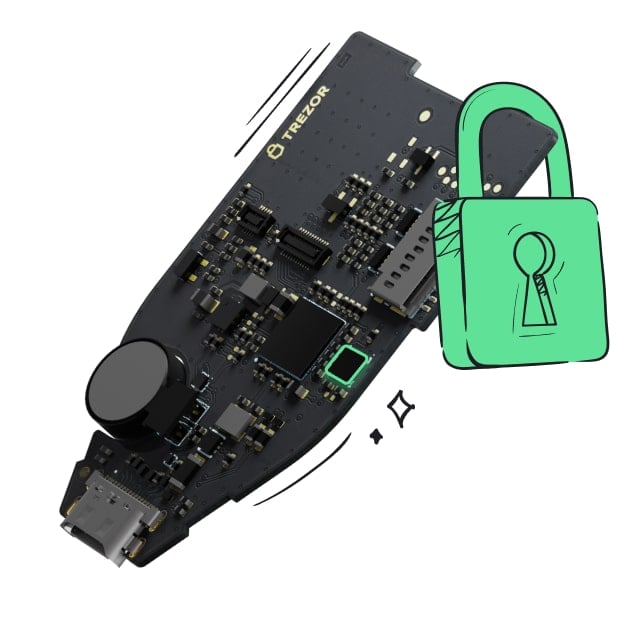 Protégé par Élément Sécurisé
La meilleure défense contre les menaces en ligne et hors ligne
 Vos jetons, votre contrôle
Contrôle absolu de chaque transaction avec confirmation sur l'appareil
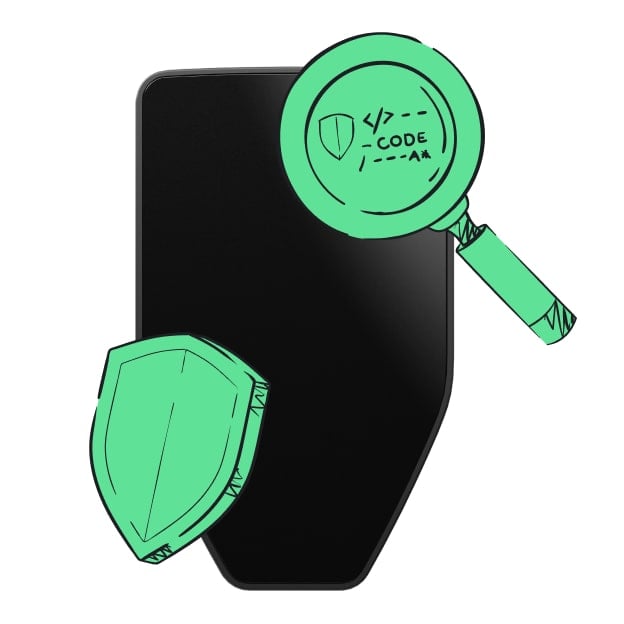 La sécurité commence par l'open source
Le design de portefeuille transparent rend votre Trezor meilleur et plus sûr
 Sauvegarde de portefeuille claire et simple
Récupérez l’accès à vos actifs digitaux avec un nouveau standard de sauvegarde
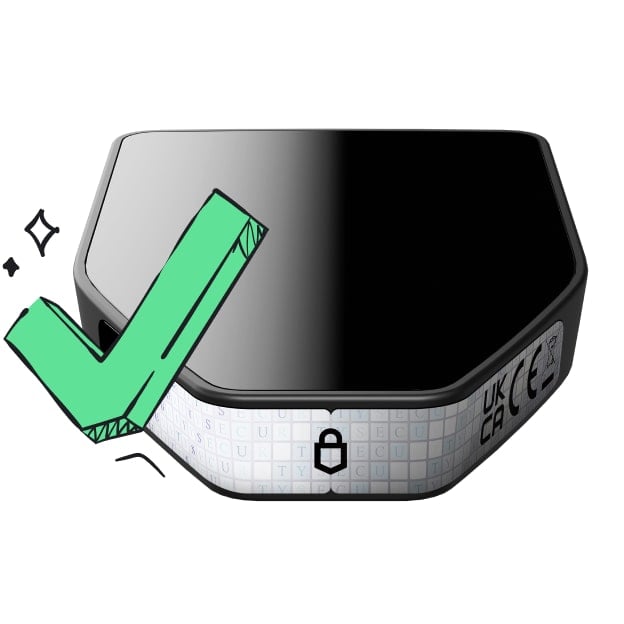 Confiance depuis le premier jour
Les sceaux de sécurité sur l’emballage et l’appareil protègent l’intégrité de votre Trezor
NØNOS is an operating system built around privacy at the level of the kernel. Its design position is that a program is owed nothing and receives only what it has been explicitly granted.
The kernel is a microkernel with capability-based security. The component that grants and checks authority is under four thousand lines and is formally verified: the Rust is translated into Lean 4 by Charon and Aeneas, and the model is machine-checked to refine the extracted code, so the theorem covers the capability system as it ships.
Every program runs as a capsule, signed and started with exactly the permissions declared in its manifest, checked at spawn against the ceiling carried in its certificate. A capsule granted no network capability has no route to the network, no interface through which to request one, and no consent dialog through which a user can be persuaded to provide one. There is no root account and no administrator, so there is no authority to escalate toward.
Device drivers, the TCP/IP stack, the display server, the browser and the wallet/apps all run as capsules outside the kernel. Roughly 600k + lines of the system hold no privilege and have no path into the kernel address space.
The system is RAM-resident. After shutdown no logs, caches, browsing history or device identity remain on the machine. Network traffic leaves through an onion mixnet implemented inside the kernel with a fresh key agreement at every hop. Nothing executes unproved. The bootloader verifies the kernel under two independent signature schemes, one of them post-quantum, then checks the kernel own STARK proof against a root compiled into the bootloader. Each capsules proof is verified before its image is mapped, and a missing or invalid proof means the capsule does not run. The proving system is the project own transparent STARK over the Goldilocks field, requiring no trusted setup and no pairing-based cryptography. That same prover settles NOX Shield, a private transfer protocol verified on Ethereum by a Solidity contract. NOX is the ecosystem ERC-20 token on Ethereum.