Safe & secure up wallet
Take control of your up assets with complete confidence in the Trezor ecosystem.
- Secured by your hardware wallet
- Use with compatible hot wallets
- Trusted by over 2 million customers
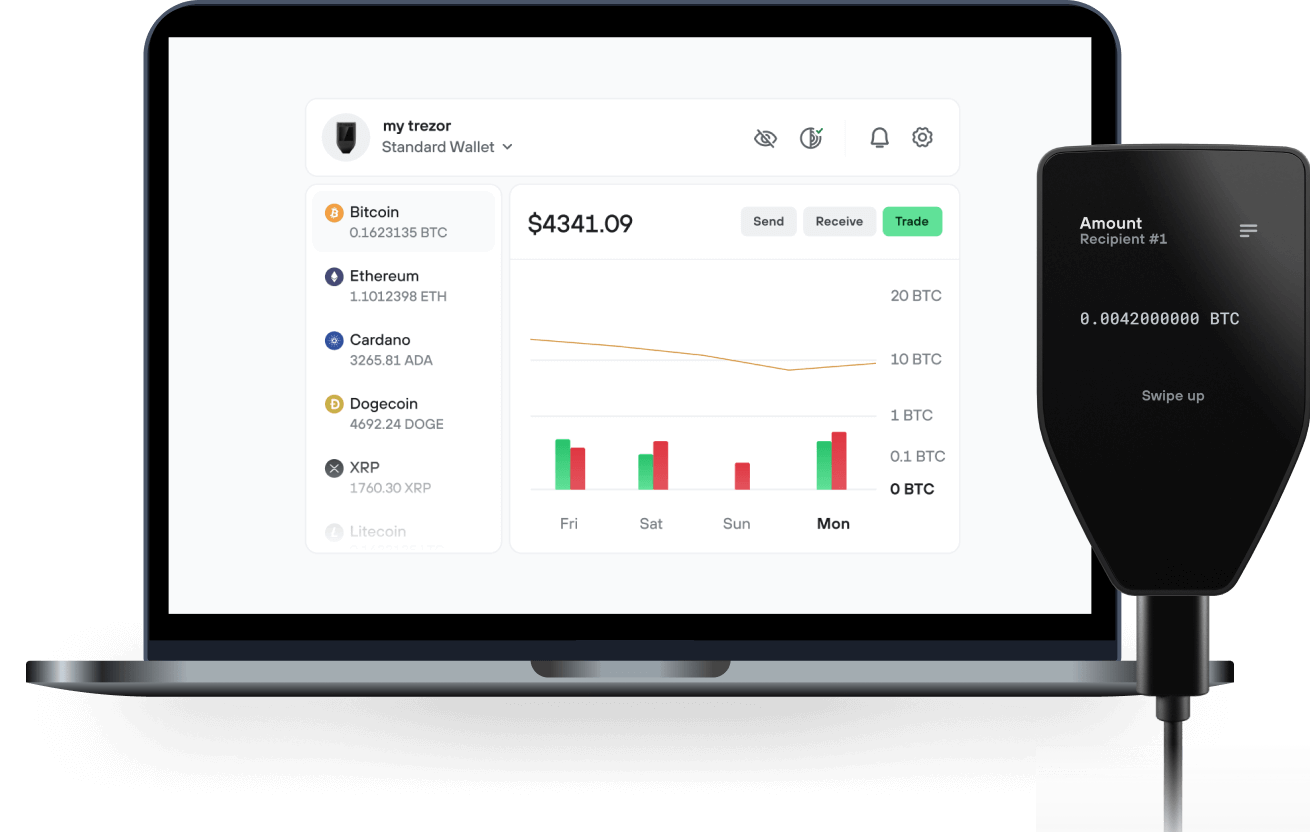
Send & receive your up with the Trezor Suite app

Send & receive
Trezor hardware wallets that support up
Sync your Trezor with wallet apps
Manage your up with your Trezor hardware wallet synced with several wallet apps.
Trezor Suite
MetaMask
Rabby
Supported up Network
Why a hardware wallet?

Go offline with Trezor
- You own 100% of your coins
- Your wallet is 100% safe offline
- Your data is 100% anonymous
- Your coins aren’t tied to any company
Online exchanges
- If an exchange fails, you lose your coins
- Exchanges are targets for hackers
- Your personal data may be exposed
- You don’t truly own your coins
How to UP on Trezor
Connect your Trezor
Open a third-party wallet app
Manage your assets
Make the most of your UP
Trezor keeps your UP secure
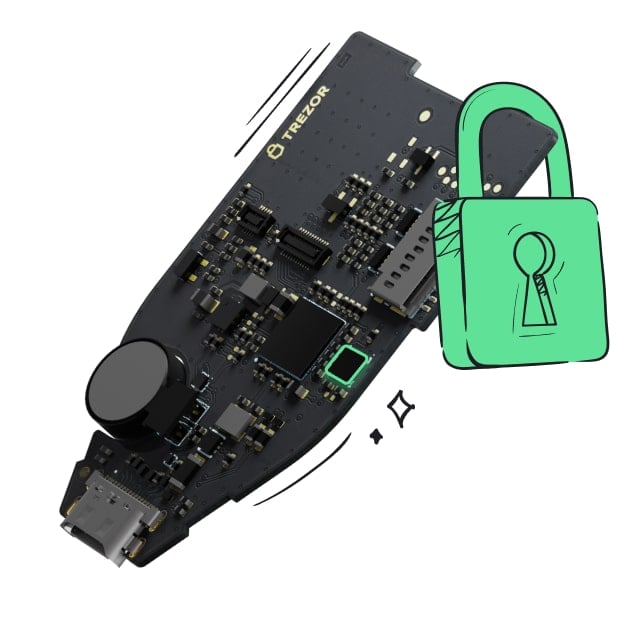 Protected by Secure Element
The best defense against both online and offline threats
 Your tokens, your control
Absolute control of every transaction with on-device confirmation
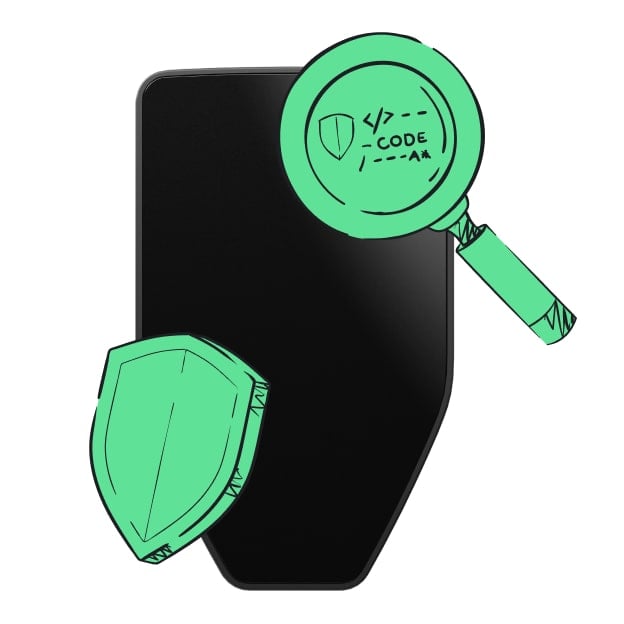 Security starts with open-source
Transparent wallet design makes your Trezor better and safer
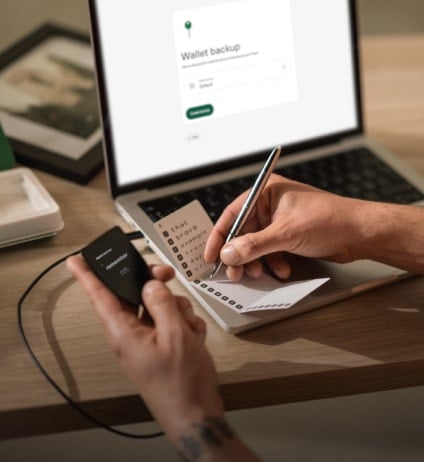 Clear & simple wallet backup
Recover access to your digital assets with a new backup standard
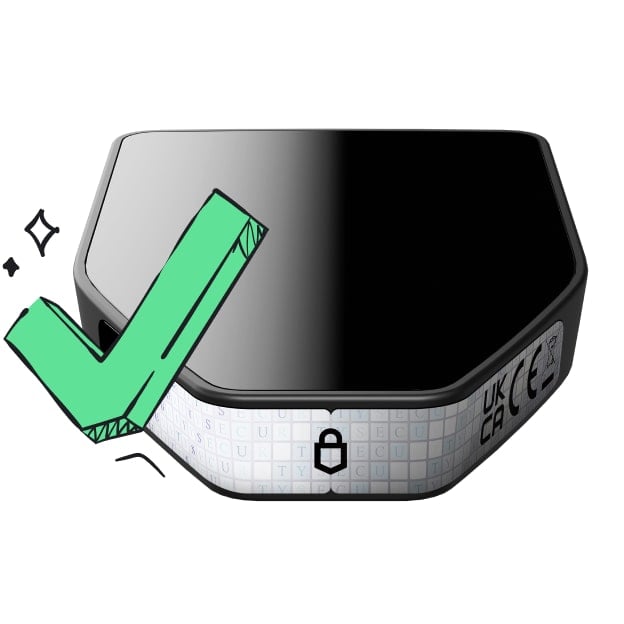 Confidence from day one
Packaging & device security seals protect your Trezor’s integrity
up. is a decentralized exchange and liquidity marketplace on Robinhood Chain, an Arbitrum Nitro-based Ethereum Layer 2. The protocol implements a vote-escrow ve(3,3) model based on the Velodrome v2 and Slipstream architectures, and its contracts are immutable and verified on the Robinhood Chain block explorer. The exchange runs two pool designs side by side: v2-style pools for volatile and stable pairs, and concentrated-liquidity pools. A single router quotes both designs and routes each swap through the path with the best execution. UP is the liquid ERC-20 token paid out as emissions, and locking UP for up to four years, or permanently, mints veUP, an NFT position that carries voting power. Each seven-day epoch, veUP holders vote to direct UP emissions across liquidity-pool gauges. Voters receive 100% of protocol trading fees and any third-party incentives on the pools they support, while liquidity providers who stake in gauges earn the emissions.