Safe & secure UNITY wallet
Use the security of your Trezor hardware wallet to safely manage your UNITY.
- Secured by your hardware wallet
- Trusted by over 2 million customers
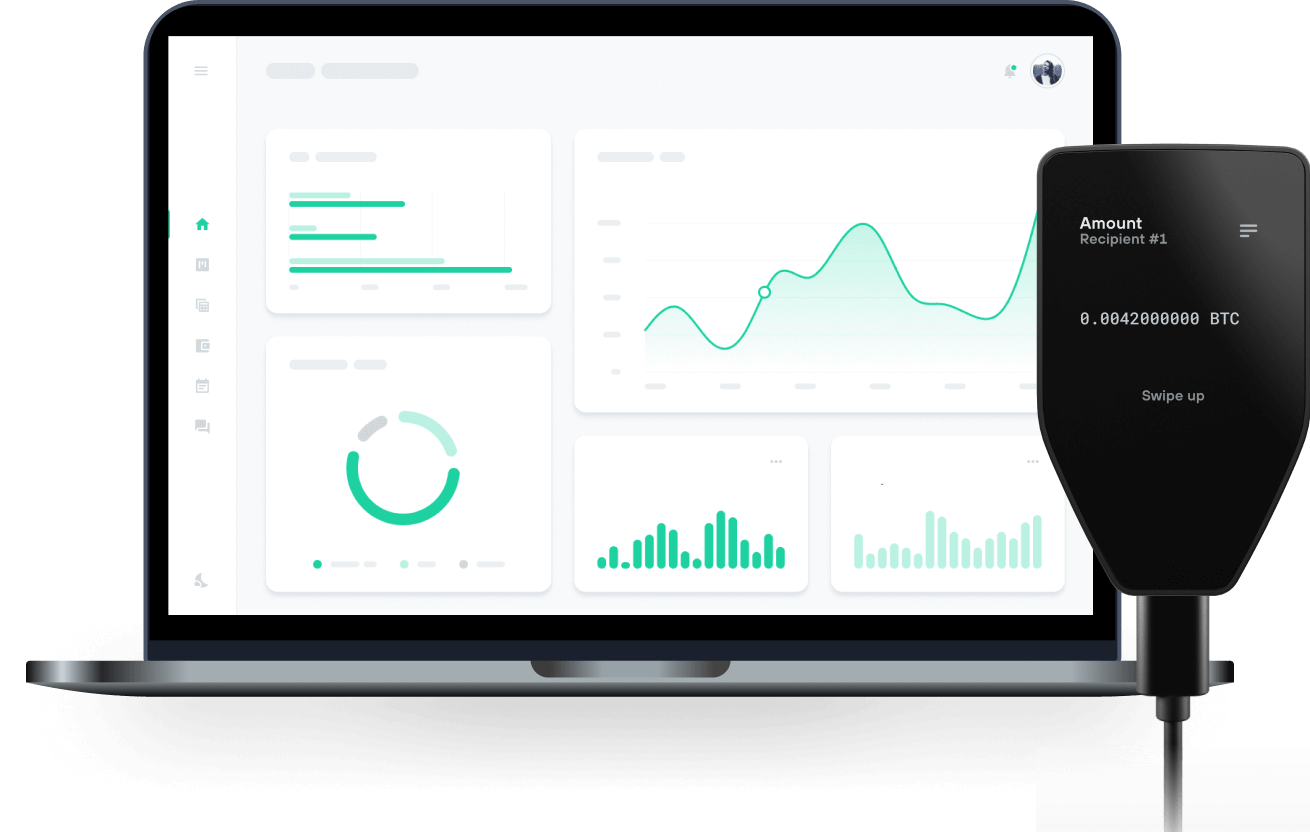
Send & receive your UNITY with Trezor Hardware wallets

Send & receive
Trezor hardware wallets that support UNITY
Sync your Trezor with wallet apps
Manage your UNITY with your Trezor hardware wallet synced with several wallet apps.
MetaMask
Rabby
Supported UNITY Network
Why a hardware wallet?
Go offline with Trezor
- You own 100% of your coins
- Your wallet is 100% safe offline
- Your data is 100% anonymous
- Your coins aren’t tied to any company
Online exchanges
- If an exchange fails, you lose your coins
- Exchanges are targets for hackers
- Your personal data may be exposed
- You don’t truly own your coins
How to UNITY on Trezor
Connect your Trezor
Open a third-party wallet app
Manage your assets
Make the most of your UNITY
Trezor keeps your UNITY secure
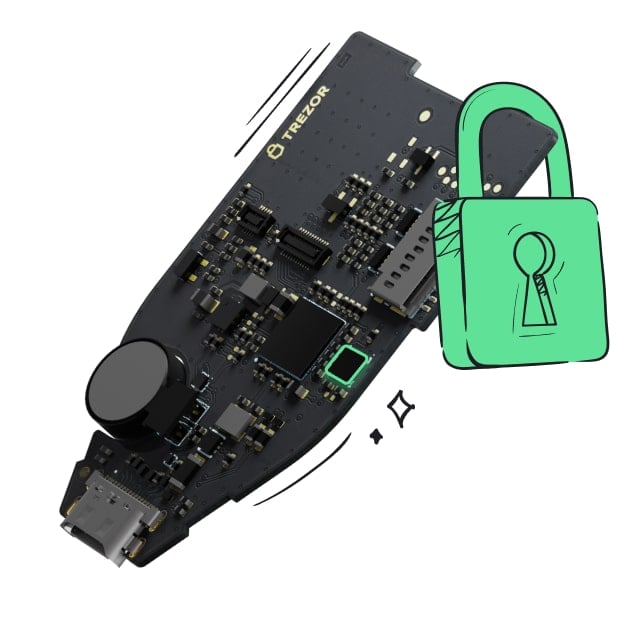 Protected by Secure Element
The best defense against both online and offline threats
 Your tokens, your control
Absolute control of every transaction with on-device confirmation
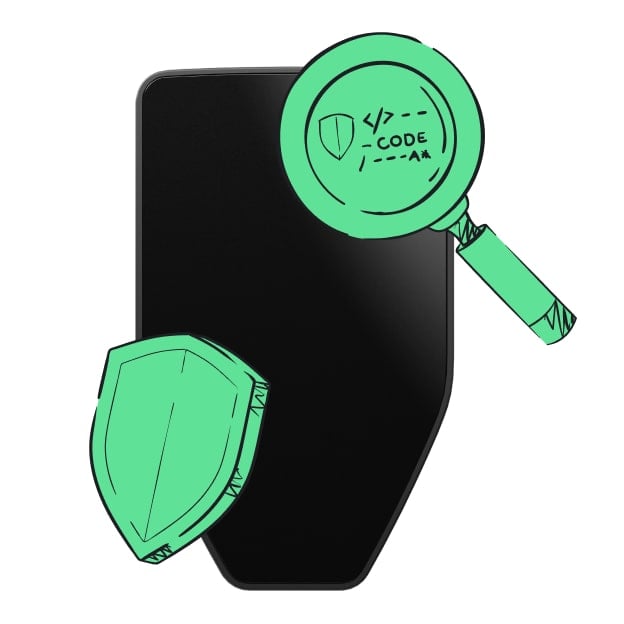 Security starts with open-source
Transparent wallet design makes your Trezor better and safer
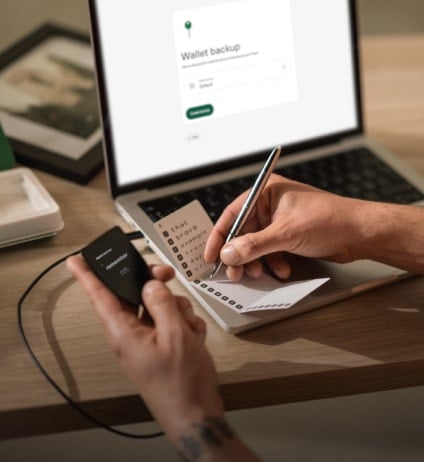 Clear & simple wallet backup
Recover access to your digital assets with a new backup standard
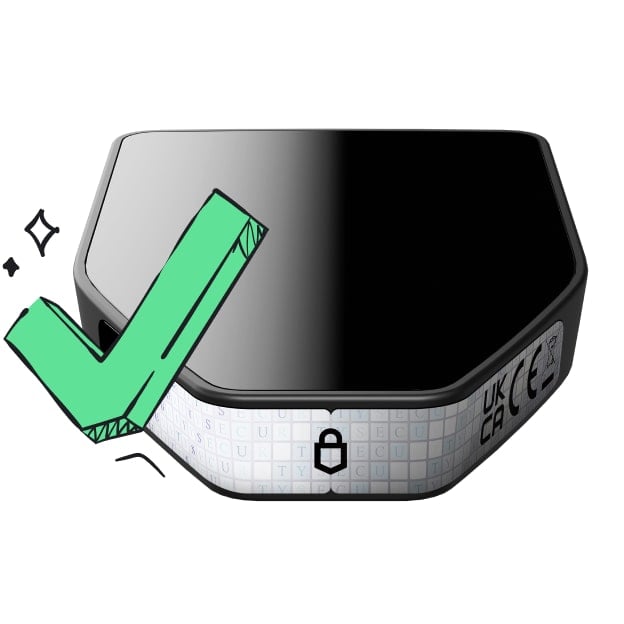 Confidence from day one
Packaging & device security seals protect your Trezor’s integrity
UNITY is a deflationary DeFi protocol deployed on PulseChain that enables participants to earn daily token rewards through two mechanisms: Creating and Staking. Creating involves depositing PLSX or PLS to generate UNITY tokens plus a share of daily pool emissions over a chosen duration of 1 to 88 days. Staking involves locking existing UNITY tokens to compete for the same daily pool emissions. Both actions earn shares in the UNITY Pool, with share count determined by token amount multiplied by duration squared. Daily emissions begin at 100,000 UNITY and decrease by 0.08% per day in perpetuity. An automated BuyAndProcess contract executes Buy and Burn intervals using incoming PLSX and PLS — 84% of deposits are used to purchase UNITY from the open market and permanently destroy it, while 8% builds protocol-owned liquidity. All contracts are immutable with no admin keys and no upgrade mechanisms.