Safe & secure Ignis wallet
Use the security of your Trezor hardware wallet to safely manage your Ignis.
- Secured by your hardware wallet
- Trusted by over 2 million customers
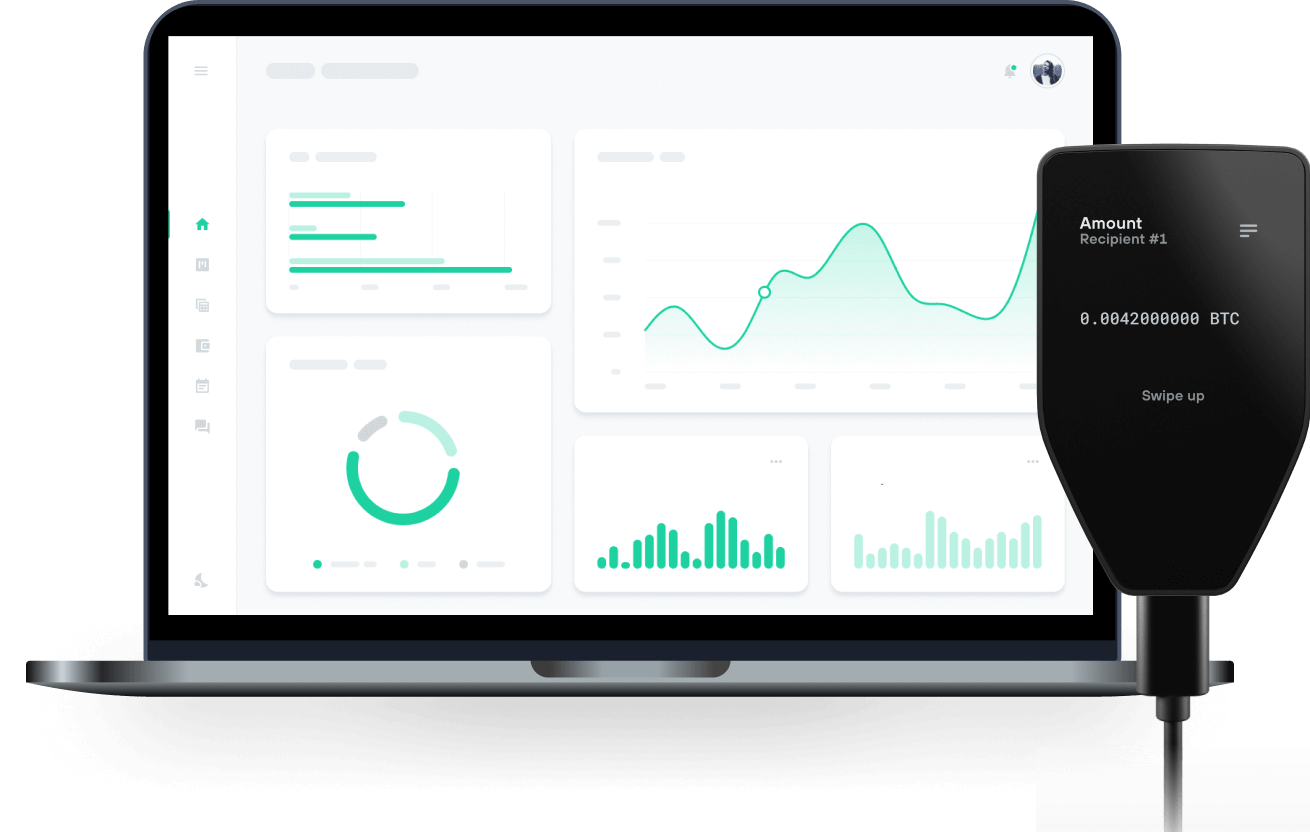
Send & receive your Ignis with Trezor Hardware wallets

Send & receive
Trezor hardware wallets that support Ignis
Sync your Trezor with wallet apps
Manage your Ignis with your Trezor hardware wallet synced with several wallet apps.
MetaMask
Rabby
Supported Ignis Network
Why a hardware wallet?

Go offline with Trezor
- You own 100% of your coins
- Your wallet is 100% safe offline
- Your data is 100% anonymous
- Your coins aren’t tied to any company
Online exchanges
- If an exchange fails, you lose your coins
- Exchanges are targets for hackers
- Your personal data may be exposed
- You don’t truly own your coins
How to IGN on Trezor
Connect your Trezor
Open a third-party wallet app
Manage your assets
Make the most of your IGN
Trezor keeps your IGN secure
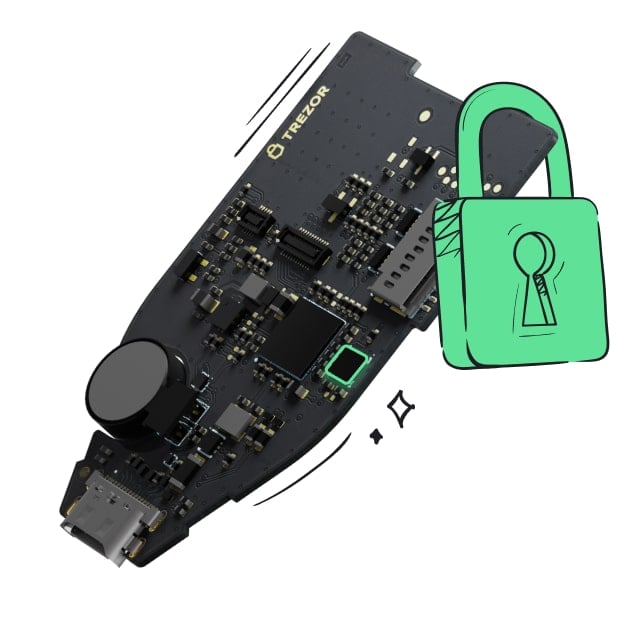 Protected by Secure Element
The best defense against both online and offline threats
 Your tokens, your control
Absolute control of every transaction with on-device confirmation
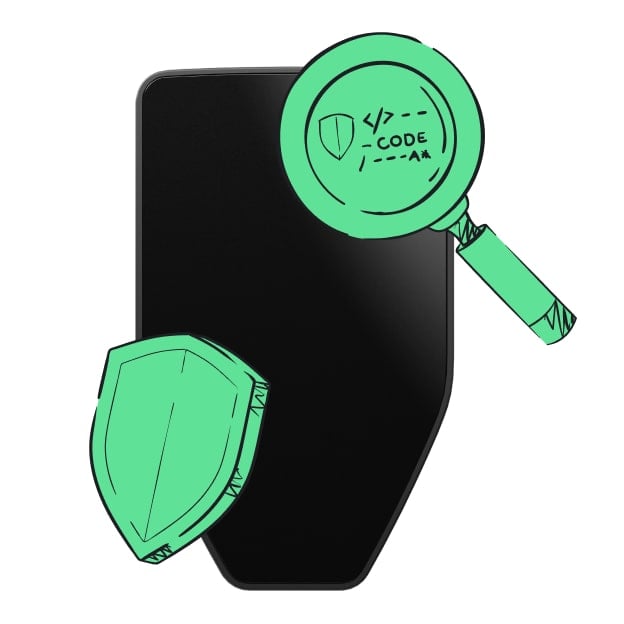 Security starts with open-source
Transparent wallet design makes your Trezor better and safer
 Clear & simple wallet backup
Recover access to your digital assets with a new backup standard
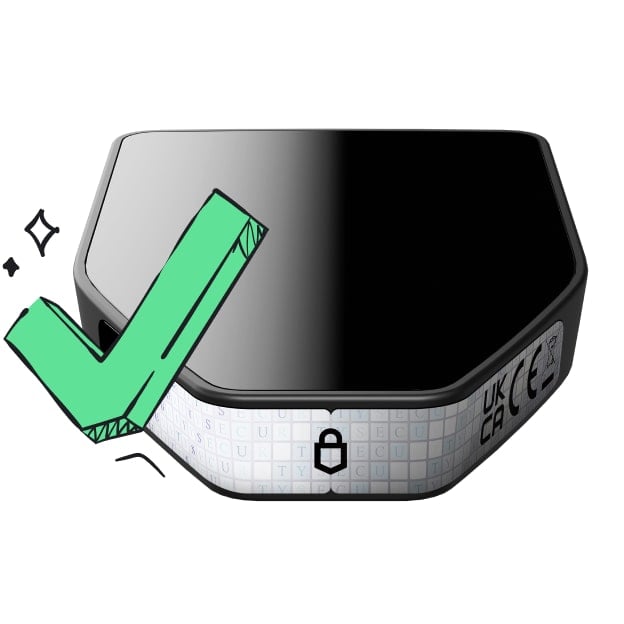 Confidence from day one
Packaging & device security seals protect your Trezor’s integrity
Ignis (IGN) is a deflationary token deployed on the Monad blockchain. The protocol is built around two fully permissionless, immutable on-chain mechanics: igniteBurn() and forgeStability(). igniteBurn() can be called by any wallet once a dynamic cooldown elapses — each call removes 0.5% of remaining PancakeSwap V3 liquidity and permanently destroys the IGN received, reducing circulating supply forever. forgeStability() runs on a 1-hour cooldown and collects accumulated LP swap fees, executing a 3-round buy/sell loop against the pool. The protocol operates in three phases tied to supply burned: Early Game (0–24%), Mid Game (25–49%), and Late Game (50–89%), after which burns permanently cease. No admin key exists, no pause function, and no upgradeable proxy — all mechanics are enforced entirely on-chain.