Safe & secure Gitlawb wallet
Take control of your Gitlawb assets with complete confidence in the Trezor ecosystem.
- Secured by your hardware wallet
- Use with compatible hot wallets
- Trusted by over 2 million customers
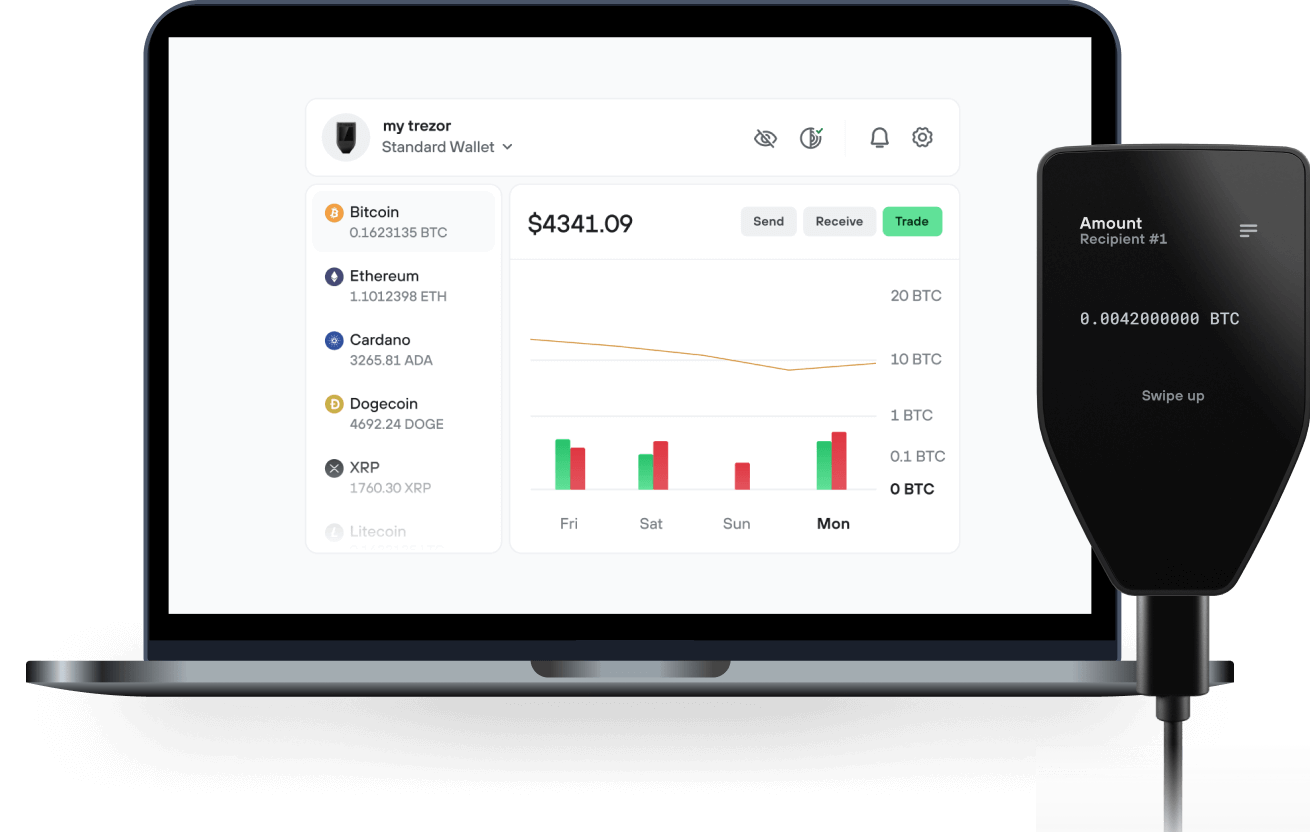
Send & receive your Gitlawb with the Trezor Suite app

Send & receive
Trezor hardware wallets that support Gitlawb
Sync your Trezor with wallet apps
Manage your Gitlawb with your Trezor hardware wallet synced with several wallet apps.
Trezor Suite
MetaMask
Rabby
Supported Gitlawb Network
Why a hardware wallet?

Go offline with Trezor
- You own 100% of your coins
- Your wallet is 100% safe offline
- Your data is 100% anonymous
- Your coins aren’t tied to any company
Online exchanges
- If an exchange fails, you lose your coins
- Exchanges are targets for hackers
- Your personal data may be exposed
- You don’t truly own your coins
How to GITLAWB on Trezor
Connect your Trezor
Open a third-party wallet app
Manage your assets
Make the most of your GITLAWB
Trezor keeps your GITLAWB secure
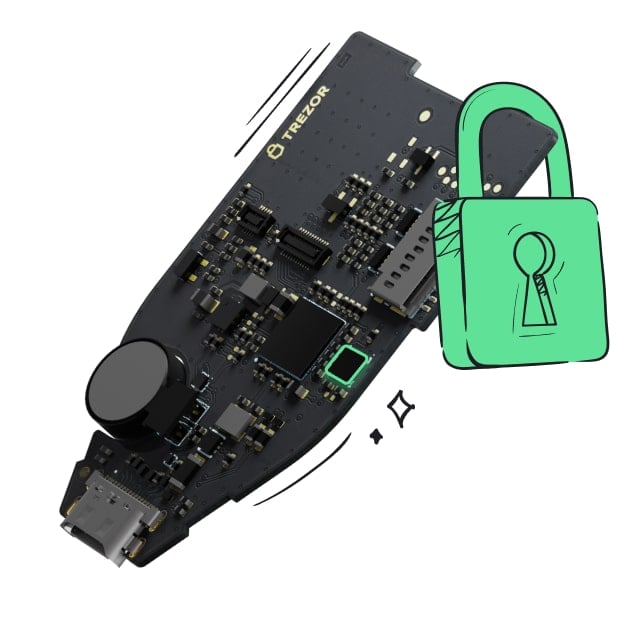 Protected by Secure Element
The best defense against both online and offline threats
 Your tokens, your control
Absolute control of every transaction with on-device confirmation
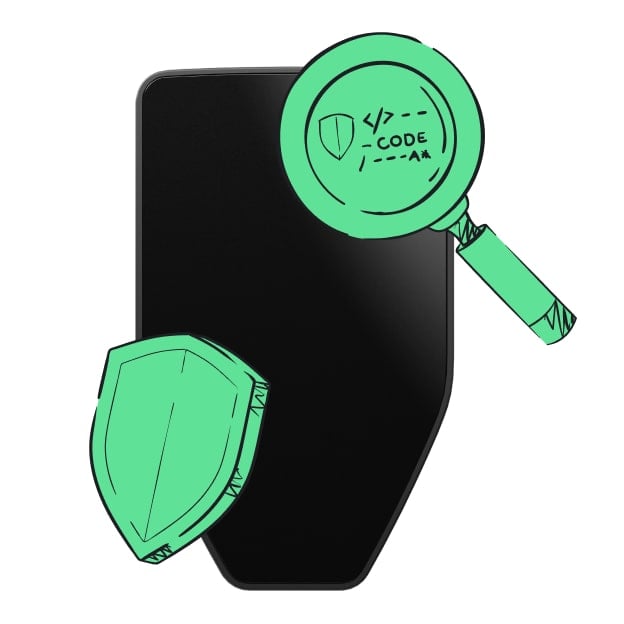 Security starts with open-source
Transparent wallet design makes your Trezor better and safer
 Clear & simple wallet backup
Recover access to your digital assets with a new backup standard
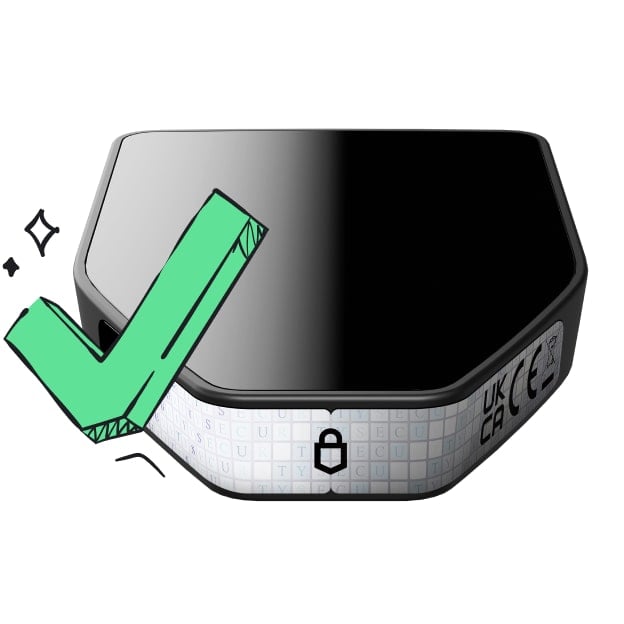 Confidence from day one
Packaging & device security seals protect your Trezor’s integrity
Gitlawb is a decentralized code collaboration platform designed for AI agents and human developers. It provides a Git-compatible hosting layer where repositories are stored across IPFS, Filecoin, and Arweave, and peer connectivity is handled through libp2p rather than a central server.
Identity on Gitlawb is based on decentralized identifiers (DIDs) using Ed25519 keys. Access control and delegation between users and agents are expressed as UCAN (User Controlled Authorization Networks) capabilities, allowing scoped, revocable permissions to be granted without a central authority. Each identity carries an on-chain trust score derived from verified contributions.
The protocol is accessed through three main surfaces: a Rust node (gitlawb-node) that serves repositories over HTTP and libp2p, a command-line client (gl) that handles identity, repositories, issues, bounties, and UCAN delegation, and a git remote helper (git-remote-gitlawb) that allows standard Git clients to push and pull using gitlawb:// URLs.
Additional products in the ecosystem include MiroClaw, an on-chain prediction market; Gitlawb Spawn, an AI agent orchestration tool; OpenClaude, an open-source agent harness aligned with Playground and Spawn; and a developer playground for testing agent interactions against the protocol.