Safe & secure dotMath wallet
Take control of your dotMath assets with complete confidence in the Trezor ecosystem.
- Secured by your hardware wallet
- Use with compatible hot wallets
- Trusted by over 2 million customers
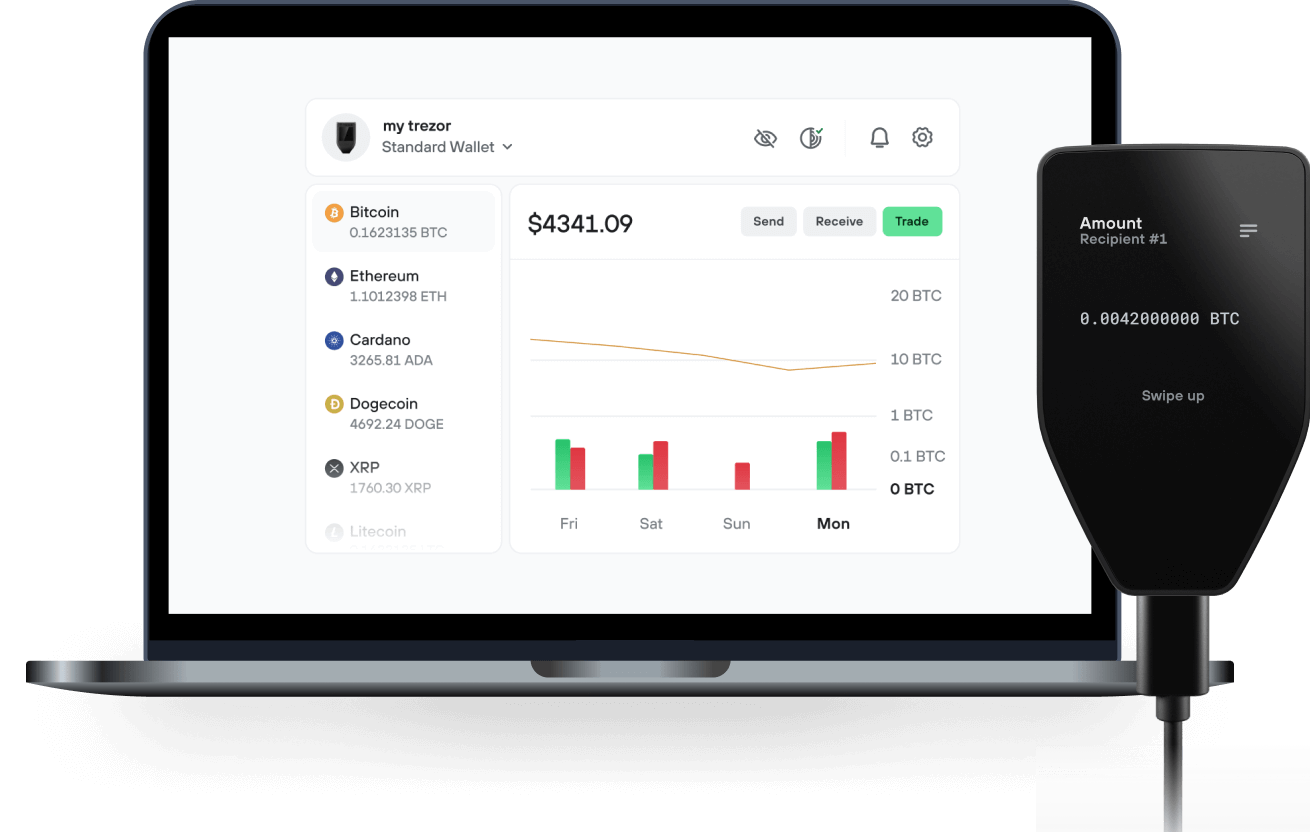
Send & receive your dotMath with the Trezor Suite app

Send & receive
Trezor hardware wallets that support dotMath
Sync your Trezor with wallet apps
Manage your dotMath with your Trezor hardware wallet synced with several wallet apps.
Trezor Suite
MetaMask
Rabby
Supported dotMath Network
Why a hardware wallet?
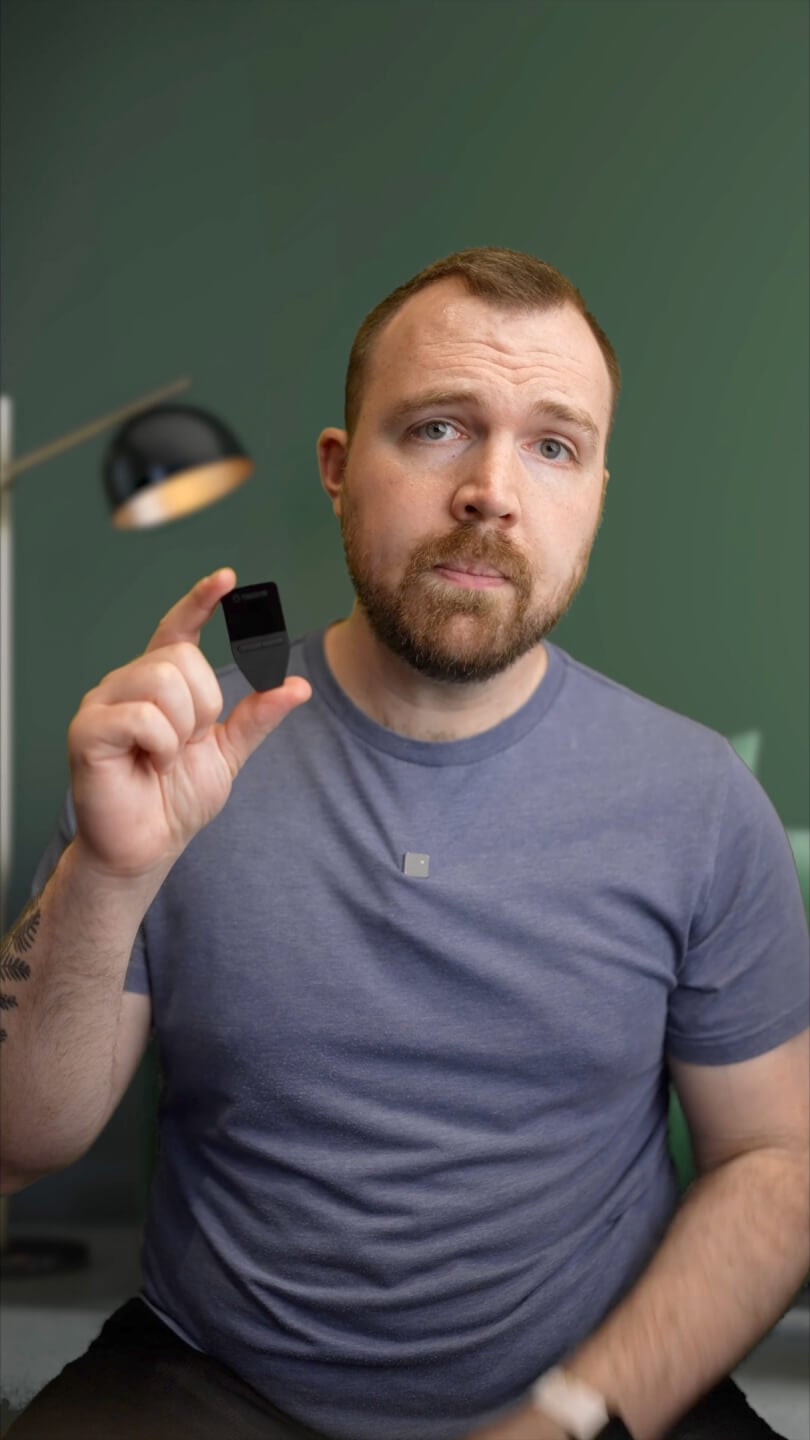
Go offline with Trezor
- You own 100% of your coins
- Your wallet is 100% safe offline
- Your data is 100% anonymous
- Your coins aren’t tied to any company
Online exchanges
- If an exchange fails, you lose your coins
- Exchanges are targets for hackers
- Your personal data may be exposed
- You don’t truly own your coins
How to DOTMATH on Trezor
Connect your Trezor
Open a third-party wallet app
Manage your assets
Make the most of your DOTMATH
Trezor keeps your DOTMATH secure
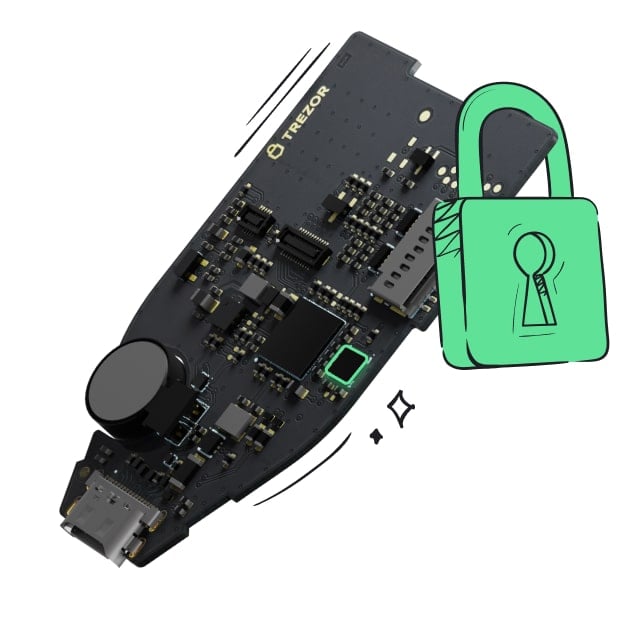 Protected by Secure Element
The best defense against both online and offline threats
 Your tokens, your control
Absolute control of every transaction with on-device confirmation
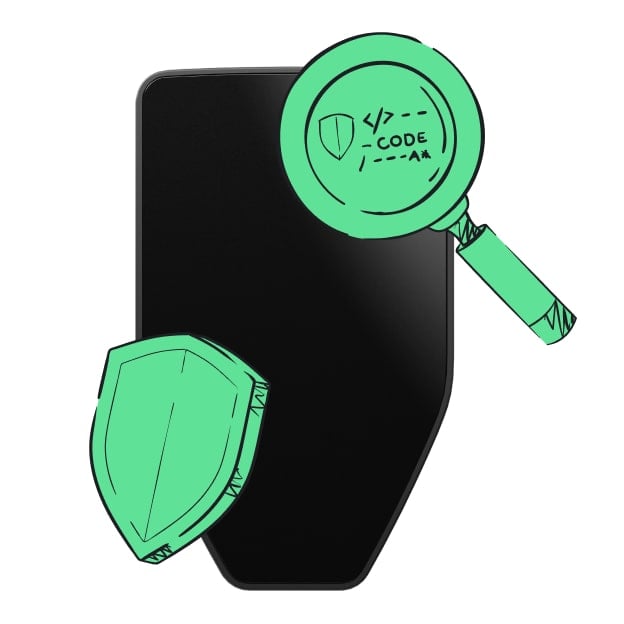 Security starts with open-source
Transparent wallet design makes your Trezor better and safer
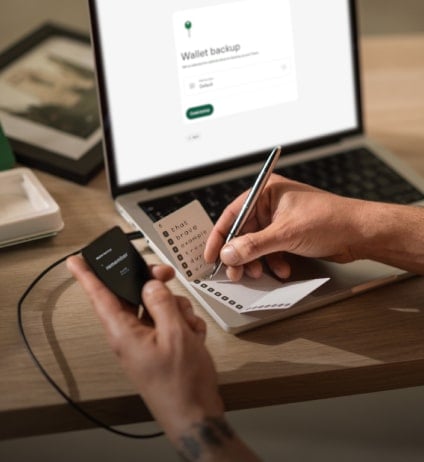 Clear & simple wallet backup
Recover access to your digital assets with a new backup standard
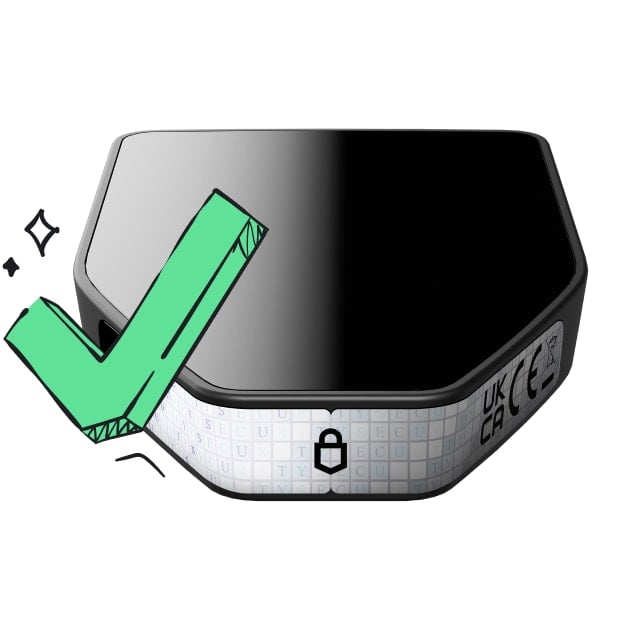 Confidence from day one
Packaging & device security seals protect your Trezor’s integrity
dotMath (DOTMATH) is a proof-of-work token deployed on Robinhood Chain, an Ethereum layer-2 network. It was launched through the Pons v2 launchpad with a fixed supply of 1,000,000,000 tokens and no mint function.
The project's central mechanism is that mining rewards are denominated in a different asset from the token being mined. Fees generated by the token are split in two: one half is burned by sending it to a null address, and the other half is distributed to miners as tokenized NVIDIA Corporation common stock (NVDA), an asset issued on Robinhood Chain. Because the reward is paid in an external asset rather than in newly issued DOTMATH, mining does not increase the token's supply.
Mining is performed in a web browser. A mining pool issues each participant a randomly generated seed, and the participant's machine searches for a nonce such that the keccak256 hash of 84 bytes — the seed, the miner's address, and the nonce — falls below a target value. Submitted nonces are re-hashed by the pool before a share is credited, so accepted work is verified server-side rather than reported by the client. Shares accrue to a miner's address in proportion to the work submitted during each round, and payouts are sent automatically on a fixed schedule without requiring a claim transaction or a signature from the miner.
Payouts are ordinary on-chain transfers. The wallet that distributes them is published by the project, and each payout can be independently verified on the Robinhood Chain block explorer. The token contract is verified on Blockscout.
dotMath is not affiliated with, sponsored by, or endorsed by NVIDIA Corporation. NVDA is referenced only as the asset in which mining rewards are denominated.