Safe & secure Cra Agent wallet
Use the security of your Trezor hardware wallet to safely manage your Cra Agent.
- Secured by your hardware wallet
- Trusted by over 2 million customers
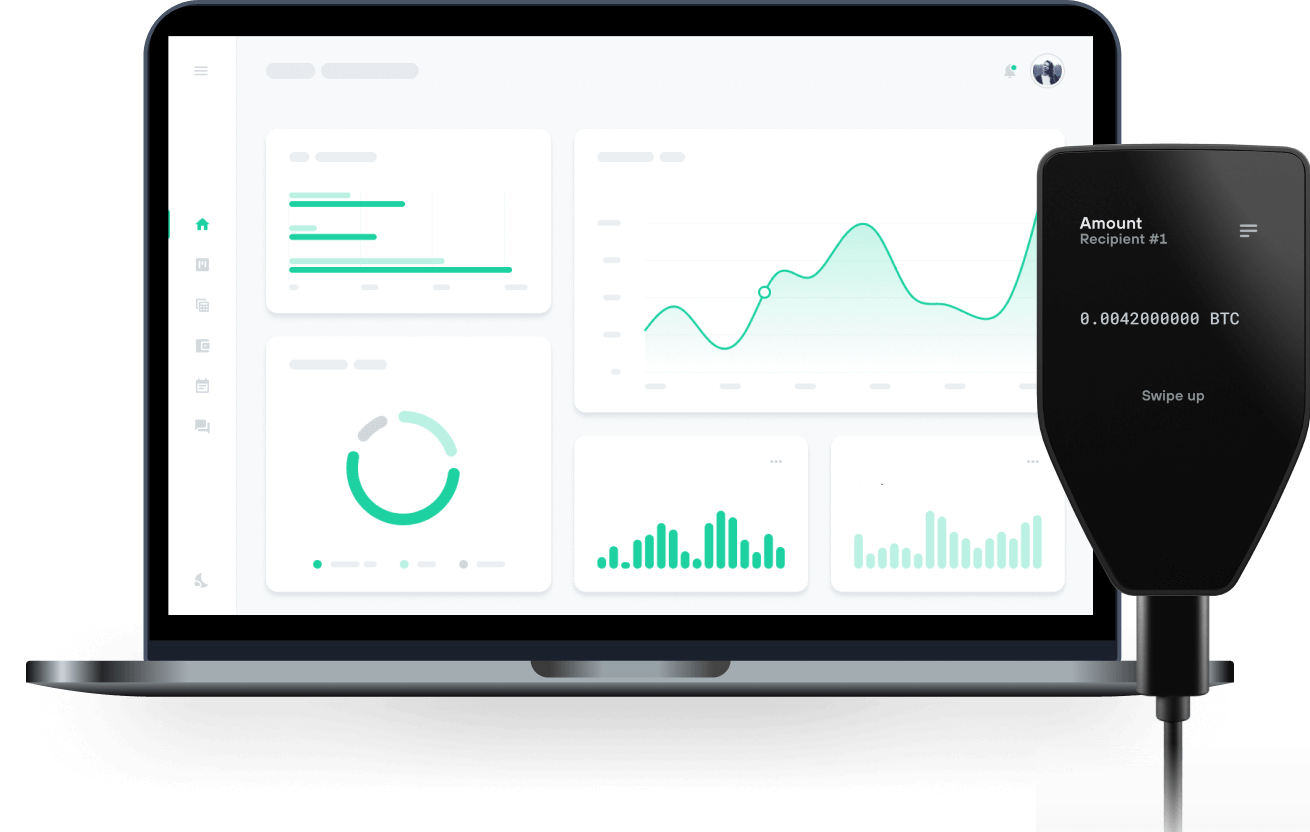
Send & receive your Cra Agent with Trezor Hardware wallets

Send & receive
Trezor hardware wallets that support Cra Agent
Sync your Trezor with wallet apps
Manage your Cra Agent with your Trezor hardware wallet synced with several wallet apps.
MetaMask
Rabby
Supported Cra Agent Network
Why a hardware wallet?

Go offline with Trezor
- You own 100% of your coins
- Your wallet is 100% safe offline
- Your data is 100% anonymous
- Your coins aren’t tied to any company
Online exchanges
- If an exchange fails, you lose your coins
- Exchanges are targets for hackers
- Your personal data may be exposed
- You don’t truly own your coins
How to CRA on Trezor
Connect your Trezor
Open a third-party wallet app
Manage your assets
Make the most of your CRA
Trezor keeps your CRA secure
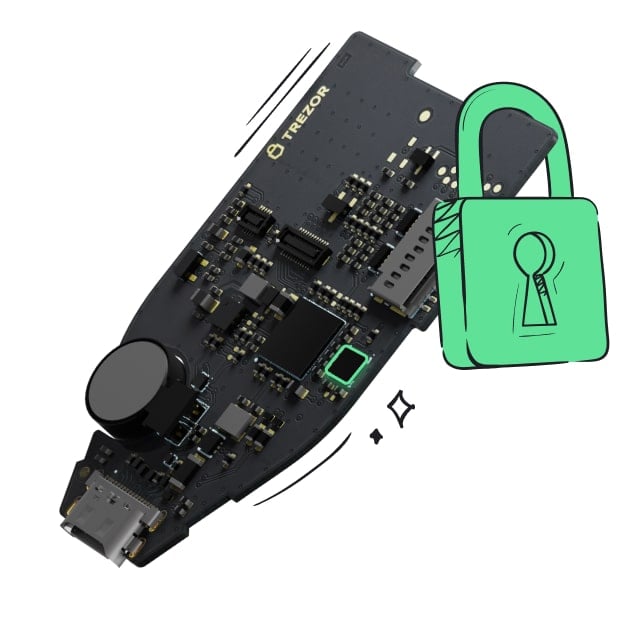 Protected by Secure Element
The best defense against both online and offline threats
 Your tokens, your control
Absolute control of every transaction with on-device confirmation
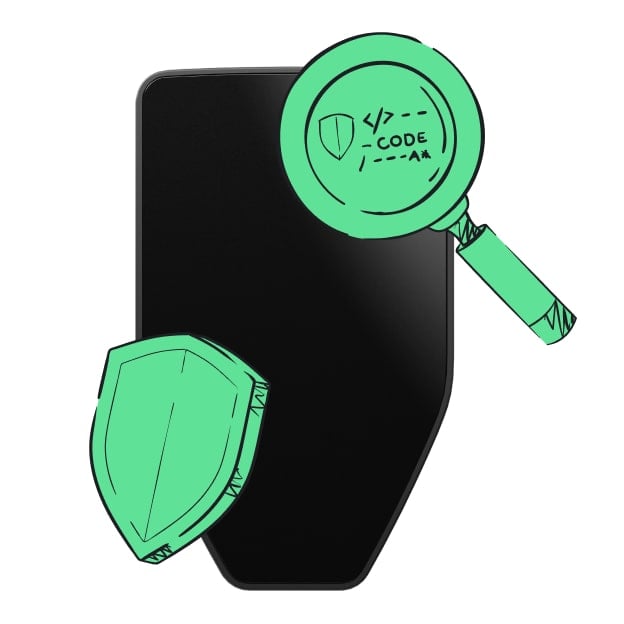 Security starts with open-source
Transparent wallet design makes your Trezor better and safer
 Clear & simple wallet backup
Recover access to your digital assets with a new backup standard
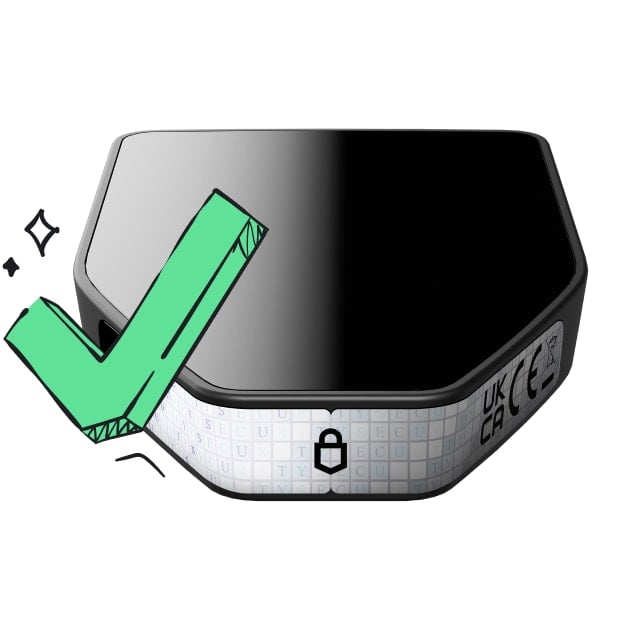 Confidence from day one
Packaging & device security seals protect your Trezor’s integrity
CRA AGENT is an open-source payment rail that lets AI agents pay for the services they use, on Arc, Circle's USDC-native Layer 1. It implements the x402 HTTP payment standard: when an agent requests a paid API and the server answers 402 Payment Required, CRA AGENT reads the price and terms, checks the spending policy configured by the operator, verifies the seller, signs a USDC payment settled by Circle Gateway, retries the request and writes a receipt to a ledger. It ships as an MCP server, so any LLM client can use it as a tool, and as TypeScript libraries published on npm under the MIT license. Two payment rails are supported: gas-free batched nanopayments for pay-per-call APIs, and ERC-8183 escrow for larger jobs with an evaluator. On the selling side, two lines of code put a price on an API route and receive USDC on Arc.