Safe & secure ClawBank wallet
Take control of your ClawBank assets with complete confidence in the Trezor ecosystem.
- Secured by your hardware wallet
- Use with compatible hot wallets
- Trusted by over 2 million customers
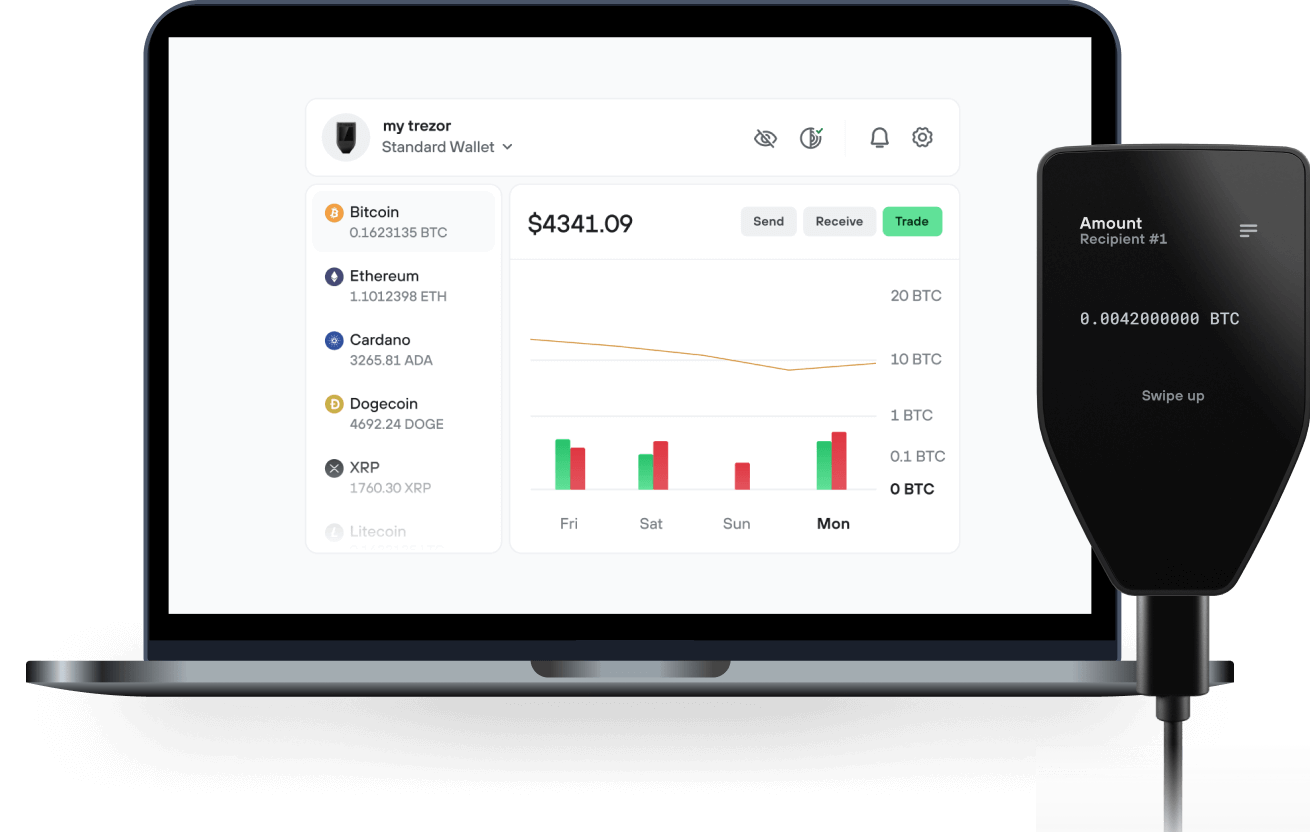
Send & receive your ClawBank with the Trezor Suite app

Send & receive
Trezor hardware wallets that support ClawBank
Sync your Trezor with wallet apps
Manage your ClawBank with your Trezor hardware wallet synced with several wallet apps.
Trezor Suite
MetaMask
Rabby
Supported ClawBank Networks
Why a hardware wallet?
Go offline with Trezor
- You own 100% of your coins
- Your wallet is 100% safe offline
- Your data is 100% anonymous
- Your coins aren’t tied to any company
Online exchanges
- If an exchange fails, you lose your coins
- Exchanges are targets for hackers
- Your personal data may be exposed
- You don’t truly own your coins
How to $CLAWBANK on Trezor
Connect your Trezor
Open a third-party wallet app
Manage your assets
Make the most of your $CLAWBANK
Trezor keeps your $CLAWBANK secure
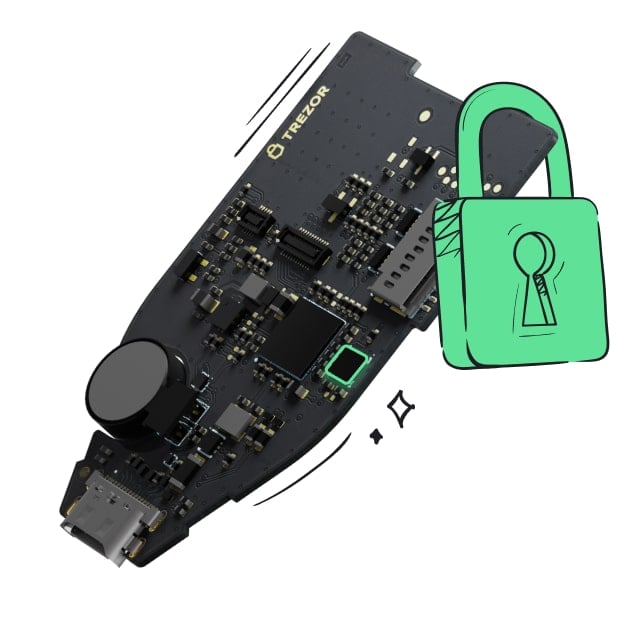 Protected by Secure Element
The best defense against both online and offline threats
 Your tokens, your control
Absolute control of every transaction with on-device confirmation
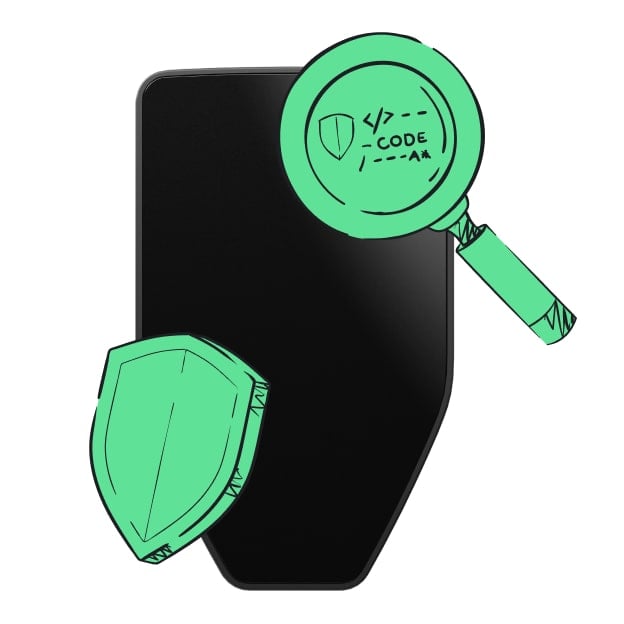 Security starts with open-source
Transparent wallet design makes your Trezor better and safer
 Clear & simple wallet backup
Recover access to your digital assets with a new backup standard
 Confidence from day one
Packaging & device security seals protect your Trezor’s integrity
ClawBank is an infrastructure layer that enables software agents to access financial services through programmable interfaces. It connects traditional fintech systems and onchain assets, allowing agents to hold balances, send and receive payments, and interact with tokenized economies without requiring a user interface. The system integrates third-party providers for account creation, compliance, and fiat-to-crypto conversion, while exposing these capabilities through APIs designed for automated execution. ClawBank focuses on enabling autonomous or semi-autonomous software to participate in economic activity by providing standardized access to banking functions, stablecoins, and payment rails. Its architecture separates regulated services from orchestration logic, acting as a coordination layer rather than a financial intermediary.