Safe & secure Bless wallet
Take control of your Bless assets with complete confidence in the Trezor ecosystem.
- Secured by your hardware wallet
- Use with compatible hot wallets
- Trusted by over 2 million customers
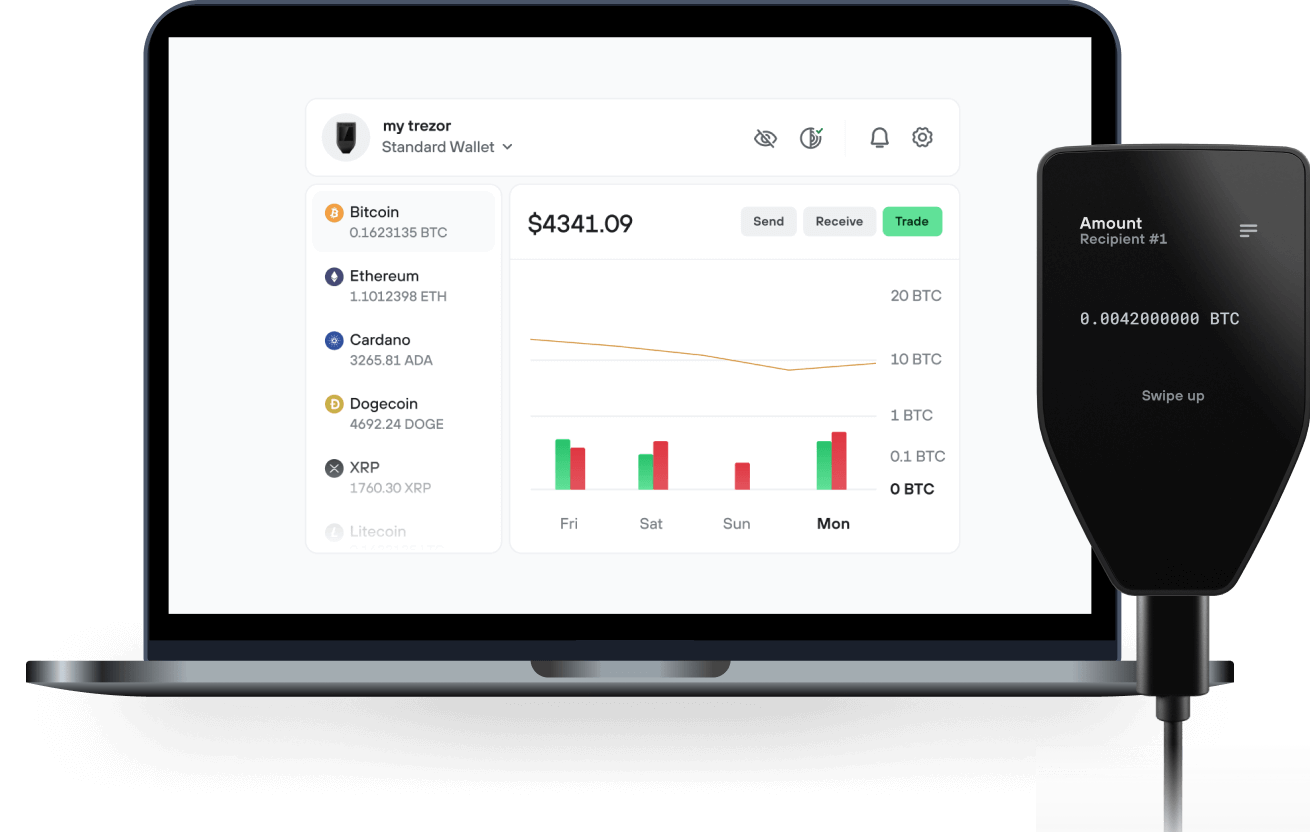
Send & receive your Bless with the Trezor Suite app

Send & receive
Trezor hardware wallets that support Bless
Sync your Trezor with wallet apps
Manage your Bless with your Trezor hardware wallet synced with several wallet apps.
Trezor Suite
MetaMask
Backpack
Rabby
NuFi
Supported Bless Networks
Why a hardware wallet?
Go offline with Trezor
- You own 100% of your coins
- Your wallet is 100% safe offline
- Your data is 100% anonymous
- Your coins aren’t tied to any company
Online exchanges
- If an exchange fails, you lose your coins
- Exchanges are targets for hackers
- Your personal data may be exposed
- You don’t truly own your coins
How to BLESS on Trezor
Connect your Trezor
Open a third-party wallet app
Manage your assets
Make the most of your BLESS
Trezor keeps your BLESS secure
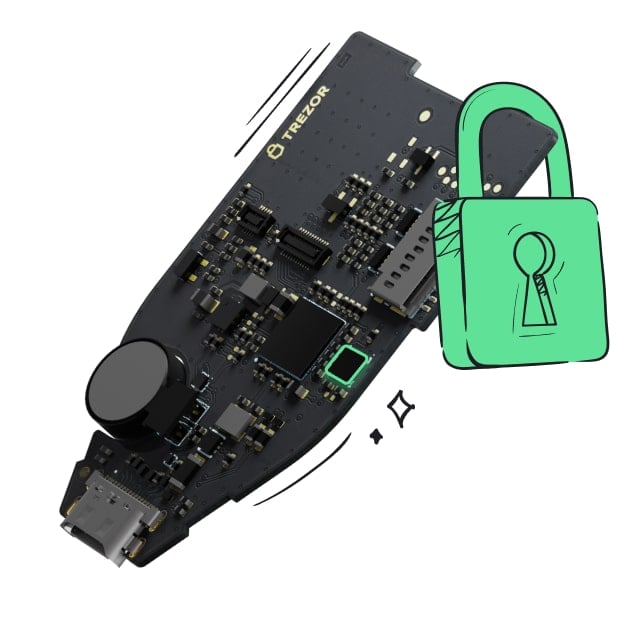 Protected by Secure Element
The best defense against both online and offline threats
 Your tokens, your control
Absolute control of every transaction with on-device confirmation
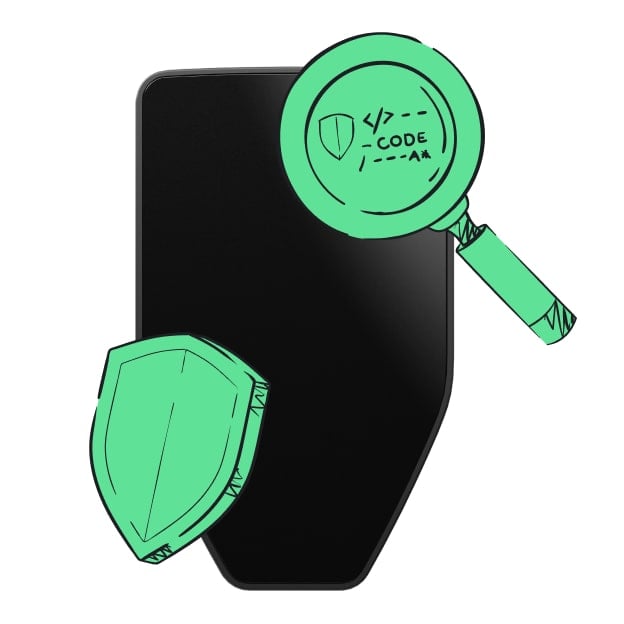 Security starts with open-source
Transparent wallet design makes your Trezor better and safer
 Clear & simple wallet backup
Recover access to your digital assets with a new backup standard
 Confidence from day one
Packaging & device security seals protect your Trezor’s integrity
Bless Network is a decentralized computing platform designed to transform idle capacity from everyday devices into a global shared computer. Founded in SanFrancisco, USA, under the name Blockless in 2022. By leveraging laptops, desktops, and mobile devices, Bless enables applications to access distributed computing resources directly from their user base. As moreusers join, the available network capacity scales proportionally, creating a self-sustaining infrastructure layer. The network is built on its neutral application framework (nnApp) and nested node infrastructure, which allow developers to deploy compute-intensive applicationsacross heterogeneous devices. This model reduces dependence on centralized cloud providers, a common bottleneck for decentralized ecosystems.