安全可靠的 Roko Network 钱包
通过 Trezor 生态系统,全面自信地掌控您的 Roko Network 资产。
- 由您的硬件钱包保护
- 搭配兼容的热钱包使用
- 全球超 200 万用户信赖
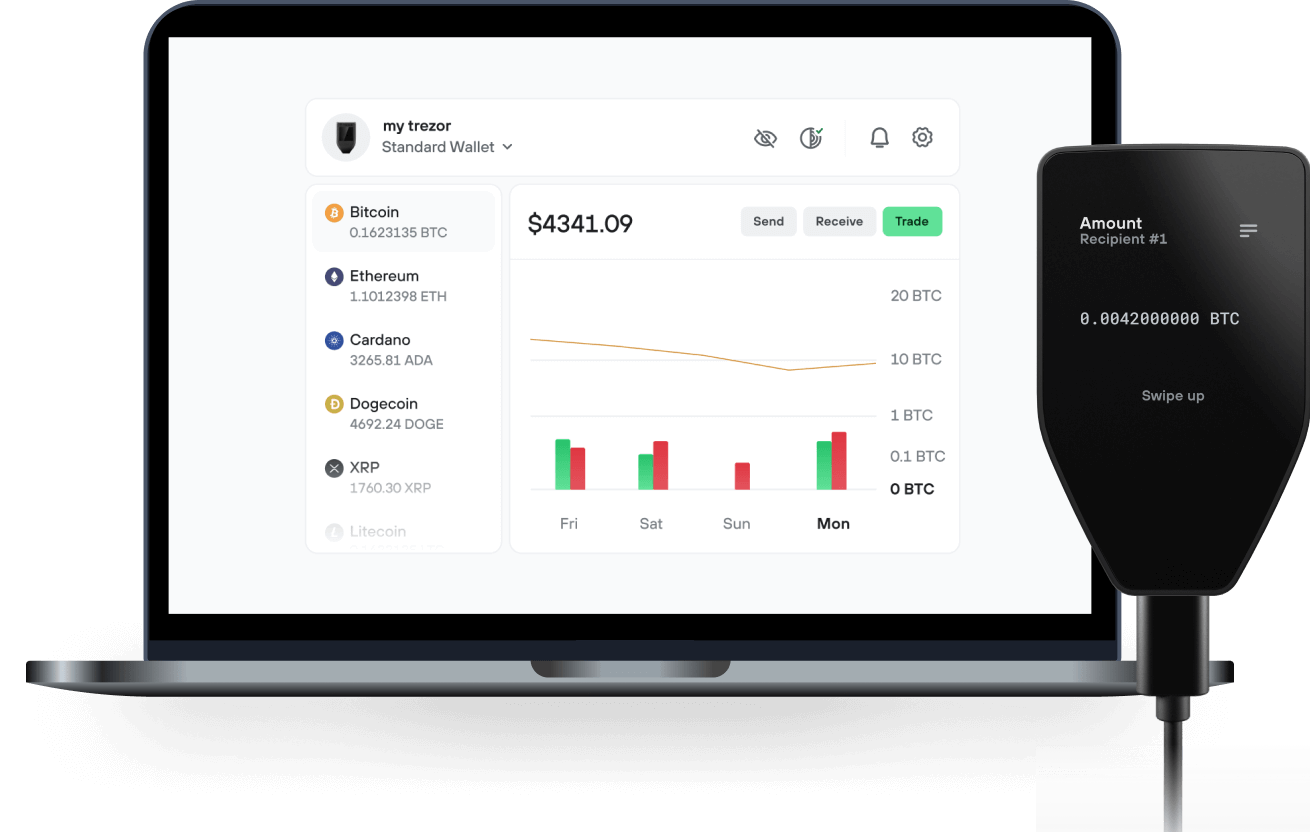
收发您的 Roko Network 通过 Trezor Suite 应用

收发
支持 Roko Network 的 Trezor 硬件钱包
让您的 Trezor 同步至钱包应用
通过将 Trezor 硬件钱包与多个钱包应用同步,管理您的 Roko Network。
Trezor Suite
MetaMask
Rabby
支持的Roko Network网络
为什么要用硬件钱包?

离线安全保护,尽在 Trezor
- 您 100% 拥有您的加密货币
- 离线保护私钥,大幅降低在线攻击风险
- 您的数据 100% 匿名
- 您的加密货币不受任何公司控制
在线交易所
- 若交易所出现问题,您将失去加密货币
- 交易所是黑客攻击的目标
- 您的个人数据可能会被暴露
- 您并不真正拥有您的加密货币
如何在 Trezor 上使用ROKO
请连接您的 Trezor 设备
打开第三方钱包应用
管理您的资产
充分利用您的 ROKO
Trezor 助您安心管理 ROKO
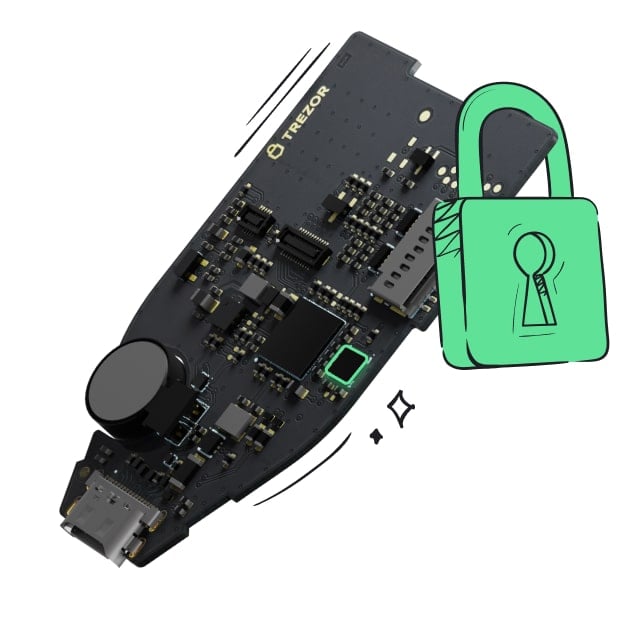 受安全芯片保护
对抗在线与离线威胁的可靠防线
 您的代币,您做主
通过设备确认,全面掌控每笔交易
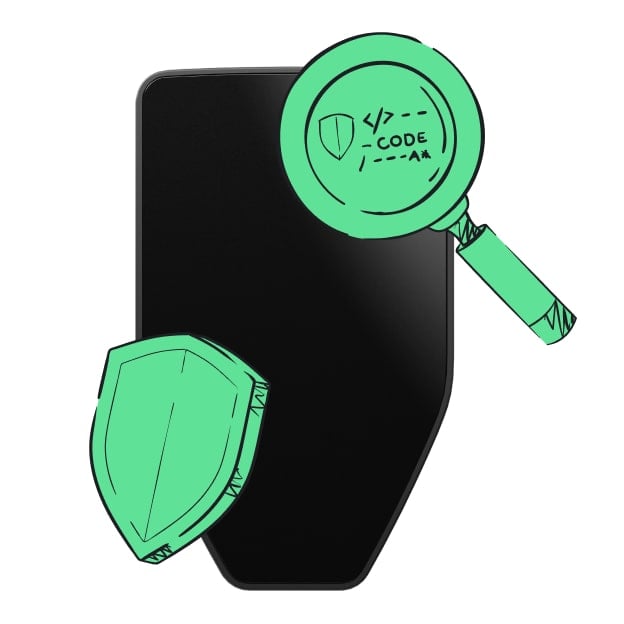 安全始于开源
透明钱包设计让您的 Trezor 更优更安全
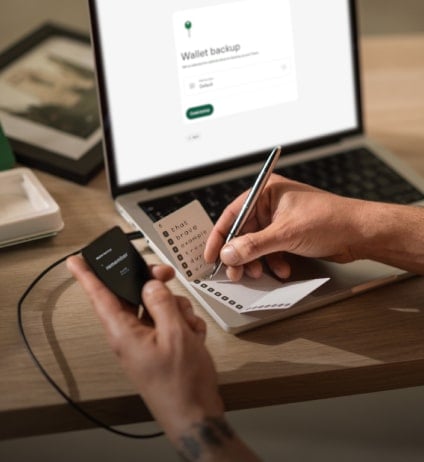 清晰简单的钱包备份
借助新一代备份标准恢复数字资产
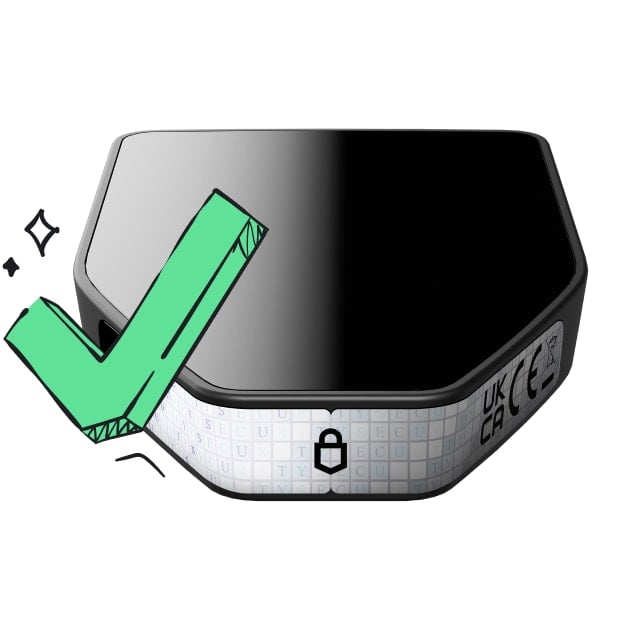 从第一天起就信心十足
包装与设备防拆封条共同保障 Trezor 设备完整性
Roko Network is an EVM-compatible Layer-1 blockchain that makes time and transaction ordering part of its protocol. Smart contracts and external applications can use its temporal records to establish transaction sequences and enforce time-dependent conditions.
Built on Substrate and the Polkadot SDK, Roko combines blockchain consensus with Proof of Accurate Time (PoAT), which incorporates validator timekeeping quality into the consensus process. A peer-to-peer timing mesh exchanges clock observations and assesses synchronization, while underlying timing sources provide the physical reference.
Transactions receive canonical timestamps, and the network commits temporal metadata on-chain. Explicit ordering rules include fee-based priority, allowing sequencing to be checked against the protocol rather than left entirely to block-producer discretion. Timestamps have nanosecond resolution, but actual clock accuracy depends on timing sources and network conditions.
Developers access this information through RPC interfaces and a native EVM precompile. RPC exposes mesh estimates, synchronization quality, and historical records; Solidity contracts can read transaction timestamps and time committed in block metadata. Live clock observations remain distinct from recorded chain state, and applications requiring irreversible results must wait for finality.
Time-sensitive markets and sealed-bid auctions can use these primitives to enforce deadlines. Provenance applications can record the sequence of submissions, while autonomous agents and connected systems can anchor evidence of their activity to an on-chain timeline. Settlement logic can then reference when that evidence was submitted without treating the timestamp alone as proof that off-chain work was completed.
Roko currently operates a public testnet where developers can deploy contracts and operators can run nodes. Timing services, staking, and governance tools are available for testing and participation.