Billetera Roko Network segura y protegida
Toma el control de tus Roko Network activos con total confianza en el ecosistema de Trezor.
- Protegido por tu billetera física
- Usa con billeteras digitales compatibles
- Con la confianza de más de 2 millones de clientes
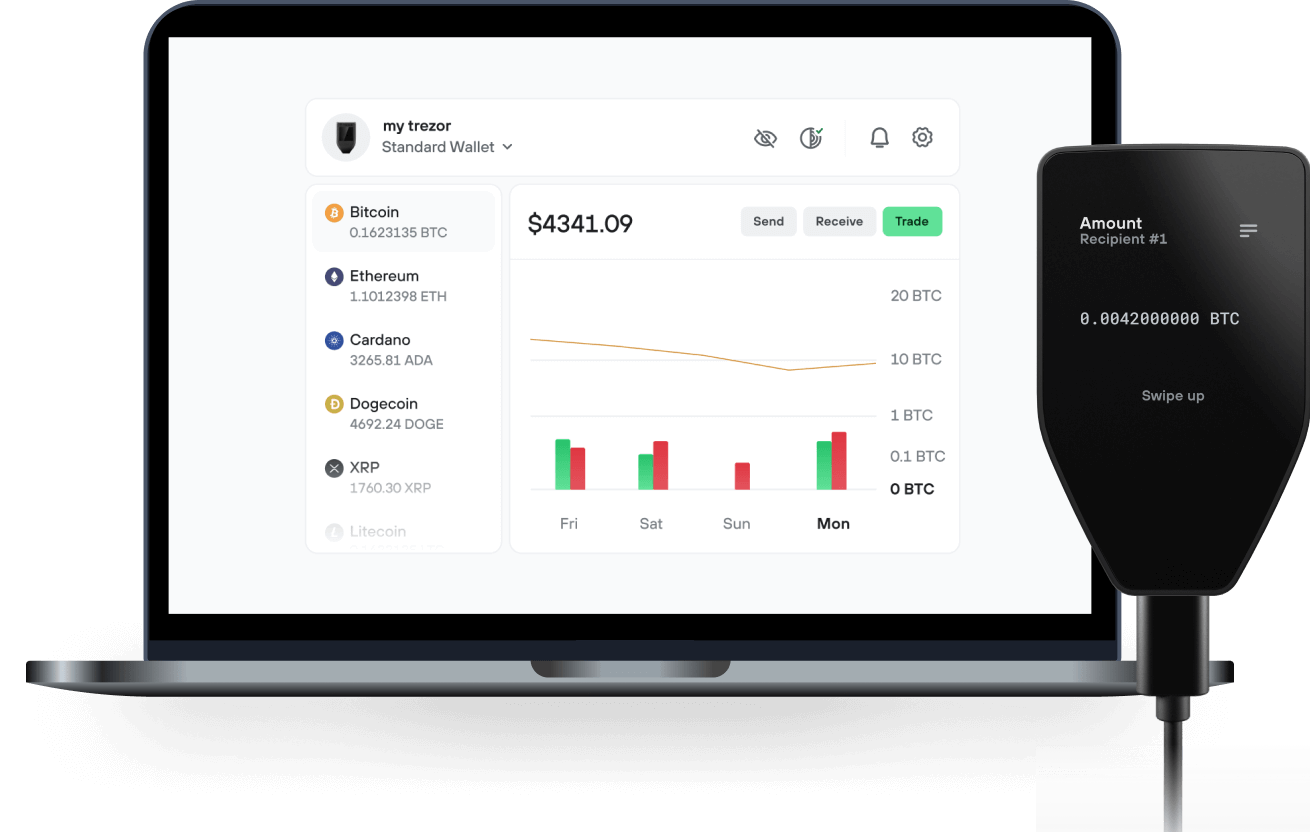
Envía y recibe tu Roko Network con la app Trezor Suite

Enviar y recibir
Billeteras físicas Trezor compatibles con Roko Network
Sincroniza tu Trezor con apps de billeteras
Gestiona tus Roko Network con tu billetera física Trezor sincronizada con apps de billeteras.
Trezor Suite
MetaMask
Rabby
Red Roko Network Compatible
¿Por qué una billetera física?
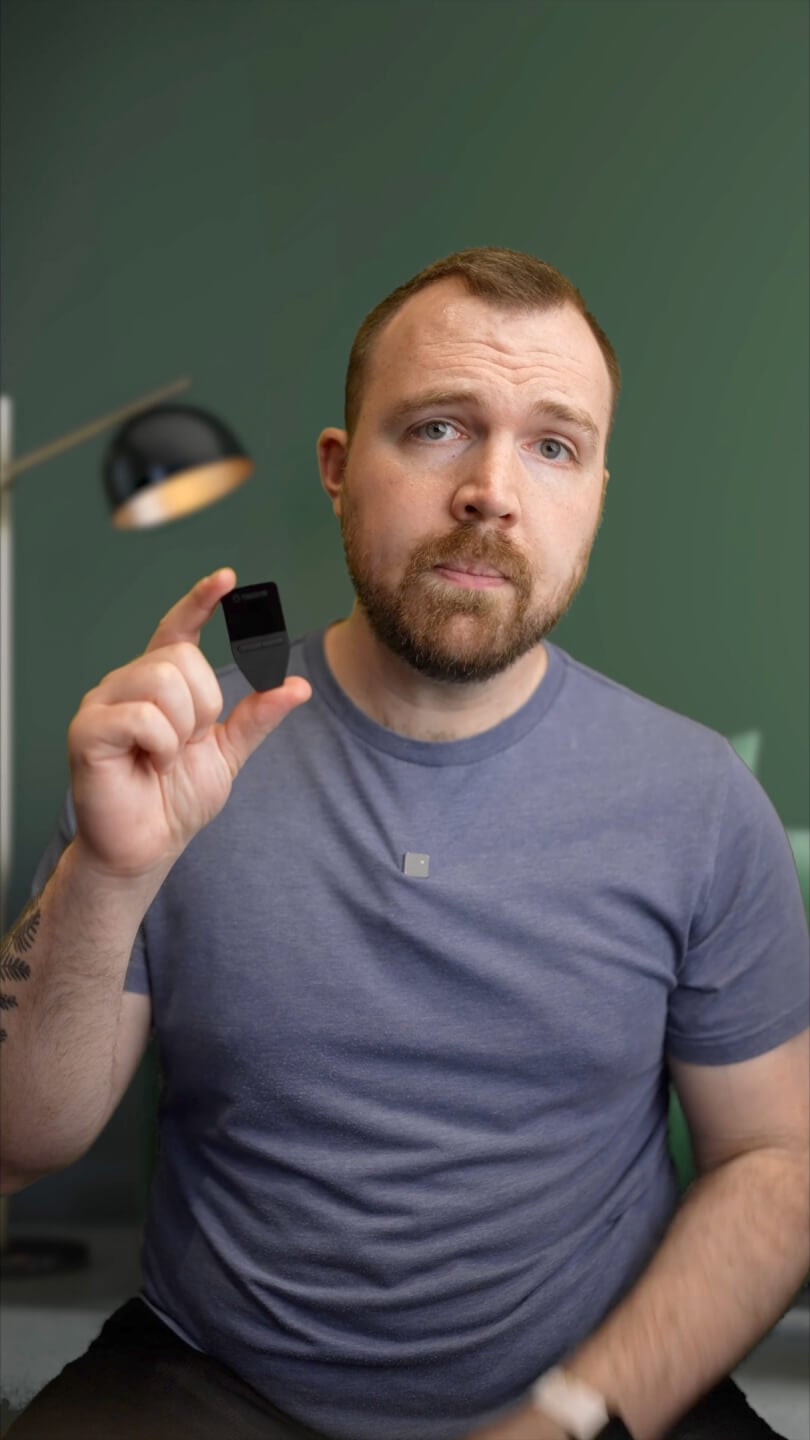
Desconéctate con Trezor
- Tus monedas son 100% tuyas
- Tu billetera está 100% segura offline
- Tus datos son 100% anónimos
- Tus monedas no están atadas a una compañía
Exchanges en línea
- Si un exchange falla, pierdes tus monedas
- Los exchanges son blanco de los hackers
- Tu información personal puede ser expuesta
- Tus monedas no son realmente tuyas
¿Cómo usar ROKO en Trezor?
Conectar tu Trezor
Abre una app de billetera de terceros
Gestiona tus activos
Aprovecha al máximo tus ROKO
Trezor mantiene tus ROKO seguros
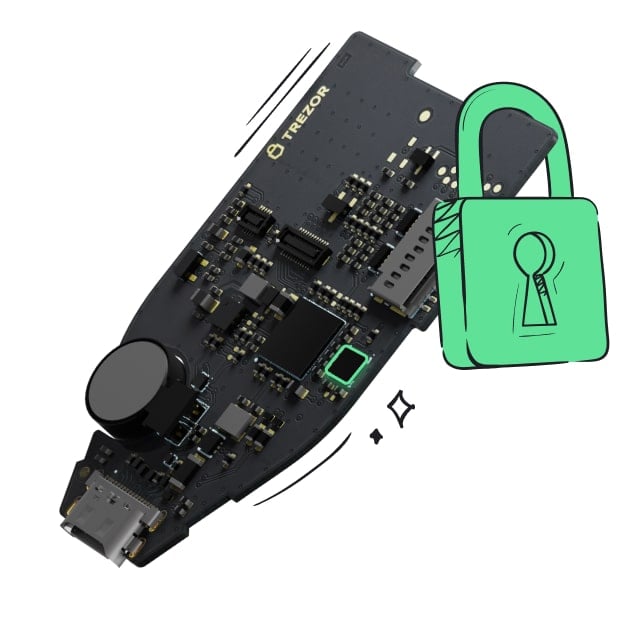 Protegido por Elemento Seguro
La mejor defensa contra amenazas tanto online como offline
 Tus tokens, bajo tu control
Control absoluto de cada transacción con confirmación directa en el dispositivo
 La seguridad empieza por código abierto
Un diseño de billetera de forma transparente hace que tu Trezor sea más seguro y confiable
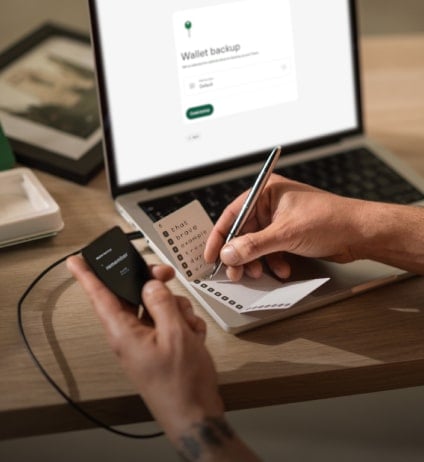 Copia de seguridad de billetera clara y sencilla
Recupera el acceso a tus activos digitales con nuevo estándar de copia de seguridad
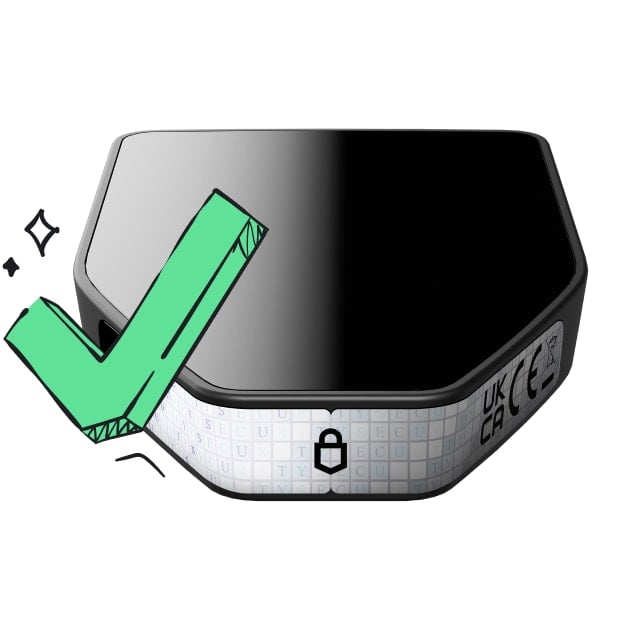 Confianza desde el primer día
El embalaje y los sellos de seguridad del dispositivo protegen la integridad de tu Trezor
Roko Network is an EVM-compatible Layer-1 blockchain that makes time and transaction ordering part of its protocol. Smart contracts and external applications can use its temporal records to establish transaction sequences and enforce time-dependent conditions.
Built on Substrate and the Polkadot SDK, Roko combines blockchain consensus with Proof of Accurate Time (PoAT), which incorporates validator timekeeping quality into the consensus process. A peer-to-peer timing mesh exchanges clock observations and assesses synchronization, while underlying timing sources provide the physical reference.
Transactions receive canonical timestamps, and the network commits temporal metadata on-chain. Explicit ordering rules include fee-based priority, allowing sequencing to be checked against the protocol rather than left entirely to block-producer discretion. Timestamps have nanosecond resolution, but actual clock accuracy depends on timing sources and network conditions.
Developers access this information through RPC interfaces and a native EVM precompile. RPC exposes mesh estimates, synchronization quality, and historical records; Solidity contracts can read transaction timestamps and time committed in block metadata. Live clock observations remain distinct from recorded chain state, and applications requiring irreversible results must wait for finality.
Time-sensitive markets and sealed-bid auctions can use these primitives to enforce deadlines. Provenance applications can record the sequence of submissions, while autonomous agents and connected systems can anchor evidence of their activity to an on-chain timeline. Settlement logic can then reference when that evidence was submitted without treating the timestamp alone as proof that off-chain work was completed.
Roko currently operates a public testnet where developers can deploy contracts and operators can run nodes. Timing services, staking, and governance tools are available for testing and participation.