安全可靠的 KAGE NETWORK 钱包
通过 Trezor 生态系统,全面自信地掌控您的 KAGE NETWORK 资产。
- 由您的硬件钱包保护
- 搭配兼容的热钱包使用
- 全球超 200 万用户信赖
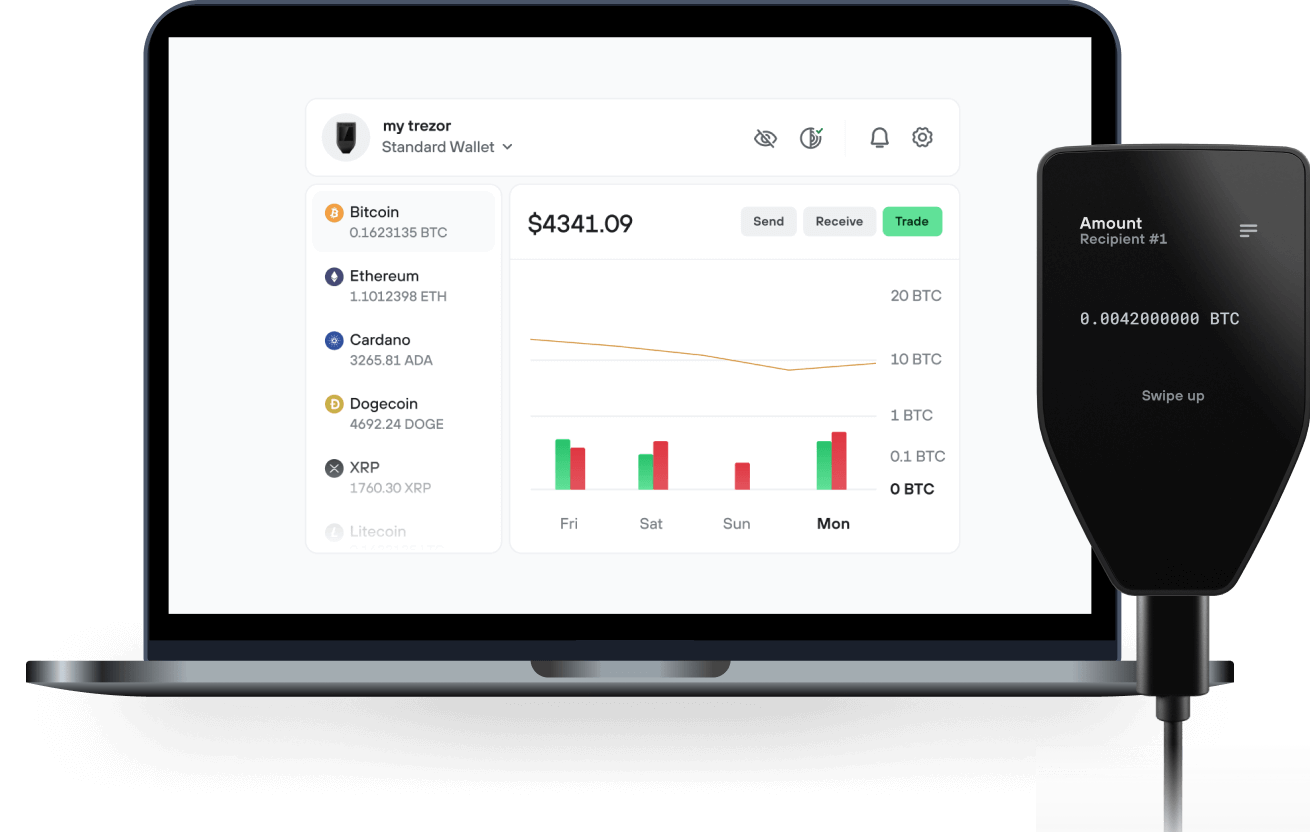
收发您的 KAGE NETWORK 通过 Trezor Suite 应用

收发
支持 KAGE NETWORK 的 Trezor 硬件钱包
让您的 Trezor 同步至钱包应用
通过将 Trezor 硬件钱包与多个钱包应用同步,管理您的 KAGE NETWORK。
Trezor Suite
MetaMask
Rabby
支持的KAGE NETWORK网络
为什么要用硬件钱包?

离线安全保护,尽在 Trezor
- 您 100% 拥有您的加密货币
- 离线保护私钥,大幅降低在线攻击风险
- 您的数据 100% 匿名
- 您的加密货币不受任何公司控制
在线交易所
- 若交易所出现问题,您将失去加密货币
- 交易所是黑客攻击的目标
- 您的个人数据可能会被暴露
- 您并不真正拥有您的加密货币
如何在 Trezor 上使用KAGE
请连接您的 Trezor 设备
打开第三方钱包应用
管理您的资产
充分利用您的 KAGE
Trezor 助您安心管理 KAGE
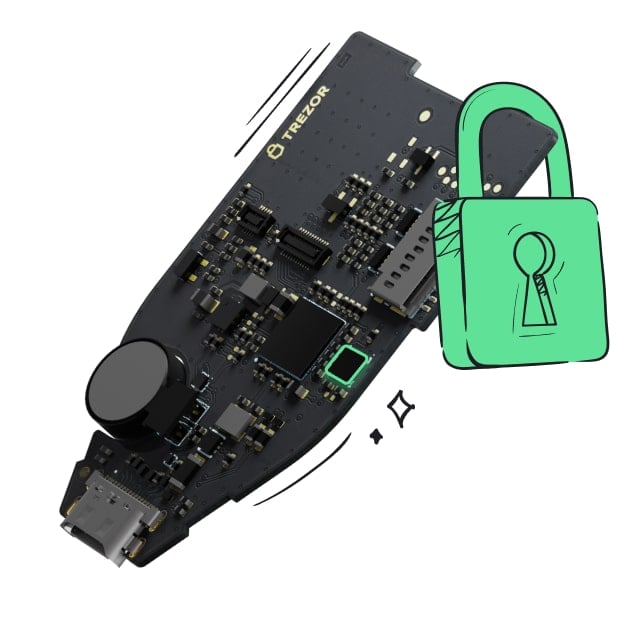 受安全芯片保护
对抗在线与离线威胁的可靠防线
 您的代币,您做主
通过设备确认,全面掌控每笔交易
 安全始于开源
透明钱包设计让您的 Trezor 更优更安全
 清晰简单的钱包备份
借助新一代备份标准恢复数字资产
 从第一天起就信心十足
包装与设备防拆封条共同保障 Trezor 设备完整性
Building The Hardware Layer Of The Privacy-Focused Online Economy With A Battle-Tested Decentralized VPN Router Solution
With the unprecedented scale of digital data collection, increasingly sophisticated cyber threats, and ever-present government overreach, online privacy has never been more important. The proliferation of smart devices, IoT infrastructure and AI software is only set to amplify online risks by creating numerous new entry points for potential breaches. This has led to skyrocketing demand for privacy solutions, with the privacy-enhancing technology market forecast to exceed $24b by 2024.
VPNs (Virtual Private Networks) have emerged as a leading solution for online privacy due to their ability to encrypt internet traffic and mask users' IP addresses, effectively shielding personal data from prying eyes. This makes VPNs a reliable method for maintaining anonymity and protecting sensitive information. Indeed, adoption of VPNs has become so widespread that a recent Forbes report found that 33% of internet users worldwide have a VPN.
However, the current generation of centralized, software-based VPNs are replete with vulnerabilities and inefficiencies that limit their effectiveness as a long-term solution for delivering online security and privacy at scale. Software-based VPNs were designed with a single device - usually a personal computer - in mind. They struggle to handle the multi-device connected homes that users now find themselves in, which can include connected TVs, fridges, cameras and an ever growing list of IoT devices. Meanwhile, whilst early adopters were comfortable working with abstract software, mainstream consumers are seeking a simpler, plug and play solution. In addition to this, centralized VPN business models concentrate control and access to vast amounts of sensitive user data in the hands of a single entity. This creates a single point of failure and also opens up the possibility of governments compelling them to share data.