Sichere & geschützte Livepeer Wallet
Übernimm die Kontrolle über deine Livepeer Assets mit vollem Vertrauen in das Trezor Ökosystem.
- Gesichert durch deine Hardware-Wallet
- Nutze ihn mit kompatiblen Hot-Wallets
- Über 2 Millionen Kunden vertrauen uns
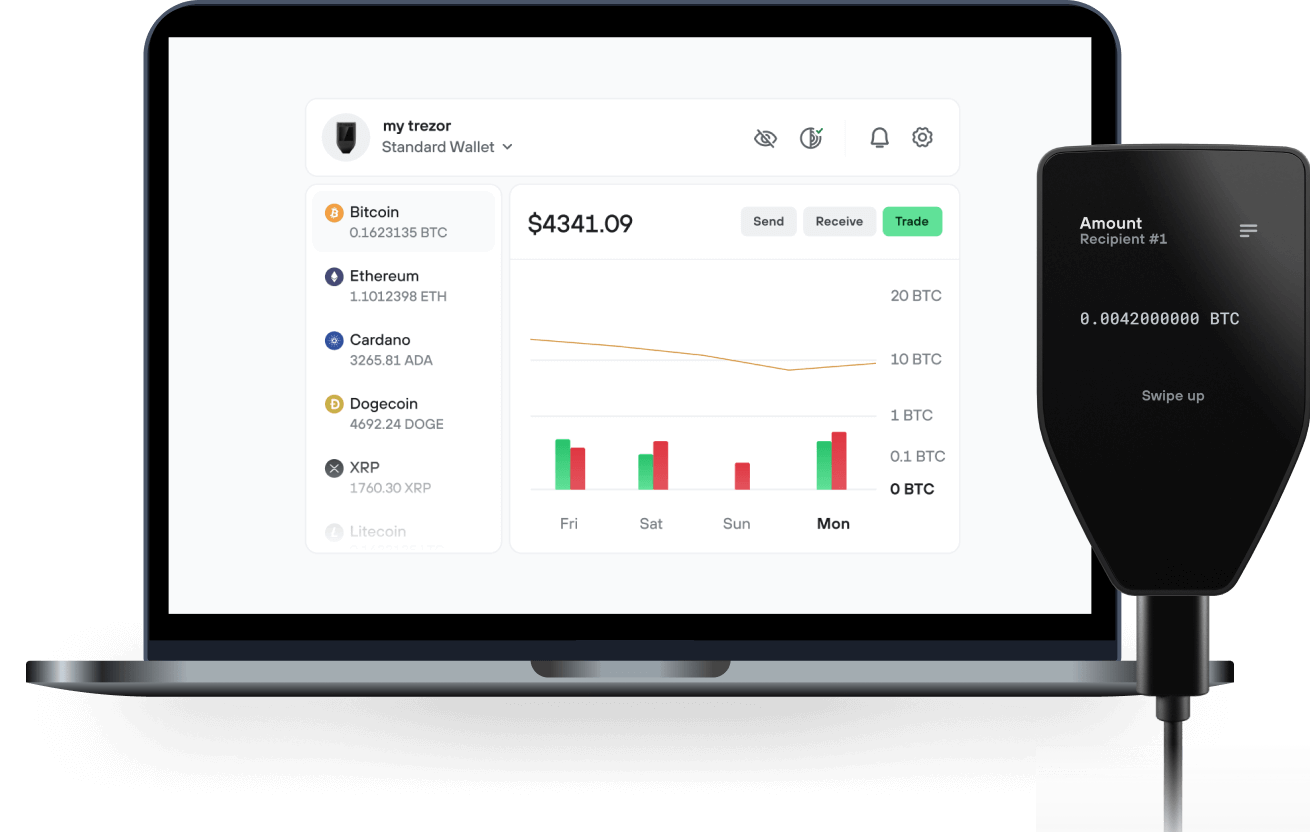
Sende & empfange deinen Livepeer mit der Trezor Suite App

Sende & empfange

Kaufen & tauschen
Trezor Hardware-Wallet, die Livepeer unterstützen
Synchronisiere Trezor mit Wallet-Apps
Verwalte deine Livepeer mit deiner Trezor Hardware-Wallet, die mit mehreren Wallet-Apps synchronisiert ist.
Trezor Suite
MetaMask
Rabby
Unterstütztes Livepeer Netzwerk
Warum eine Hardware-Wallet?

Gehe offline mit Trezor
- Du besitzt 100 % deiner Coins
- Deine Wallet ist offline zu 100 % sicher
- Deine Daten sind zu 100 % anonym
- Deine Coins sind an keine Firma gebunden
Online-Börsen
- Wenn ein Umtausch fehlschlägt, verlierst du deine Coins
- Börsen sind Ziele von Hackern
- Deine persönlichen Daten könnten offengelegt werden
- Du besitzt deine Coins nicht wirklich
Wie man LPT auf Trezor
Verbinde deinen Trezor
Installiere Trezor Suite App
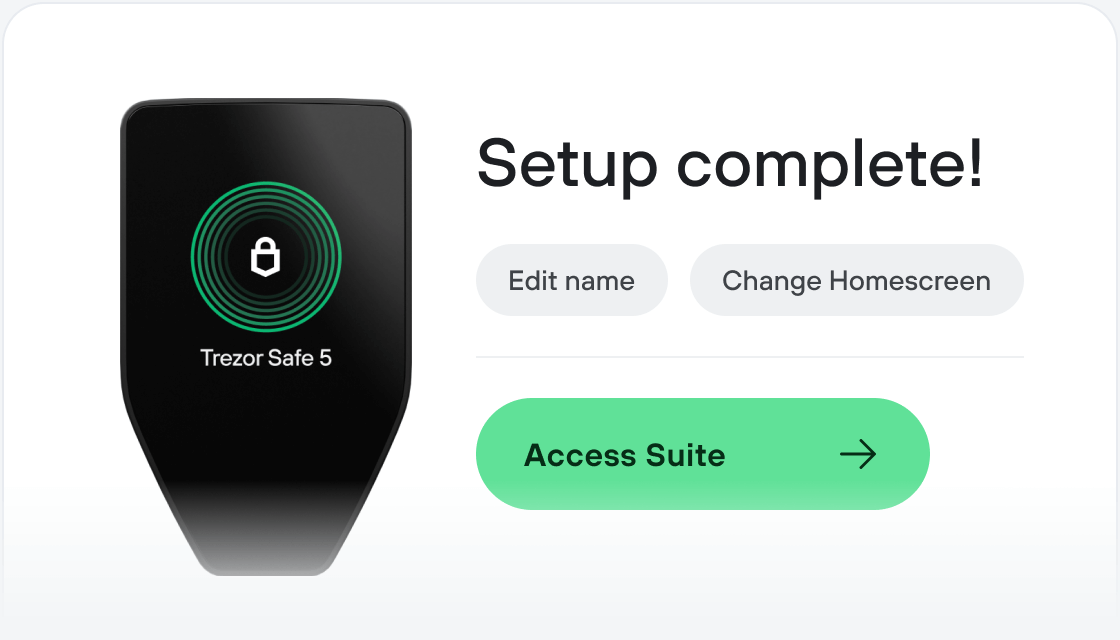
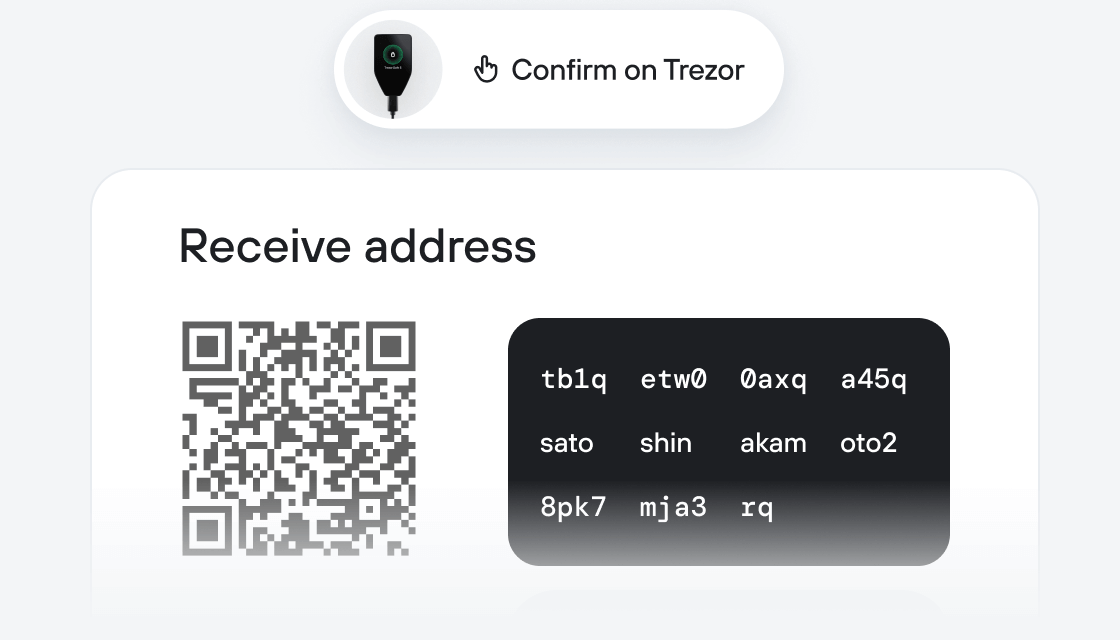
Übertrage deinen LPT
Mache das Beste aus deinen LPT
Trezor hält dein LPT sicher
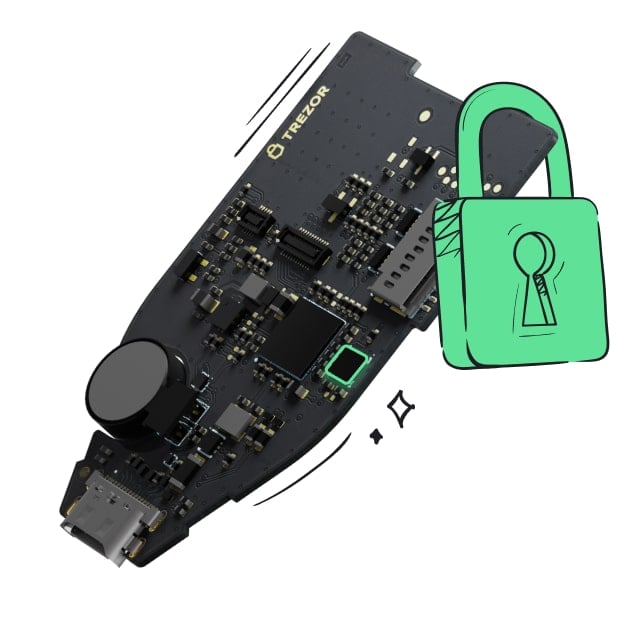 Geschützt durch Secure Element
Die beste Verteidigung gegen beides, online und offline Bedrohungen
 Deine Token, deine Kontrolle
Absolute Kontrolle über jede Transaktion mit Bestätigung auf dem Gerät
 Sicherheit beginnt mit Open-Source
Das transparente Wallet-Design macht deinen Trezor besser und sicherer
 Übersichtliches & einfaches Wallet-Backup
Stelle deinen Zugriff auf deine digitalen Assets wieder her mit einem neuen Backup-Standard
 Vertrauen vom ersten Tag an
Verpackungs- & Gerätesicherheitssiegel schützen die Integrität deines Trezors
Das Livepeer-Projekt verfolgt das Ziel, ein Protokoll für ein Livestreaming-Netzwerk bereitzustellen, das vollständig dezentralisiert, hoch skalierbar und durch Krypto-Token incentiviert ist. Dadurch entsteht eine Lösung, die als Livemedien-Schicht im dezentralen Entwicklungsstack (Web3) dienen kann. Darüber hinaus soll Livepeer eine wirtschaftlich effiziente Alternative zu zentralisierten Broadcasting-Lösungen für alle bestehenden Broadcaster bieten. In diesem Dokument beschreiben wir das Livepeer-Protokoll – ein Delegated-Stake-basiertes Protokoll, das Teilnehmer in einem Live-Video-Broadcast-Netzwerk spieltheoretisch sicher incentiviert. Wir präsentieren Lösungen für die skalierbare Verifizierung dezentraler Arbeit sowie Mechanismen zur Vermeidung unnützer Arbeit, die darauf abzielt, die Token-Zuteilungen in einem inflationsbasierten System zu manipulieren.
Der Livepeer Token (LPT) ist der Protokoll-Token des Livepeer-Netzwerks, aber er ist nicht das Tauschmittel. Broadcaster nutzen Ethereums Ether (ETH), um Videos im Netzwerk zu übertragen. Nodes, die Rechenleistung und Bandbreite bereitstellen, verdienen ETH in Form von Gebühren von den Broadcastern. LPT ist ein Staking-Token, den Teilnehmer im Netzwerk hinterlegen, um abzustimmen, wie die Arbeit im Netzwerk verteilt wird und um Sicherheit zu gewährleisten, dass die Arbeit ehrlich und korrekt ausgeführt wird. LPT erfüllt folgende Zwecke:
Er dient als Bonding-Mechanismus in einem Delegated-Proof-of-Stake-System, in dem Anteile an Transcoder (oder Validatoren) delegiert werden, die im Protokoll Videos transkodieren und Arbeiten validieren. Der Token und das mögliche Slashing bei Protokollverletzungen sind notwendig, um das Netzwerk gegen verschiedene Angriffe zu sichern. Er steuert die Arbeitsverteilung im Netzwerk im Verhältnis zur Menge der gestakten und delegierten Token und dient so als Koordinationsmechanismus.
Er ist eine Rechnungseinheit, die spezifisch für das Livepeer-Ökosystem ist und die Grundlage für ein SectorCoin-Konzept bildet, das für zukünftige Funktionen anwendbar ist. Dienste wie DVR, Untertitelung, Werbeeinbindung/Monetarisierung und Analysen können alle in das Livepeer-Ökosystem integriert werden und von der durch das Staken von LPT gewährten Sicherheit profitieren.
Eine anfängliche Zuteilung von Livepeer Token wird so verteilt, dass Stakeholder verschiedene Rollen im Netzwerk übernehmen und dieses nutzen können. Weitere Token werden anschließend gemäß algorithmisch programmierter Ausgabe im Zeitverlauf emittiert.
Nach den Konventionen von Ethereum und vielen bekannten ERC20-Token ist der LPT bis auf 10 ^ 18 teilbar, wobei größere Einheiten wie der LPT selbst für Nutzertransaktionen wie das Staking vorgesehen sind und kleinere Einheiten für das Protokoll-Accounting dienen.