Portefeuille sûr et sécurisé Livepeer
Prenez le contrôle de vos Livepeer actifs en toute confiance dans l’écosystème Trezor.
- Sécurisé par votre portefeuille matériel
- Utiliser avec des hot wallets compatibles
- Adopté par plus de 2 millions de clients
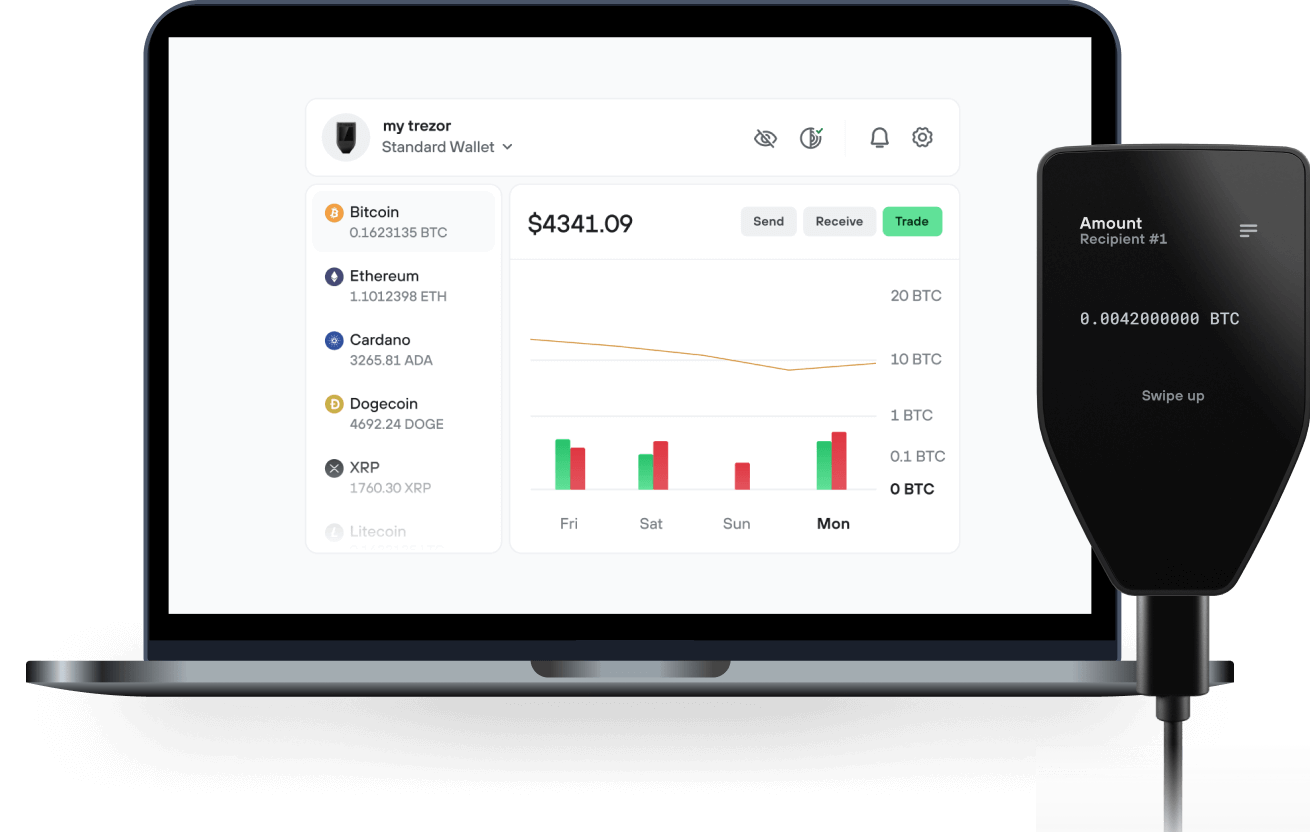
Envoyez et recevez vos Livepeer avec l'application Trezor Suite

Envoyer et recevoir

Acheter et swap
Portefeuilles matériels Trezor qui supportent Livepeer
Synchronisez votre Trezor avec des applications de portefeuille
Gérez vos Livepeer avec votre portefeuille matériel Trezor synchronisé avec plusieurs applications de portefeuilles.
Trezor Suite
MetaMask
Rabby
Livepeer Réseaux supportés
Pourquoi un portefeuille matériel ?

Allez hors ligne avec Trezor
- Vous possédez 100% de vos cryptos
- Votre portefeuille est 100% sécurisé hors ligne
- Vos données sont 100 % anonymes
- Vos cryptos ne dépendent d’aucune entreprise
Échanges en ligne
- Si un échange échoue, vous perdez vos cryptos
- Les échanges sont des cibles pour les pirates
- Vos données personnelles peuvent être exposées
- Vous ne possédez pas réellement vos cryptos
Comment utiliser LPT sur Trezor
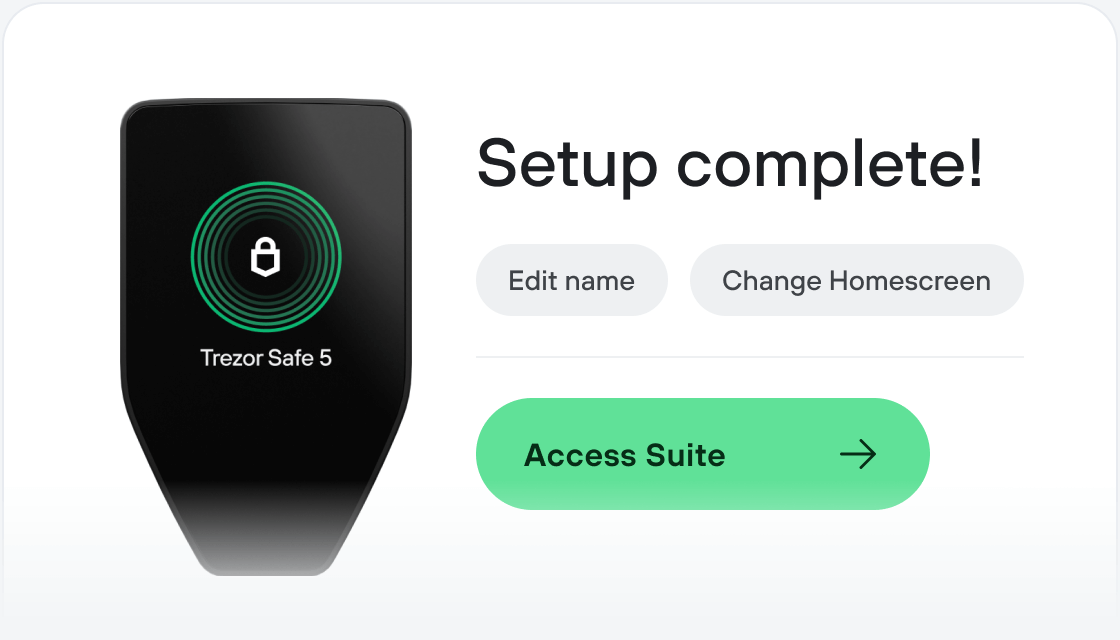
Connectez votre Trezor
Installez l'application Trezor Suite
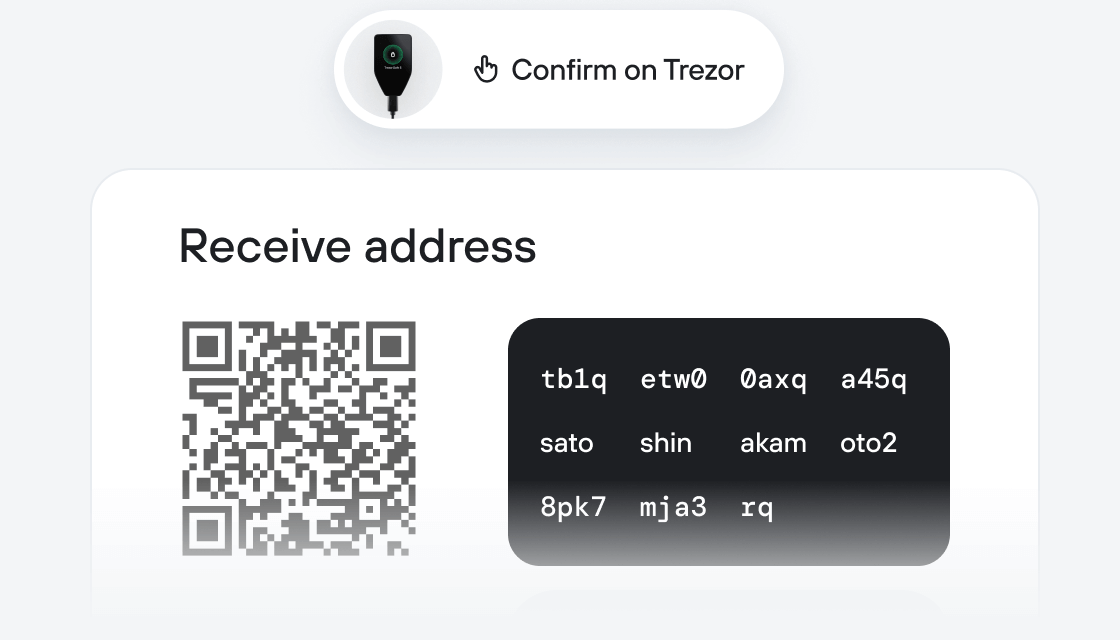
Transférez votre LPT
Profitez pleinement de votre LPT
Trezor garde vos LPT en sécurité
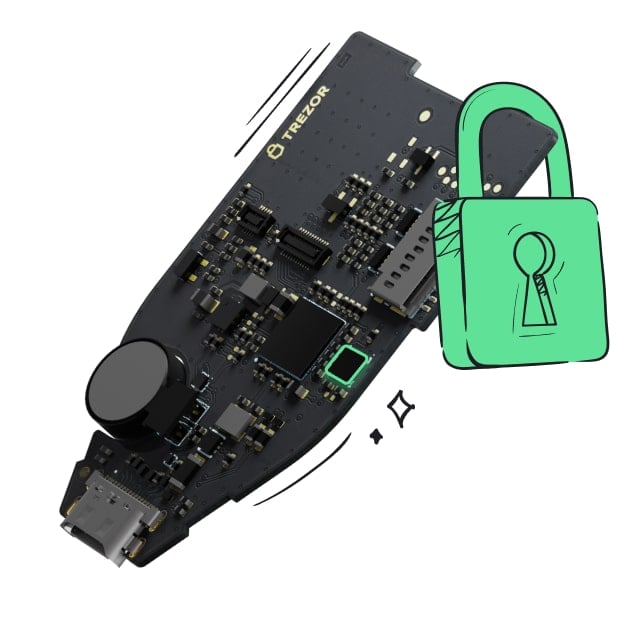 Protégé par Élément Sécurisé
La meilleure défense contre les menaces en ligne et hors ligne
 Vos jetons, votre contrôle
Contrôle absolu de chaque transaction avec confirmation sur l'appareil
 La sécurité commence par l'open source
Le design de portefeuille transparent rend votre Trezor meilleur et plus sûr
 Sauvegarde de portefeuille claire et simple
Récupérez l’accès à vos actifs digitaux avec un nouveau standard de sauvegarde
 Confiance depuis le premier jour
Les sceaux de sécurité sur l’emballage et l’appareil protègent l’intégrité de votre Trezor
Le projet Livepeer vise à fournir un protocole de réseau de streaming vidéo en direct qui soit entièrement décentralisé, hautement scalable, incité par des crypto-jetons, et qui aboutisse à une solution pouvant servir de couche média live dans la stack de développement décentralisée (web3). En outre, Livepeer a pour objectif de proposer une alternative économiquement efficace aux solutions de diffusion centralisées pour tout diffuseur existant. Dans ce document, nous décrivons le protocole Livepeer – un protocole basé sur le delegated staking destiné à inciter les participants d’un réseau de diffusion vidéo en direct de manière sécurisée sur le plan de la théorie des jeux. Nous présentons des solutions pour la vérification scalable du travail décentralisé, ainsi que la prévention du travail inutile visant à manipuler l’allocation de tokens dans un système inflationniste.
Le Livepeer Token (LPT) est le jeton du protocole du réseau Livepeer. Mais il ne s’agit pas du jeton servant de moyen d’échange. Les diffuseurs utilisent l’Ether (ETH) d’Ethereum pour diffuser des vidéos sur le réseau. Les nodes qui fournissent de la puissance de calcul et de la bande passante gagnent de l’ETH sous forme de frais payés par les diffuseurs. Le LPT est un jeton de staking que les participants souhaitant effectuer du travail sur le réseau doivent mettre en staking afin de coordonner la distribution du travail sur le réseau et d’apporter une garantie que ce travail sera effectué de manière honnête et correcte. Le LPT a les fonctions suivantes :
Il sert de mécanisme de bonding dans un système de delegated proof-of-stake, dans lequel le staking est délégué à des transcodeurs (ou validateurs) qui participent au protocole pour transcoder la vidéo et valider le travail. Le jeton, ainsi que les mécanismes de slashing potentiels en cas de violation du protocole, sont nécessaires pour sécuriser le réseau contre un certain nombre d’attaques. Plus de détails ci-dessous.
Il permet d’acheminer le travail à travers le réseau proportionnellement à la quantité de jetons mis en staking et délégués, servant essentiellement de mécanisme de coordination.
Il constitue une unité de compte spécifique à l’écosystème Livepeer, qui forme la base d’un concept de SectorCoin, applicable à des fonctionnalités supplémentaires qui seront introduites à l’avenir. Des services tels que le DVR, le sous-titrage, l’insertion/monétisation de publicité et l’analytics peuvent tous s’intégrer à l’écosystème Livepeer et potentiellement utiliser la sécurité fournie par le staking de LPT.
Une allocation initiale de Livepeer Token sera distribuée afin que les parties prenantes puissent remplir différents rôles dans le réseau et l’utiliser, puis des jetons supplémentaires seront émis selon une émission programmée de manière algorithmique au fil du temps.
Conformément aux conventions d’Ethereum et de nombreux jetons ERC20 populaires, le LPT sera divisible par 10 ^ 18, avec des dénominations plus importantes comme le LPT lui-même destinées aux transactions au niveau utilisateur telles que le staking, et des dénominations plus petites destinées à la comptabilité du protocole.