Billetera Livepeer segura y protegida
Toma el control de tus Livepeer activos con total confianza en el ecosistema de Trezor.
- Protegido por tu billetera física
- Usa con billeteras digitales compatibles
- Con la confianza de más de 2 millones de clientes
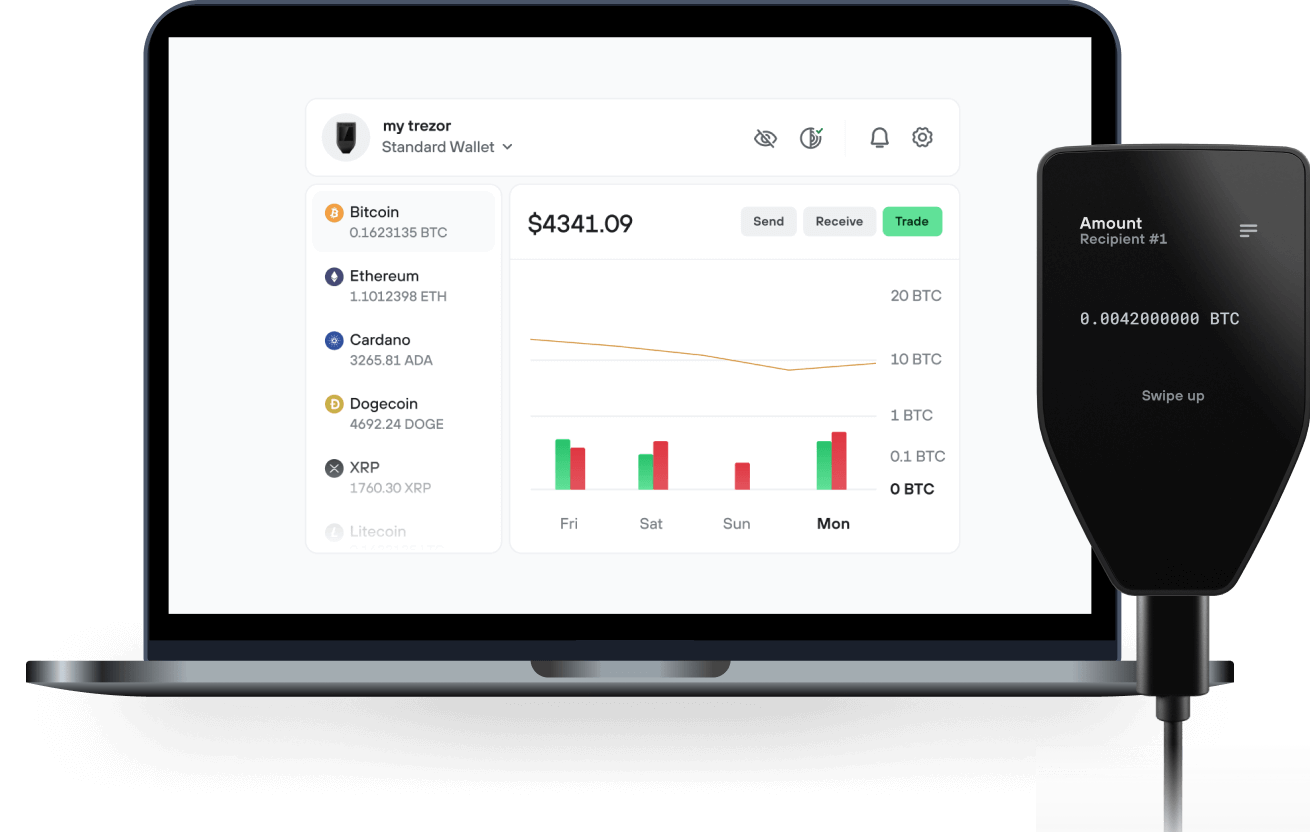
Envía y recibe tu Livepeer con la app Trezor Suite

Enviar y recibir

Comprar e intercambiar
Billeteras físicas Trezor compatibles con Livepeer
Sincroniza tu Trezor con apps de billeteras
Gestiona tus Livepeer con tu billetera física Trezor sincronizada con apps de billeteras.
Trezor Suite
MetaMask
Rabby
Redes Livepeer Compatibles
¿Por qué una billetera física?

Desconéctate con Trezor
- Tus monedas son 100% tuyas
- Tu billetera está 100% segura offline
- Tus datos son 100% anónimos
- Tus monedas no están atadas a una compañía
Exchanges en línea
- Si un exchange falla, pierdes tus monedas
- Los exchanges son blanco de los hackers
- Tu información personal puede ser expuesta
- Tus monedas no son realmente tuyas
¿Cómo usar LPT en Trezor?
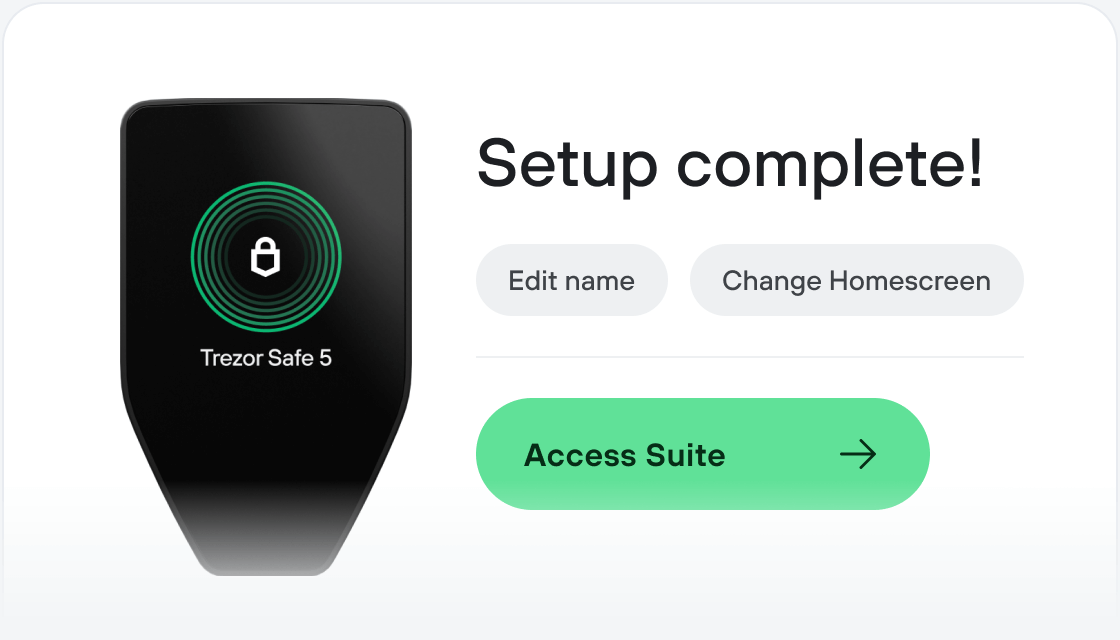
Conecta tu Trezor
Instala la app Trezor Suite
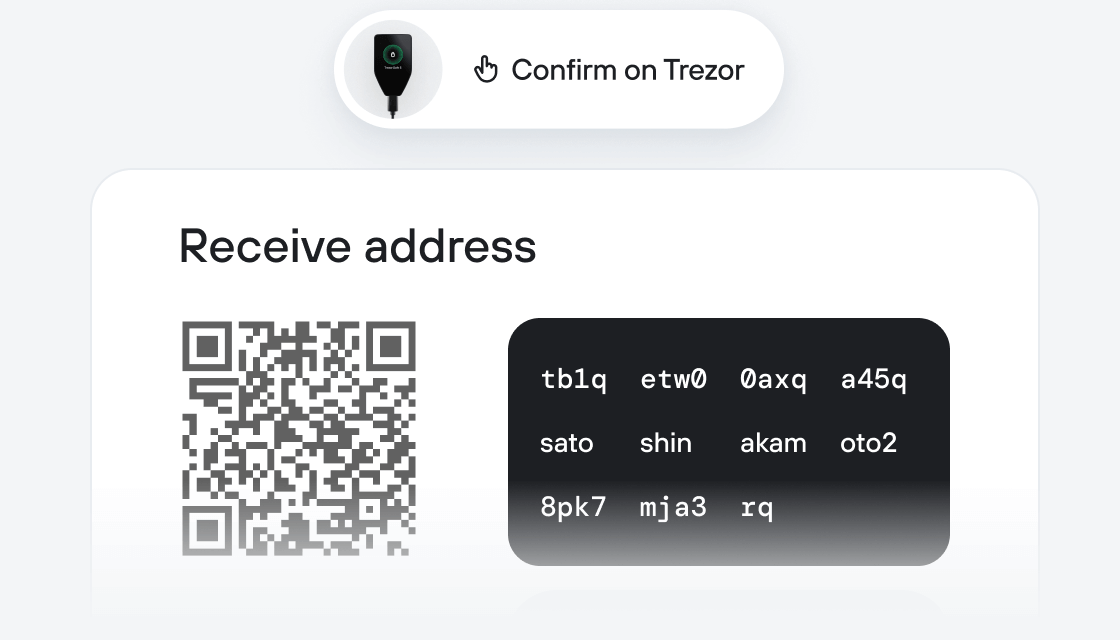
Transfiere tus LPT
Aprovecha al máximo tus LPT
Trezor mantiene tus LPT seguros
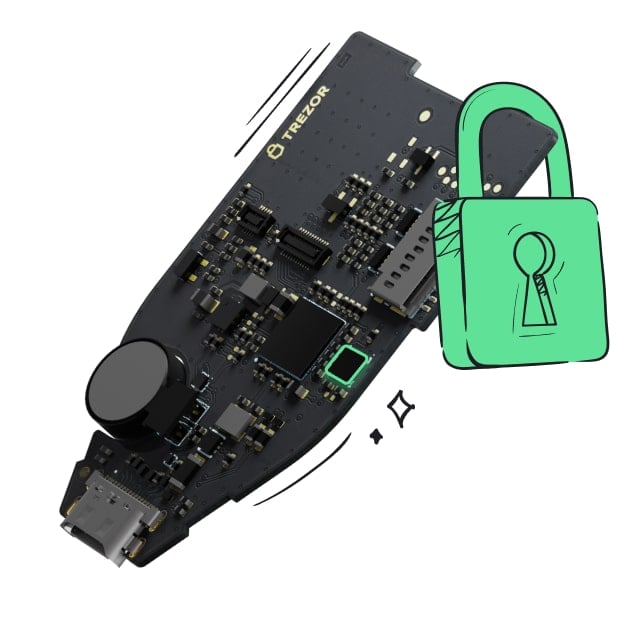 Protegido por Elemento Seguro
La mejor defensa contra amenazas tanto online como offline
 Tus tokens, bajo tu control
Control absoluto de cada transacción con confirmación directa en el dispositivo
 La seguridad empieza por código abierto
Un diseño de billetera de forma transparente hace que tu Trezor sea más seguro y confiable
 Copia de seguridad de billetera clara y sencilla
Recupera el acceso a tus activos digitales con nuevo estándar de copia de seguridad
 Confianza desde el primer día
El embalaje y los sellos de seguridad del dispositivo protegen la integridad de tu Trezor
El proyecto Livepeer tiene como objetivo ofrecer un protocolo de red para la transmisión de video en vivo que sea completamente descentralizado, escalable, incentivado mediante tokens cripto y resulte en una solución que pueda funcionar como la capa de medios en vivo en el stack de desarrollo descentralizado (web3). Además, Livepeer está diseñado para proveer una alternativa económicamente eficiente a las soluciones de transmisión centralizadas para cualquier emisor existente. En este documento se describe el Protocolo Livepeer: un protocolo basado en staking delegado para incentivar la participación en una red de transmisión de video en vivo de forma segura desde un enfoque teórico en juegos. Presentamos soluciones para la verificación escalable del trabajo descentralizado, así como la prevención de trabajo inútil con el fin de manipular la asignación de tokens en un sistema inflacionario.
El Token Livepeer (LPT) es el token del protocolo de la red Livepeer. Sin embargo, no es el token que funciona como medio de intercambio. Los emisores utilizan Ether (ETH) de Ethereum para transmitir video en la red. Los nodos que contribuyen con procesamiento y ancho de banda ganan ETH en forma de comisiones pagadas por los emisores. LPT es un token de staking que los participantes deben colocar en la red para coordinar cómo se distribuye el trabajo dentro de ella y proporcionar seguridad para asegurar que el trabajo sea realizado de manera honesta y correcta. LPT cumple las siguientes funciones:
Sirve como mecanismo de vinculación en un sistema de Prueba de Participación Delegada, en el cual el staking se delega a los transcodificadores (o validadores) que participan en el protocolo para transcodificar video y validar el trabajo realizado. El token y el posible recorte que ocurre debido a violaciones del protocolo son necesarios para proteger la red contra diversos ataques. Permite distribuir el trabajo a través de la red en proporción a la cantidad de tokens apostados y delegados, funcionando esencialmente como un mecanismo de coordinación.
Es una unidad de cuenta específica del ecosistema Livepeer, que sirve como base para el concepto de SectorCoin, aplicable a funcionalidades adicionales a introducirse en el futuro. Servicios como DVR, subtitulado, inserción/monetización de anuncios y analítica pueden integrarse en el ecosistema Livepeer y aprovechar la seguridad proporcionada por el staking de LPT.
Se realizará una asignación inicial de tokens Livepeer para que los interesados puedan cumplir diferentes roles y utilizar la red, y luego se emitirán tokens adicionales de acuerdo con una emisión programada algorítmicamente a lo largo del tiempo.
Siguiendo las convenciones de Ethereum y de muchos tokens ERC20 populares, LPT será divisible hasta 10^18, con denominaciones mayores como el mismo LPT, pensadas para utilizarse en transacciones a nivel de usuario, como el staking, y denominaciones menores destinadas a la contabilidad del protocolo.