Carteira Livepeer segura & protegida
Assuma o controle dos seus Livepeer ativos com completa confiança no ecossistema Trezor.
- Protegido por sua carteira de hardware
- Use com carteiras quentes compatíveis
- Confiança de mais de 2 milhões de clientes
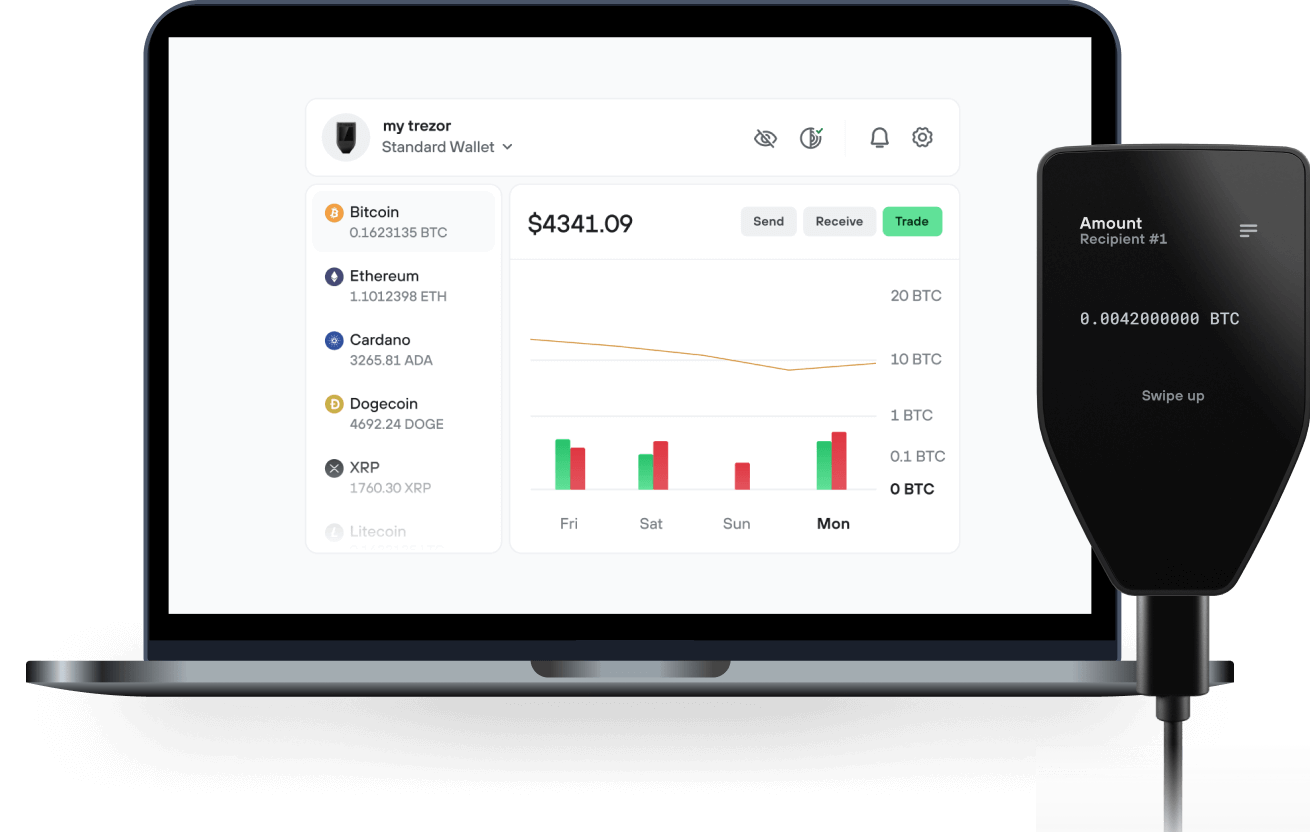
Envie & receba o seu Livepeer com o app Trezor Suite

Enviar & receber

Compre & troque
As carteiras de hardware Trezor suportam Livepeer
Sincronize sua Trezor com apps de carteira
Gerencie a sua Livepeer com sua carteira física Trezor sincronizada com vários apps de carteira.
Trezor Suite
MetaMask
Rabby
Redes Livepeer Suportadas
Por que uma carteira de hardware?

Fique offline com a Trezor
- Você controla 100% das suas moedas
- Sua carteira está 100% segura offline
- Seus dados são 100% anônimos
- Suas moedas não estão vinculadas a nenhuma empresa
Corretoras online
- Se uma corretora falir, você perde suas moedas
- Corretoras são alvos de hackers
- Seus dados pessoais podem ter sido expostos
- Você não tem total controle das suas moedas
Como LPT na Trezor
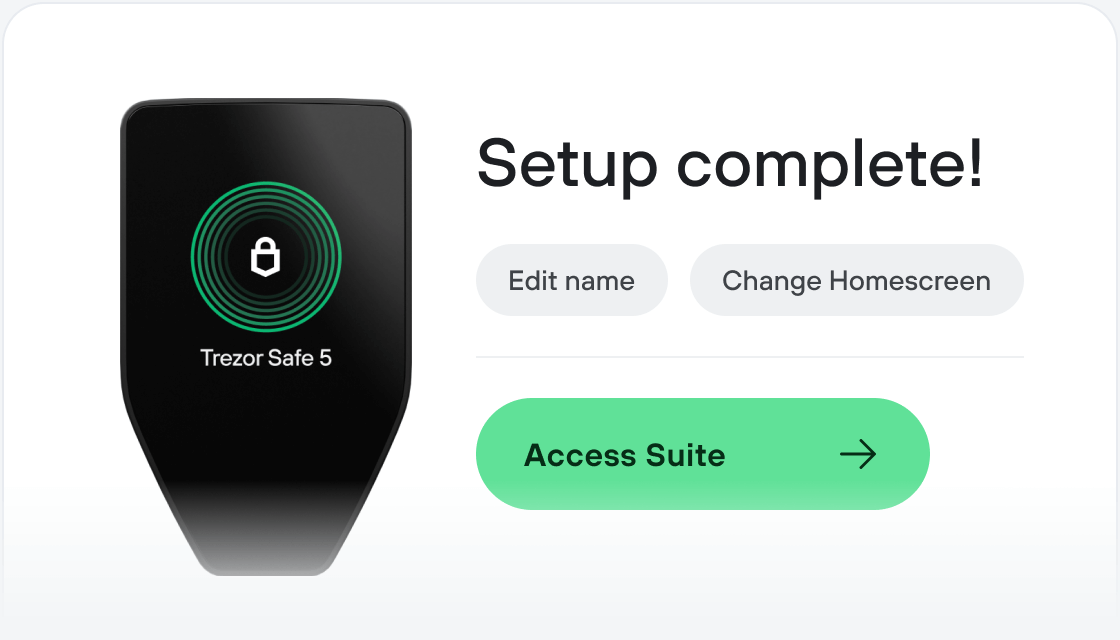
Conecte seu Trezor
Instale o aplicativo Trezor Suite
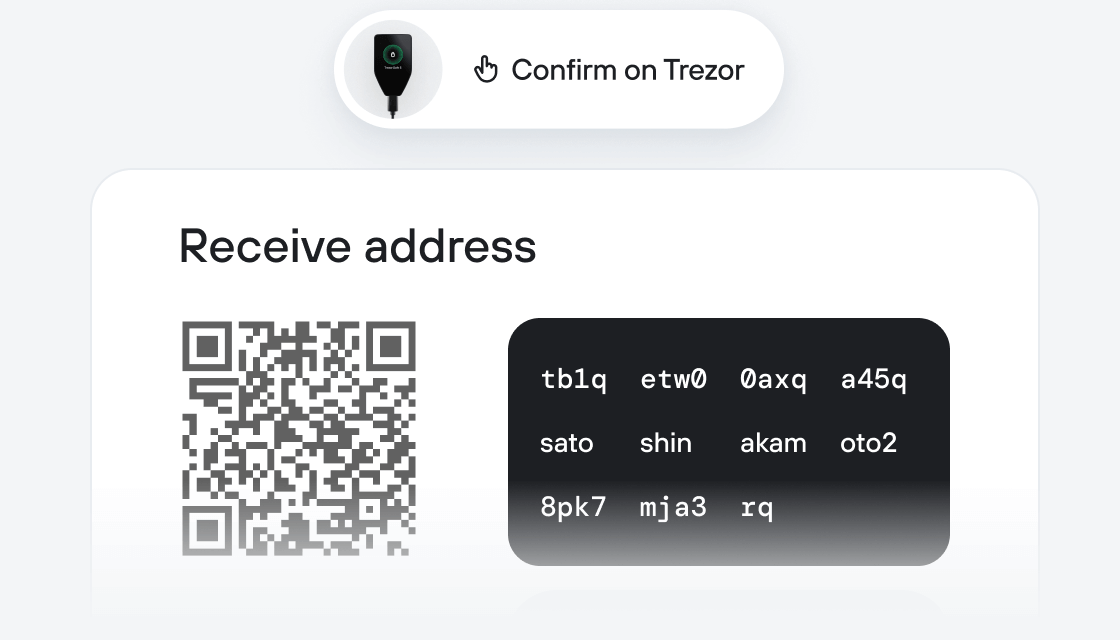
Transfira seu LPT
Aproveite o máximo do seu LPT
Trezor mantém o seu LPT seguro
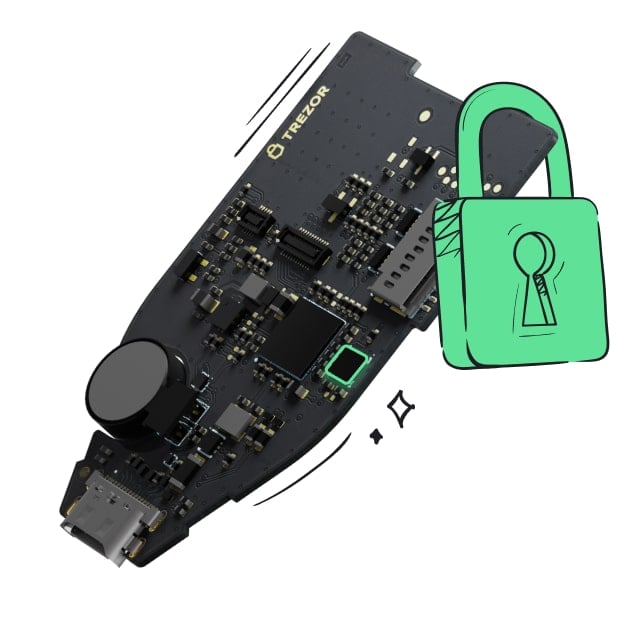 Protegido por Secure Element
A melhor defesa contra ameaças online e offline
 Seus tokens, seu controle
Controle absoluto de cada transação com confirmação no dispositivo
 A segurança começa no código aberto
O design transparente da carteira torna sua Trezor melhor e mais segura
 Backup de carteira claro & simples
Recupere o acesso a seus ativos digitais com um novo padrão de backup
 Confiança desde o primeiro dia
A embalagem & os selos de segurança protegem a integridade da sua Trezor
O projeto Livepeer tem como objetivo oferecer um protocolo de rede para transmissão de vídeo ao vivo totalmente descentralizado, altamente escalável, incentivado por tokens cripto e que resulte em uma solução capaz de servir como camada de mídia ao vivo no stack de desenvolvimento descentralizado (web3). Além disso, o Livepeer busca oferecer uma alternativa economicamente eficiente às soluções centralizadas de radiodifusão para qualquer emissora já existente. Neste documento, descrevemos o Protocolo Livepeer – um protocolo baseado em delegação de staking para incentivar a participação em uma rede de transmissão de vídeo ao vivo de maneira segura do ponto de vista da teoria dos jogos. Apresentamos soluções para a verificação escalável de trabalho descentralizado, assim como mecanismos para prevenir trabalhos inúteis na tentativa de manipular a alocação de tokens em um sistema inflacionário.
O Livepeer Token (LPT) é o token do protocolo da rede Livepeer, mas não é o token de meio de troca. Emissores usam Ether (ETH) da Ethereum para transmitir vídeos na rede. Nodos que contribuem com processamento e largura de banda recebem ETH na forma de taxas dos emissores. O LPT é um token de Staking que os participantes que desejam executar trabalhos na rede devem fazer staking para coordenar como o trabalho é distribuído e para garantir a segurança de que esse trabalho será realizado de maneira honesta e correta. O LPT tem os seguintes propósitos:
Serve como mecanismo de garantia em um sistema de Prova de Participação delegado, no qual o staking é delegado para transcodificadores (ou validadores) que participam do protocolo para transcodificar vídeo e validar trabalhos. O token, juntamente com o possível corte em caso de violação do protocolo, é necessário para proteger a rede contra diversos ataques. Mais detalhes abaixo. Roteia o trabalho pela rede proporcionalmente à quantidade de tokens em staking e delegados, funcionando essencialmente como um mecanismo de coordenação.
É uma unidade de conta específica do ecossistema Livepeer, formando a base do conceito de SectorCoin, aplicável a funcionalidades adicionais que serão introduzidas futuramente. Serviços como DVR, legendas, inserção/monetização de anúncios e análises podem ser integrados ao ecossistema Livepeer e potencialmente utilizar a segurança proporcionada pelo staking de LPT.
Uma alocação inicial de Livepeer Token será distribuída para que os participantes possam desempenhar diferentes papéis e utilizar a rede, sendo que novos tokens serão emitidos de acordo com uma programação algorítmica ao longo do tempo.
Seguindo as convenções da Ethereum e de muitos tokens ERC20 populares, o LPT será divisível por 10 ^ 18, com denominações maiores, como o próprio LPT, sendo utilizadas para transações de usuário como staking, e denominações menores sendo utilizadas para contabilidade do protocolo.