安全可靠的 Ajna Protocol 钱包
通过 Trezor 生态系统,全面自信地掌控您的 Ajna Protocol 资产。
- 由您的硬件钱包保护
- 搭配兼容的热钱包使用
- 全球超 200 万用户信赖
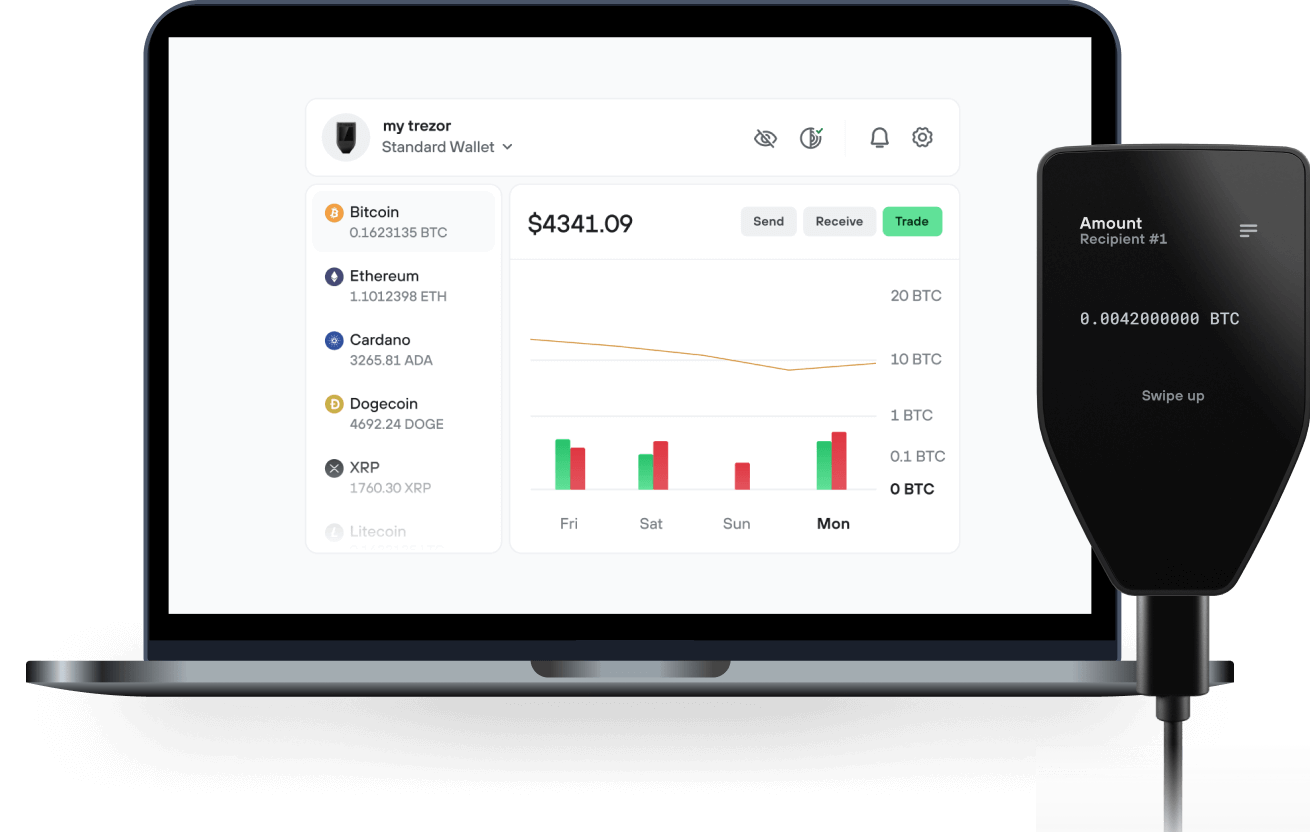
收发您的 Ajna Protocol 通过 Trezor Suite 应用

收发

兑换
支持 Ajna Protocol 的 Trezor 硬件钱包
让您的 Trezor 同步至钱包应用
通过将 Trezor 硬件钱包与多个钱包应用同步,管理您的 Ajna Protocol。
Trezor Suite
MetaMask
Rabby
支持的Ajna Protocol网络
为什么要用硬件钱包?

离线安全保护,尽在 Trezor
- 您 100% 拥有您的加密货币
- 离线保护私钥,大幅降低在线攻击风险
- 您的数据 100% 匿名
- 您的加密货币不受任何公司控制
在线交易所
- 若交易所出现问题,您将失去加密货币
- 交易所是黑客攻击的目标
- 您的个人数据可能会被暴露
- 您并不真正拥有您的加密货币
如何在 Trezor 上使用AJNA
请连接您的 Trezor 设备
安装 Trezor Suite 应用
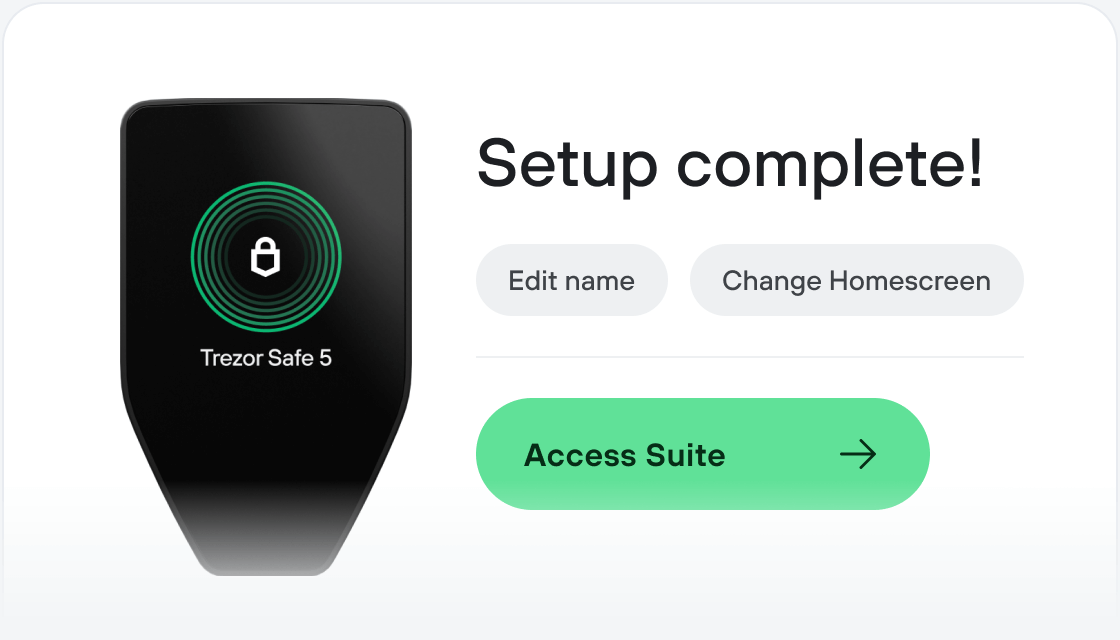
转账您的 AJNA
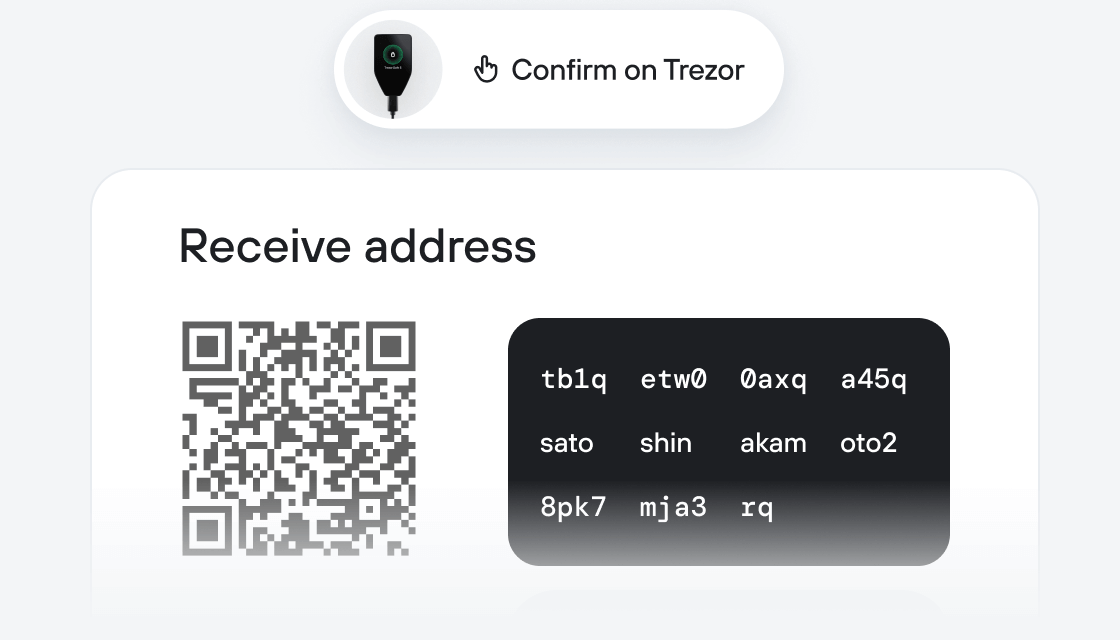
充分利用您的 AJNA
Trezor 助您安心管理 AJNA
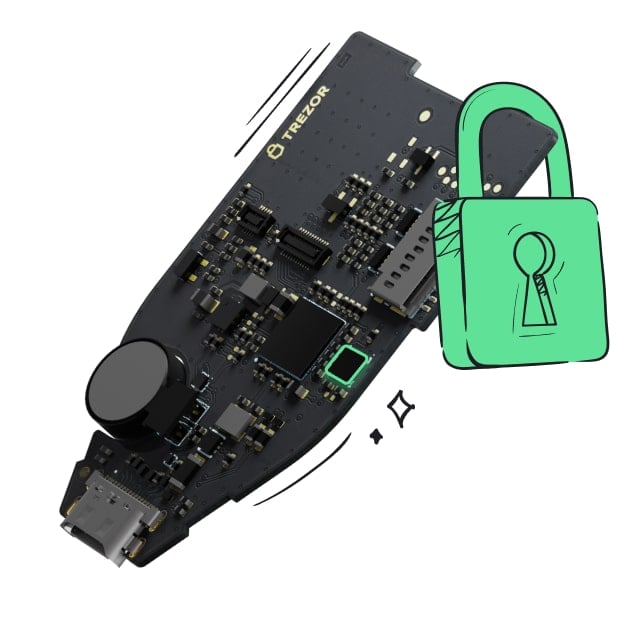 受安全芯片保护
对抗在线与离线威胁的可靠防线
 您的代币,您做主
通过设备确认,全面掌控每笔交易
 安全始于开源
透明钱包设计让您的 Trezor 更优更安全
 清晰简单的钱包备份
借助新一代备份标准恢复数字资产
 从第一天起就信心十足
包装与设备防拆封条共同保障 Trezor 设备完整性
The Ajna protocol facilitates peer-to-pool secured loans without governance and without external price feeds. Current lending and borrowing protocols which utilize smart contracts require active governance (e.g. to set rates and to update contracts) and/or rely on external price feeds (such as oracles like Chainlink). Because the pricing of collateral and parameterization of loans are left to subjective decision making through governance rather than market forces, these protocols carry both solvency and liquidity risk. Governance and maintenance overhead create barriers to entry in the market for lending and borrowing of on-chain assets. Ajna solves these problems with its unique design, which is defined by the following features:
Permissionless pool creation: Much like the popular DeFi primitive, the “automated market maker,” AMM, Ajna pools exist in unique pairs: quote token, provided by lenders and collateral token, provided by borrowers. Pools allow lenders to assess borrower demand for their quote token and for borrowers to assess lender demand for loans backed by their collateral. Pools are created permissionlessly, meaning anyone can create a pool to borrow arbitrary fungible tokens using arbitrary fungible or non-fungible tokens as collateral. Therefore, no governance process is needed to whitelist approved tokens.
Price specified lending: Ajna replaces external price feeds (oracles) by allowing lenders to input the price at which they’re willing to lend. This price is the amount of quote token (i.e. the token they are lending) they are willing to lend per unit of collateral pledged by the borrower. For example, if a lender deposits at price 100, they are willing to lend 100 units of quote token per one unit of collateral. Ajna pools separate prices into predefined buckets to reduce the complexity of the protocol, prices are therefore hereon referred to as “buckets”. Borrowers are then able to borrow from the aggregated liquidity of these various buckets.