Carteira Ajna Protocol segura & protegida
Assuma o controle dos seus Ajna Protocol ativos com completa confiança no ecossistema Trezor.
- Protegido por sua carteira de hardware
- Use com carteiras quentes compatíveis
- Confiança de mais de 2 milhões de clientes
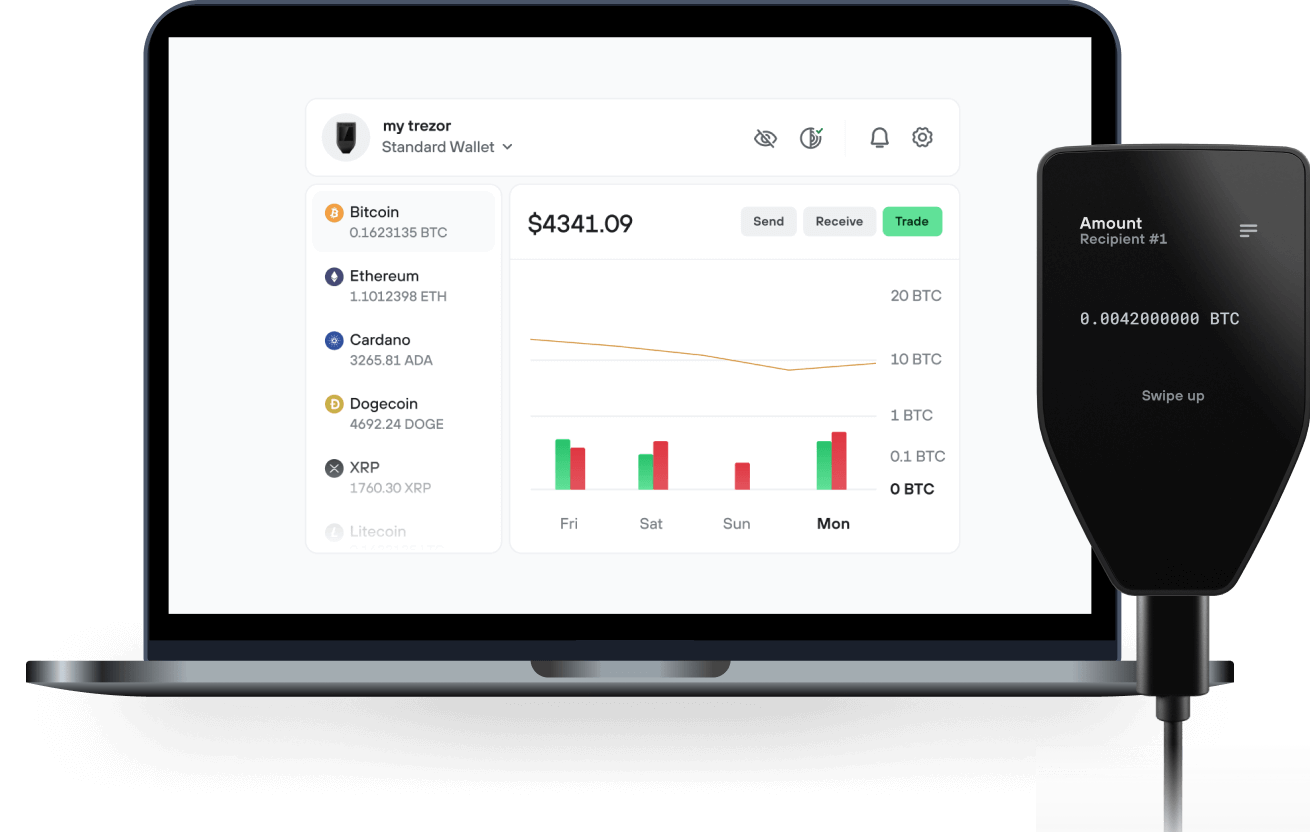
Envie & receba o seu Ajna Protocol com o app Trezor Suite

Enviar & receber

Troque
As carteiras de hardware Trezor suportam Ajna Protocol
Sincronize sua Trezor com apps de carteira
Gerencie a sua Ajna Protocol com sua carteira física Trezor sincronizada com vários apps de carteira.
Trezor Suite
MetaMask
Rabby
Redes Ajna Protocol Suportadas
Por que uma carteira de hardware?

Fique offline com a Trezor
- Você controla 100% das suas moedas
- Sua carteira está 100% segura offline
- Seus dados são 100% anônimos
- Suas moedas não estão vinculadas a nenhuma empresa
Corretoras online
- Se uma corretora falir, você perde suas moedas
- Corretoras são alvos de hackers
- Seus dados pessoais podem ter sido expostos
- Você não tem total controle das suas moedas
Como AJNA na Trezor
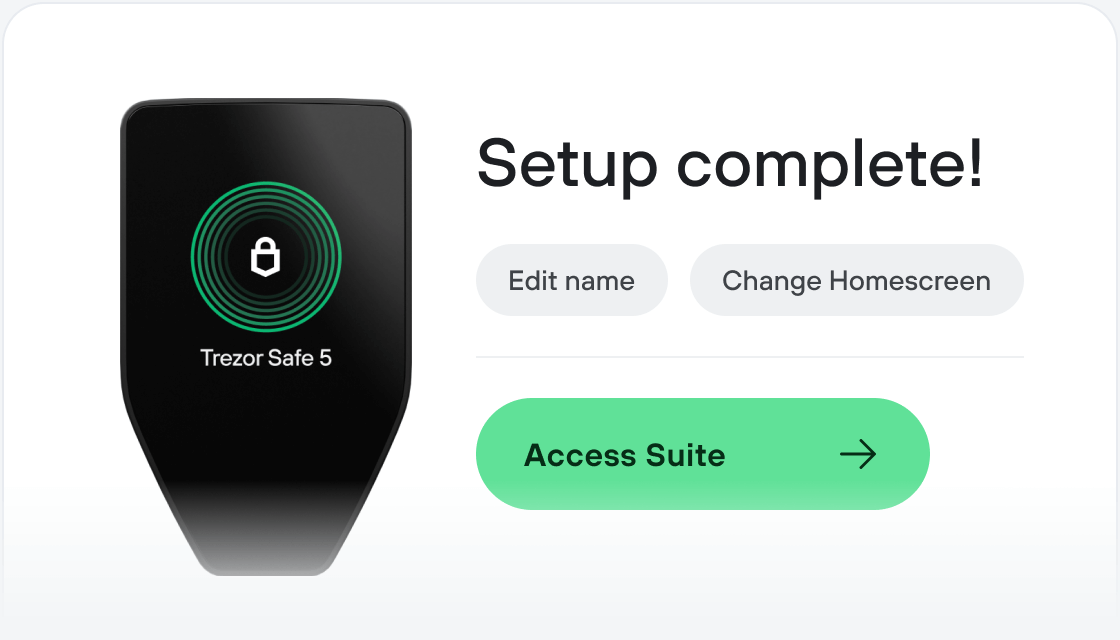
Conecte seu Trezor
Instale o aplicativo Trezor Suite
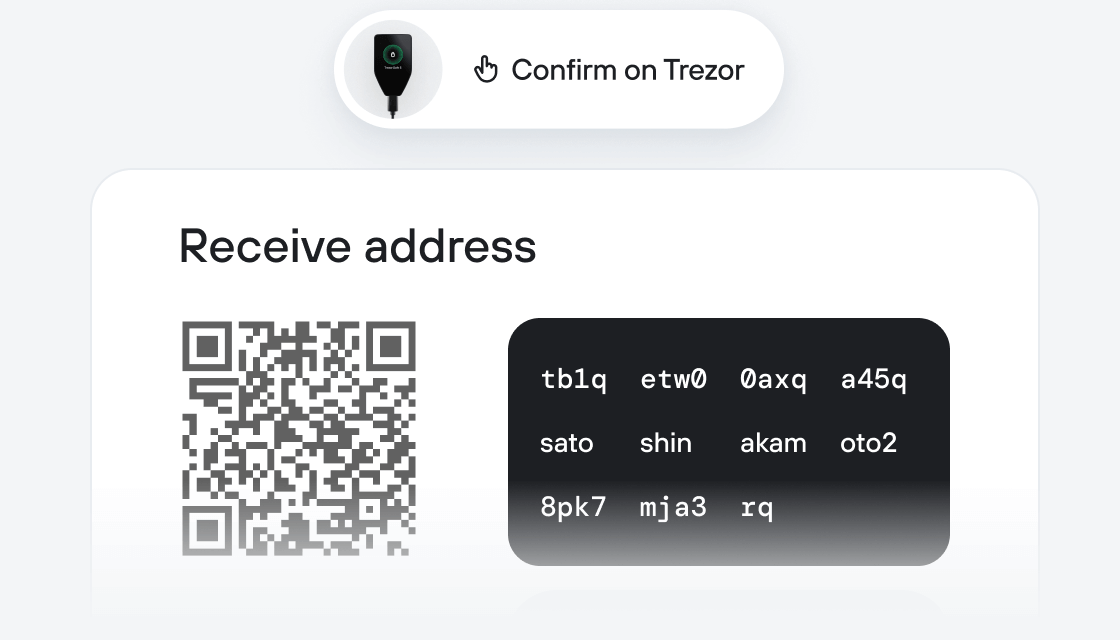
Transfira seu AJNA
Aproveite o máximo do seu AJNA
Trezor mantém o seu AJNA seguro
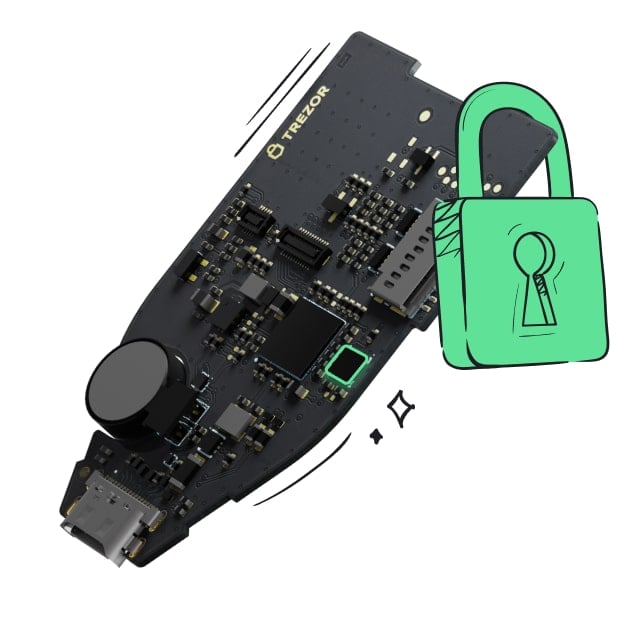 Protegido por Secure Element
A melhor defesa contra ameaças online e offline
 Seus tokens, seu controle
Controle absoluto de cada transação com confirmação no dispositivo
 A segurança começa no código aberto
O design transparente da carteira torna sua Trezor melhor e mais segura
 Backup de carteira claro & simples
Recupere o acesso a seus ativos digitais com um novo padrão de backup
 Confiança desde o primeiro dia
A embalagem & os selos de segurança protegem a integridade da sua Trezor
The Ajna protocol facilitates peer-to-pool secured loans without governance and without external price feeds. Current lending and borrowing protocols which utilize smart contracts require active governance (e.g. to set rates and to update contracts) and/or rely on external price feeds (such as oracles like Chainlink). Because the pricing of collateral and parameterization of loans are left to subjective decision making through governance rather than market forces, these protocols carry both solvency and liquidity risk. Governance and maintenance overhead create barriers to entry in the market for lending and borrowing of on-chain assets. Ajna solves these problems with its unique design, which is defined by the following features:
Permissionless pool creation: Much like the popular DeFi primitive, the “automated market maker,” AMM, Ajna pools exist in unique pairs: quote token, provided by lenders and collateral token, provided by borrowers. Pools allow lenders to assess borrower demand for their quote token and for borrowers to assess lender demand for loans backed by their collateral. Pools are created permissionlessly, meaning anyone can create a pool to borrow arbitrary fungible tokens using arbitrary fungible or non-fungible tokens as collateral. Therefore, no governance process is needed to whitelist approved tokens.
Price specified lending: Ajna replaces external price feeds (oracles) by allowing lenders to input the price at which they’re willing to lend. This price is the amount of quote token (i.e. the token they are lending) they are willing to lend per unit of collateral pledged by the borrower. For example, if a lender deposits at price 100, they are willing to lend 100 units of quote token per one unit of collateral. Ajna pools separate prices into predefined buckets to reduce the complexity of the protocol, prices are therefore hereon referred to as “buckets”. Borrowers are then able to borrow from the aggregated liquidity of these various buckets.