Sichere & geschützte OrdoFi Wallet
Übernimm die Kontrolle über deine OrdoFi Assets mit vollem Vertrauen in das Trezor Ökosystem.
- Gesichert durch deine Hardware-Wallet
- Nutze ihn mit kompatiblen Hot-Wallets
- Über 2 Millionen Kunden vertrauen uns
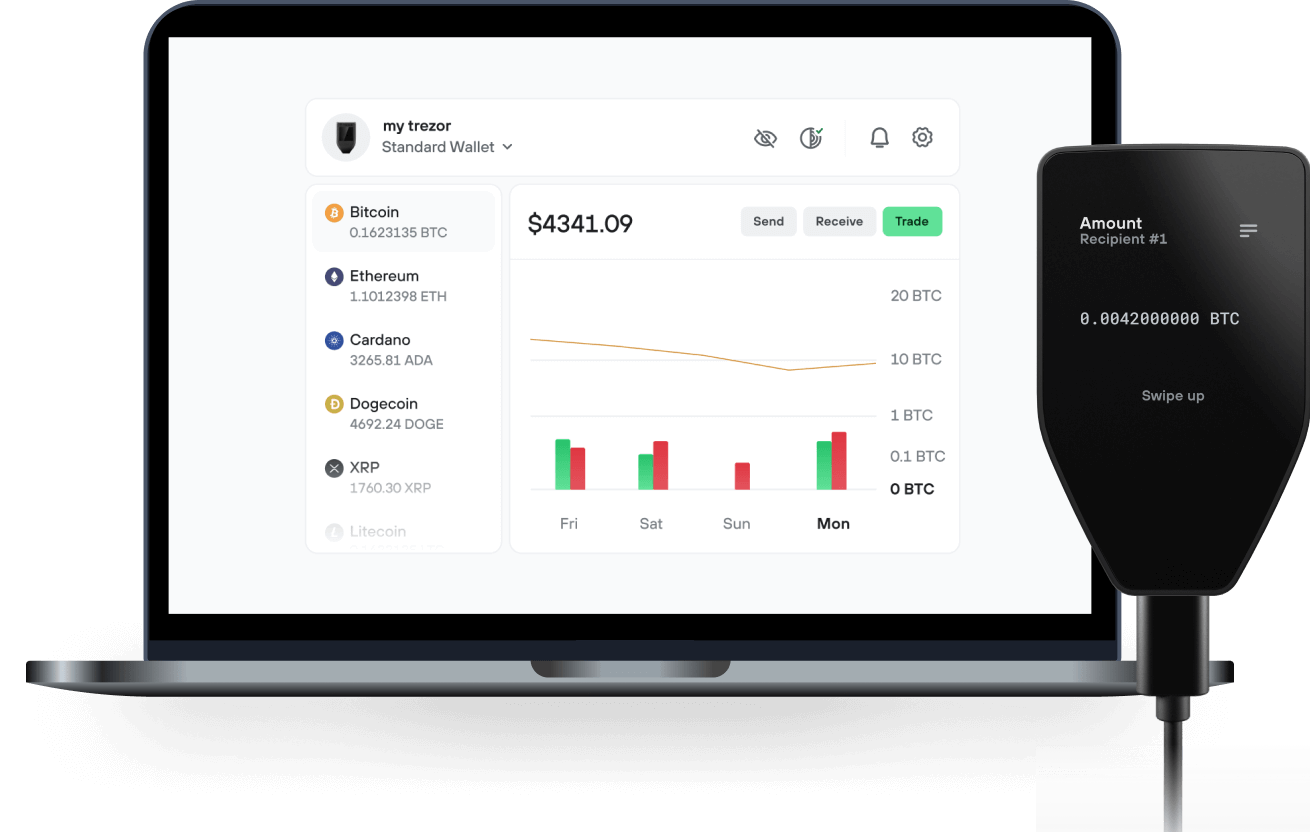
Sende & empfange deinen OrdoFi mit der Trezor Suite App

Sende & empfange
Trezor Hardware-Wallet, die OrdoFi unterstützen
Synchronisiere Trezor mit Wallet-Apps
Verwalte deine OrdoFi mit deiner Trezor Hardware-Wallet, die mit mehreren Wallet-Apps synchronisiert ist.
Trezor Suite
MetaMask
Rabby
Unterstütztes OrdoFi Netzwerk
Warum eine Hardware-Wallet?

Gehe offline mit Trezor
- Du besitzt 100 % deiner Coins
- Deine Wallet ist offline zu 100 % sicher
- Deine Daten sind zu 100 % anonym
- Deine Coins sind an keine Firma gebunden
Online-Börsen
- Wenn ein Umtausch fehlschlägt, verlierst du deine Coins
- Börsen sind Ziele von Hackern
- Deine persönlichen Daten könnten offengelegt werden
- Du besitzt deine Coins nicht wirklich
Wie man ORDO auf Trezor
Verbinde deinen Trezor
Öffne eine Drittanbieter-Wallet-App
Verwalte dein Vermögen
Mache das Beste aus deinen ORDO
Trezor hält dein ORDO sicher
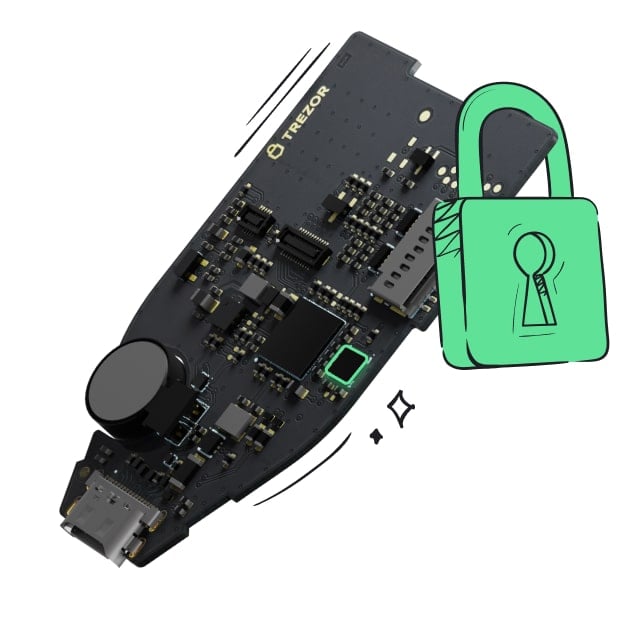 Geschützt durch Secure Element
Die beste Verteidigung gegen beides, online und offline Bedrohungen
 Deine Token, deine Kontrolle
Absolute Kontrolle über jede Transaktion mit Bestätigung auf dem Gerät
 Sicherheit beginnt mit Open-Source
Das transparente Wallet-Design macht deinen Trezor besser und sicherer
 Übersichtliches & einfaches Wallet-Backup
Stelle deinen Zugriff auf deine digitalen Assets wieder her mit einem neuen Backup-Standard
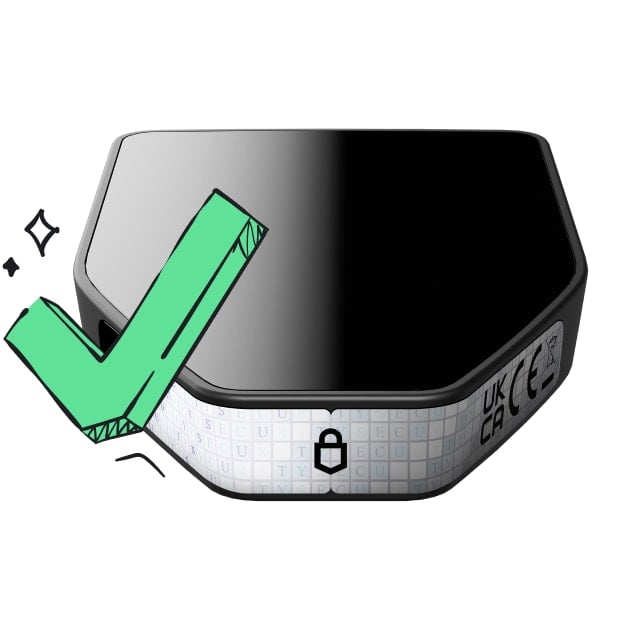 Vertrauen vom ersten Tag an
Verpackungs- & Gerätesicherheitssiegel schützen die Integrität deines Trezors
The execution layer for Robinhood Chain. A protected JSON-RPC gateway, a sealed-bid second-price backrun auction with signed and anchored outcomes, trust-minimised on-chain settlement, a sequencer feed relay, and the measurement that makes the numbers checkable. Overview# Robinhood Chain is an Arbitrum Nitro rollup with a single, first-come-first-served sequencer and no public mempool. Blocks arrive every ~100 ms. That combination changes what MEV looks like: nobody can front-run a pending transaction, because there is no pending set to read. What exists instead is a latency race to backrun: the sequencer feed reveals each transaction the instant it is ordered, and bots compete to trade immediately after anything that moves a pool.
OrdoFi sits between the user and the sequencer and does three things with that fact:
Protect the submission Every raw transaction is simulated from its recovered sender before it is forwarded. A transaction that would revert is refused and never pays gas. Nothing is broadcast to a third-party provider on the way; sends go to the sequencer operator's endpoint.
Auction the backrun If a transaction touches a pool, the right to trade right after it is sold in a sealed-bid, second-price auction that closes in 200 ms. The user's transaction is dispatched first, then the winner's. The clearing price is charged on-chain and 90% returns as rebates.
Make it checkable Bids are acknowledged and rounds are receipted under EIP-712 signatures from the auctioneer; receipts are Merkle-anchored to OrdoReceiptLog. An independent watcher measures backrun extraction across every venue and publishes it.