Billetera OrdoFi segura y protegida
Toma el control de tus OrdoFi activos con total confianza en el ecosistema de Trezor.
- Protegido por tu billetera física
- Usa con billeteras digitales compatibles
- Con la confianza de más de 2 millones de clientes
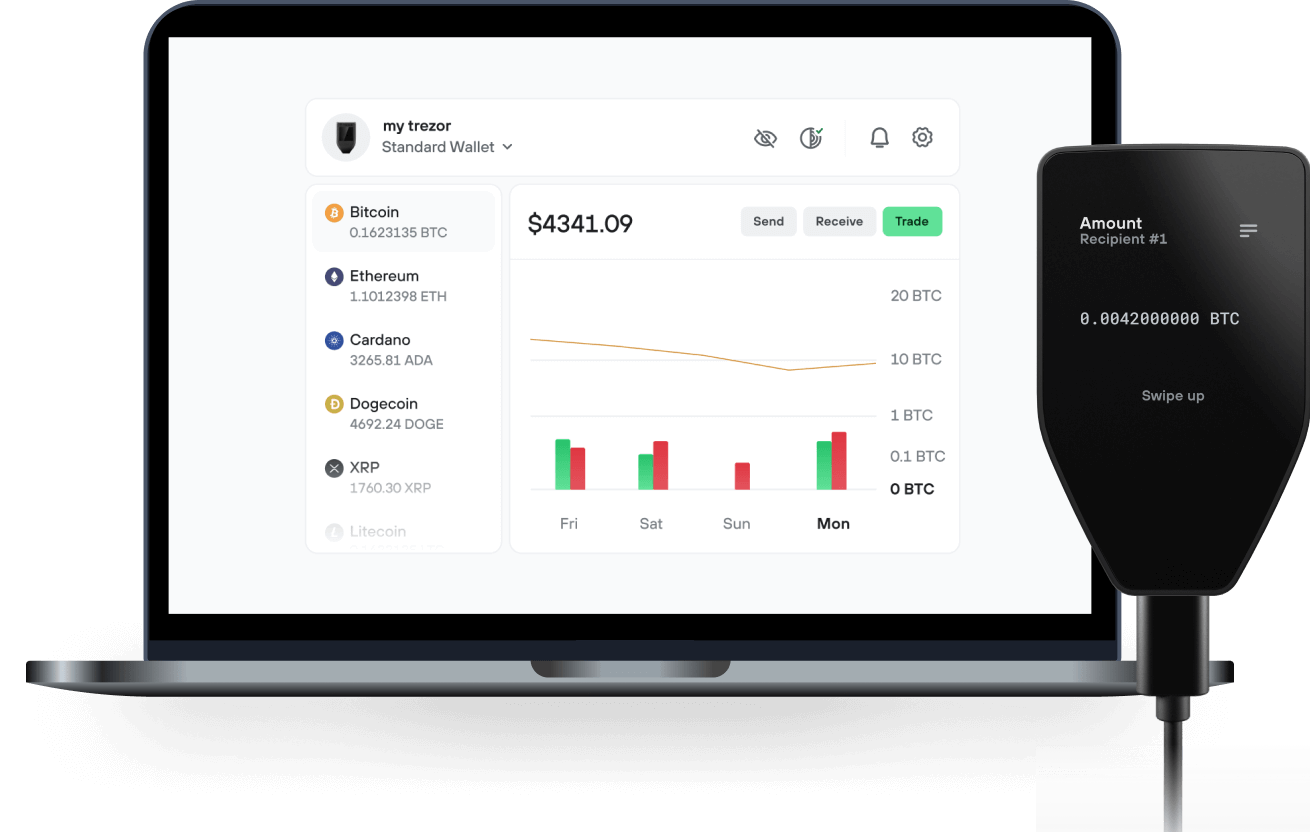
Envía y recibe tu OrdoFi con la app Trezor Suite

Enviar y recibir
Billeteras físicas Trezor compatibles con OrdoFi
Sincroniza tu Trezor con apps de billeteras
Gestiona tus OrdoFi con tu billetera física Trezor sincronizada con apps de billeteras.
Trezor Suite
MetaMask
Rabby
Red OrdoFi Compatible
¿Por qué una billetera física?

Desconéctate con Trezor
- Tus monedas son 100% tuyas
- Tu billetera está 100% segura offline
- Tus datos son 100% anónimos
- Tus monedas no están atadas a una compañía
Exchanges en línea
- Si un exchange falla, pierdes tus monedas
- Los exchanges son blanco de los hackers
- Tu información personal puede ser expuesta
- Tus monedas no son realmente tuyas
¿Cómo usar ORDO en Trezor?
Conectar tu Trezor
Abre una app de billetera de terceros
Gestiona tus activos
Aprovecha al máximo tus ORDO
Trezor mantiene tus ORDO seguros
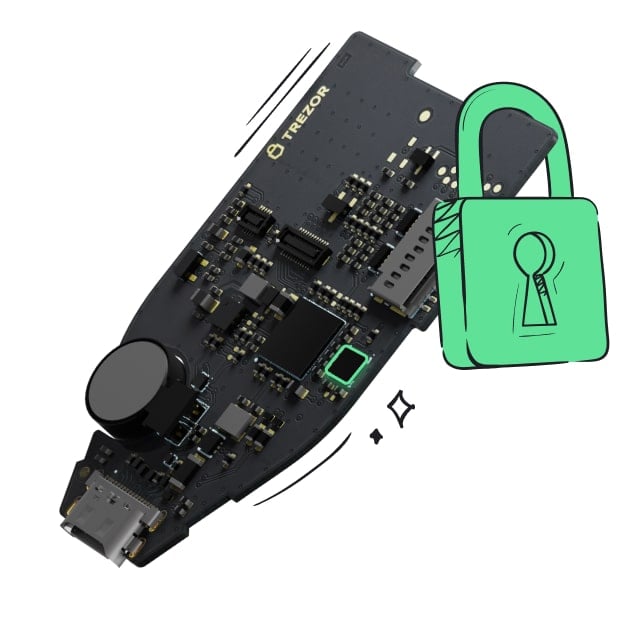 Protegido por Elemento Seguro
La mejor defensa contra amenazas tanto online como offline
 Tus tokens, bajo tu control
Control absoluto de cada transacción con confirmación directa en el dispositivo
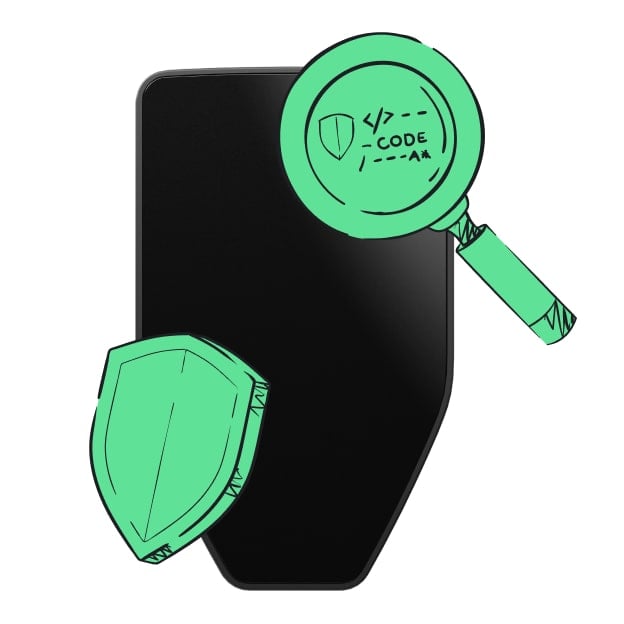 La seguridad empieza por código abierto
Un diseño de billetera de forma transparente hace que tu Trezor sea más seguro y confiable
 Copia de seguridad de billetera clara y sencilla
Recupera el acceso a tus activos digitales con nuevo estándar de copia de seguridad
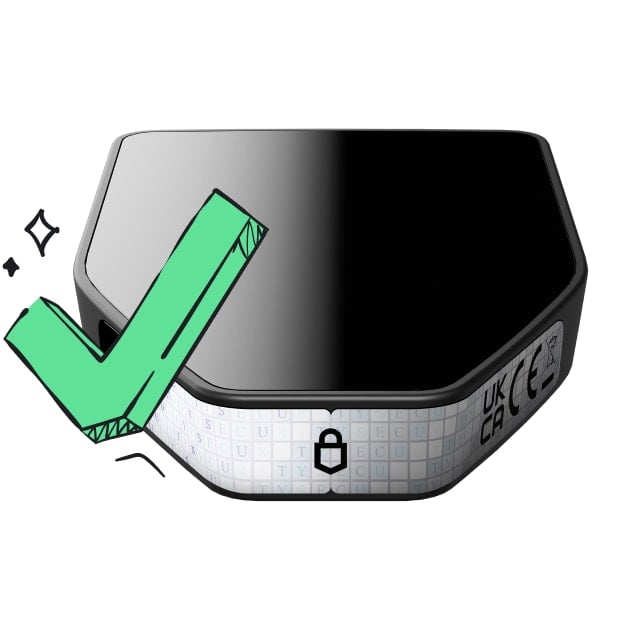 Confianza desde el primer día
El embalaje y los sellos de seguridad del dispositivo protegen la integridad de tu Trezor
The execution layer for Robinhood Chain. A protected JSON-RPC gateway, a sealed-bid second-price backrun auction with signed and anchored outcomes, trust-minimised on-chain settlement, a sequencer feed relay, and the measurement that makes the numbers checkable. Overview# Robinhood Chain is an Arbitrum Nitro rollup with a single, first-come-first-served sequencer and no public mempool. Blocks arrive every ~100 ms. That combination changes what MEV looks like: nobody can front-run a pending transaction, because there is no pending set to read. What exists instead is a latency race to backrun: the sequencer feed reveals each transaction the instant it is ordered, and bots compete to trade immediately after anything that moves a pool.
OrdoFi sits between the user and the sequencer and does three things with that fact:
Protect the submission Every raw transaction is simulated from its recovered sender before it is forwarded. A transaction that would revert is refused and never pays gas. Nothing is broadcast to a third-party provider on the way; sends go to the sequencer operator's endpoint.
Auction the backrun If a transaction touches a pool, the right to trade right after it is sold in a sealed-bid, second-price auction that closes in 200 ms. The user's transaction is dispatched first, then the winner's. The clearing price is charged on-chain and 90% returns as rebates.
Make it checkable Bids are acknowledged and rounds are receipted under EIP-712 signatures from the auctioneer; receipts are Merkle-anchored to OrdoReceiptLog. An independent watcher measures backrun extraction across every venue and publishes it.