Dompet OrdoFi yang aman & terlindungi
Kendalikan OrdoFi aset Anda sepenuhnya dengan percaya diri di ekosistem Trezor.
- Diamankan oleh dompet perangkat keras Anda
- Gunakan dengan dompet panas yang kompatibel
- Dipercaya oleh lebih dari 2 juta pelanggan
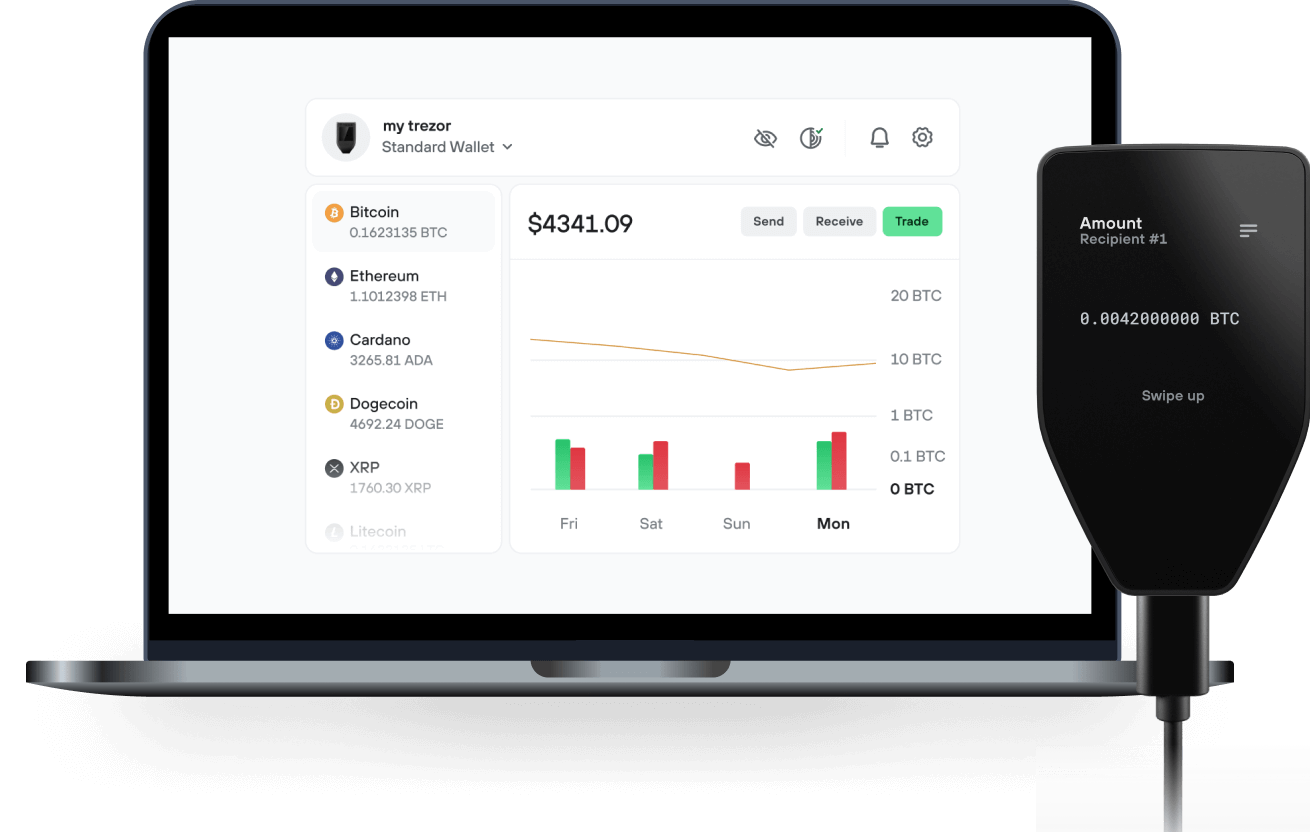
Kirim & terima OrdoFi Anda dengan aplikasi Trezor Suite

Kirim & terima
Dompet perangkat keras Trezor yang mendukung OrdoFi
Sinkronkan Trezor Anda dengan aplikasi dompet
Kelola OrdoFi Anda dengan dompet perangkat keras Trezor yang terhubung dengan beberapa aplikasi dompet.
Trezor Suite
MetaMask
Rabby
Jaringan OrdoFi yang didukung
Mengapa dompet perangkat keras?

Offline bersama Trezor
- Anda memiliki 100% koin Anda
- Dompet Anda 100% aman secara offline
- Data Anda 100% anonim
- Koin Anda tidak terikat pada perusahaan mana pun
Bursa online
- Jika sebuah bursa gagal, Anda akan kehilangan koin Anda
- Bursa menjadi target para peretas
- Data pribadi Anda mungkin terekspos
- Anda tidak benar-benar memiliki koin Anda
Cara menggunakan ORDO di Trezor
Hubungkan Trezor Anda
Buka aplikasi dompet pihak ketiga
Kelola aset Anda
Maksimalkan ORDO Anda
Trezor menjaga ORDO Anda tetap aman
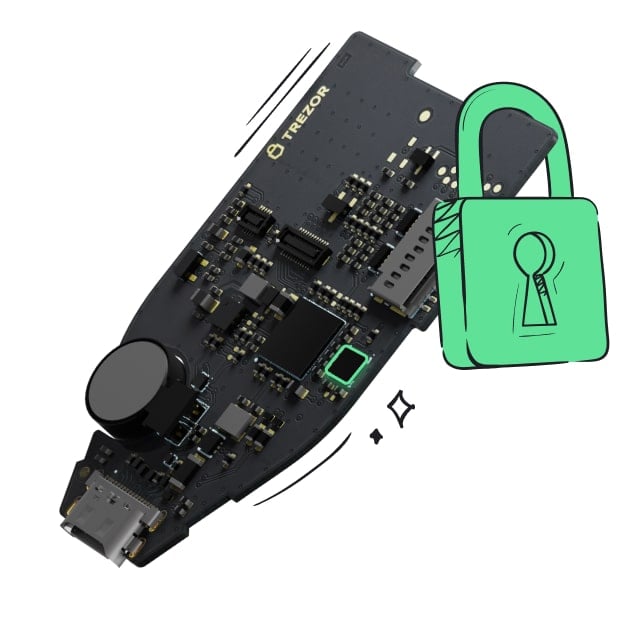 Dilindungi oleh Secure Element
Perlindungan terbaik terhadap ancaman online dan offline
 Token Anda, kendali Anda
Kontrol penuh atas setiap transaksi dengan konfirmasi langsung di perangkat
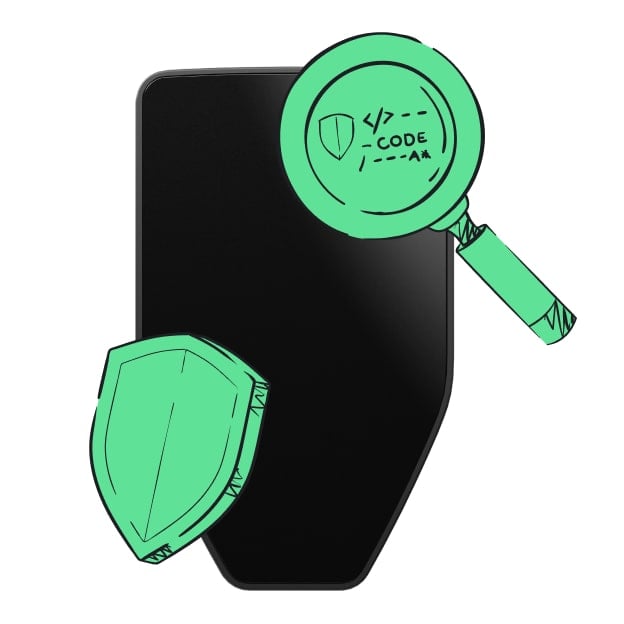 Keamanan dimulai dengan open-source
Desain dompet transparan membuat Trezor Anda lebih baik dan lebih aman
 Cadangan dompet yang jelas & sederhana
Pulihkan akses ke aset digital Anda dengan standar cadangan baru
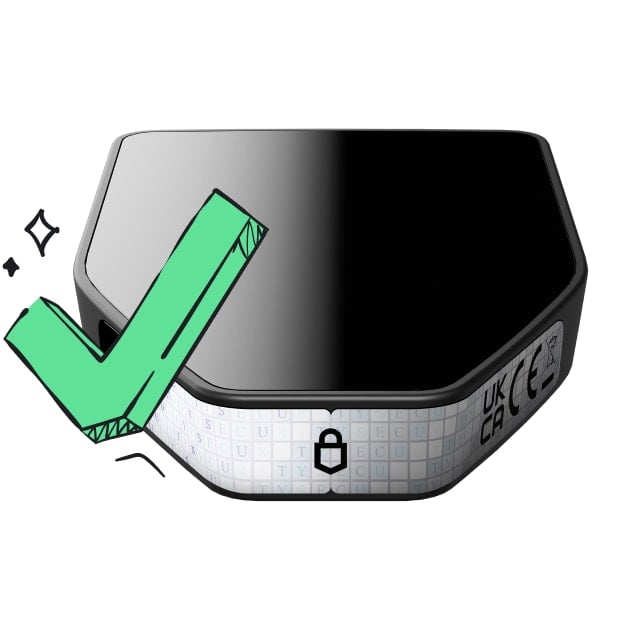 Percaya diri sejak hari pertama
Segel pengaman kemasan & perangkat melindungi integritas Trezor Anda
The execution layer for Robinhood Chain. A protected JSON-RPC gateway, a sealed-bid second-price backrun auction with signed and anchored outcomes, trust-minimised on-chain settlement, a sequencer feed relay, and the measurement that makes the numbers checkable. Overview# Robinhood Chain is an Arbitrum Nitro rollup with a single, first-come-first-served sequencer and no public mempool. Blocks arrive every ~100 ms. That combination changes what MEV looks like: nobody can front-run a pending transaction, because there is no pending set to read. What exists instead is a latency race to backrun: the sequencer feed reveals each transaction the instant it is ordered, and bots compete to trade immediately after anything that moves a pool.
OrdoFi sits between the user and the sequencer and does three things with that fact:
Protect the submission Every raw transaction is simulated from its recovered sender before it is forwarded. A transaction that would revert is refused and never pays gas. Nothing is broadcast to a third-party provider on the way; sends go to the sequencer operator's endpoint.
Auction the backrun If a transaction touches a pool, the right to trade right after it is sold in a sealed-bid, second-price auction that closes in 200 ms. The user's transaction is dispatched first, then the winner's. The clearing price is charged on-chain and 90% returns as rebates.
Make it checkable Bids are acknowledged and rounds are receipted under EIP-712 signatures from the auctioneer; receipts are Merkle-anchored to OrdoReceiptLog. An independent watcher measures backrun extraction across every venue and publishes it.