安全可靠的 Suzaku Token 钱包
通过 Trezor 生态系统,全面自信地掌控您的 Suzaku Token 资产。
- 由您的硬件钱包保护
- 搭配兼容的热钱包使用
- 全球超 200 万用户信赖
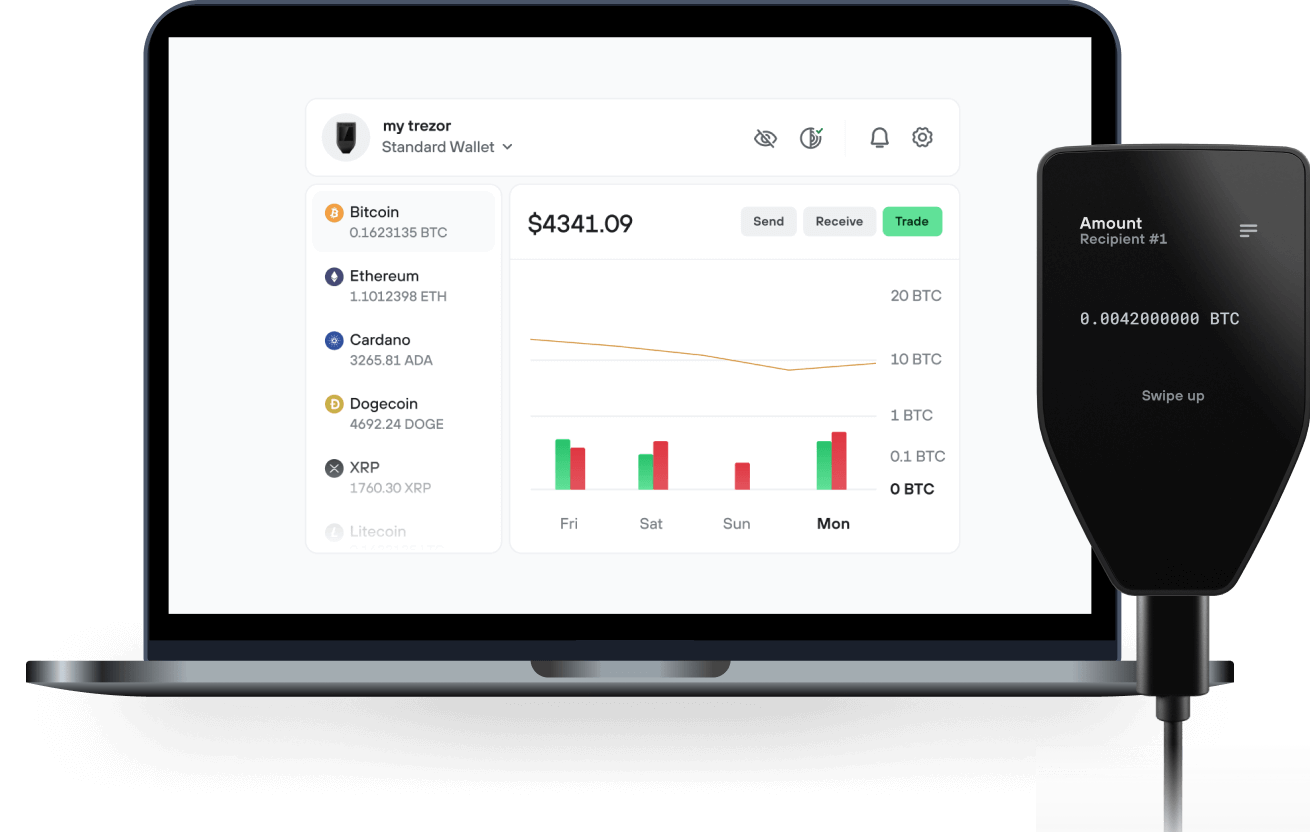
收发您的 Suzaku Token 通过 Trezor Suite 应用

收发

兑换
支持 Suzaku Token 的 Trezor 硬件钱包
让您的 Trezor 同步至钱包应用
通过将 Trezor 硬件钱包与多个钱包应用同步,管理您的 Suzaku Token。
Trezor Suite
MetaMask
Rabby
支持的Suzaku Token网络
为什么要用硬件钱包?

离线安全保护,尽在 Trezor
- 您 100% 拥有您的加密货币
- 离线保护私钥,大幅降低在线攻击风险
- 您的数据 100% 匿名
- 您的加密货币不受任何公司控制
在线交易所
- 若交易所出现问题,您将失去加密货币
- 交易所是黑客攻击的目标
- 您的个人数据可能会被暴露
- 您并不真正拥有您的加密货币
如何在 Trezor 上使用SUZ
请连接您的 Trezor 设备
安装 Trezor Suite 应用
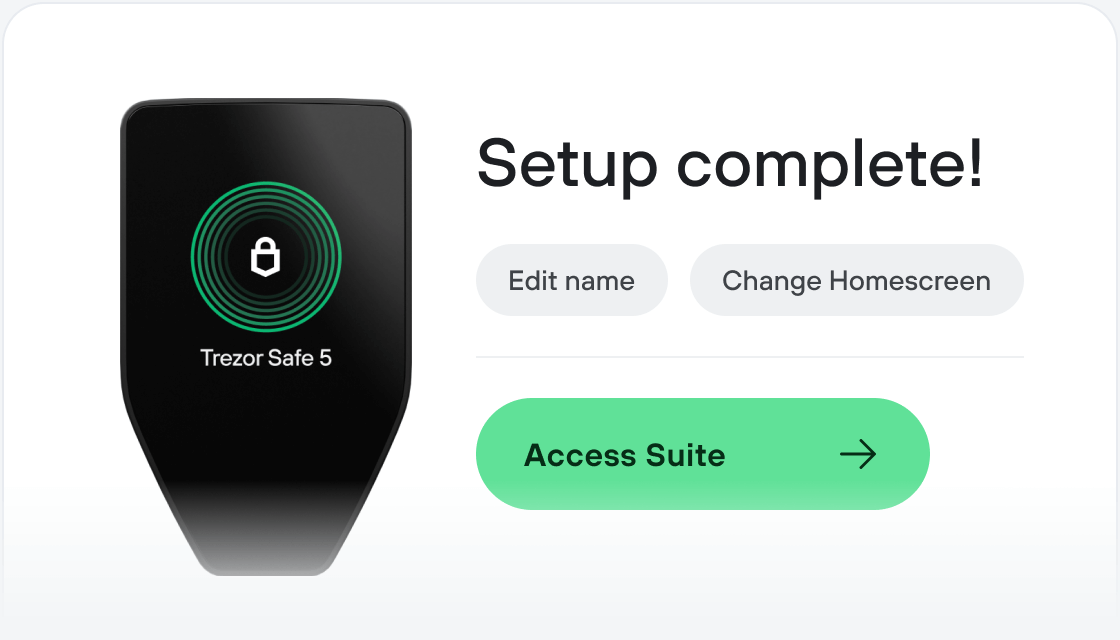
转账您的 SUZ
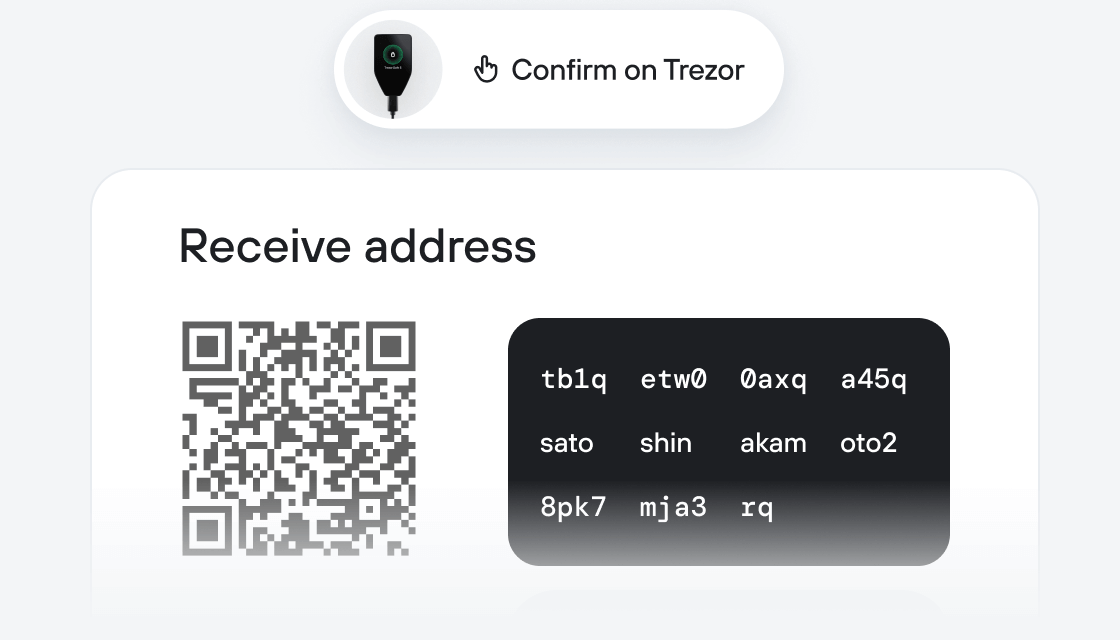
充分利用您的 SUZ
Trezor 助您安心管理 SUZ
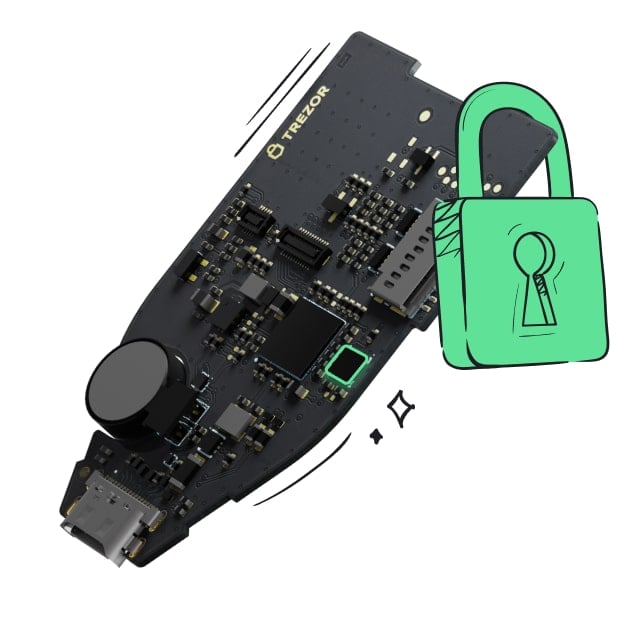 受安全芯片保护
对抗在线与离线威胁的可靠防线
 您的代币,您做主
通过设备确认,全面掌控每笔交易
 安全始于开源
透明钱包设计让您的 Trezor 更优更安全
 清晰简单的钱包备份
借助新一代备份标准恢复数字资产
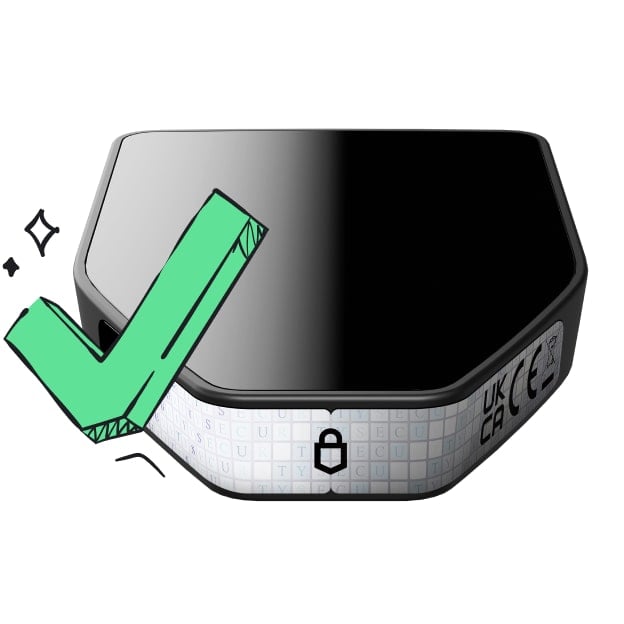 从第一天起就信心十足
包装与设备防拆封条共同保障 Trezor 设备完整性
Suzaku is the Decentralization Hub for Avalanche L1s.
It is a permissionless protocol allowing:
- Anyone to (re)stake their assets to provide cryptoeconomic security
- Anyone to curate (re)staking strategies for their delegators
- Anyone to operate infrastructure to decentralize L1 blockchains
- Anyone to create their L1 and secure their decentralization journey
Avalanche is a network of blockchains known for its flexibility and scalability, with a focus on Web3 gaming and other resource-demanding endeavours. Avalanche also caters to developers who wish to build their own blockchain networks for scalability, sovereignty, or regulatory reasons.
Each Avalanche chain (simply called “Avalanche L1”) is fully sovereign with its independent consensus and data layers, and specific security model, while remaining natively interoperable with other L1s of the Avalanche ecosystem.
Suzaku positions itself as the go-to protocol to help new L1s with all these challenging questions. In order to understand what they do, we should first briefly touch upon liquid staking through LSTs (Liquid Staking Tokens) and restaking.
In a simplified version, restaking is a powerful concept, where new L1s can “borrow” security from established networks in exchange for some rewards for validators. For L1s launching on Suzaku, this means the following benefits:
- Solving the cold-start problem. New projects will struggle to attract enough validators to secure their network at launch. Restaking allows them to leverage existing stake on other networks. This provides them with immediate cryptoeconomic security without needing to bootstrap their own from scratch.
- Increased gains for (re)stakers. Users can restake their tokens to secure multiple L1s, earning an APY from each of these. This increases the % amount one can make from their assets.
LSTs are tokenised representations of staked assets. You can think of them as tokenised receipts that confirm your stake, but also allow you to further use this receipt in DeFi. And besides the better capital efficiency, there’s another important aspect - simplicity. Staking itself is usually somewhat of a complex process for beginners, but getting your hands on an LST is as easy as buying any other token.
The new L1 benefits from this service in multiple ways. The fact that the LSTs allow for much greater capital efficiency, they act as a powerful catalyst for broader participation. This indirectly supports decentralization by encouraging broader participation in staking. If there is also sufficient liquidity on the LST, users can also efficiently exit their position instantaneously on the secondary markets, further increasing their appeal.
In essence, Suzaku is an automated marketplace to connect Avalanche validators with new Avalanche sovereign L1s, while boosting yields for stakers.