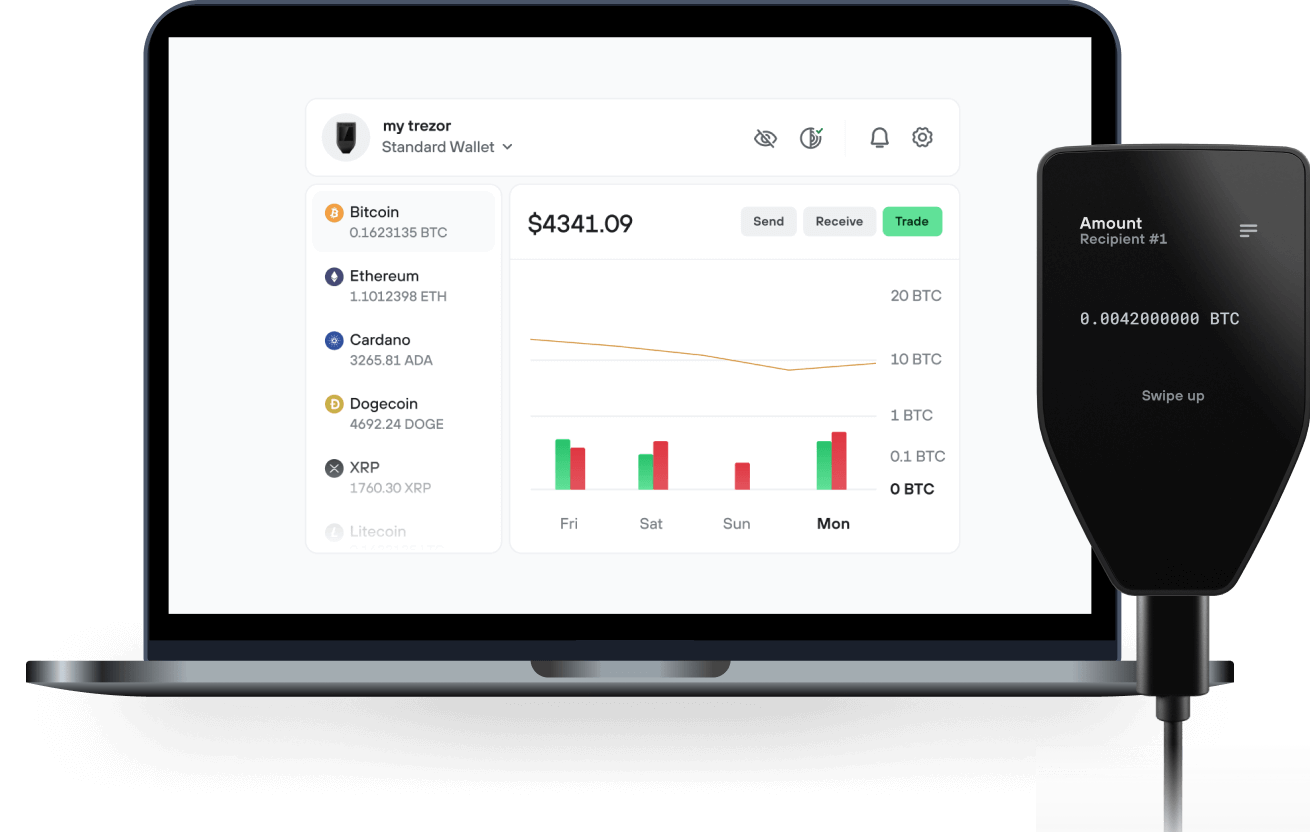
收发您的 Sai 通过 Trezor Suite 应用

收发
兑换
支持 Sai 的 Trezor 硬件钱包
让您的 Trezor 同步至钱包应用
通过将 Trezor 硬件钱包与多个钱包应用同步,管理您的 Sai。
Trezor Suite
MetaMask
Rabby
支持的Sai网络
为什么要用硬件钱包?

离线安全保护,尽在 Trezor
- 您 100% 拥有您的加密货币
- 离线保护私钥,大幅降低在线攻击风险
- 您的数据 100% 匿名
- 您的加密货币不受任何公司控制
在线交易所
- 若交易所出现问题,您将失去加密货币
- 交易所是黑客攻击的目标
- 您的个人数据可能会被暴露
- 您并不真正拥有您的加密货币
如何在 Trezor 上使用SAI
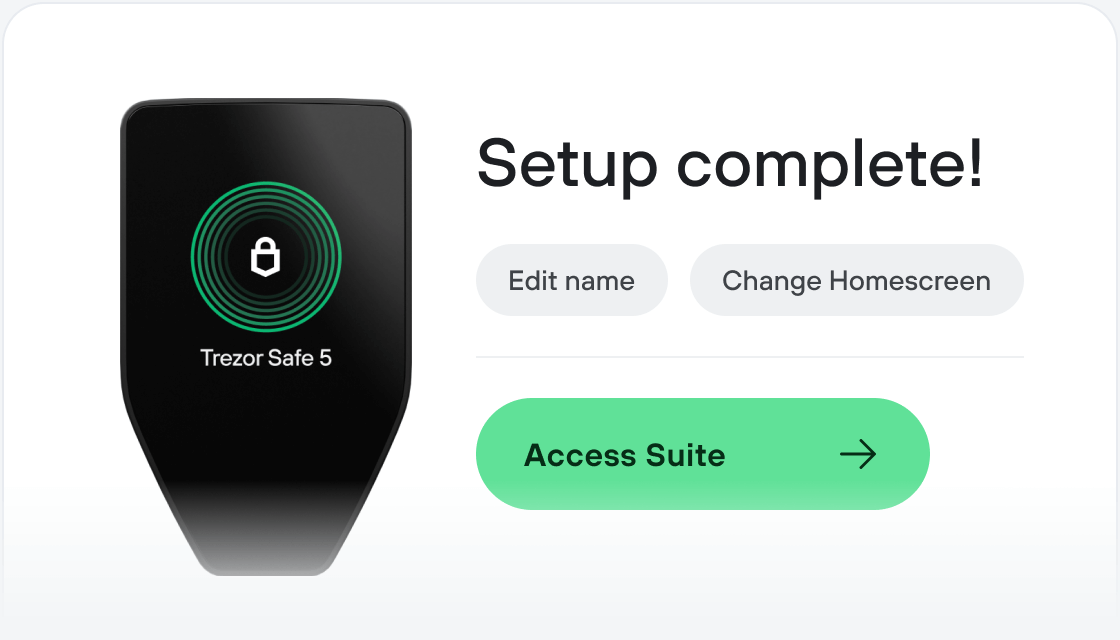
请连接您的 Trezor 设备
安装 Trezor Suite 应用
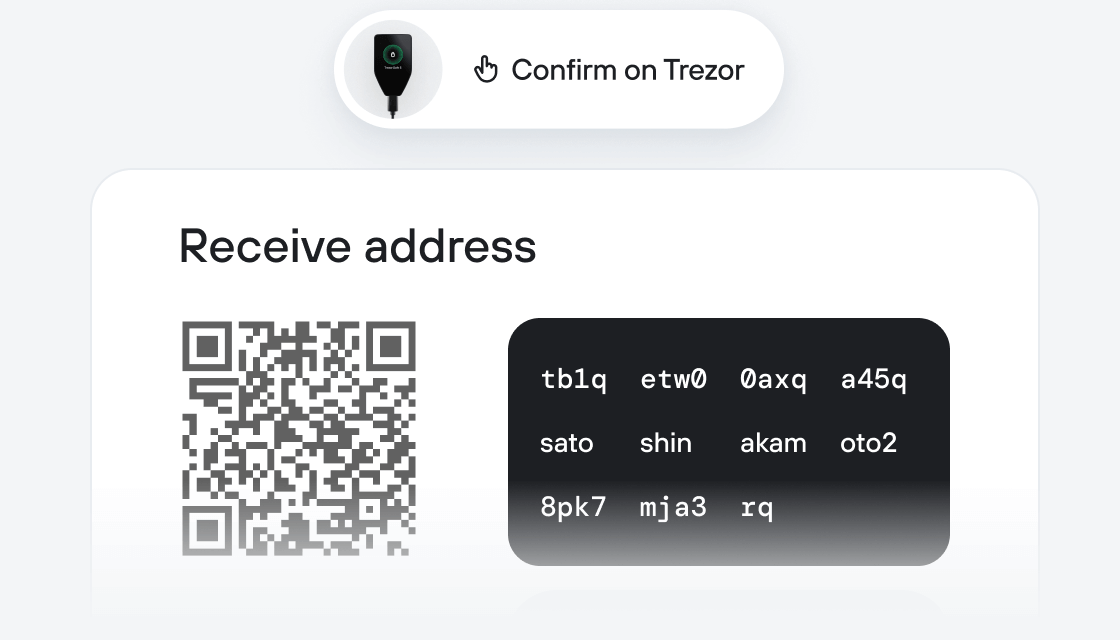
转账您的 SAI
充分利用您的 SAI
Trezor 助您安心管理 SAI
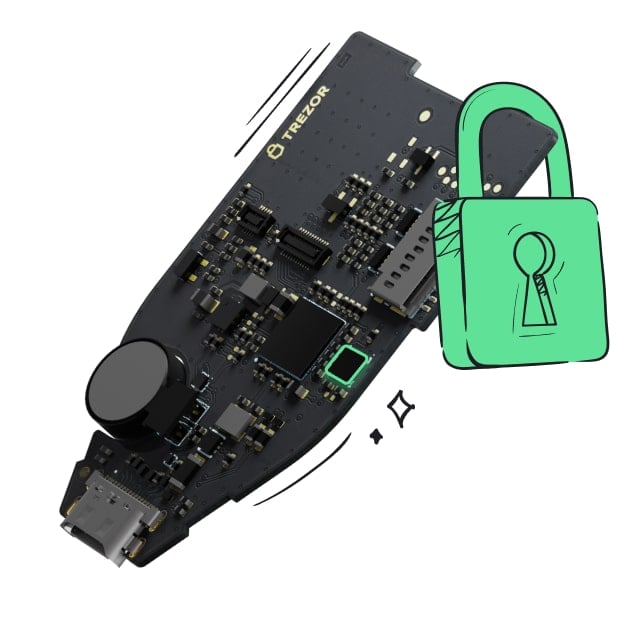 受安全芯片保护
对抗在线与离线威胁的可靠防线
 您的代币,您做主
通过设备确认,全面掌控每笔交易
 安全始于开源
透明钱包设计让您的 Trezor 更优更安全
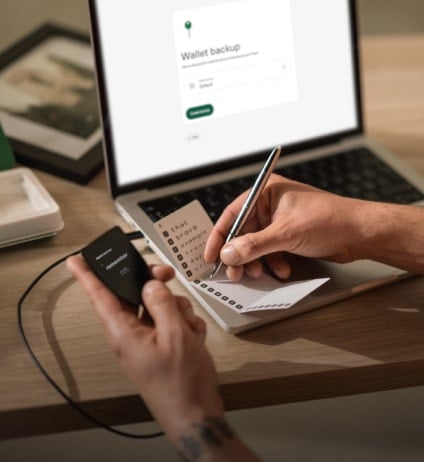 清晰简单的钱包备份
借助新一代备份标准恢复数字资产
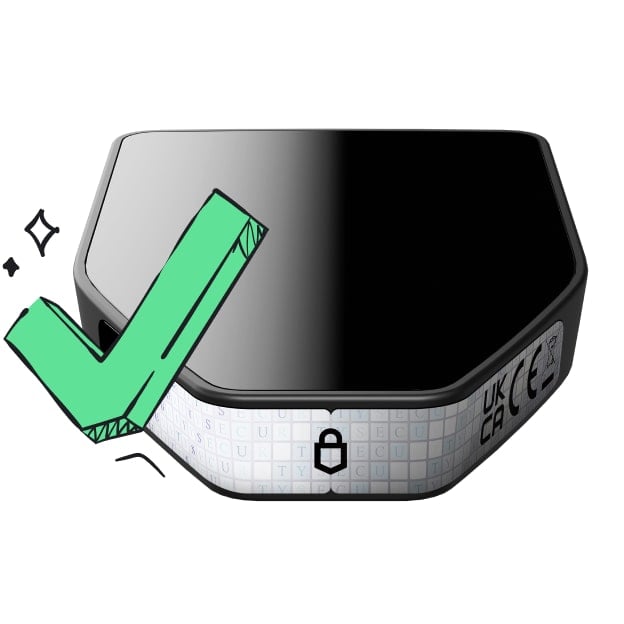 从第一天起就信心十足
包装与设备防拆封条共同保障 Trezor 设备完整性
Dai is a stablecoin. It is an Ethereum ERC20 token that is pegged to $1 USD — every Dai is worth $1, and will always be worth $1, regardless of how much Dai is in existence. There is no centralized authority like Tether that backs its value, and no traditional bank that backs each Dai with a real US dollar. There is nothing that can be shut down, and no centralized authority that needs to be trusted. Dai lives entirely within the Ethereum blockchain using smart contracts.
*Features of Dai:
- Dai is always worth $1 USD each
- It can be freely traded like any other ERC20 token
- Anyone with an Ethereum wallet can own, accept, and transfer it
- It can be exchanged without any middleman
- No individual person or company has control over it
- No government or authority can shut it down
*How Dai Works? Dai is a masterpiece of game theory that carefully balances economic incentives in the pursuit of one goal — a token that is continuously approaching the value of $1 USD.
When Dai is worth above $1, mechanisms work to decrease the price. When Dai is worth below $1, mechanisms work to increase the price. The rational actors that take part in these mechanisms do so because they earn money anytime Dai is not perfectly worth $1. This is why Dai is always floating slightly above or below $1 — it is an endless wave function bouncing infinitely close to $1, but never quite achieving it. The farther Dai goes from $1, the more incentive there is to fix it. This is the magic of Dai.
*How is Dai Created? Dai is simply a loan against Ethereum. By using the MakerDAO dApp, advanced users can take loans out in Dai against their ETH holdings.
First, ETH is turned into “wrapped ETH” (WETH), which is simply an ERC20 wrapping around ETH. This “tokenizes” ETH so it can be used like any other ERC20 token. Next, WETH is turned into “pooled ETH” (PETH), which means it joins a large pool of Ethereum that is the collateral for all Dai created. Once you have PETH, you can create a “collateralized debt position” (CDP), which locks up your PETH and allows you to draw Dai against your collateral, which is PETH. As you draw out Dai, the ratio of debt in the CDP increases. There is a debt limit that sets a maximum amount of Dai you can draw against your CDP. Once you have Dai, you can spend or trade it freely like any other ERC20 token.
*There are several important reasons why you would create Dai, despite the hassle:
-
You need a loan, and have an asset (ETH) to use as collateral for your loan
-
You believe ETH is going up in value. You can use your CDP to buy ETH on margin — you lock up your ETH in a CDP, draw Dai against it, use the Dai to buy more ETH on an exchange, and then use that ETH to further increase the size of your CDP. This can be accomplished without any third-party or centralized authority allowing you to do so — margin trading can be accomplished entirely on the blockchain.
-
The demand for Dai has driven the price above $1 USD. When this occurs, you can create Dai then immediately sell it on an exchange for greater than $1 USD. This is essentially free money, and is one of the mechanisms the Maker system uses to keep Dai pegged to $1 USD. Dai being worth over $1 USD encourages more Dai to be created. These three reasons are enough to ensure that Dai is continually created.