Carteira Sai segura & protegida
Assuma o controle dos seus Sai ativos com completa confiança no ecossistema Trezor.
- Protegido por sua carteira de hardware
- Use com carteiras quentes compatíveis
- Confiança de mais de 2 milhões de clientes
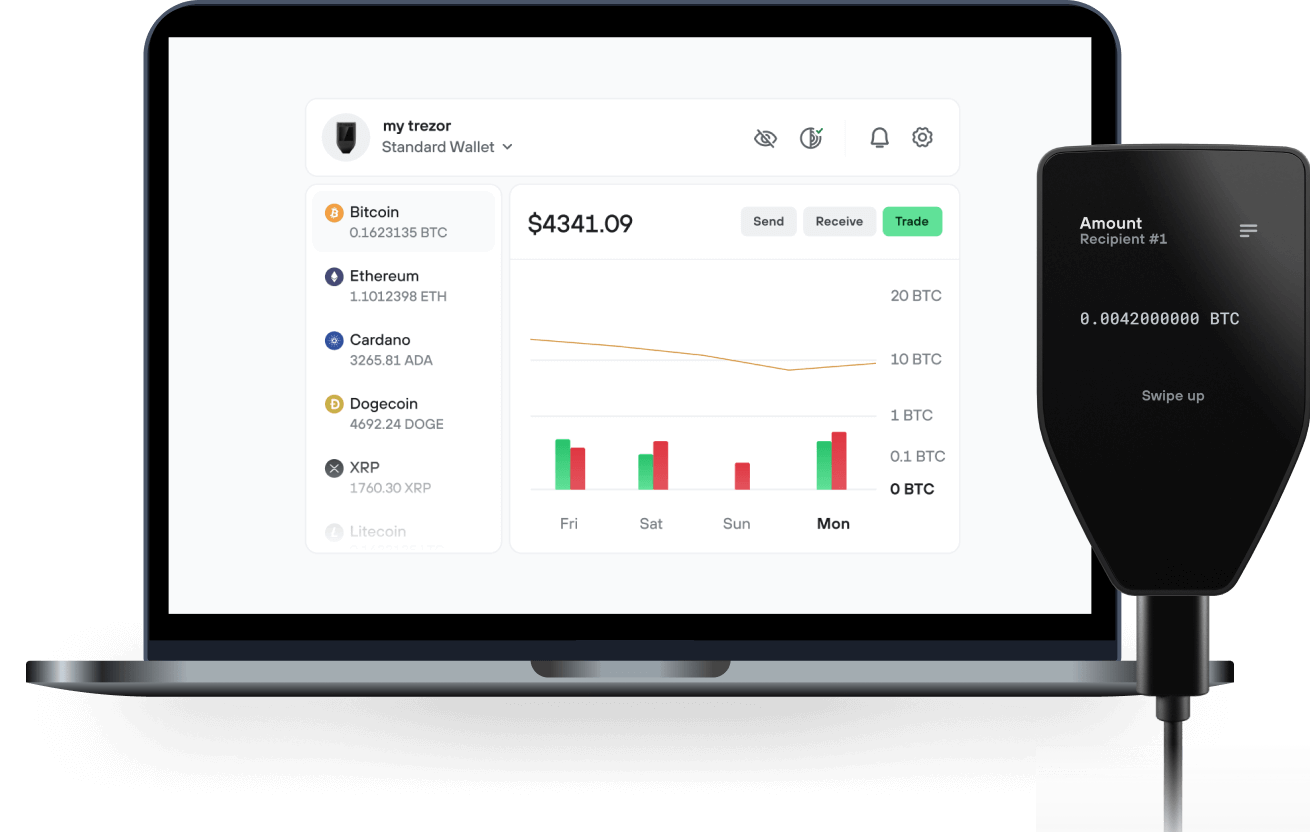
Envie & receba o seu Sai com o app Trezor Suite

Enviar & receber
Troque
As carteiras de hardware Trezor suportam Sai
Sincronize sua Trezor com apps de carteira
Gerencie a sua Sai com sua carteira física Trezor sincronizada com vários apps de carteira.
Trezor Suite
MetaMask
Rabby
Rede Sai Suportada
Por que uma carteira de hardware?

Fique offline com a Trezor
- Você controla 100% das suas moedas
- Sua carteira está 100% segura offline
- Seus dados são 100% anônimos
- Suas moedas não estão vinculadas a nenhuma empresa
Corretoras online
- Se uma corretora falir, você perde suas moedas
- Corretoras são alvos de hackers
- Seus dados pessoais podem ter sido expostos
- Você não tem total controle das suas moedas
Como SAI na Trezor
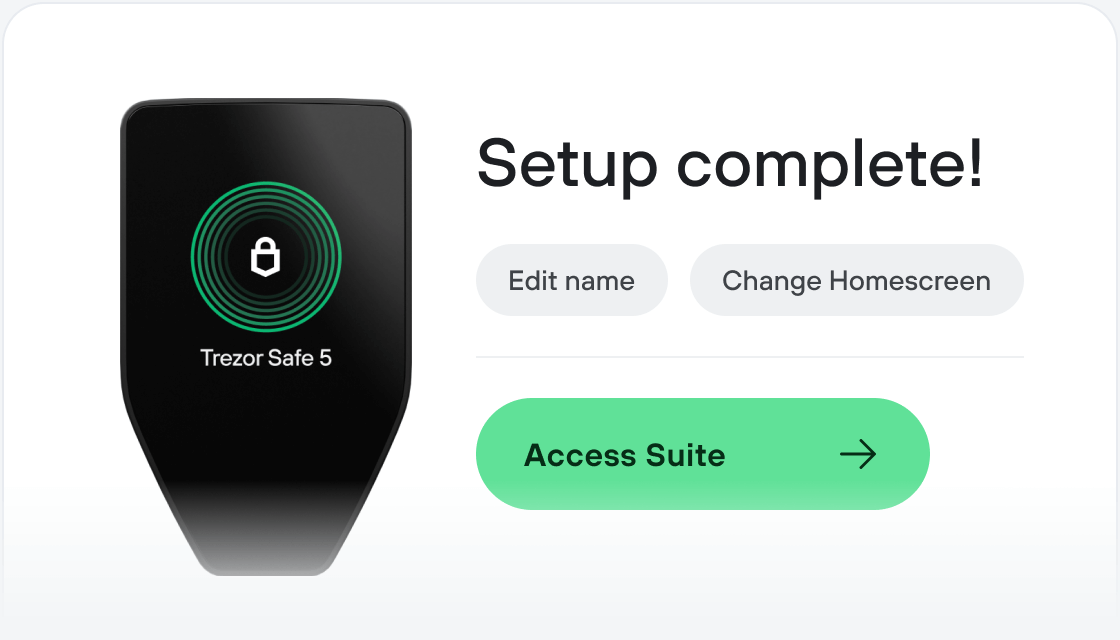
Conecte seu Trezor
Instale o aplicativo Trezor Suite
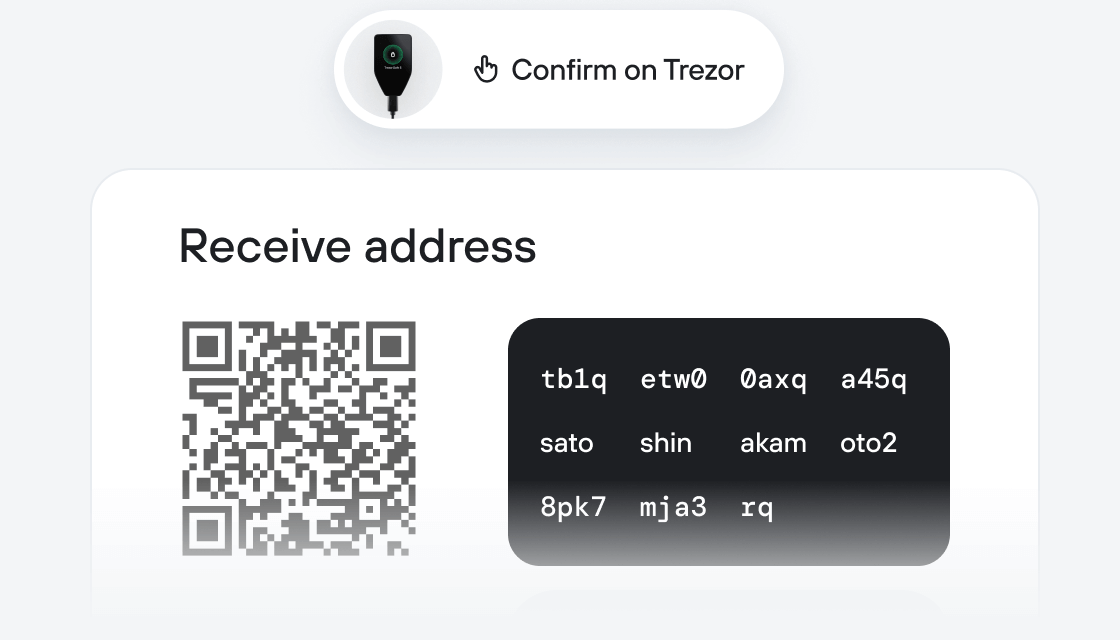
Transfira seu SAI
Aproveite o máximo do seu SAI
Trezor mantém o seu SAI seguro
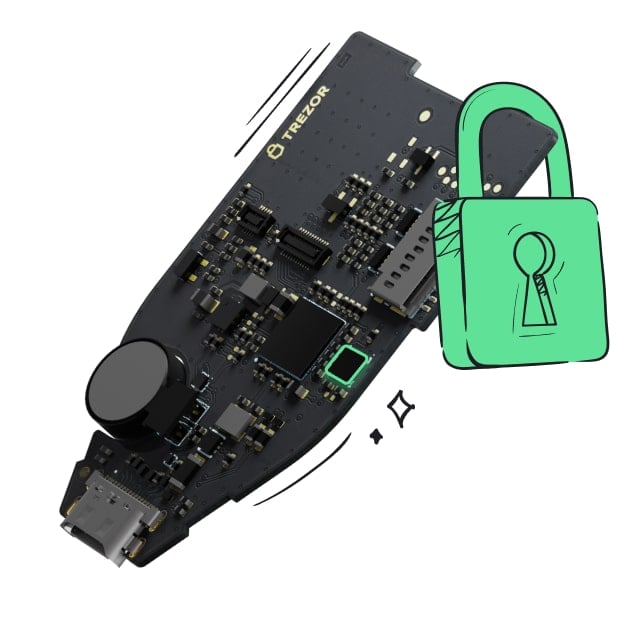 Protegido por Secure Element
A melhor defesa contra ameaças online e offline
 Seus tokens, seu controle
Controle absoluto de cada transação com confirmação no dispositivo
 A segurança começa no código aberto
O design transparente da carteira torna sua Trezor melhor e mais segura
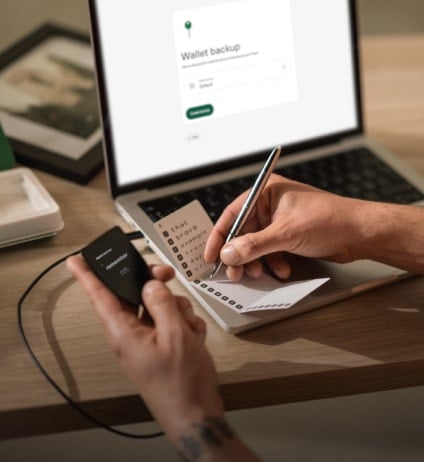 Backup de carteira claro & simples
Recupere o acesso a seus ativos digitais com um novo padrão de backup
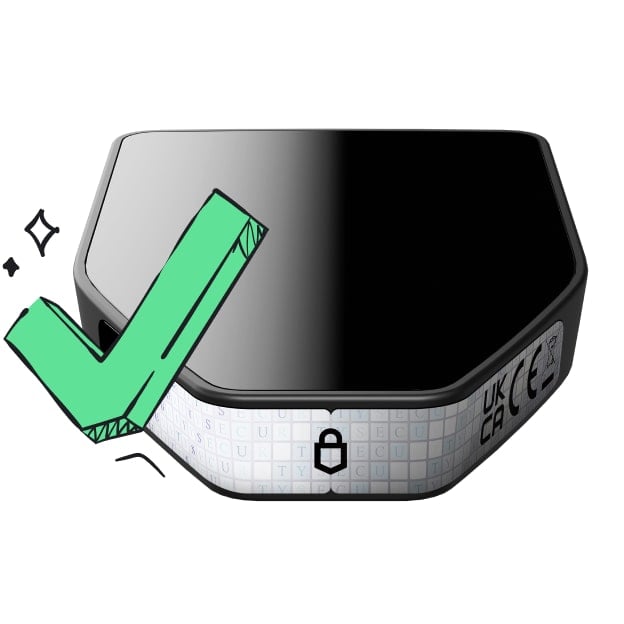 Confiança desde o primeiro dia
A embalagem & os selos de segurança protegem a integridade da sua Trezor
Dai is a stablecoin. It is an Ethereum ERC20 token that is pegged to $1 USD — every Dai is worth $1, and will always be worth $1, regardless of how much Dai is in existence. There is no centralized authority like Tether that backs its value, and no traditional bank that backs each Dai with a real US dollar. There is nothing that can be shut down, and no centralized authority that needs to be trusted. Dai lives entirely within the Ethereum blockchain using smart contracts.
*Features of Dai:
- Dai is always worth $1 USD each
- It can be freely traded like any other ERC20 token
- Anyone with an Ethereum wallet can own, accept, and transfer it
- It can be exchanged without any middleman
- No individual person or company has control over it
- No government or authority can shut it down
*How Dai Works? Dai is a masterpiece of game theory that carefully balances economic incentives in the pursuit of one goal — a token that is continuously approaching the value of $1 USD.
When Dai is worth above $1, mechanisms work to decrease the price. When Dai is worth below $1, mechanisms work to increase the price. The rational actors that take part in these mechanisms do so because they earn money anytime Dai is not perfectly worth $1. This is why Dai is always floating slightly above or below $1 — it is an endless wave function bouncing infinitely close to $1, but never quite achieving it. The farther Dai goes from $1, the more incentive there is to fix it. This is the magic of Dai.
*How is Dai Created? Dai is simply a loan against Ethereum. By using the MakerDAO dApp, advanced users can take loans out in Dai against their ETH holdings.
First, ETH is turned into “wrapped ETH” (WETH), which is simply an ERC20 wrapping around ETH. This “tokenizes” ETH so it can be used like any other ERC20 token. Next, WETH is turned into “pooled ETH” (PETH), which means it joins a large pool of Ethereum that is the collateral for all Dai created. Once you have PETH, you can create a “collateralized debt position” (CDP), which locks up your PETH and allows you to draw Dai against your collateral, which is PETH. As you draw out Dai, the ratio of debt in the CDP increases. There is a debt limit that sets a maximum amount of Dai you can draw against your CDP. Once you have Dai, you can spend or trade it freely like any other ERC20 token.
*There are several important reasons why you would create Dai, despite the hassle:
-
You need a loan, and have an asset (ETH) to use as collateral for your loan
-
You believe ETH is going up in value. You can use your CDP to buy ETH on margin — you lock up your ETH in a CDP, draw Dai against it, use the Dai to buy more ETH on an exchange, and then use that ETH to further increase the size of your CDP. This can be accomplished without any third-party or centralized authority allowing you to do so — margin trading can be accomplished entirely on the blockchain.
-
The demand for Dai has driven the price above $1 USD. When this occurs, you can create Dai then immediately sell it on an exchange for greater than $1 USD. This is essentially free money, and is one of the mechanisms the Maker system uses to keep Dai pegged to $1 USD. Dai being worth over $1 USD encourages more Dai to be created. These three reasons are enough to ensure that Dai is continually created.