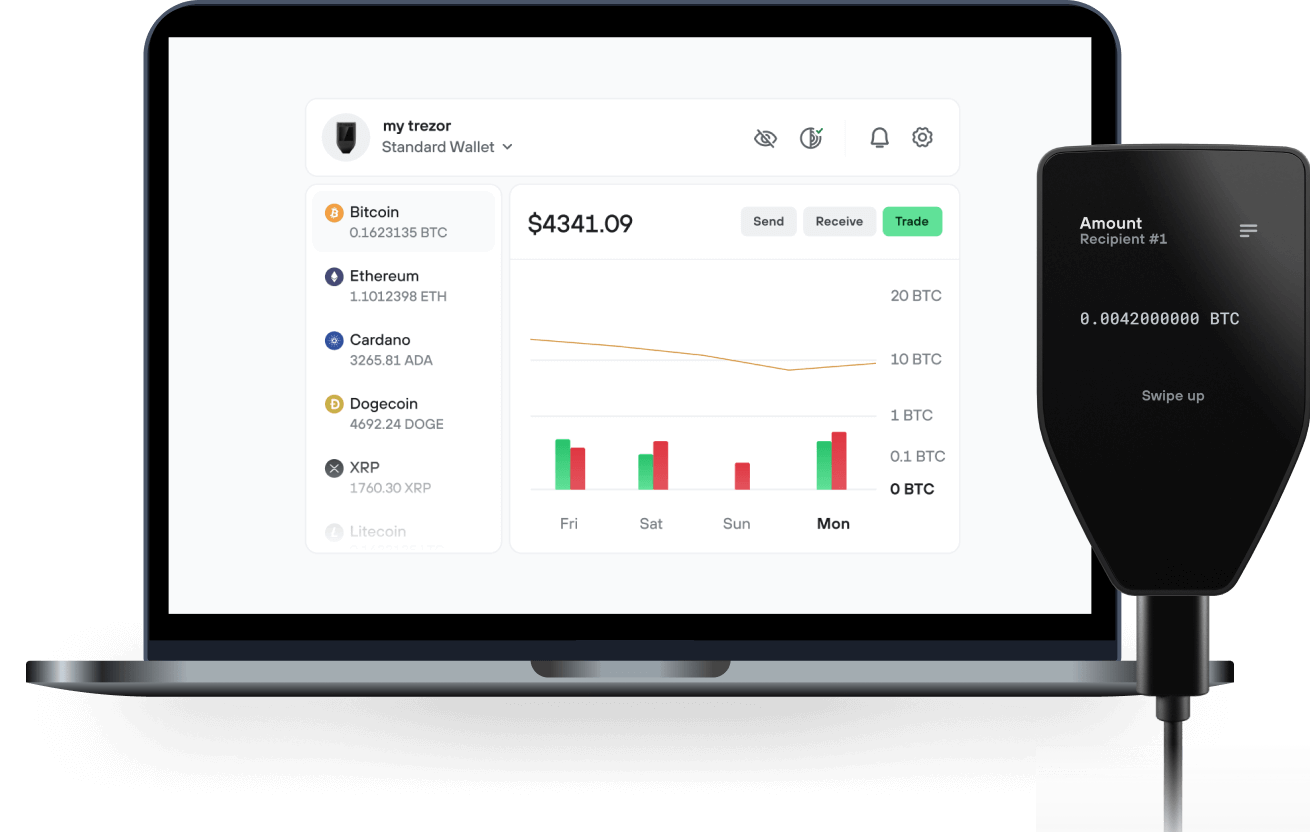
收发您的 Request 通过 Trezor Suite 应用

收发
购买与兑换
支持 Request 的 Trezor 硬件钱包
让您的 Trezor 同步至钱包应用
通过将 Trezor 硬件钱包与多个钱包应用同步,管理您的 Request。
Trezor Suite
MetaMask
Rabby
支持的Request网络
为什么要用硬件钱包?
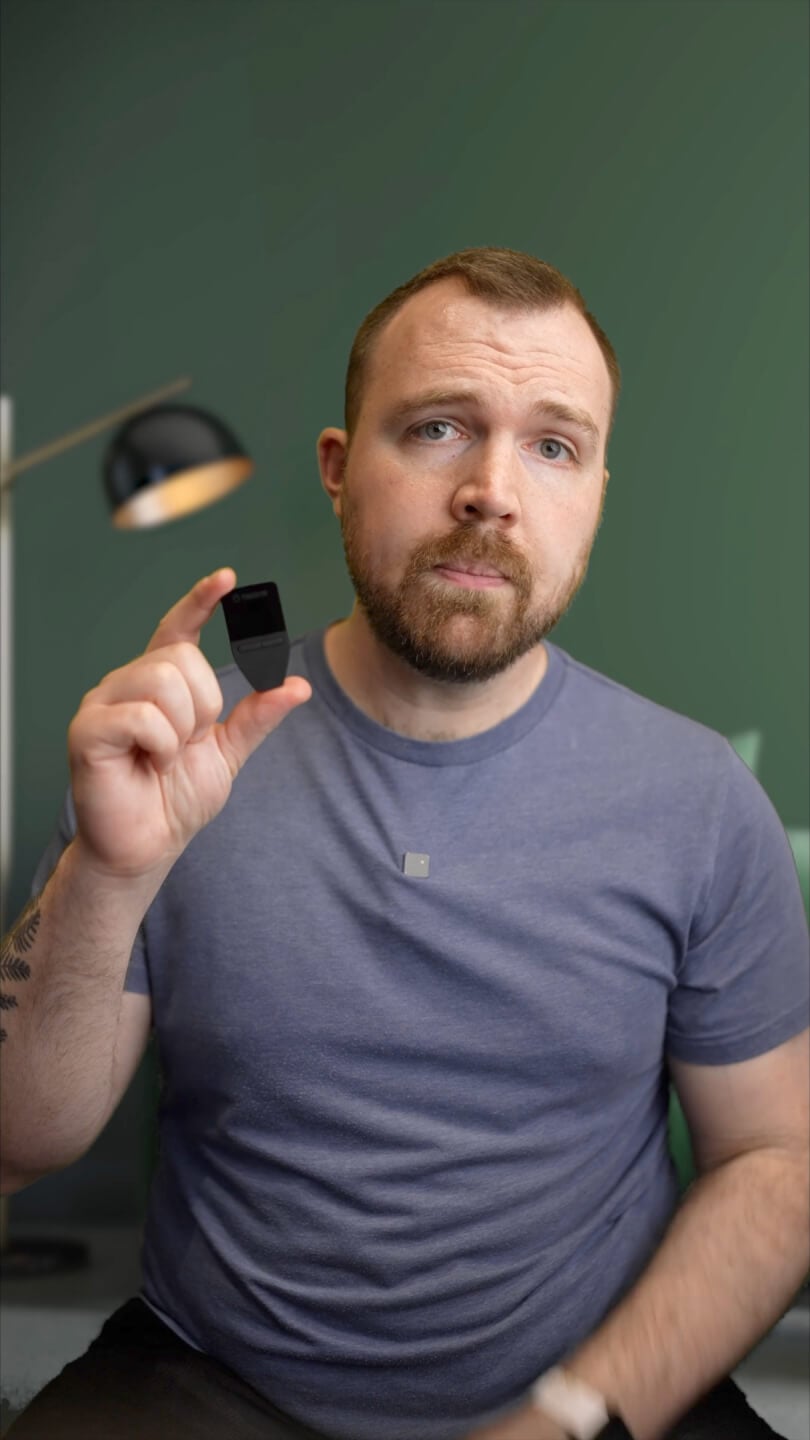
离线安全保护,尽在 Trezor
- 您 100% 拥有您的加密货币
- 离线保护私钥,大幅降低在线攻击风险
- 您的数据 100% 匿名
- 您的加密货币不受任何公司控制
在线交易所
- 若交易所出现问题,您将失去加密货币
- 交易所是黑客攻击的目标
- 您的个人数据可能会被暴露
- 您并不真正拥有您的加密货币
如何在 Trezor 上使用REQ
请连接您的 Trezor 设备
安装 Trezor Suite 应用
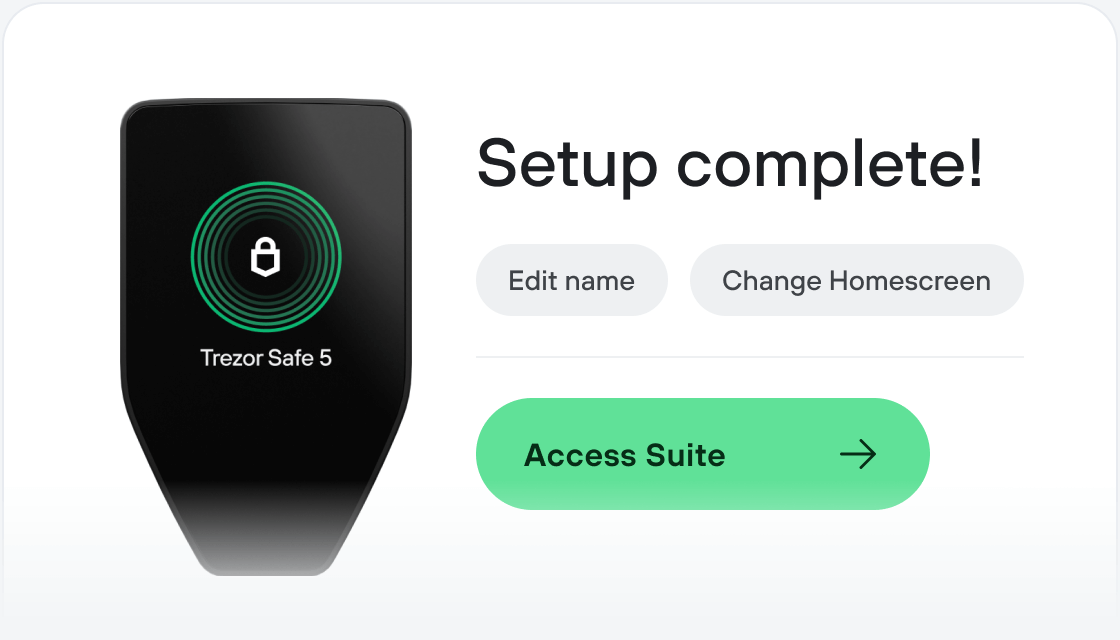
转账您的 REQ
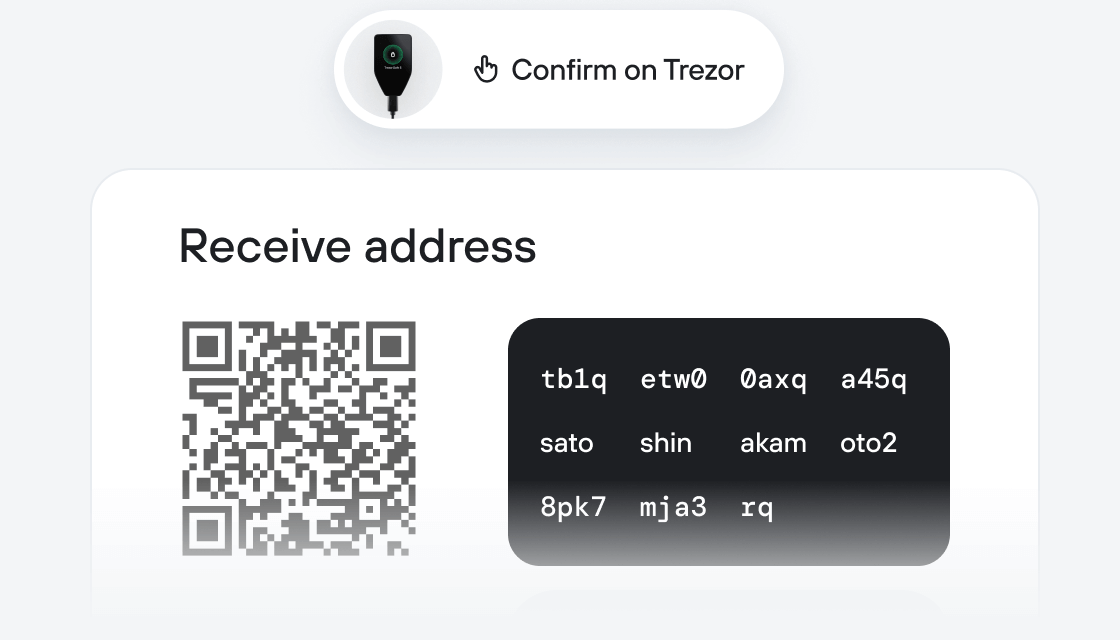
充分利用您的 REQ
Trezor 助您安心管理 REQ
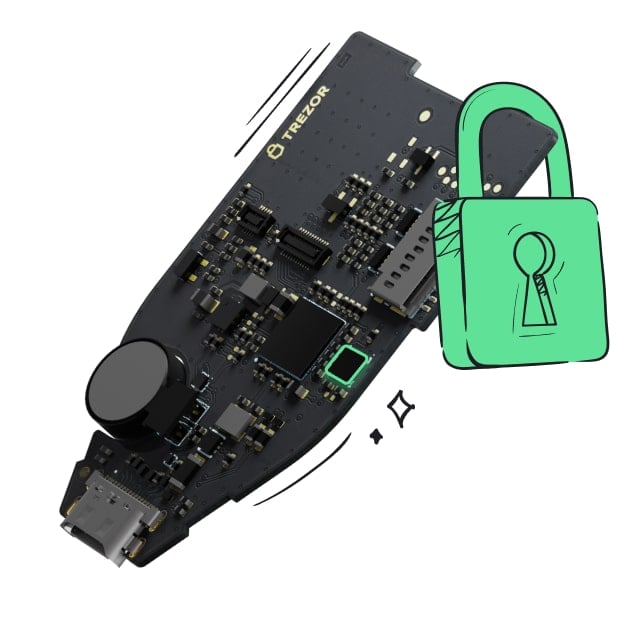 受安全芯片保护
对抗在线与离线威胁的可靠防线
 您的代币,您做主
通过设备确认,全面掌控每笔交易
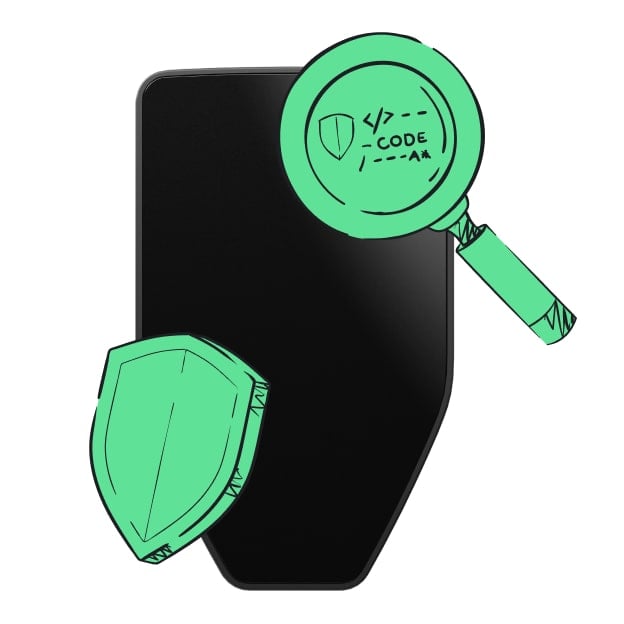 安全始于开源
透明钱包设计让您的 Trezor 更优更安全
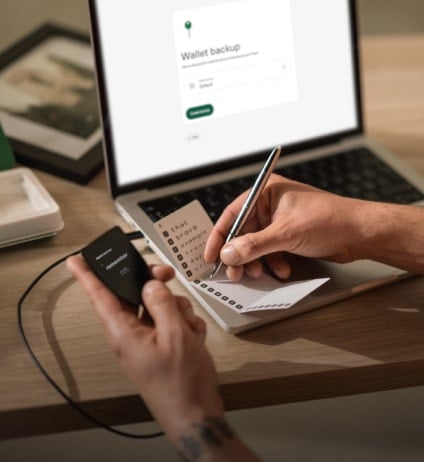 清晰简单的钱包备份
借助新一代备份标准恢复数字资产
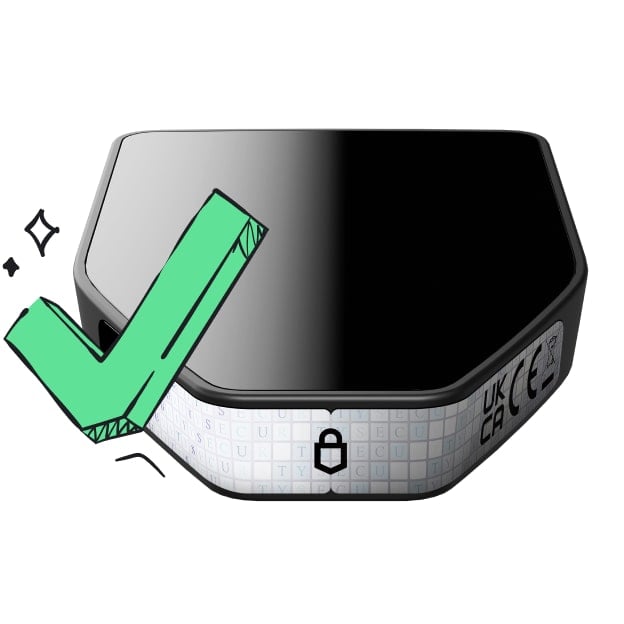 从第一天起就信心十足
包装与设备防拆封条共同保障 Trezor 设备完整性
What Is Request (REQ)? The Request (REQ) utility token, launched in 2017, ensures the performance and stability of the Request Network. The Request Network itself is an Ethereum-based decentralized payment system where anyone can request a payment and receive money through secure means. It removes the requirement for third parties in order to provide a cheaper, more secure payment solution that works with all global currencies.
When a user creates a request for payment, they define to which address the payment needs to be allocated and what the amount is. The user can also define the terms and conditions of the payment, upgrading a simple request into an invoice. Once this is completed, the user can share their request to be paid by their counterparty.
Every step is documented and stored on the Request network, allowing everyone involved to easily keep track of all the invoices and payments for accounting purposes.
Request is also integrated with legislation across the world to remain compliant with the trade laws of each individual country.
Who Are the Founders of Request? The founders of Request are Christophe Lassuyt and Etienne Tatur.
Christophe Lassuyt is currently the chief financial officer at Request. Before this position, he co-founded MONEYTIS.
Etienne Tatur is the chief technical officer of Request. Prior to this, he also co-founded MONEYTIS and worked as a lead developer at QOBUZ, a music streaming service.
What Makes Request Unique? The payments on Request are performed by simply sending an invoice through the blockchain; the counterparty can then detect the request and pay it with one click in a peer-to-peer manner. The fact that the payments are push-generated instead of pull-generated is one of Request’s key advantages. There is no need for users to share their account information. The use of blockchain technology also eliminates the need for third-party processors, resulting in a reduction in transaction costs.
The Request Network leverages decentralized blockchains such as Ethereum and IPFS for an increased level of security, privacy and data ownership for the end-user. The platform does have transaction fees, which is a cost that is required to broadcast a change to the blockchain network. The transaction fees are used to incentivize miners to reach consensus on the state of the network.
REQ can be stored on wallets such as Metamask, MyEtherWallet, Ledger, imToken, Trezor, Atomic Wallet, Jaxx Liberty and Trust Wallet.
How Many Request (REQ) Coins Are There in Circulation? REQ is an ERC-20 token that can be spent to use the Request Network.
A portion of the REQ fee is burned at a rate that is determined by the current supply and the exchange rate with other currencies.
Request’s (REQ) circulating supply is at 999,912,165 REQ as of February 2021 and the maximum supply is 999,983,984 tokens.
How Is the Request Network Secured? REQ is an ERC-20 token based on the Ethereum platform. The requests made with REQ are stored on an immutable digital ledger. This ledger also serves as proof for all auditing purposes.