Carteira Request segura & protegida
Assuma o controle dos seus Request ativos com completa confiança no ecossistema Trezor.
- Protegido por sua carteira de hardware
- Use com carteiras quentes compatíveis
- Confiança de mais de 2 milhões de clientes
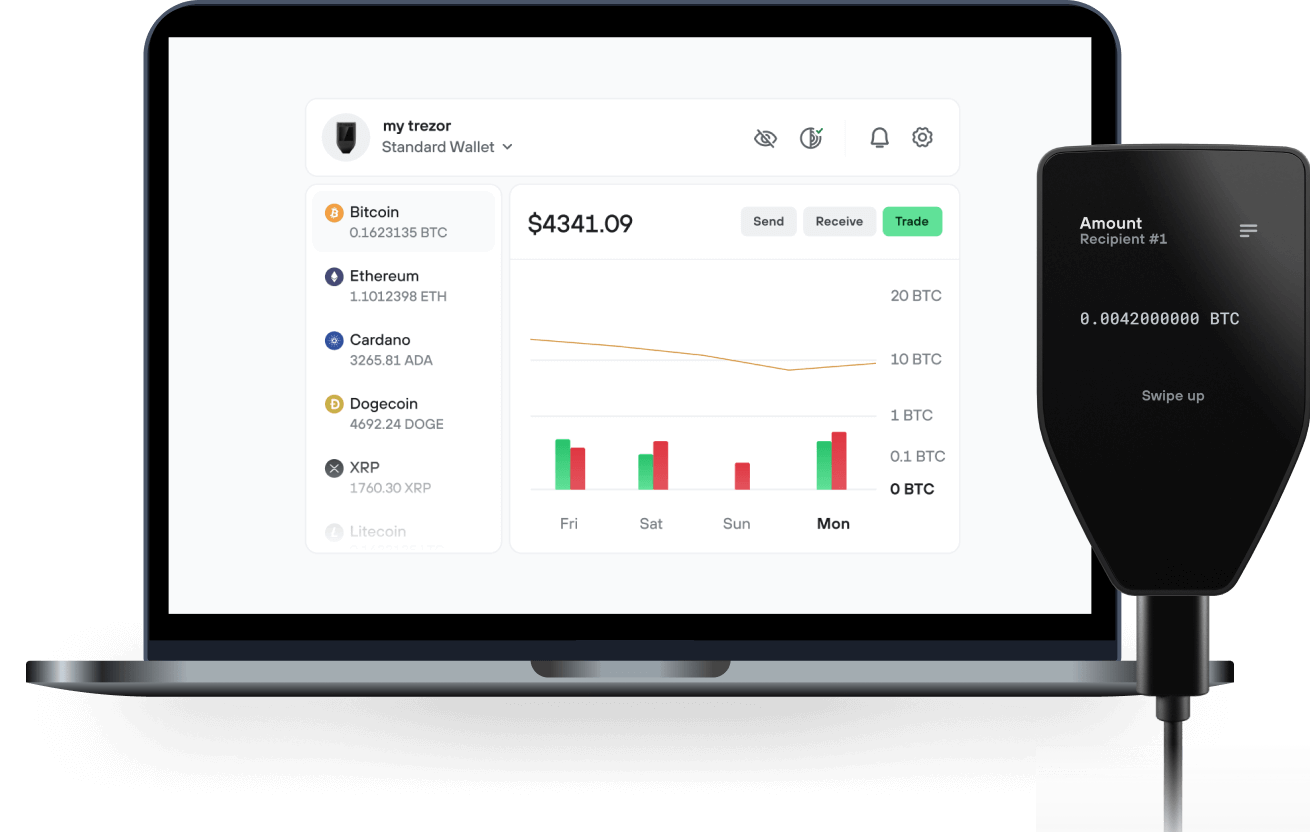
Envie & receba o seu Request com o app Trezor Suite

Enviar & receber
Compre & troque
As carteiras de hardware Trezor suportam Request
Sincronize sua Trezor com apps de carteira
Gerencie a sua Request com sua carteira física Trezor sincronizada com vários apps de carteira.
Trezor Suite
MetaMask
Rabby
Redes Request Suportadas
Por que uma carteira de hardware?

Fique offline com a Trezor
- Você controla 100% das suas moedas
- Sua carteira está 100% segura offline
- Seus dados são 100% anônimos
- Suas moedas não estão vinculadas a nenhuma empresa
Corretoras online
- Se uma corretora falir, você perde suas moedas
- Corretoras são alvos de hackers
- Seus dados pessoais podem ter sido expostos
- Você não tem total controle das suas moedas
Como REQ na Trezor
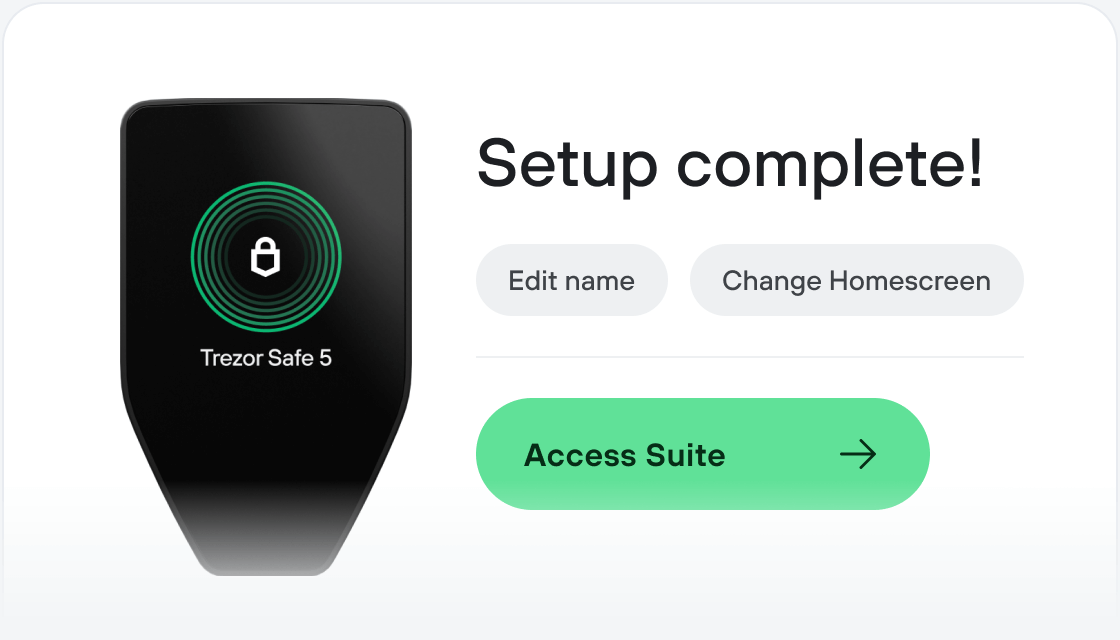
Conecte seu Trezor
Instale o aplicativo Trezor Suite
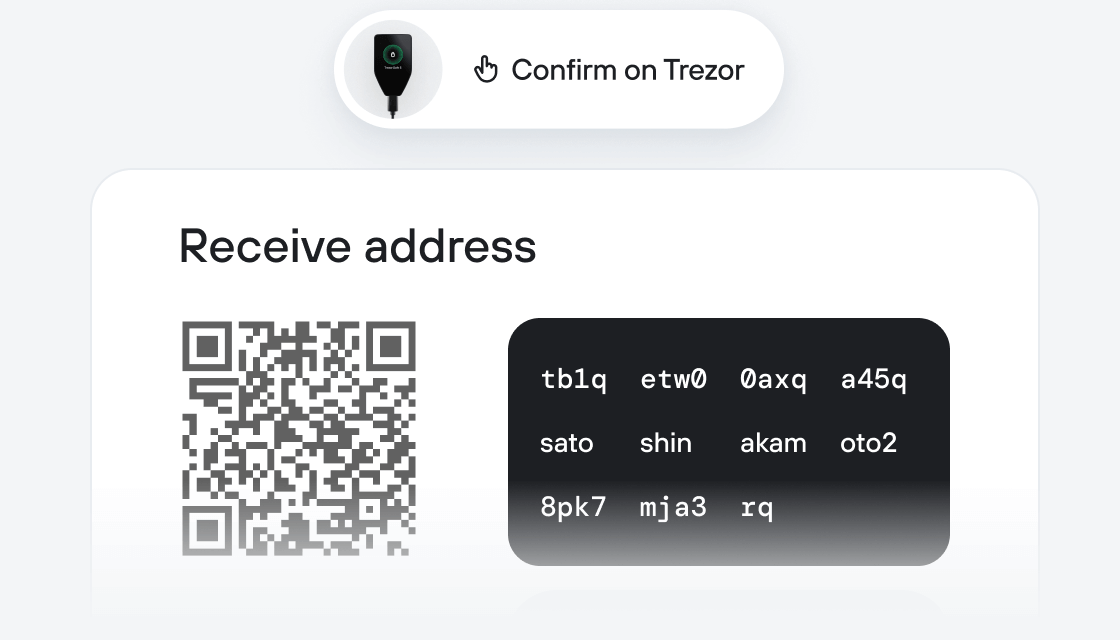
Transfira seu REQ
Aproveite o máximo do seu REQ
Trezor mantém o seu REQ seguro
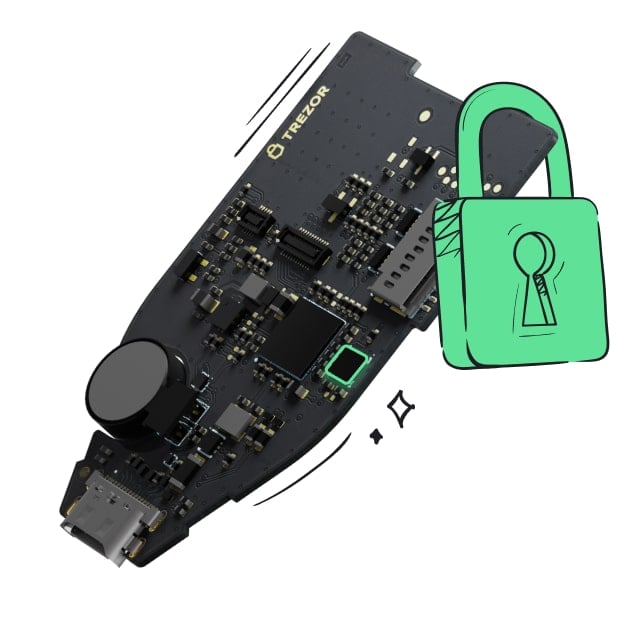 Protegido por Secure Element
A melhor defesa contra ameaças online e offline
 Seus tokens, seu controle
Controle absoluto de cada transação com confirmação no dispositivo
 A segurança começa no código aberto
O design transparente da carteira torna sua Trezor melhor e mais segura
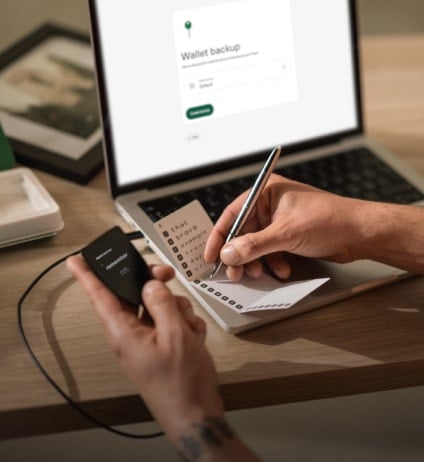 Backup de carteira claro & simples
Recupere o acesso a seus ativos digitais com um novo padrão de backup
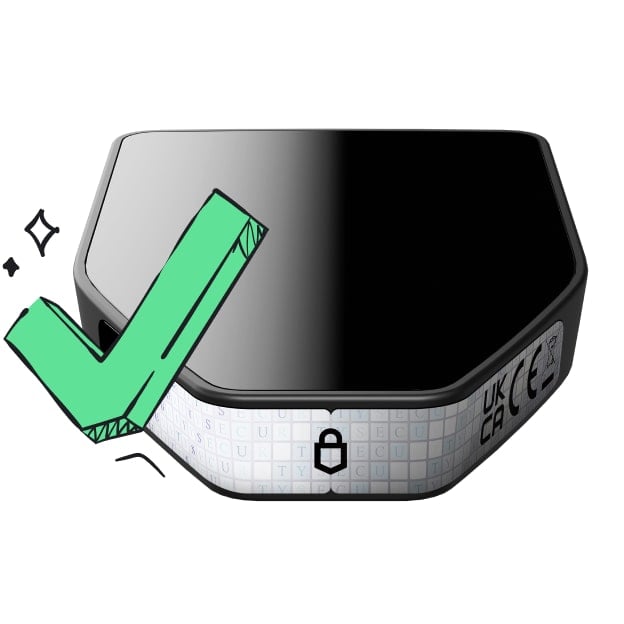 Confiança desde o primeiro dia
A embalagem & os selos de segurança protegem a integridade da sua Trezor
What Is Request (REQ)? The Request (REQ) utility token, launched in 2017, ensures the performance and stability of the Request Network. The Request Network itself is an Ethereum-based decentralized payment system where anyone can request a payment and receive money through secure means. It removes the requirement for third parties in order to provide a cheaper, more secure payment solution that works with all global currencies.
When a user creates a request for payment, they define to which address the payment needs to be allocated and what the amount is. The user can also define the terms and conditions of the payment, upgrading a simple request into an invoice. Once this is completed, the user can share their request to be paid by their counterparty.
Every step is documented and stored on the Request network, allowing everyone involved to easily keep track of all the invoices and payments for accounting purposes.
Request is also integrated with legislation across the world to remain compliant with the trade laws of each individual country.
Who Are the Founders of Request? The founders of Request are Christophe Lassuyt and Etienne Tatur.
Christophe Lassuyt is currently the chief financial officer at Request. Before this position, he co-founded MONEYTIS.
Etienne Tatur is the chief technical officer of Request. Prior to this, he also co-founded MONEYTIS and worked as a lead developer at QOBUZ, a music streaming service.
What Makes Request Unique? The payments on Request are performed by simply sending an invoice through the blockchain; the counterparty can then detect the request and pay it with one click in a peer-to-peer manner. The fact that the payments are push-generated instead of pull-generated is one of Request’s key advantages. There is no need for users to share their account information. The use of blockchain technology also eliminates the need for third-party processors, resulting in a reduction in transaction costs.
The Request Network leverages decentralized blockchains such as Ethereum and IPFS for an increased level of security, privacy and data ownership for the end-user. The platform does have transaction fees, which is a cost that is required to broadcast a change to the blockchain network. The transaction fees are used to incentivize miners to reach consensus on the state of the network.
REQ can be stored on wallets such as Metamask, MyEtherWallet, Ledger, imToken, Trezor, Atomic Wallet, Jaxx Liberty and Trust Wallet.
How Many Request (REQ) Coins Are There in Circulation? REQ is an ERC-20 token that can be spent to use the Request Network.
A portion of the REQ fee is burned at a rate that is determined by the current supply and the exchange rate with other currencies.
Request’s (REQ) circulating supply is at 999,912,165 REQ as of February 2021 and the maximum supply is 999,983,984 tokens.
How Is the Request Network Secured? REQ is an ERC-20 token based on the Ethereum platform. The requests made with REQ are stored on an immutable digital ledger. This ledger also serves as proof for all auditing purposes.