Billetera Cosmos Hub segura y protegida
Usa la seguridad de tu billetera física Trezor para gestionar de forma segura tu Cosmos Hub.
- Protegido por tu billetera física
- Con la confianza de más de 2 millones de clientes
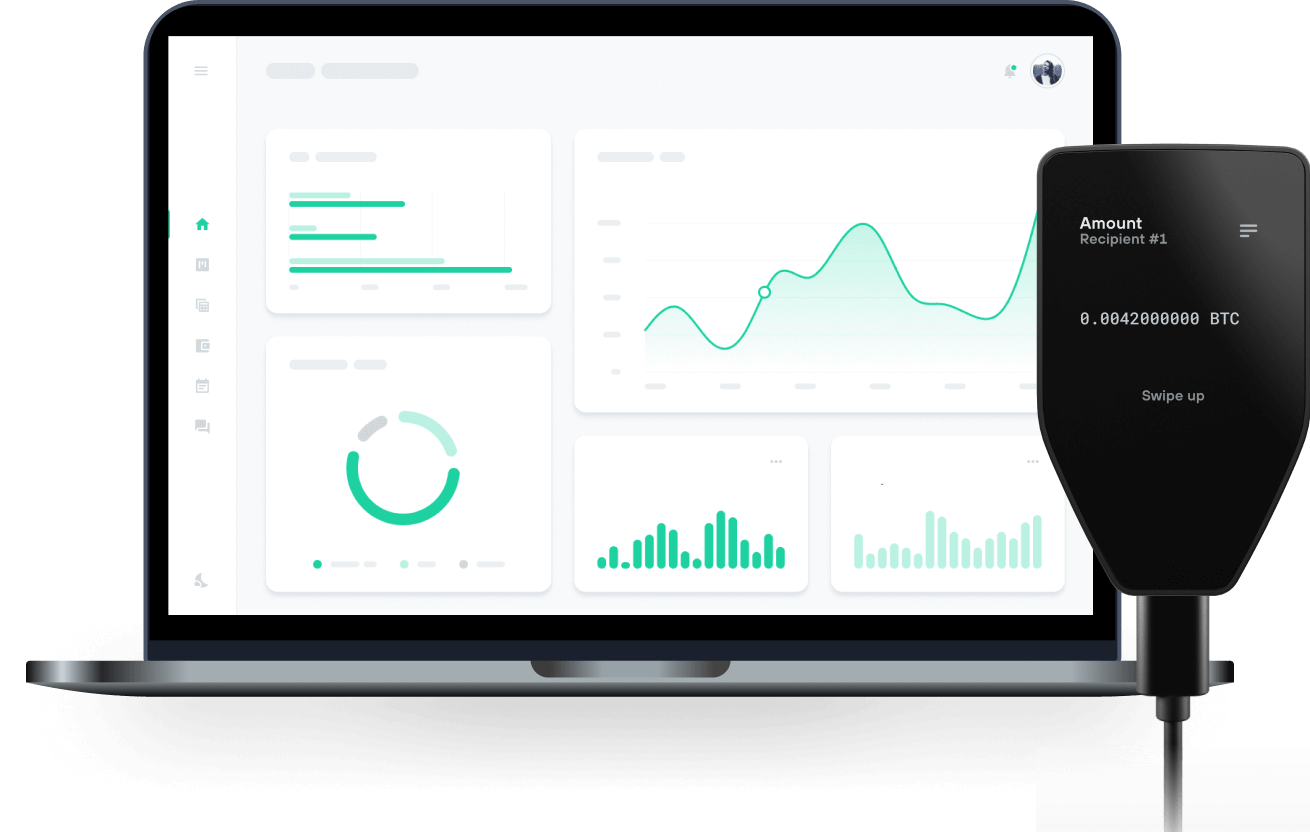
Compra, vende y gestiona tu Cosmos Hub con las billeteras físicas de Trzor

Enviar y recibir
Comprar, vender e intercambiar
Billeteras físicas Trezor compatibles con Cosmos Hub
Redes Cosmos Hub Compatibles
¿Por qué una billetera física?

Desconéctate con Trezor
- Tus monedas son 100% tuyas
- Tu billetera está 100% segura offline
- Tus datos son 100% anónimos
- Tus monedas no están atadas a una compañía
Exchanges en línea
- Si un exchange falla, pierdes tus monedas
- Los exchanges son blanco de los hackers
- Tu información personal puede ser expuesta
- Tus monedas no son realmente tuyas
¿Cómo usar ATOM en Trezor?
Conectar tu Trezor
Abre una app de billetera de terceros
Gestiona tus activos
Aprovecha al máximo tus ATOM
Trezor mantiene tus ATOM seguros
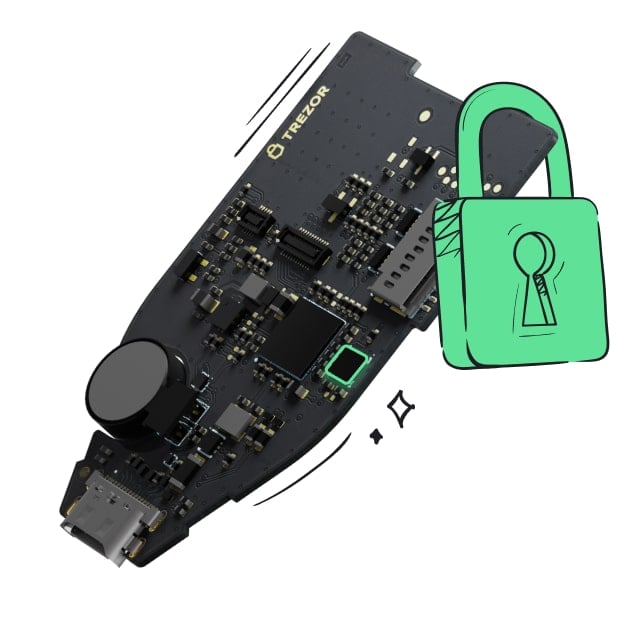 Protegido por Elemento Seguro
La mejor defensa contra amenazas tanto online como offline
 Tus tokens, bajo tu control
Control absoluto de cada transacción con confirmación directa en el dispositivo
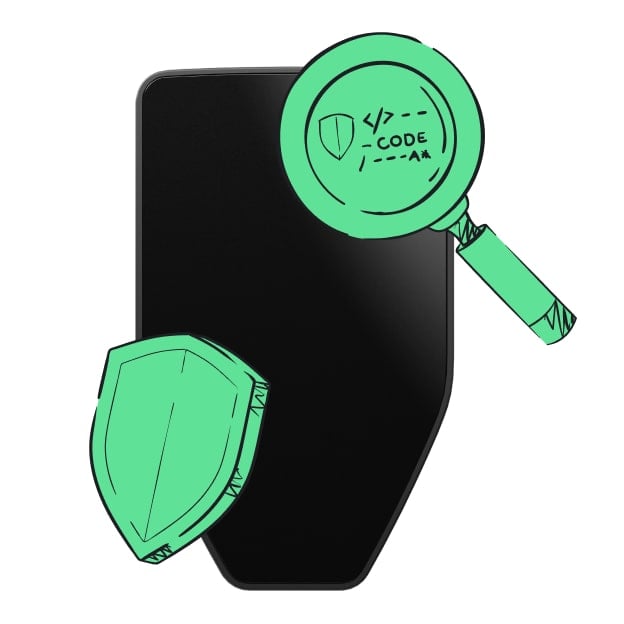 La seguridad empieza por código abierto
Un diseño de billetera de forma transparente hace que tu Trezor sea más seguro y confiable
 Copia de seguridad de billetera clara y sencilla
Recupera el acceso a tus activos digitales con nuevo estándar de copia de seguridad
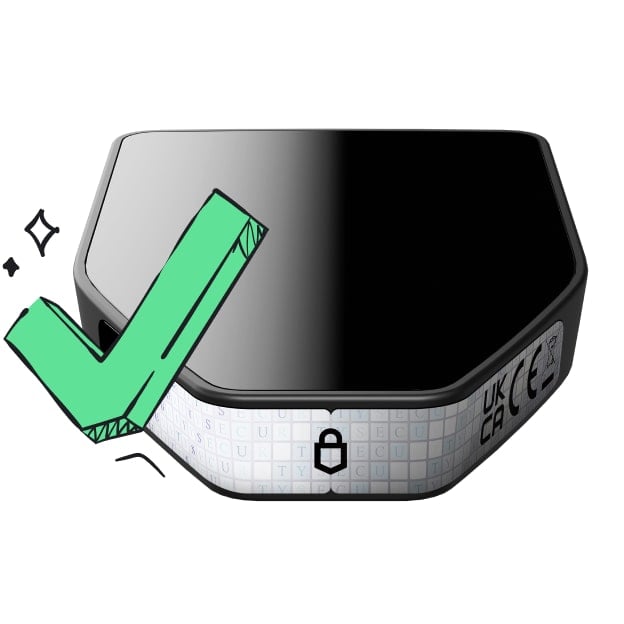 Confianza desde el primer día
El embalaje y los sellos de seguridad del dispositivo protegen la integridad de tu Trezor
La red Cosmos consiste en muchas cadenas de bloques independientes y paralelas, llamadas zonas, cada una impulsada por protocolos de consenso bizantino clásico tolerante a fallos (BFT), como Tendermint. Algunas zonas actúan como hubs respecto a otras zonas, permitiendo que múltiples zonas interoperan a través de un hub compartido. La arquitectura utiliza algoritmos BFT clásicos y Prueba de Participación, en lugar de Prueba de Trabajo. Cosmos puede interoperar con múltiples aplicaciones y criptomonedas, algo que otras cadenas de bloques no logran hacer bien. Al crear una nueva zona, puedes conectar cualquier sistema blockchain al hub de Cosmos y transferir tokens entre estas zonas sin necesidad de intermediarios.
Mientras el Cosmos Hub es un libro mayor distribuido de múltiples activos, existe un token nativo especial llamado atom. ATOM tiene tres usos: mecanismo de prevención de spam, token de staking y como mecanismo de votación en la gobernanza.
Como mecanismo de prevención de spam, los ATOM se usan para pagar comisiones. La comisión puede ser proporcional a la cantidad de computación que requiere la transacción, similar al concepto de “gas” en Ethereum. La distribución de comisiones se realiza dentro del protocolo y la especificación del protocolo está detallada ahí.
Como token de staking, los ATOM pueden ser "bloqueados" para ganar recompensas del bloque. La seguridad económica del Cosmos Hub depende de la cantidad de ATOM en staking. Mientras más ATOM estén en garantía, mayor será el interés por proteger la red y más alto el coste de atacarla. Así, más ATOM en staking contribuyen a una mayor seguridad económica de la red.
Los titulares de atom pueden gobernar el Cosmos Hub votando propuestas con sus ATOM en staking.