Sichere & geschützte tBTC Wallet
Übernimm die Kontrolle über deine tBTC Assets mit vollem Vertrauen in das Trezor Ökosystem.
- Gesichert durch deine Hardware-Wallet
- Nutze ihn mit kompatiblen Hot-Wallets
- Über 2 Millionen Kunden vertrauen uns
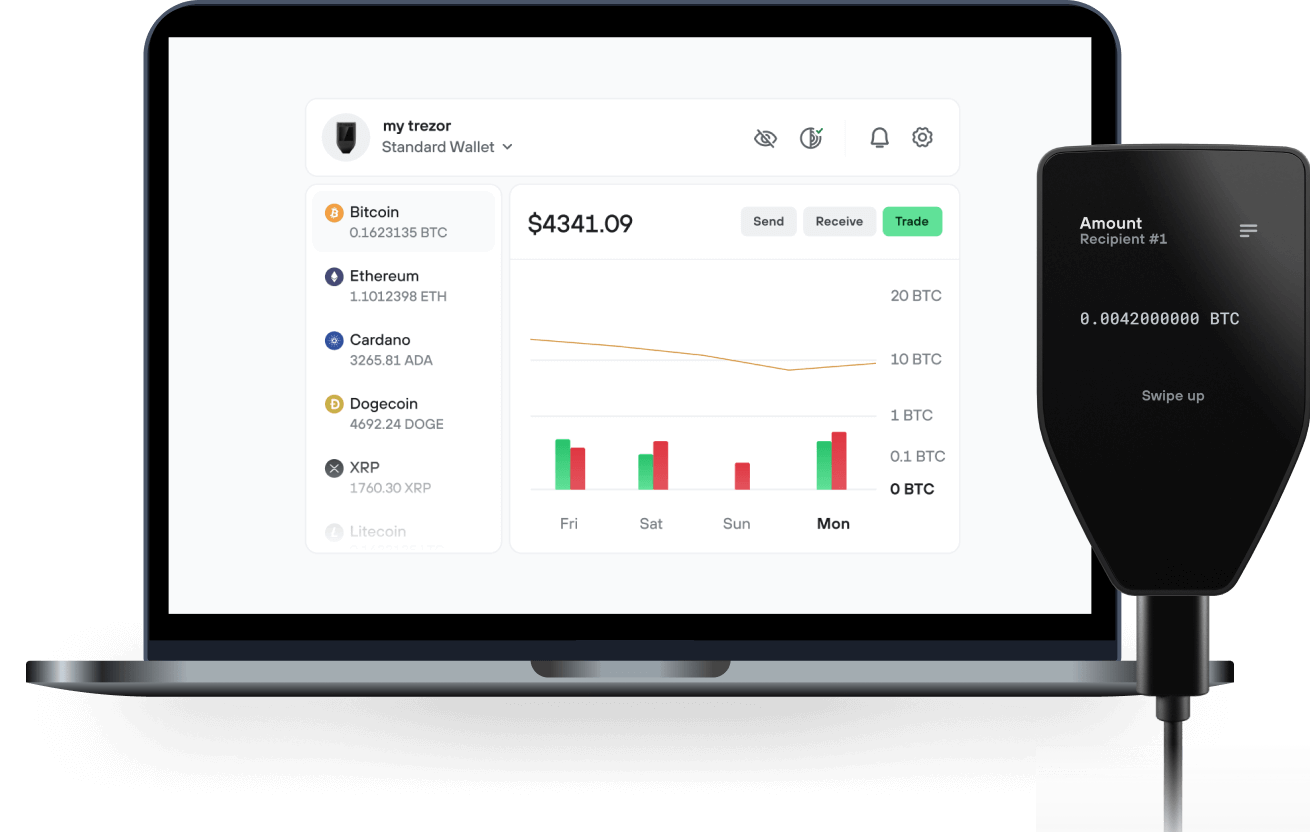
Sende & empfange deinen tBTC mit der Trezor Suite App

Sende & empfange
Tauschen
Trezor Hardware-Wallet, die tBTC unterstützen
Synchronisiere Trezor mit Wallet-Apps
Verwalte deine tBTC mit deiner Trezor Hardware-Wallet, die mit mehreren Wallet-Apps synchronisiert ist.
Trezor Suite
MetaMask
Backpack
Rabby
NuFi
Unterstütztes tBTC Netzwerk
Warum eine Hardware-Wallet?
Gehe offline mit Trezor
- Du besitzt 100 % deiner Coins
- Deine Wallet ist offline zu 100 % sicher
- Deine Daten sind zu 100 % anonym
- Deine Coins sind an keine Firma gebunden
Online-Börsen
- Wenn ein Umtausch fehlschlägt, verlierst du deine Coins
- Börsen sind Ziele von Hackern
- Deine persönlichen Daten könnten offengelegt werden
- Du besitzt deine Coins nicht wirklich
Wie man TBTC auf Trezor
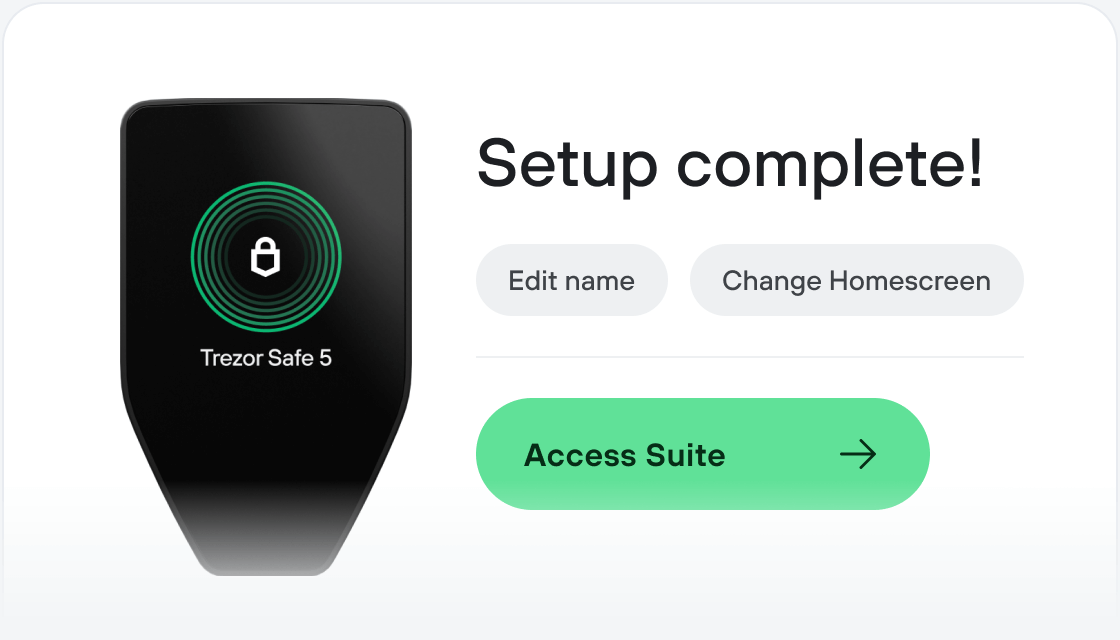
Verbinde deinen Trezor
Installiere Trezor Suite App
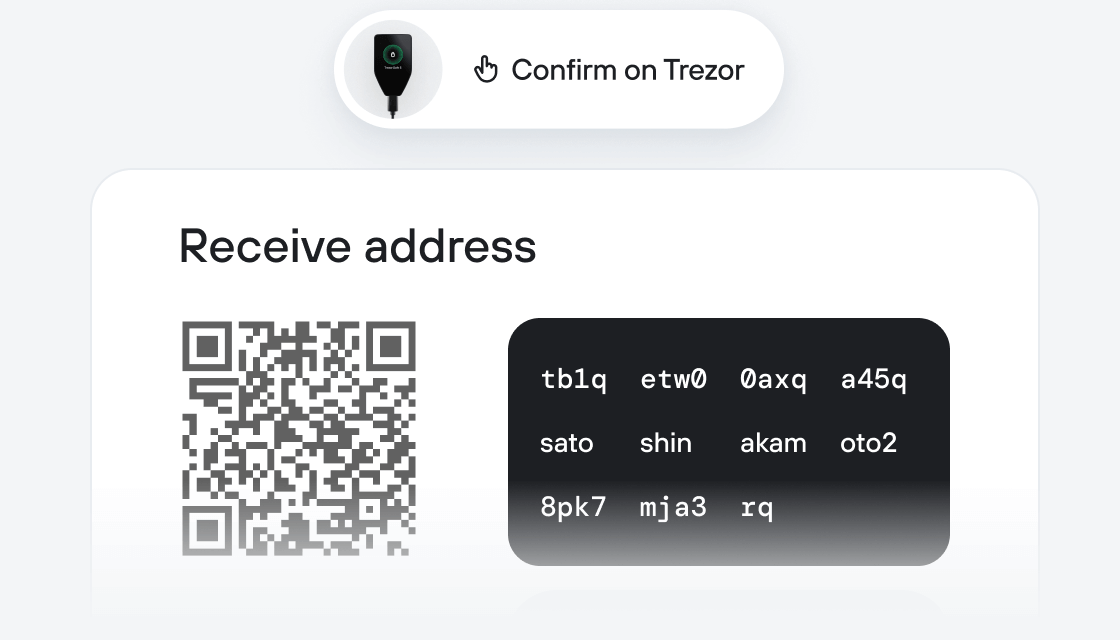
Übertrage deinen TBTC
Mache das Beste aus deinen TBTC
Trezor hält dein TBTC sicher
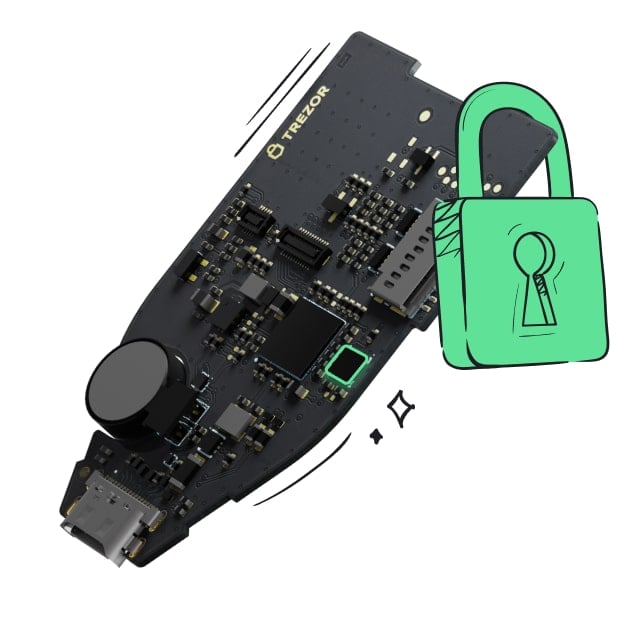 Geschützt durch Secure Element
Die beste Verteidigung gegen beides, online und offline Bedrohungen
 Deine Token, deine Kontrolle
Absolute Kontrolle über jede Transaktion mit Bestätigung auf dem Gerät
 Sicherheit beginnt mit Open-Source
Das transparente Wallet-Design macht deinen Trezor besser und sicherer
 Übersichtliches & einfaches Wallet-Backup
Stelle deinen Zugriff auf deine digitalen Assets wieder her mit einem neuen Backup-Standard
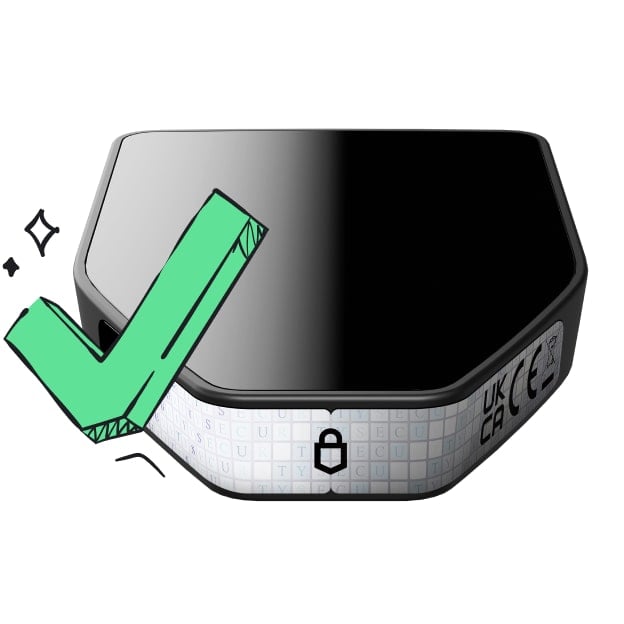 Vertrauen vom ersten Tag an
Verpackungs- & Gerätesicherheitssiegel schützen die Integrität deines Trezors
Was ist tBTC? tBTC ermöglicht es dir, den Wert deuner Bitcoins zum Leihen und Verleihen freizuschalten, Stablecoins zu erzeugen, Liquidität bereitzustellen und vieles mehr.
tBTC ist ein dezentralisiertes, wrapped Bitcoin mit 1:1-Deckung durch Mainnet-BTC. Bestehende Lösungen, die Bitcoin nach Ethereum bringen, erfordern die Übergabe deiner Bitcoins an einen Mittelsmann, der dir im Gegenzug einen Ethereum-Token ausstellt.
Dieses zentrale Modell setzt Vertrauen in Dritte voraus und ist zensuranfällig, was den eigentlichen Bitcoin-Grundsatz – sichere, erlaubnisfreie Dezentralität – gefährdet.
Wie löst tBTC dieses Problem? Statt zentraler Mittelsmänner nutzt tBTC eine zufällig ausgewählte Gruppe von Operatoren, die Nodes im Threshold Network betreiben und einbezahltete Bitcoins mittels Schwellenwert-Kryptographie sichern.
Das bedeutet, für jede Aktion mit deinem Bitcoin ist die Zustimmung der Schwellenwertmehrheit erforderlich. Durch wöchentlichen Austausch der Operatoren wird verhindert, dass Einzelne oder Gruppen das eingezahlte Vermögen betrügerisch entwenden.
Auf Grundlage der Annahme einer ehrlichen Mehrheit lässt sich die Wahrscheinlichkeit bestimmen, dass eine Wallet mit unehrlichen Operatoren kompromittiert wird. Ein Versicherungs-Backstop (Coverage Pools) dient im Ernstfall als Notfalllösung, falls eine Wallet doch kompromittiert wird.
Was ist Threshold Network? Threshold.network vereint die Netzwerke NuCypher und Keep in einem dezentralen Netzwerk – es bietet eine Suite an Threshold-Kryptographie-Diensten für Web3-Anwendungen über ein dezentrales Netzwerk von Staking-Nodes. Die gesamte Community wird über eine DAO verwaltet.
Zu den Vorzeige-Services des Threshold Networks zählen Threshold Access Control (TACo) – ermöglicht End-to-End-verschlüsselte Datenübertragung ohne zentrale Autorität, tBTC v2 – die einzige dezentrale und erlaubnisfreie Bitcoin-zu-Ethereum-Brücke und thUSD – ein überbesicherter, dezentraler USD-Stablecoin mit ETH und tBTC als Sicherheiten.