Billetera tBTC segura y protegida
Toma el control de tus tBTC activos con total confianza en el ecosistema de Trezor.
- Protegido por tu billetera física
- Usa con billeteras digitales compatibles
- Con la confianza de más de 2 millones de clientes
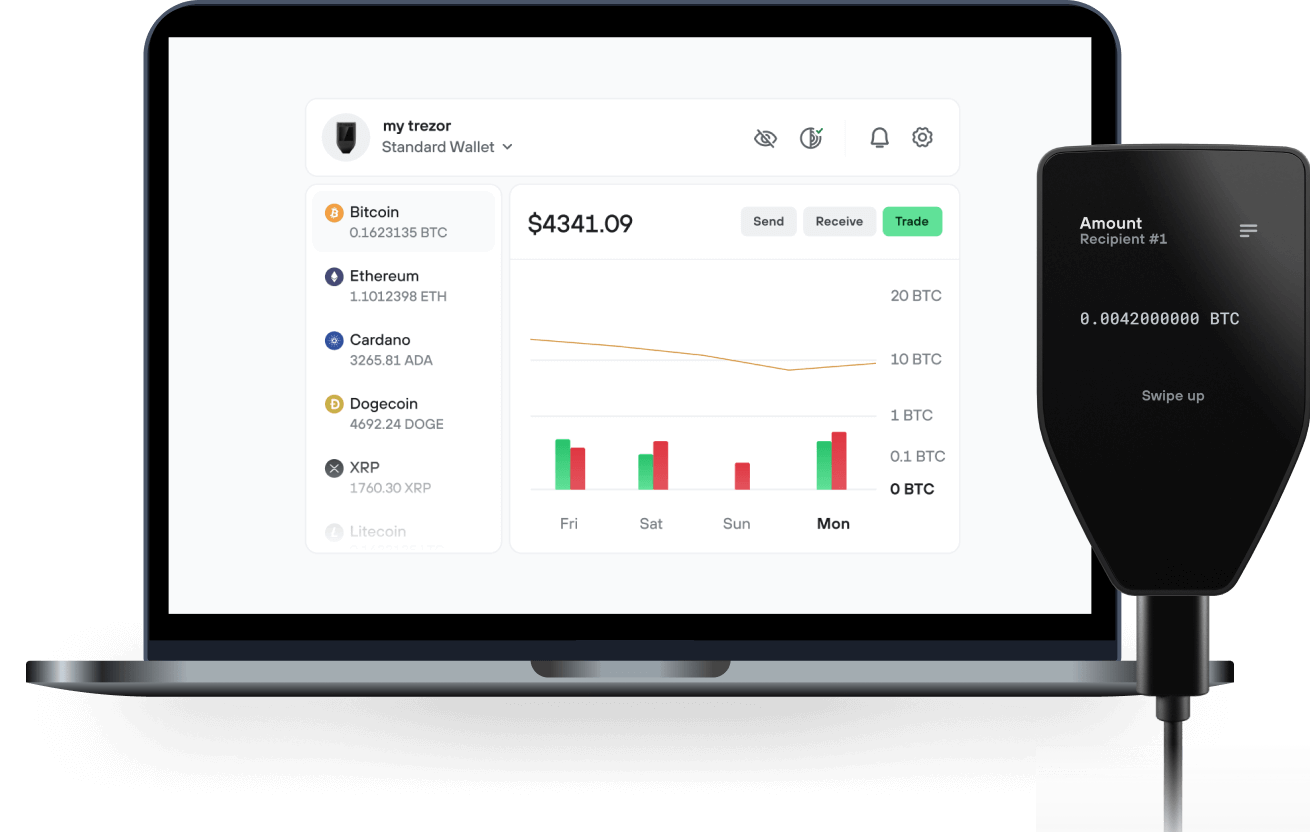
Envía y recibe tu tBTC con la app Trezor Suite

Enviar y recibir
Intercambiar
Billeteras físicas Trezor compatibles con tBTC
Sincroniza tu Trezor con apps de billeteras
Gestiona tus tBTC con tu billetera física Trezor sincronizada con apps de billeteras.
Trezor Suite
MetaMask
Backpack
Rabby
NuFi
Redes tBTC Compatibles
¿Por qué una billetera física?
Desconéctate con Trezor
- Tus monedas son 100% tuyas
- Tu billetera está 100% segura offline
- Tus datos son 100% anónimos
- Tus monedas no están atadas a una compañía
Exchanges en línea
- Si un exchange falla, pierdes tus monedas
- Los exchanges son blanco de los hackers
- Tu información personal puede ser expuesta
- Tus monedas no son realmente tuyas
¿Cómo usar TBTC en Trezor?
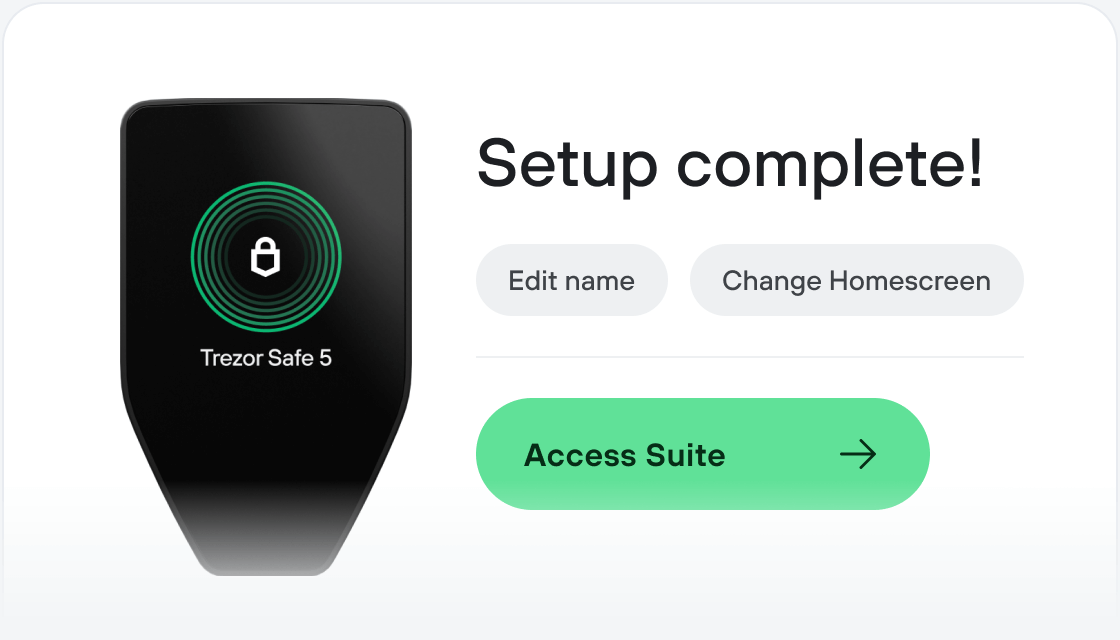
Conecta tu Trezor
Instala la app Trezor Suite
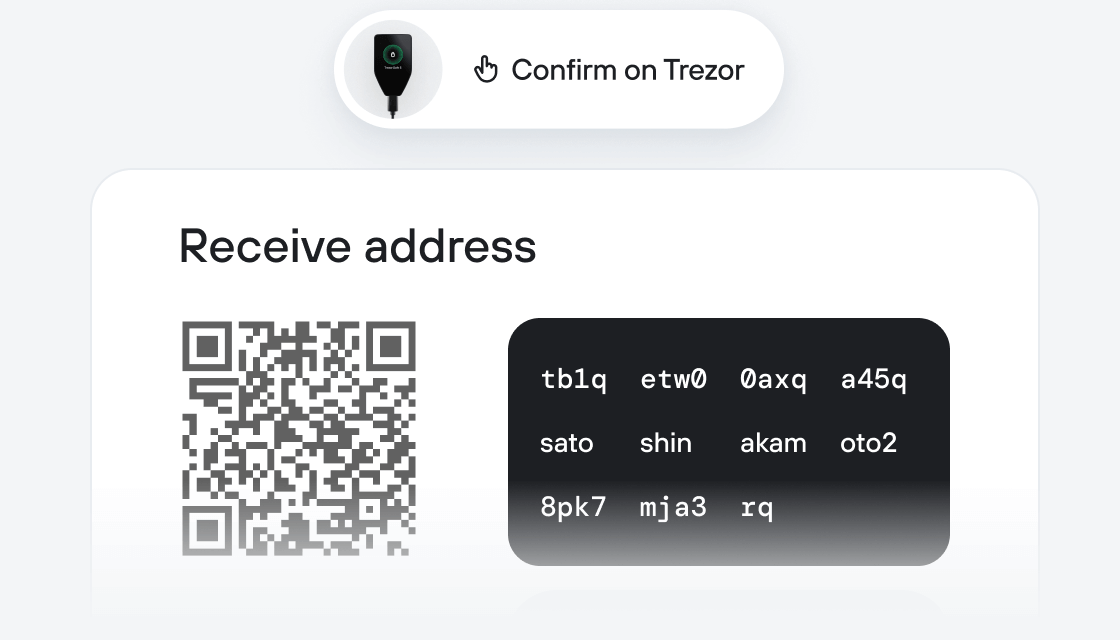
Transfiere tus TBTC
Aprovecha al máximo tus TBTC
Trezor mantiene tus TBTC seguros
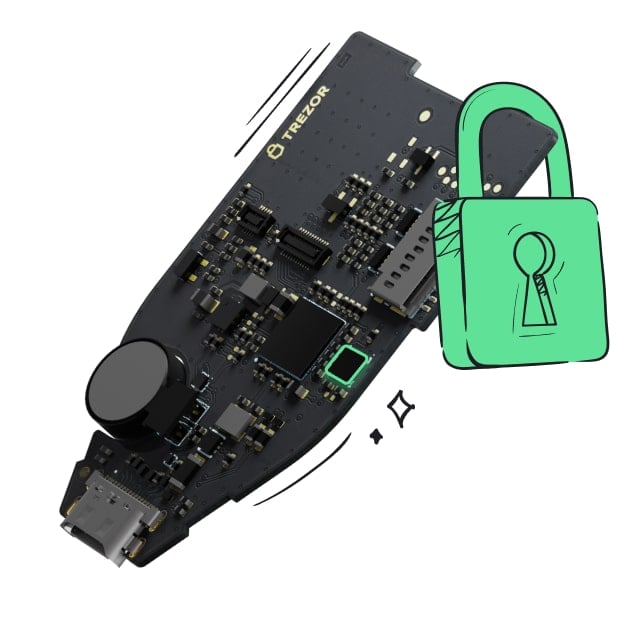 Protegido por Elemento Seguro
La mejor defensa contra amenazas tanto online como offline
 Tus tokens, bajo tu control
Control absoluto de cada transacción con confirmación directa en el dispositivo
 La seguridad empieza por código abierto
Un diseño de billetera de forma transparente hace que tu Trezor sea más seguro y confiable
 Copia de seguridad de billetera clara y sencilla
Recupera el acceso a tus activos digitales con nuevo estándar de copia de seguridad
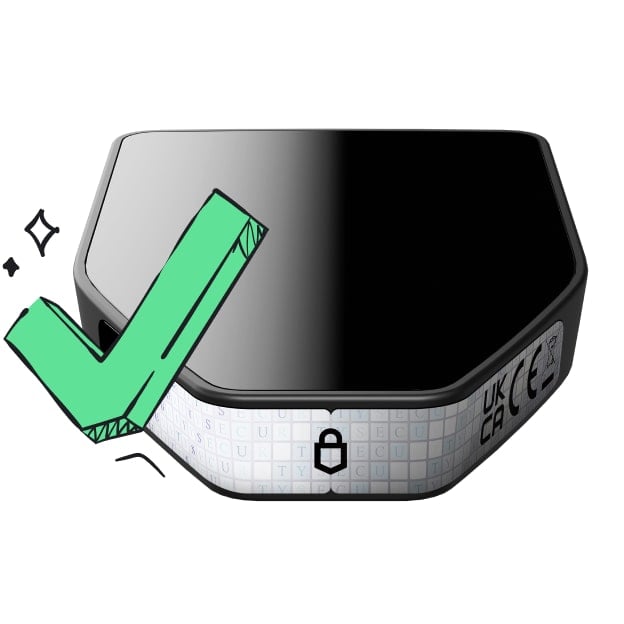 Confianza desde el primer día
El embalaje y los sellos de seguridad del dispositivo protegen la integridad de tu Trezor
¿Qué es tBTC? tBTC te permite desbloquear el valor de tu Bitcoin para pedir prestado y prestar, acuñar monedas estables, aportar liquidez y mucho más.
tBTC es un Wrapped bitcoin descentralizado respaldado 1:1 por BTC en la Red Principal. Las soluciones existentes para llevar Bitcoin a Ethereum requieren que envíes tu bitcoin a un intermediario, quien emite un token de Ethereum que representa tu activo original.
Este modelo centralizado exige que confíes en un tercero y es propenso a la censura, sacrificando la promesa de descentralización segura y sin permisos de Bitcoin.
¿Cómo resuelve tBTC este problema? En vez de intermediarios centralizados, tBTC usa un grupo aleatorio de operadores que gestionan nodos en Threshold Network para asegurar los depósitos mediante criptografía de umbral.
Esto implica que tBTC requiere un acuerdo mayoritario de umbral antes de que los operadores hagan cualquier acción con tu bitcoin. Al rotar la selección de operadores semanalmente, tBTC protege contra el riesgo de que un operador o grupo de ellos se coluda para apropiarse fraudulentamente de los depósitos.
Al confiar en el supuesto de honestidad mayoritaria, se puede calcular la probabilidad de que una billetera esté conformada por un quórum deshonesto. Un respaldo de seguro (los pools de cobertura) sirve como salvaguardia en caso de compromiso de una billetera.
¿Qué es Threshold Network? Threshold.network surge de la fusión de las redes NuCypher y Keep en una sola red descentralizada: provee servicios de criptografía de umbral para aplicaciones web3 a través de una red de nodos en staking. Toda la comunidad es gobernada por una DAO.
Los servicios estrella de Threshold Network incluyen Threshold Access Control (TACo), que permite compartir y comunicar datos cifrados de extremo a extremo sin necesitar una autoridad centralizada de confianza; tBTC v2, el único puente Bitcoin-Ethereum descentralizado y sin necesidad de permisos; y thUSD, una moneda estable USD sobrecolateralizada y descentralizada que usa ETH y tBTC como colateral.