Sichere & geschützte HASHCATS Wallet
Übernimm die Kontrolle über deine HASHCATS Assets mit vollem Vertrauen in das Trezor Ökosystem.
- Gesichert durch deine Hardware-Wallet
- Nutze ihn mit kompatiblen Hot-Wallets
- Über 2 Millionen Kunden vertrauen uns
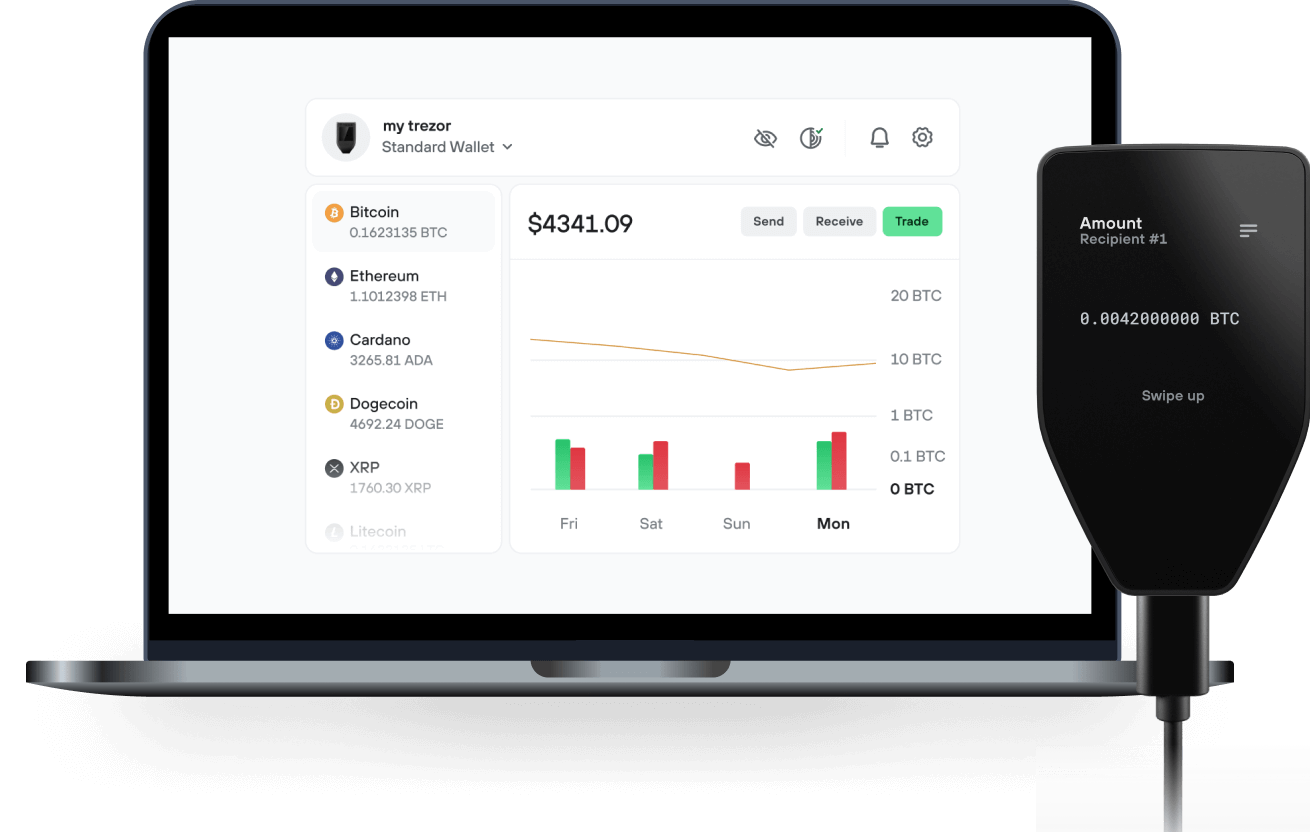
Sende & empfange deinen HASHCATS mit der Trezor Suite App

Sende & empfange
Trezor Hardware-Wallet, die HASHCATS unterstützen
Synchronisiere Trezor mit Wallet-Apps
Verwalte deine HASHCATS mit deiner Trezor Hardware-Wallet, die mit mehreren Wallet-Apps synchronisiert ist.
Trezor Suite
MetaMask
Rabby
Unterstütztes HASHCATS Netzwerk
Warum eine Hardware-Wallet?
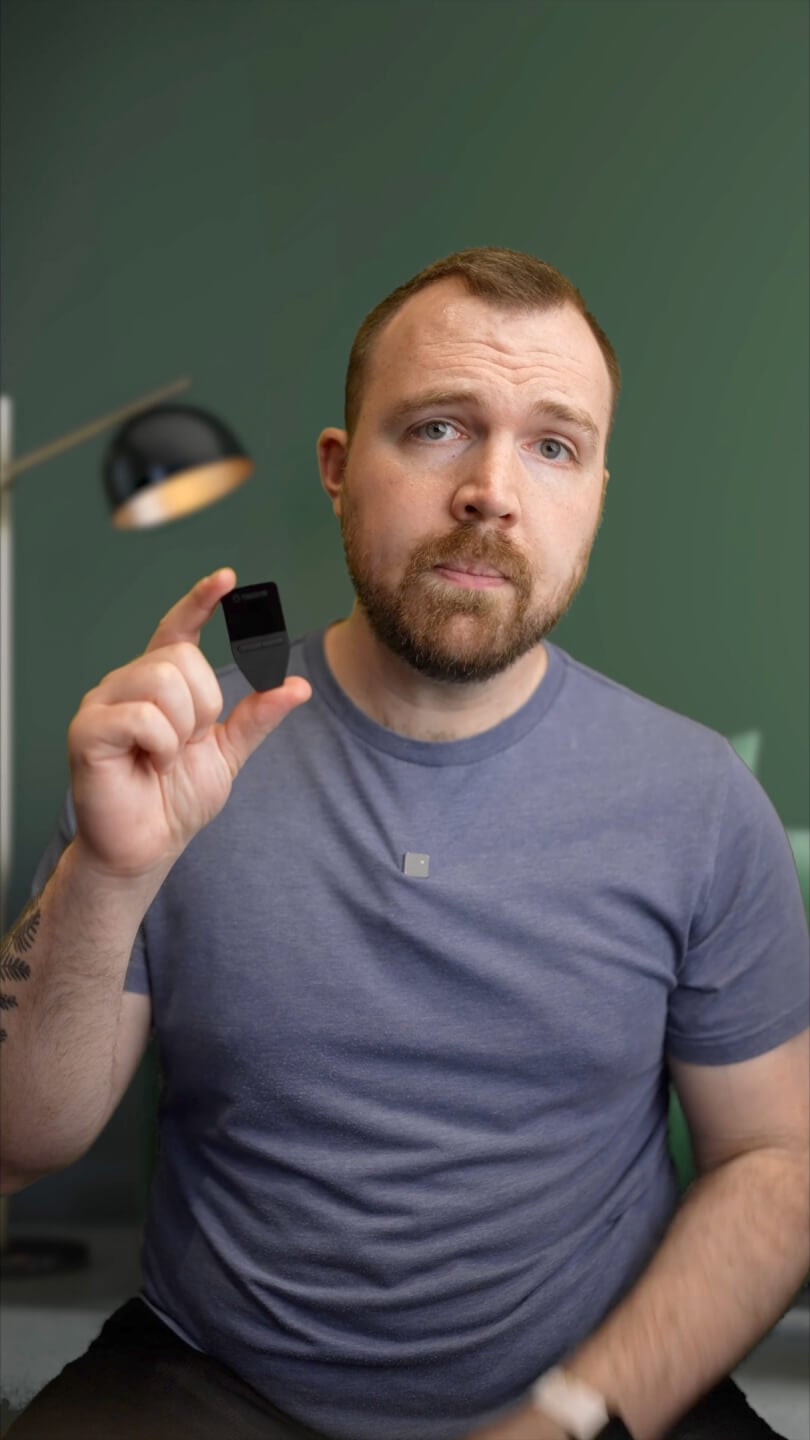
Gehe offline mit Trezor
- Du besitzt 100 % deiner Coins
- Deine Wallet ist offline zu 100 % sicher
- Deine Daten sind zu 100 % anonym
- Deine Coins sind an keine Firma gebunden
Online-Börsen
- Wenn ein Umtausch fehlschlägt, verlierst du deine Coins
- Börsen sind Ziele von Hackern
- Deine persönlichen Daten könnten offengelegt werden
- Du besitzt deine Coins nicht wirklich
Wie man HASH auf Trezor
Verbinde deinen Trezor
Öffne eine Drittanbieter-Wallet-App
Verwalte dein Vermögen
Mache das Beste aus deinen HASH
Trezor hält dein HASH sicher
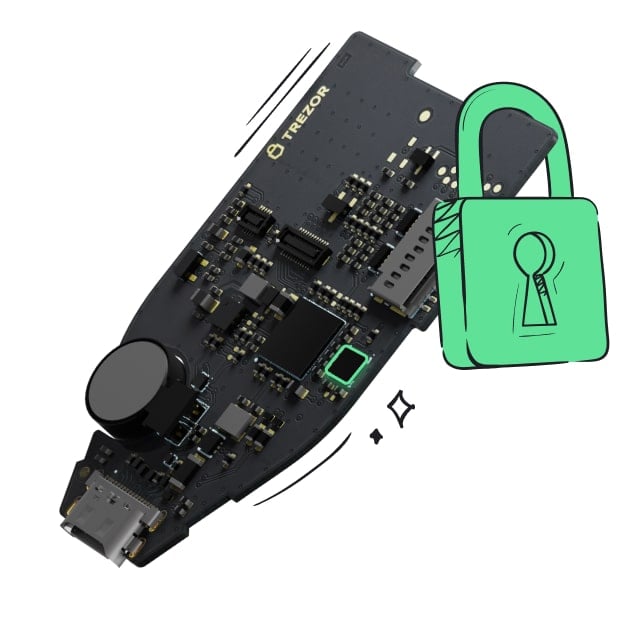 Geschützt durch Secure Element
Die beste Verteidigung gegen beides, online und offline Bedrohungen
 Deine Token, deine Kontrolle
Absolute Kontrolle über jede Transaktion mit Bestätigung auf dem Gerät
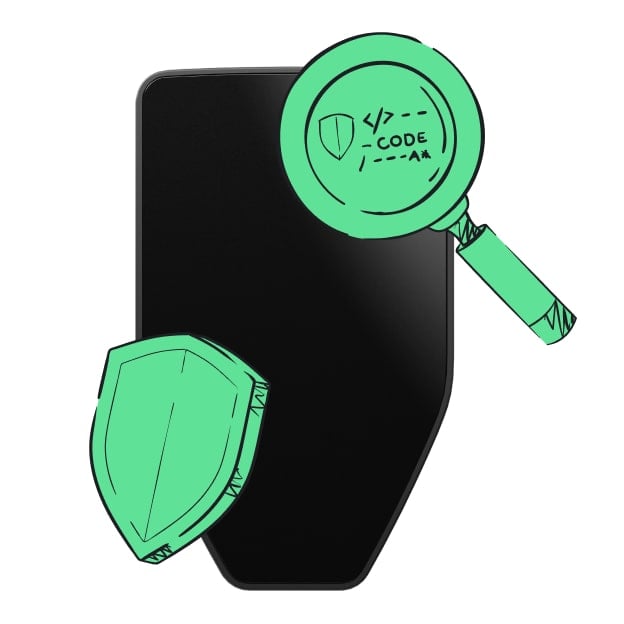 Sicherheit beginnt mit Open-Source
Das transparente Wallet-Design macht deinen Trezor besser und sicherer
 Übersichtliches & einfaches Wallet-Backup
Stelle deinen Zugriff auf deine digitalen Assets wieder her mit einem neuen Backup-Standard
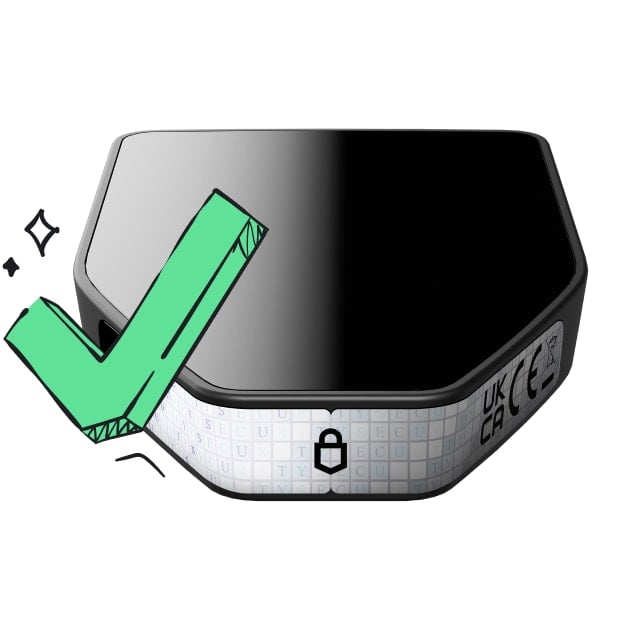 Vertrauen vom ersten Tag an
Verpackungs- & Gerätesicherheitssiegel schützen die Integrität deines Trezors
HASHCATS is a fully on-chain NFT collection on Robinhood Chain, and $HASH is the token its economy runs on. A cat is not bought, it is mined: a miner hashes the previous cat's hash together with their own address, a recent block anchor and a nonce until the result lands under the network target — currently 35 bits, retargeted every 8 mints. The winning hash decides the cat's traits, and the image, palette and metadata live in contract storage and are drawn by an on-chain renderer, so nothing depends on IPFS or a server.
$HASH is created only by destroying a cat. Burning returns up to 1,000 $HASH, decaying as the collection moves into later epochs, so every token in existence is the receipt of proof-of-work already spent plus one NFT removed from supply. Apart from a one-time genesis supply of 1,000,000 $HASH at deployment, no token has ever been created any other way.
$HASH trades against ETH in a Uniswap v4 pool with a custom hook. The hook collects 5% of every swap, a share of every mint, 5% secondary-sale royalties and the estate of burned cats, and queues that ETH to buy $HASH back off the market and destroy it — spending at most 0.04 ETH per L1 block and refusing any purchase that would move the price by more than 1%. A second sink lets anyone burn $HASH into a cat for a name, colours and a status tier, and a third locks cats in a staking pool that pays out in $HASH.