Billetera HASHCATS segura y protegida
Toma el control de tus HASHCATS activos con total confianza en el ecosistema de Trezor.
- Protegido por tu billetera física
- Usa con billeteras digitales compatibles
- Con la confianza de más de 2 millones de clientes
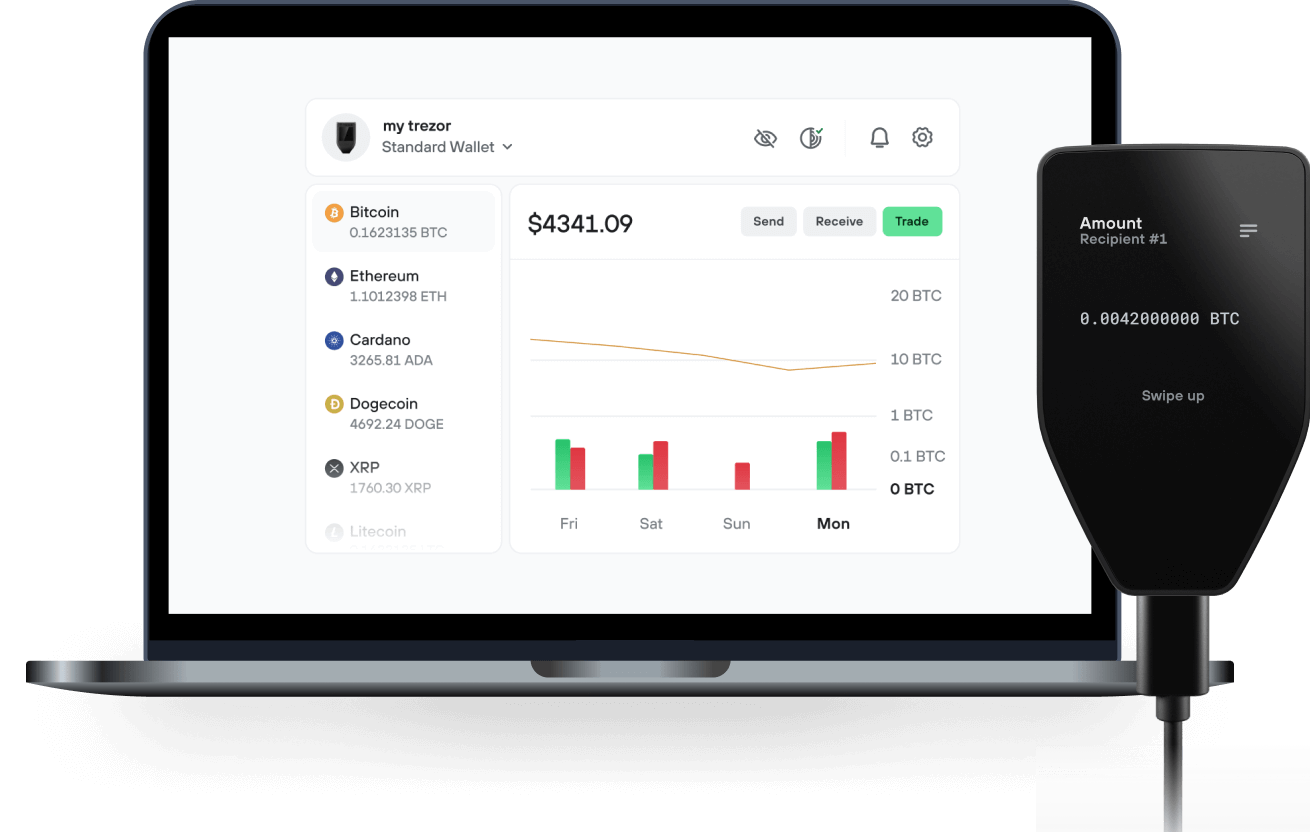
Envía y recibe tu HASHCATS con la app Trezor Suite

Enviar y recibir
Billeteras físicas Trezor compatibles con HASHCATS
Sincroniza tu Trezor con apps de billeteras
Gestiona tus HASHCATS con tu billetera física Trezor sincronizada con apps de billeteras.
Trezor Suite
MetaMask
Rabby
Red HASHCATS Compatible
¿Por qué una billetera física?
Desconéctate con Trezor
- Tus monedas son 100% tuyas
- Tu billetera está 100% segura offline
- Tus datos son 100% anónimos
- Tus monedas no están atadas a una compañía
Exchanges en línea
- Si un exchange falla, pierdes tus monedas
- Los exchanges son blanco de los hackers
- Tu información personal puede ser expuesta
- Tus monedas no son realmente tuyas
¿Cómo usar HASH en Trezor?
Conectar tu Trezor
Abre una app de billetera de terceros
Gestiona tus activos
Aprovecha al máximo tus HASH
Trezor mantiene tus HASH seguros
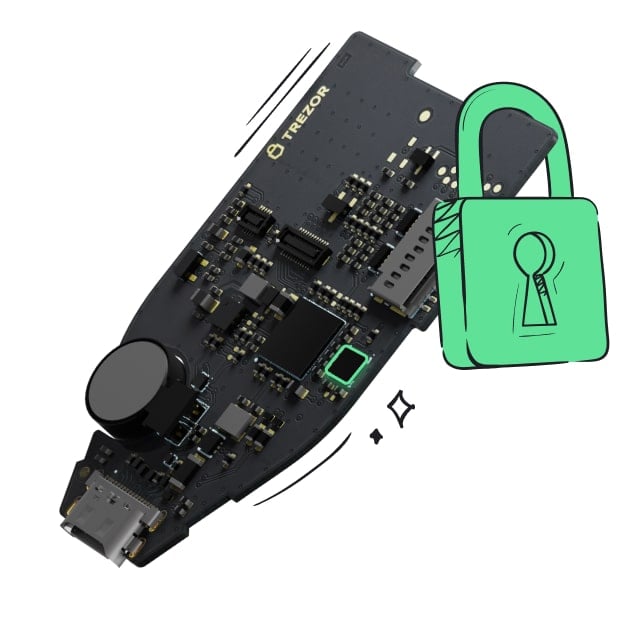 Protegido por Elemento Seguro
La mejor defensa contra amenazas tanto online como offline
 Tus tokens, bajo tu control
Control absoluto de cada transacción con confirmación directa en el dispositivo
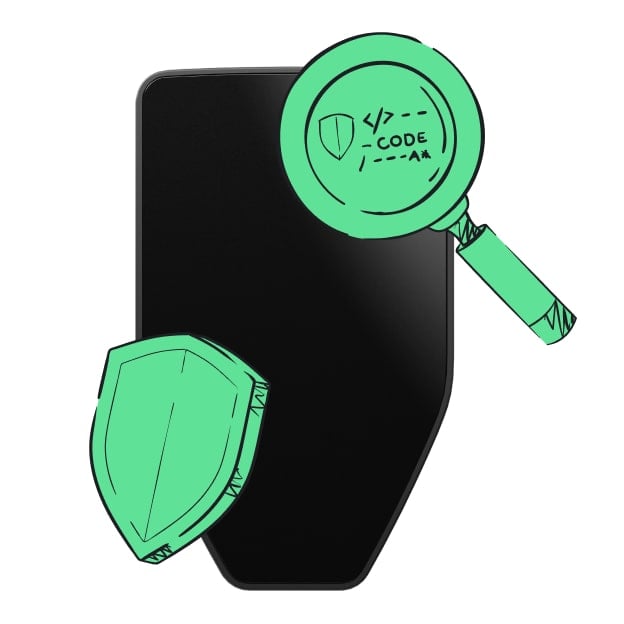 La seguridad empieza por código abierto
Un diseño de billetera de forma transparente hace que tu Trezor sea más seguro y confiable
 Copia de seguridad de billetera clara y sencilla
Recupera el acceso a tus activos digitales con nuevo estándar de copia de seguridad
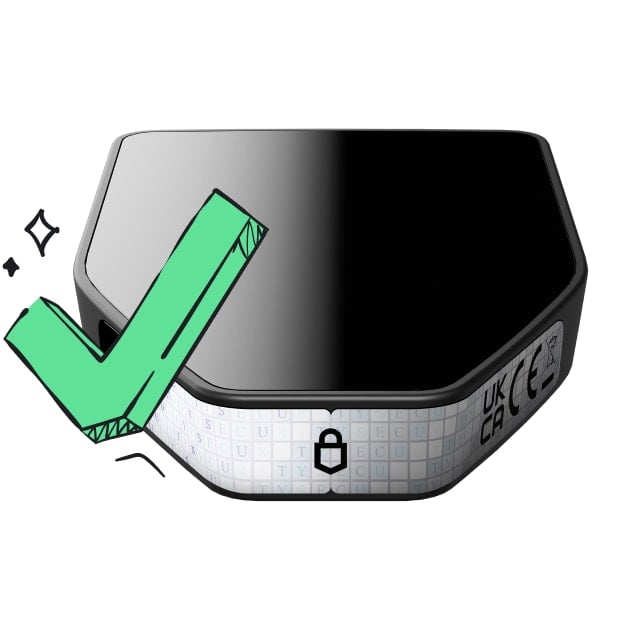 Confianza desde el primer día
El embalaje y los sellos de seguridad del dispositivo protegen la integridad de tu Trezor
HASHCATS is a fully on-chain NFT collection on Robinhood Chain, and $HASH is the token its economy runs on. A cat is not bought, it is mined: a miner hashes the previous cat's hash together with their own address, a recent block anchor and a nonce until the result lands under the network target — currently 35 bits, retargeted every 8 mints. The winning hash decides the cat's traits, and the image, palette and metadata live in contract storage and are drawn by an on-chain renderer, so nothing depends on IPFS or a server.
$HASH is created only by destroying a cat. Burning returns up to 1,000 $HASH, decaying as the collection moves into later epochs, so every token in existence is the receipt of proof-of-work already spent plus one NFT removed from supply. Apart from a one-time genesis supply of 1,000,000 $HASH at deployment, no token has ever been created any other way.
$HASH trades against ETH in a Uniswap v4 pool with a custom hook. The hook collects 5% of every swap, a share of every mint, 5% secondary-sale royalties and the estate of burned cats, and queues that ETH to buy $HASH back off the market and destroy it — spending at most 0.04 ETH per L1 block and refusing any purchase that would move the price by more than 1%. A second sink lets anyone burn $HASH into a cat for a name, colours and a status tier, and a third locks cats in a staking pool that pays out in $HASH.