Sichere & geschützte BEAM Wallet
Übernimm die Kontrolle über deine BEAM Assets mit vollem Vertrauen in das Trezor Ökosystem.
- Gesichert durch deine Hardware-Wallet
- Nutze ihn mit kompatiblen Hot-Wallets
- Über 2 Millionen Kunden vertrauen uns
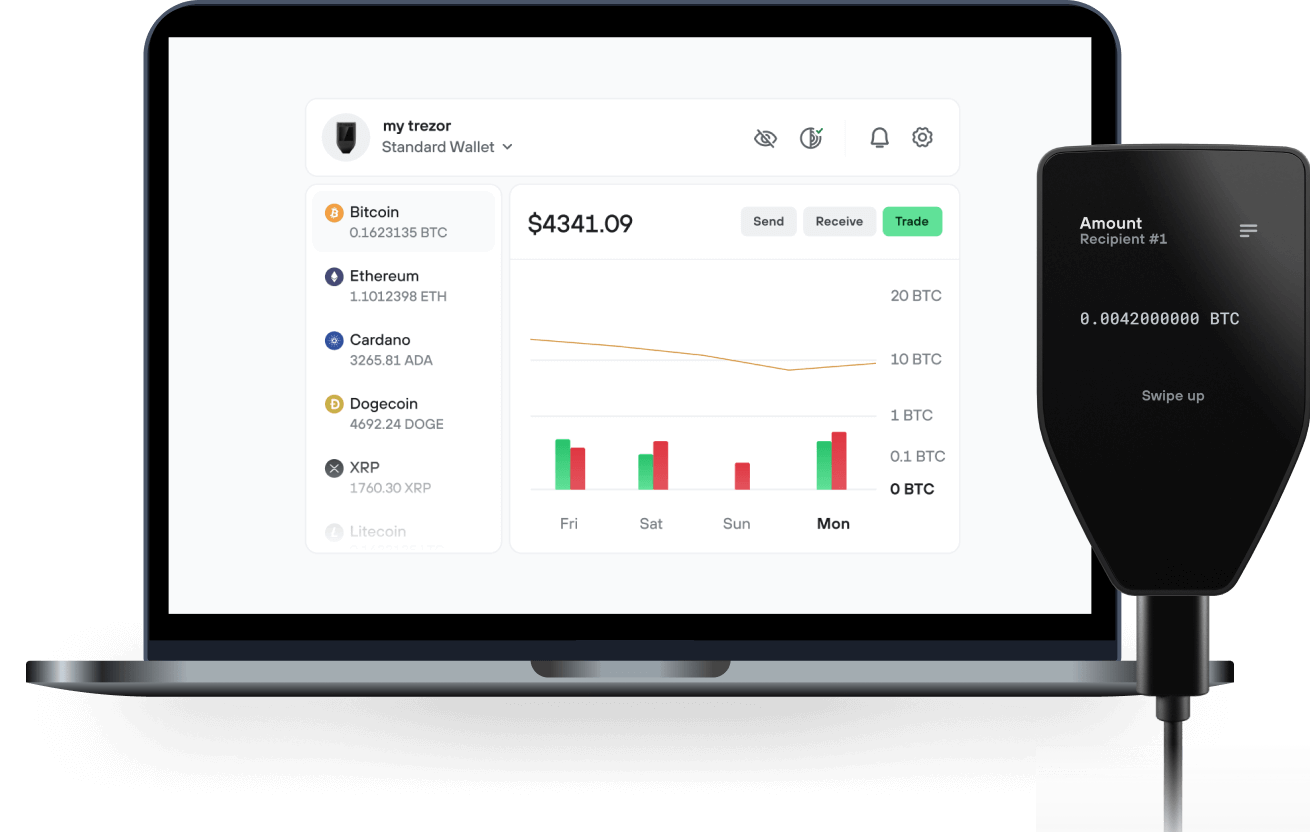
Sende & empfange deinen BEAM mit der Trezor Suite App

Sende & empfange
Trezor Hardware-Wallet, die BEAM unterstützen
Synchronisiere Trezor mit Wallet-Apps
Verwalte deine BEAM mit deiner Trezor Hardware-Wallet, die mit mehreren Wallet-Apps synchronisiert ist.
Trezor Suite
MetaMask
Rabby
Unterstütztes BEAM Netzwerk
Warum eine Hardware-Wallet?
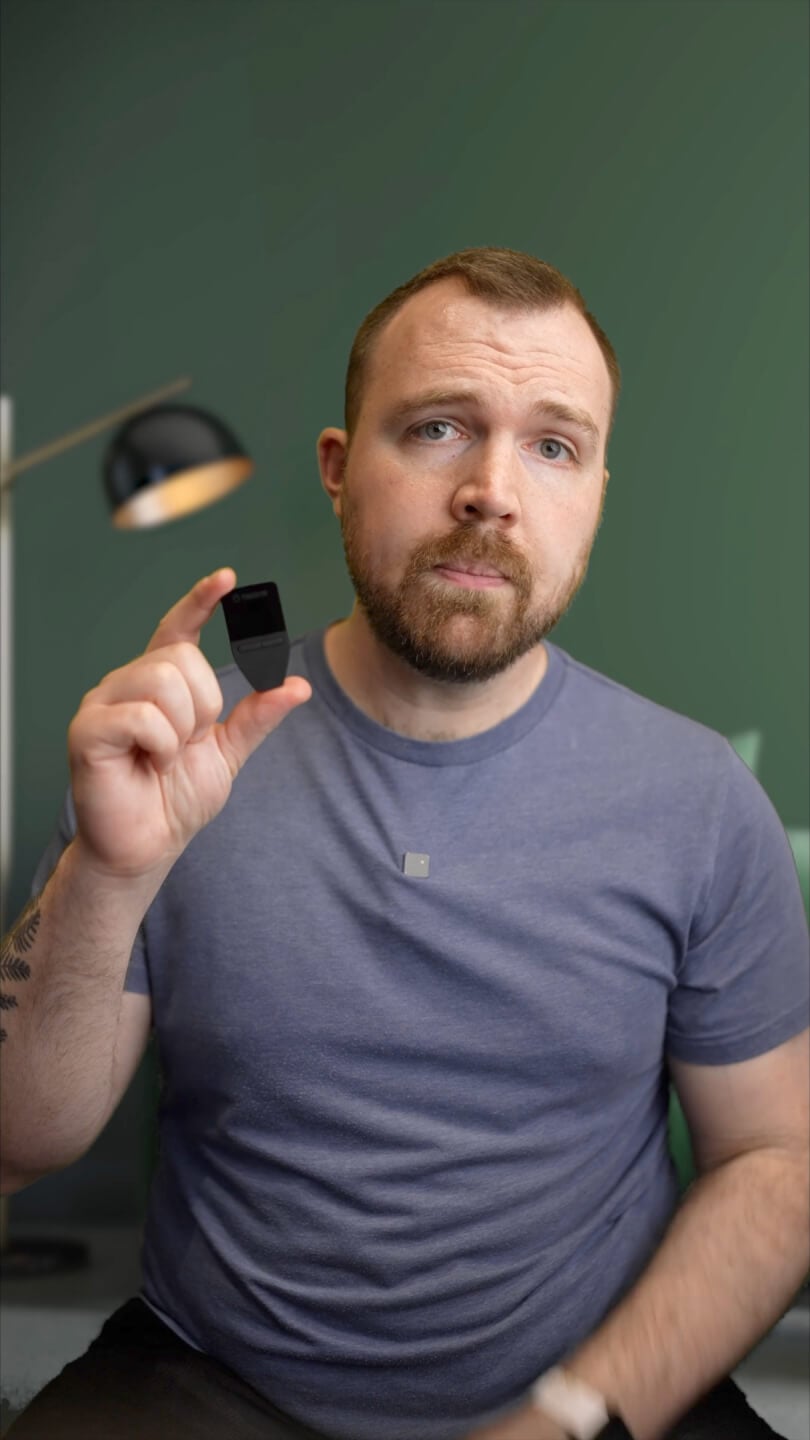
Gehe offline mit Trezor
- Du besitzt 100 % deiner Coins
- Deine Wallet ist offline zu 100 % sicher
- Deine Daten sind zu 100 % anonym
- Deine Coins sind an keine Firma gebunden
Online-Börsen
- Wenn ein Umtausch fehlschlägt, verlierst du deine Coins
- Börsen sind Ziele von Hackern
- Deine persönlichen Daten könnten offengelegt werden
- Du besitzt deine Coins nicht wirklich
Wie man BEAM auf Trezor
Verbinde deinen Trezor
Öffne eine Drittanbieter-Wallet-App
Verwalte dein Vermögen
Mache das Beste aus deinen BEAM
Trezor hält dein BEAM sicher
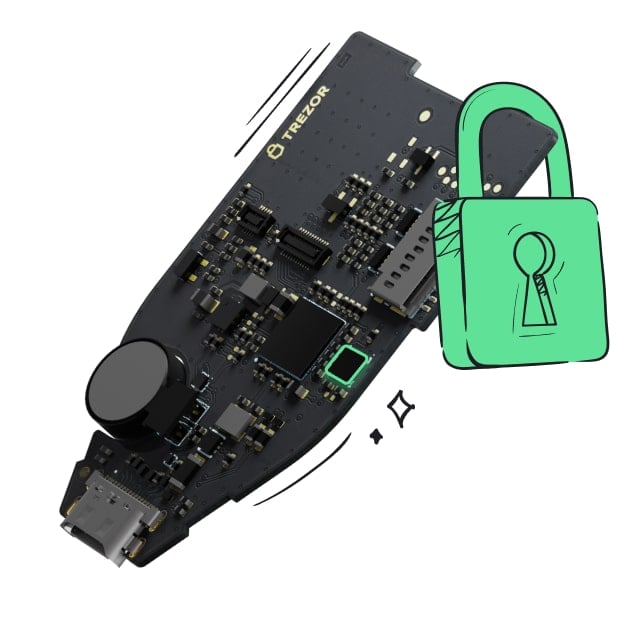 Geschützt durch Secure Element
Die beste Verteidigung gegen beides, online und offline Bedrohungen
 Deine Token, deine Kontrolle
Absolute Kontrolle über jede Transaktion mit Bestätigung auf dem Gerät
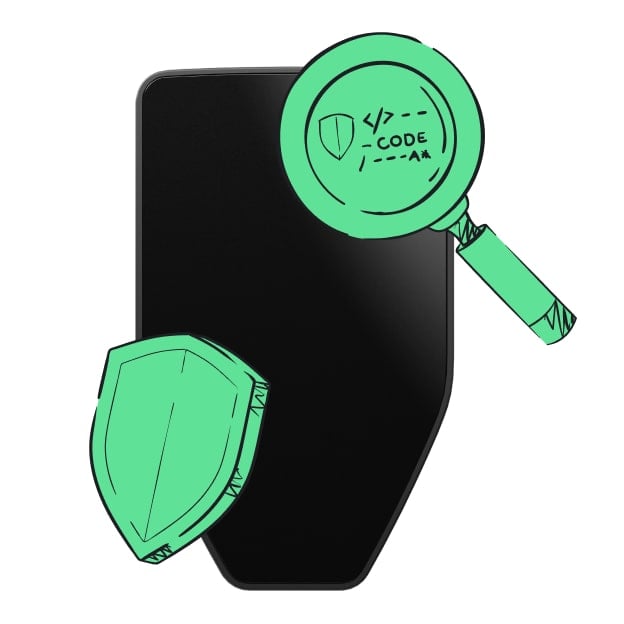 Sicherheit beginnt mit Open-Source
Das transparente Wallet-Design macht deinen Trezor besser und sicherer
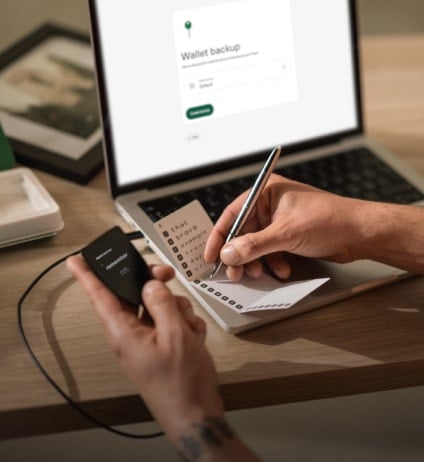 Übersichtliches & einfaches Wallet-Backup
Stelle deinen Zugriff auf deine digitalen Assets wieder her mit einem neuen Backup-Standard
 Vertrauen vom ersten Tag an
Verpackungs- & Gerätesicherheitssiegel schützen die Integrität deines Trezors
Beam Mimblewimble is a scalable, fungible, and confidential cryptocurrency based on the Mimblewimble implementation.
WHY BEAM? Core features include complete control over your privacy, All transactions are private by default, No addresses or other private information are stored on the blockchain, Superior scalability due to compact blockchain size, Opt-in Auditability, Support online and offline transactions, atomic swap, hardware wallets integration.
Governance model No premine, No ICO. Backed by Treasury Establishing a non-profit foundation to govern the protocol after Mainnet launch
How does it work? Wallets’ owners create new transaction using secure channel either online or offline Both wallets participate in signing the transaction using Schnorr protocol
Wallet sends transaction to node Each transaction contains a list of Inputs and Outputs represented by Pedersen Commitments, as well as explicit fees and kernels. Each transaction also contains non-interactive zero knowledge range proof to verify that the output transaction value is positive
Transaction is verified by the node Each transaction is verified with respect to the recent blockchain state which is stored as a Merkle Tree. The root hash of the tree is recorded in block header along with a proof of work. In addition, each node periodically creates compacted history to allow ‘fast sync’ of new and existing nodes.
Transaction is added to the mining pool A block is mined every minute and is sent back to the node for verification and distribution.
Mined blocks containing the new transactions are sent to the known peers A valid block that is extending the longest chain is accepted as a new Tip and propagated further until full consensus is reached.
Fast sync When a new node connects to the network for the first time it can request compacted history containing only system state and blockchain headers. There is no need to retrieve the entire transaction history.