Billetera BEAM segura y protegida
Toma el control de tus BEAM activos con total confianza en el ecosistema de Trezor.
- Protegido por tu billetera física
- Usa con billeteras digitales compatibles
- Con la confianza de más de 2 millones de clientes
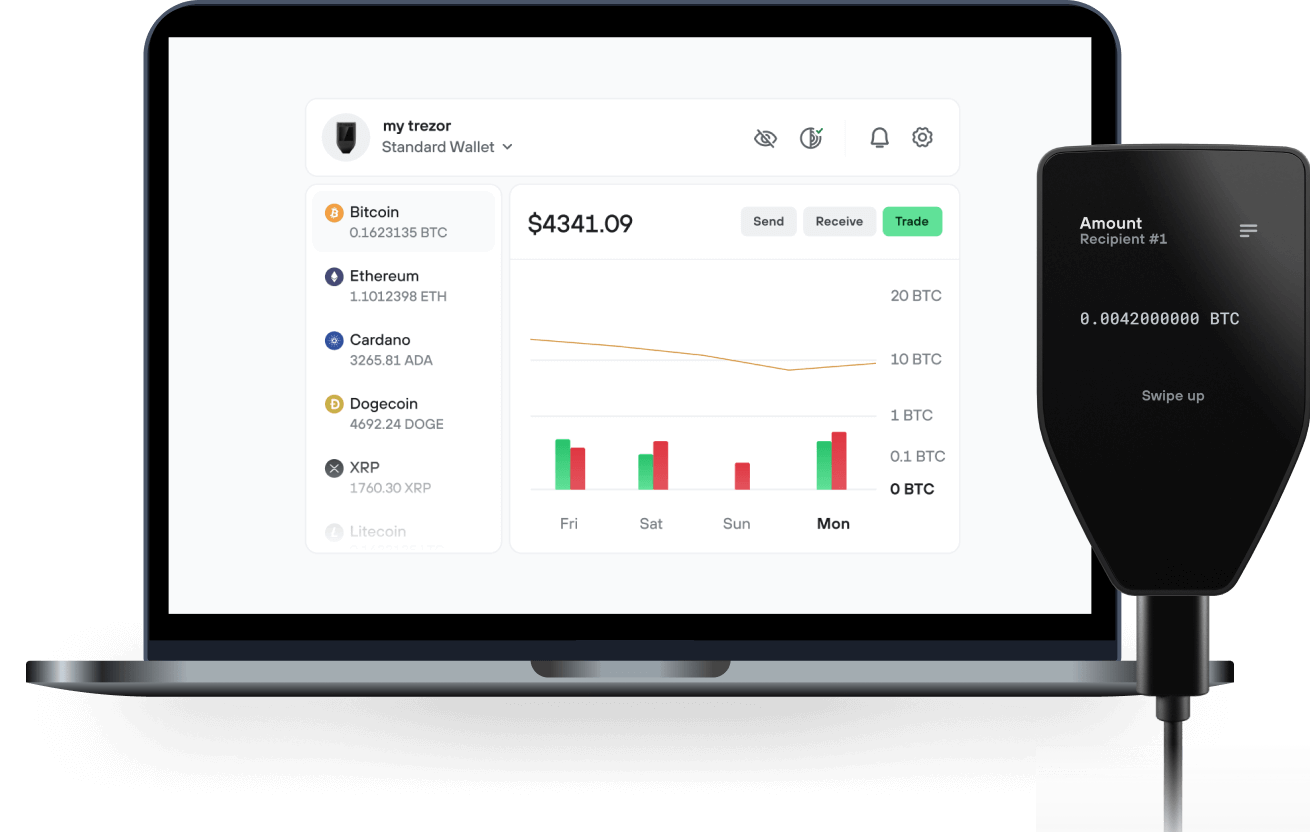
Envía y recibe tu BEAM con la app Trezor Suite

Enviar y recibir
Billeteras físicas Trezor compatibles con BEAM
Sincroniza tu Trezor con apps de billeteras
Gestiona tus BEAM con tu billetera física Trezor sincronizada con apps de billeteras.
Trezor Suite
MetaMask
Rabby
Redes BEAM Compatibles
¿Por qué una billetera física?
Desconéctate con Trezor
- Tus monedas son 100% tuyas
- Tu billetera está 100% segura offline
- Tus datos son 100% anónimos
- Tus monedas no están atadas a una compañía
Exchanges en línea
- Si un exchange falla, pierdes tus monedas
- Los exchanges son blanco de los hackers
- Tu información personal puede ser expuesta
- Tus monedas no son realmente tuyas
¿Cómo usar BEAM en Trezor?
Conecta tu Trezor
Abre una app de billetera de terceros
Gestiona tus activos
Aprovecha al máximo tus BEAM
Trezor mantiene tus BEAM seguros
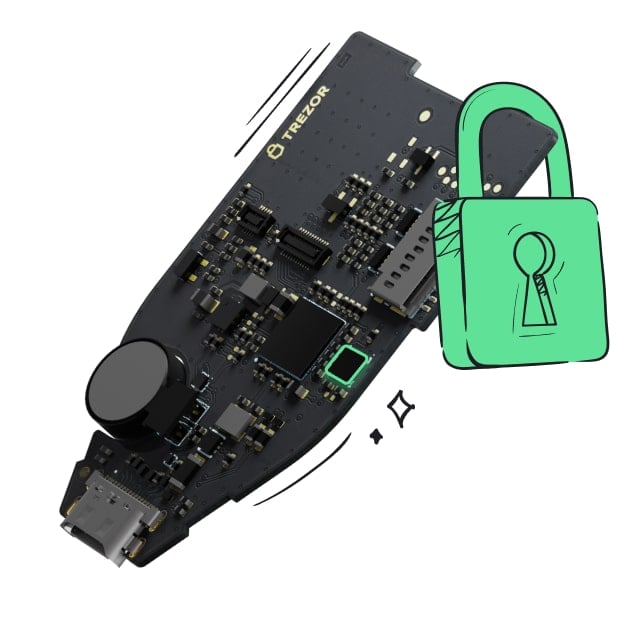 Protegido por Elemento Seguro
La mejor defensa contra amenazas tanto online como offline
 Tus tokens, bajo tu control
Control absoluto de cada transacción con confirmación directa en el dispositivo
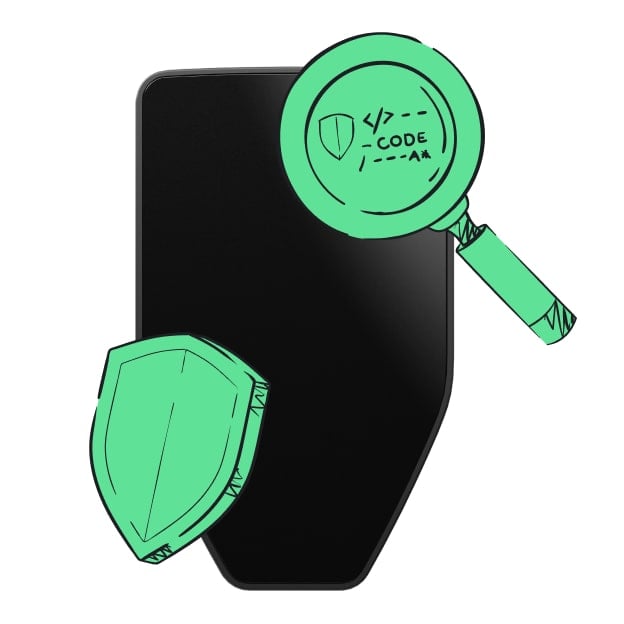 La seguridad empieza por código abierto
Un diseño de billetera de forma transparente hace que tu Trezor sea más seguro y confiable
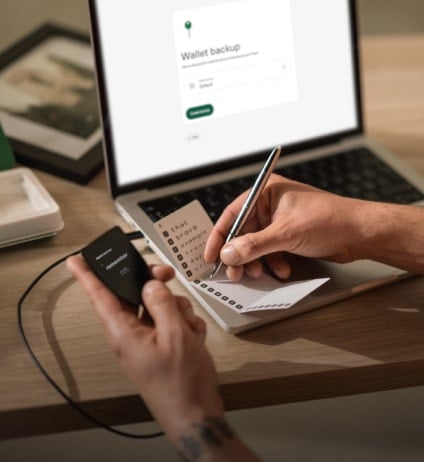 Copia de seguridad de billetera clara y sencilla
Recupera el acceso a tus activos digitales con nuevo estándar de copia de seguridad
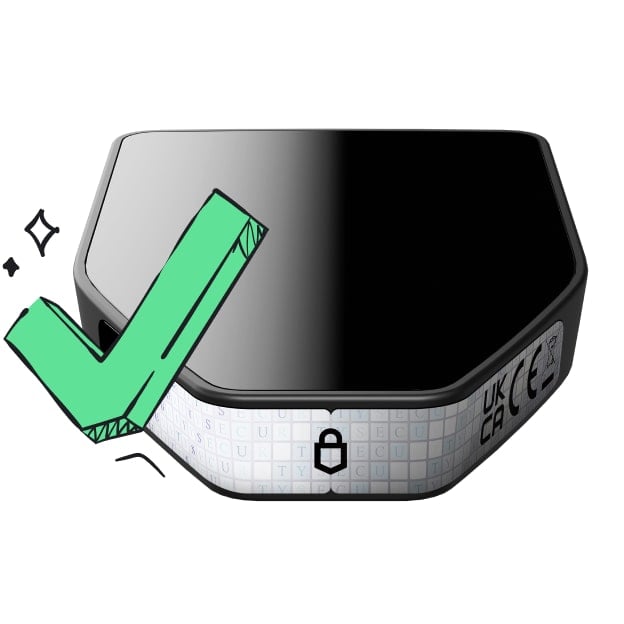 Confianza desde el primer día
El embalaje y los sellos de seguridad del dispositivo protegen la integridad de tu Trezor
Beam Mimblewimble is a scalable, fungible, and confidential cryptocurrency based on the Mimblewimble implementation.
WHY BEAM? Core features include complete control over your privacy, All transactions are private by default, No addresses or other private information are stored on the blockchain, Superior scalability due to compact blockchain size, Opt-in Auditability, Support online and offline transactions, atomic swap, hardware wallets integration.
Governance model No premine, No ICO. Backed by Treasury Establishing a non-profit foundation to govern the protocol after Mainnet launch
How does it work? Wallets’ owners create new transaction using secure channel either online or offline Both wallets participate in signing the transaction using Schnorr protocol
Wallet sends transaction to node Each transaction contains a list of Inputs and Outputs represented by Pedersen Commitments, as well as explicit fees and kernels. Each transaction also contains non-interactive zero knowledge range proof to verify that the output transaction value is positive
Transaction is verified by the node Each transaction is verified with respect to the recent blockchain state which is stored as a Merkle Tree. The root hash of the tree is recorded in block header along with a proof of work. In addition, each node periodically creates compacted history to allow ‘fast sync’ of new and existing nodes.
Transaction is added to the mining pool A block is mined every minute and is sent back to the node for verification and distribution.
Mined blocks containing the new transactions are sent to the known peers A valid block that is extending the longest chain is accepted as a new Tip and propagated further until full consensus is reached.
Fast sync When a new node connects to the network for the first time it can request compacted history containing only system state and blockchain headers. There is no need to retrieve the entire transaction history.