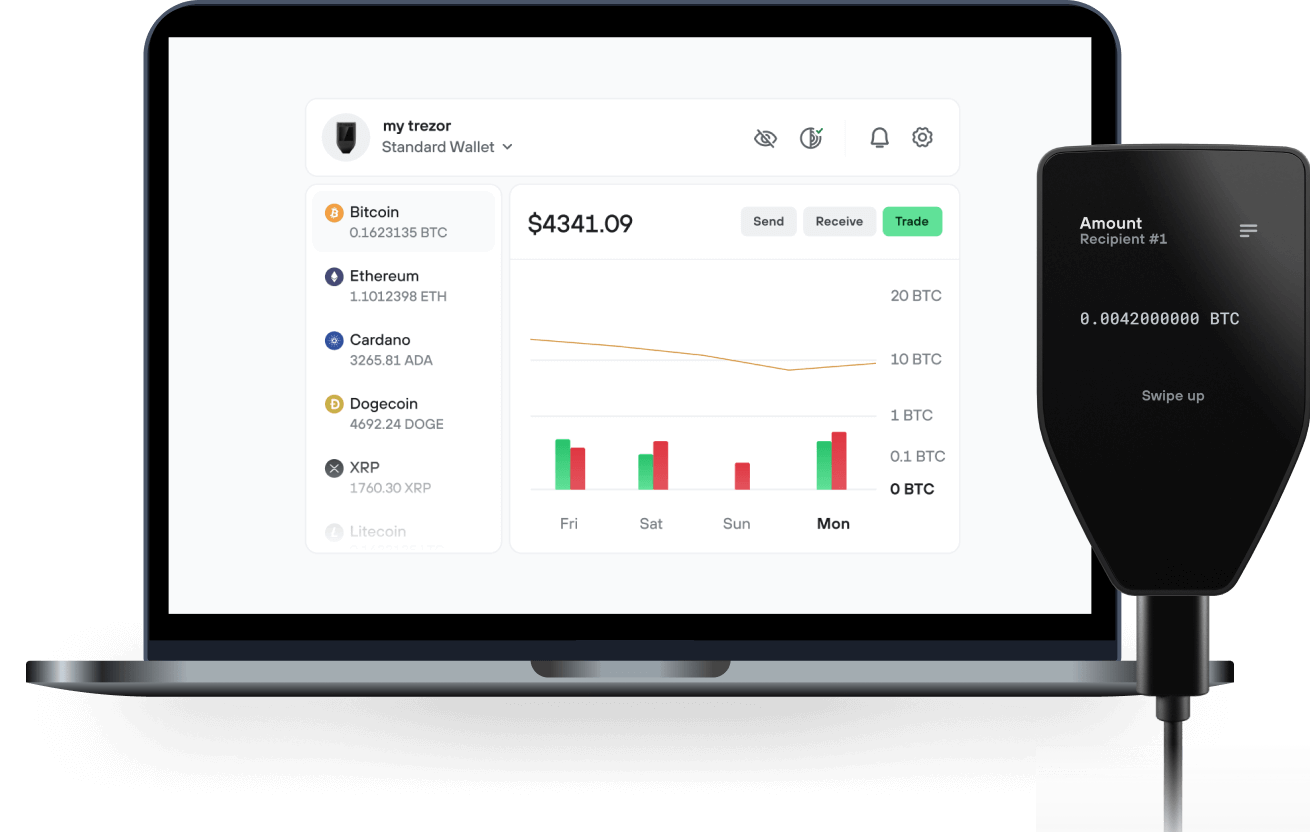
收发您的 Pine 通过 Trezor Suite 应用

收发
兑换
支持Pine的 Trezor 硬件钱包
让您的 Trezor 同步至钱包应用
通过将 Trezor 硬件钱包与多个钱包应用同步,管理您的 Pine。
Trezor Suite
MetaMask
Rabby
支持的Pine网络
为什么要用硬件钱包?
离线安全保护,尽在 Trezor
- 您 100% 拥有您的加密货币
- 离线保护私钥,大幅降低在线攻击风险
- 您的数据 100% 匿名
- 您的加密货币不受任何公司控制
在线交易所
- 若交易所出现问题,您将失去加密货币
- 交易所是黑客攻击的目标
- 您的个人数据可能会被暴露
- 您并不真正拥有您的加密货币
如何在 Trezor 上使用PINE
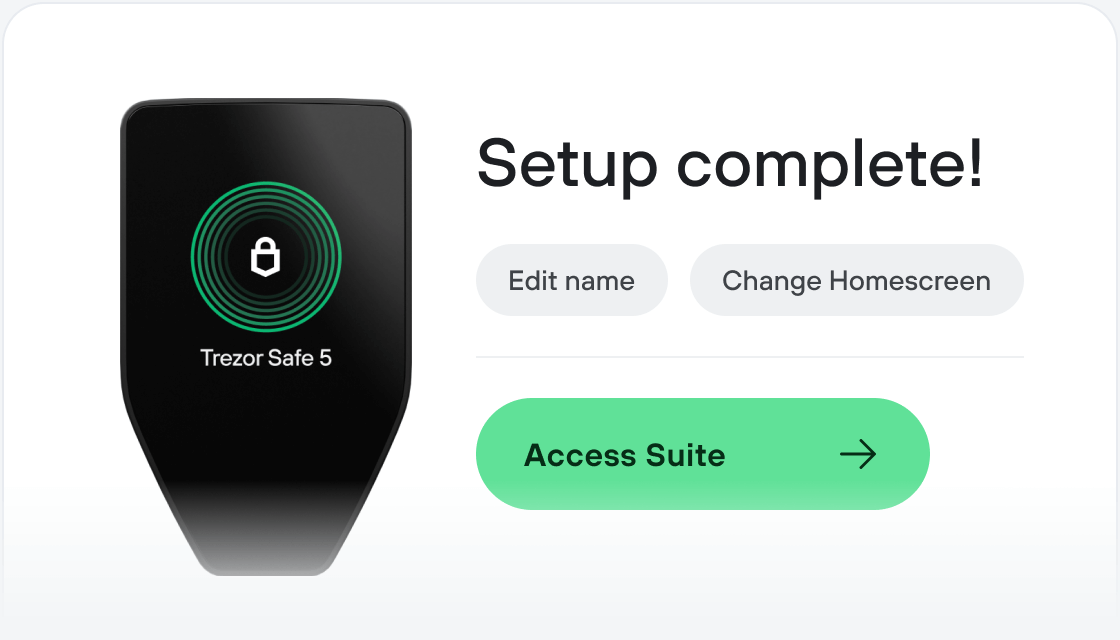
请连接您的 Trezor 设备
安装 Trezor Suite 应用
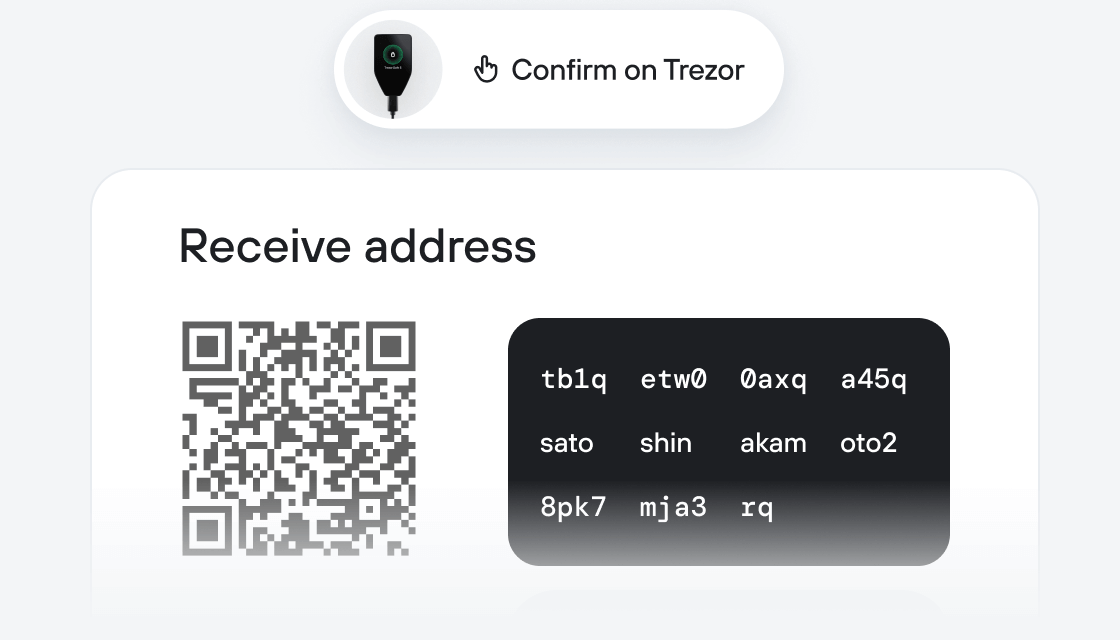
转账您的 PINE
充分利用您的 PINE
Trezor 助您安心管理 PINE
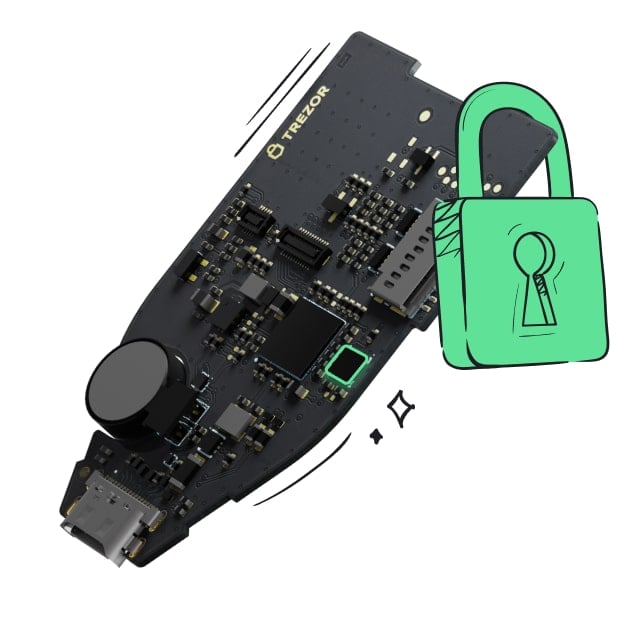 受安全芯片保护
对抗在线与离线威胁的可靠防线
 您的代币,您做主
通过设备确认,全面掌控每笔交易
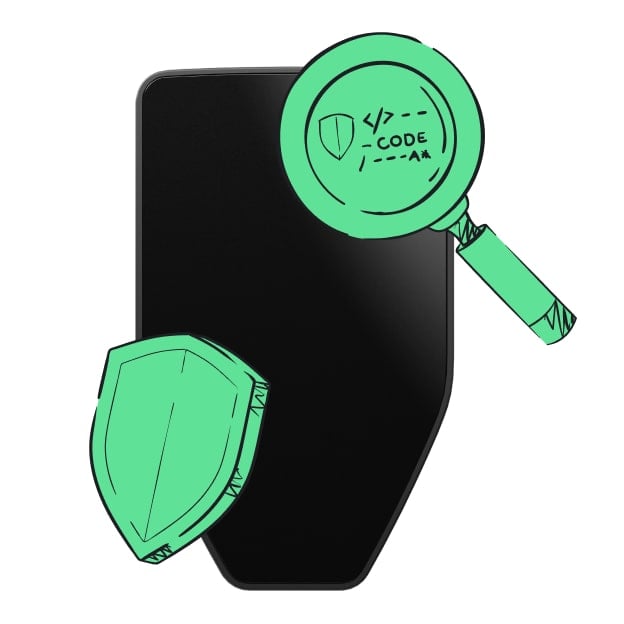 安全始于开源
透明钱包设计让您的 Trezor 更优更安全
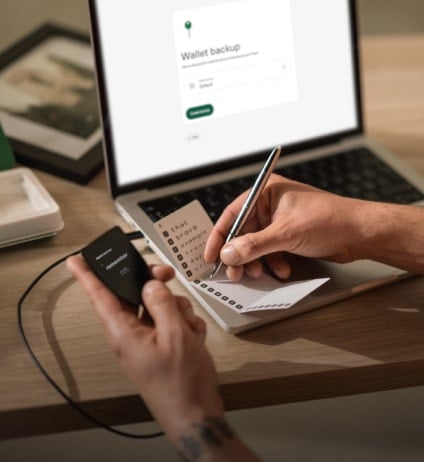 清晰简单的钱包备份
采用新备份标准恢复您的数字资产访问权限
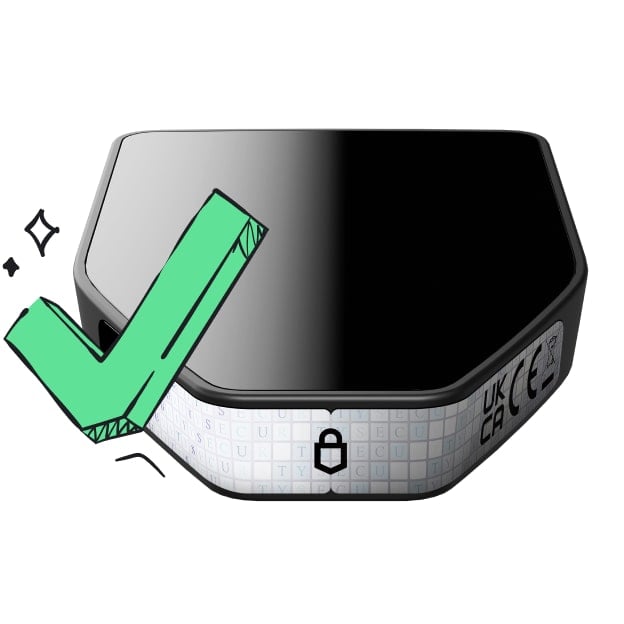 从第一天起就信心十足
包装与设备防拆封条共同保障 Trezor 设备完整性
The native cryptographically-secured fungible protocol token of Pine (ticker symbol $PINE) is a transferable representation of attributed governance and utility functions specified in the protocol/code of Pine, and which is designed to be used solely as an interoperable utility token thereon.
$PINE functions as the native governance token, access token, and economic incentives which will be distributed to encourage users to exert efforts towards contribution and participation in the ecosystem on Pine, thereby creating a mutually beneficial system where every participant is fairly compensated for its efforts. $PINE is an integral and indispensable part of Pine, because without $PINE, there would be no incentive for users to expend resources to participate in activities or provide services for the benefit of the entire ecosystem on Pine. Given that additional $PINE will be awarded to a user based only on its actual usage, activity and efforts made on Pine and/or proportionate to the frequency and volume of transactions, users of Pine and/or holders of $PINE which did not actively participate will not receive any $PINE incentives.
$PINE Holders will have control over the PineDAO which governs both the Pine protocol and the Pine Platform and manages their future development. $PINE would allow holders to propose and vote on on-chain governance proposals to determine future features and/or parameters of Pine, with voting weight calculated in proportion to the tokens staked (the right to vote is restricted solely to voting on features of Pine; it does not entitle $PINE holders to vote on the operation and management of the Company, its affiliates, or their assets or the disposition of such assets to token holders, or select the board of directors of these entities, or determine the development direction of these entities, nor does $PINE constitute any equity interest in any of these entities or any collective investment scheme; the arrangement is not intended to be any form of joint venture or partnership). For example, users may propose usage of the PineDAO Treasury (which holds protocol funds) for platform/protocol maintenance, enhancements, grants, strategic partnership budgets, governance initiatives and other incentive programs. After governance launch there will be no individual or corporate entity or other active promoter, sponsor, or group or affiliated party that maintains sole control over Pine.
Pine itself is simply a blockchain protocol that, by design, does not offer any resources for utilisation As such, in order for the protocol to perform its core function as a NFT liquidity protocol, users would need to be incentivised to deposit assets in the borrowing liquidity pools to provide liquidity for loans. As their reward, these liquidity providers which help to promote adoption of Pine by staking or including assets to liquidity pools in exchange for LP tokens would be rewarded with $PINE, according to each user's relative contribution after various adjustment and correction parameters. By distributing $PINE in this manner, it ensures that the governance token will be distributed primarily to key network contributors and allow them to have a say in protocol parameters.
Likewise, users which deposit their NFTs and take out loans may also participate in the user incentive programs.
$PINE functions as a loyalty membership point, so users will be classified into different loyalty tiers based on the amount of $PINE held, user activity, and/or volume of transactions. $PINE Holders will get exclusive access to tier-based special perks and access rights, some examples are exclusive first rights to buy certain liquidated NFT assets, interest rate or service fee discount for borrowing, or achieving seniority in the platform which will allow the lender to charge more favourable interest rates on loans.