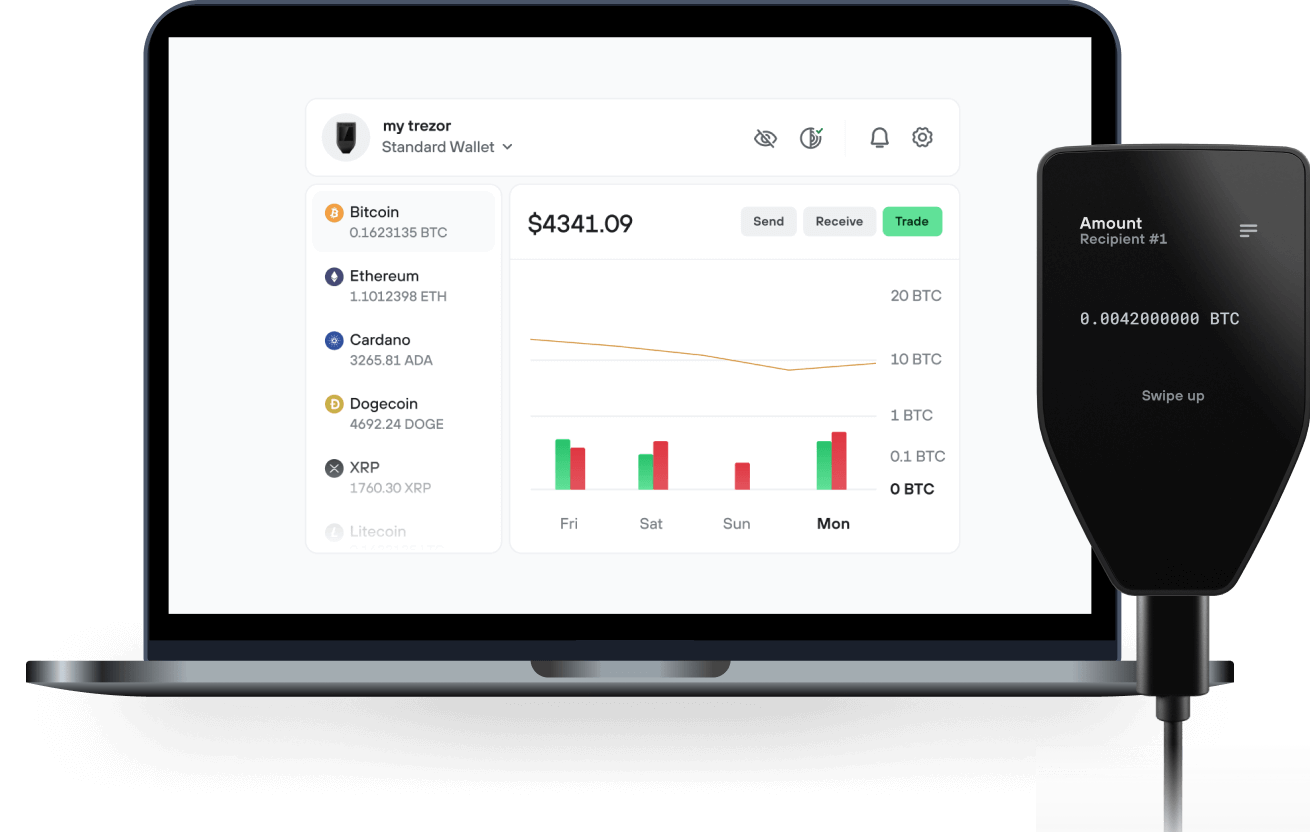
收发您的 Holo 通过 Trezor Suite 应用

收发

兑换
支持 Holo 的 Trezor 硬件钱包
让您的 Trezor 同步至钱包应用
通过将 Trezor 硬件钱包与多个钱包应用同步,管理您的 Holo。
Trezor Suite
MetaMask
Rabby
支持的Holo网络
为什么要用硬件钱包?

离线安全保护,尽在 Trezor
- 您 100% 拥有您的加密货币
- 离线保护私钥,大幅降低在线攻击风险
- 您的数据 100% 匿名
- 您的加密货币不受任何公司控制
在线交易所
- 若交易所出现问题,您将失去加密货币
- 交易所是黑客攻击的目标
- 您的个人数据可能会被暴露
- 您并不真正拥有您的加密货币
如何在 Trezor 上使用HOT
请连接您的 Trezor 设备
安装 Trezor Suite 应用
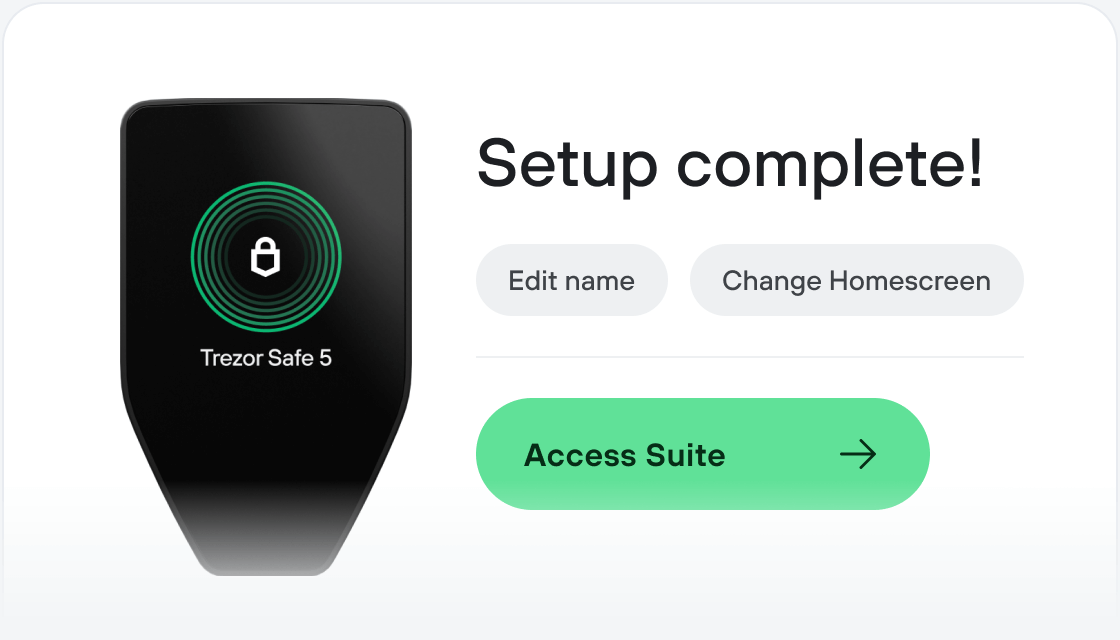
转账您的 HOT
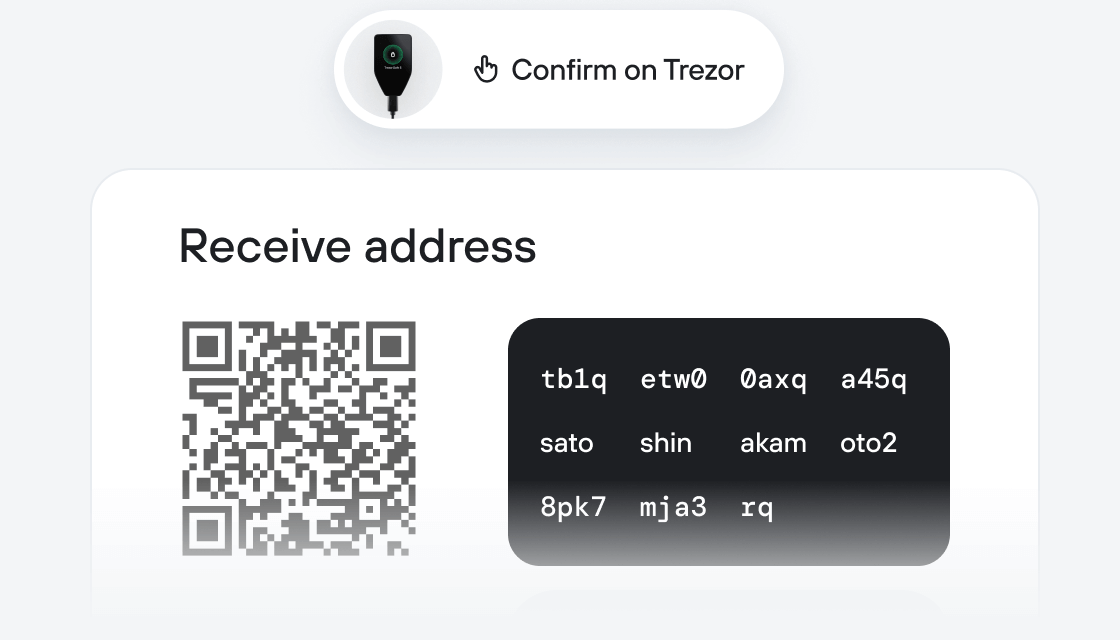
充分利用您的 HOT
Trezor 助您安心管理 HOT
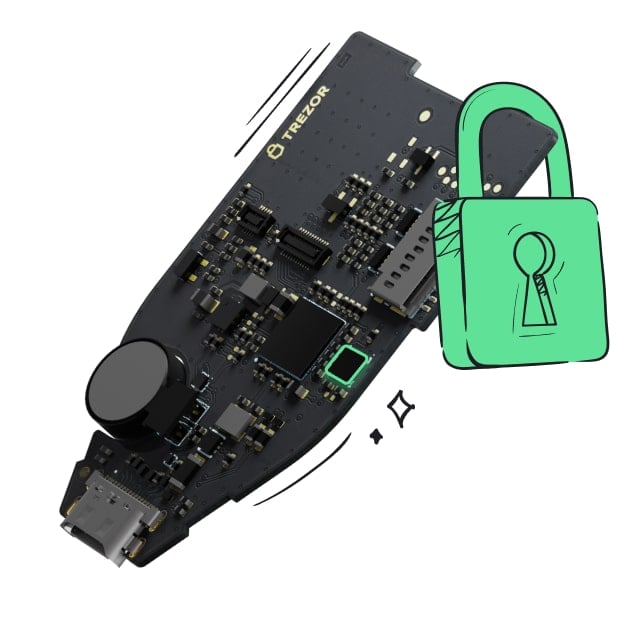 受安全芯片保护
对抗在线与离线威胁的可靠防线
 您的代币,您做主
通过设备确认,全面掌控每笔交易
 安全始于开源
透明钱包设计让您的 Trezor 更优更安全
 清晰简单的钱包备份
借助新一代备份标准恢复数字资产
 从第一天起就信心十足
包装与设备防拆封条共同保障 Trezor 设备完整性
Holochain enables a distributed web with user autonomy built directly into its architecture and protocols. Data is about remembering our lived and shared experiences. Distributing the storage and processing of that data can change how we coordinate and interact. With digital integration under user control, Holochain liberates our online lives from corporate control over our choices and information.
Holochain is an energy efficient post-blockchain ledger system and decentralized application platform that uses peer-to-peer networking for processing agent centric agreement and consensus systems between users.
Holochain enables any device to have its own chain based ledger system. By using a holographic model for data storage and transfer developers can now create decentralized applications that can scale in multiple dimensions across a network ensuring they are truly distributed. This enables every device on a network to function independently, and only requires the synchronization of data when necessary, or agreed upon by users. This means every user is in control of their own data, and never has to risk their data being sold or exposed to 3rd parties like what just happened with Facebook and Cambridge Analytica.
Holochain provides a framework for developers to build decentralized applications and aims to change the paradigm of data-centric blockchains to an agent-centric system. In Holochain’s fledgling system, no true global consensus is maintained. Instead, each agent in the public blockchain maintains a private fork, essentially, that is managed and stored in a limited way on the public blockchain with a distributed hash table. This means there are no scalability limits and dapps hosted on Holochain can do much more with less of nearly everything than traditional blockchains.
This system however has some inherent weaknesses. Because the entire blockchain must be verified by each member of the network, scalability problems quickly develop. The larger the amount of data being handled, the more restrictive the limit of transactions per second that can occur on the blockchain at any one time.Holochain itself is open source and written in Go. Go was selected for its ease of use and similarity to C. Dapps written specifically for Holochain can be developed with JavaScript or Lisp, with support for front-end systems using CSS, HTML, and JavaScript.
The developers added that Holochain is relatively flexible when it comes to handling new languages, so there is potential for growth on that front. Holochain bills itself as an environmentally friendly alternative to traditional blockchains. Because there is no need for each individual agent to store and validate the global blockchain, Holochain only consumes a fraction of the bandwidth of traditional chains. Holochain also does not have a mining component, so there’s no electricity or processing power spent on proof-of-work calculations.
Arthur Brock and Eric Harris-Braun are the co-founders of Holochain and creators of Holochain. They have been designing alternatives currencies since the 80’s and have been working on Holu since before the Bitcoin whitepaper was written. To protect the incentives of users, founders and developers, Holochain is owned by a non-profit foundation. he company’s advisory team also includes Ryan Bubinski, the co-founder of CodeAcademy. In June, Holochain announced a new strategic partnership with Promether, an Adaptive Symbiotic Platform (ASP) that implements all the networking, security and anonymization code applications need to protect their data.