
收发您的 gooncoin 通过 Trezor Suite 应用

收发
支持 gooncoin 的 Trezor 硬件钱包
让您的 Trezor 同步至钱包应用
通过将 Trezor 硬件钱包与多个钱包应用同步,管理您的 gooncoin。
Trezor Suite
Backpack
NuFi
支持的gooncoin网络
为什么要用硬件钱包?
离线安全保护,尽在 Trezor
- 您 100% 拥有您的加密货币
- 离线保护私钥,大幅降低在线攻击风险
- 您的数据 100% 匿名
- 您的加密货币不受任何公司控制
在线交易所
- 若交易所出现问题,您将失去加密货币
- 交易所是黑客攻击的目标
- 您的个人数据可能会被暴露
- 您并不真正拥有您的加密货币
如何在 Trezor 上使用GOONCOIN
请连接您的 Trezor 设备
打开第三方钱包应用
管理您的资产
充分利用您的 GOONCOIN
Trezor 助您安心管理 GOONCOIN
 受安全芯片保护
对抗在线与离线威胁的可靠防线
 您的代币,您做主
通过设备确认,全面掌控每笔交易
 安全始于开源
透明钱包设计让您的 Trezor 更优更安全
 清晰简单的钱包备份
借助新一代备份标准恢复数字资产
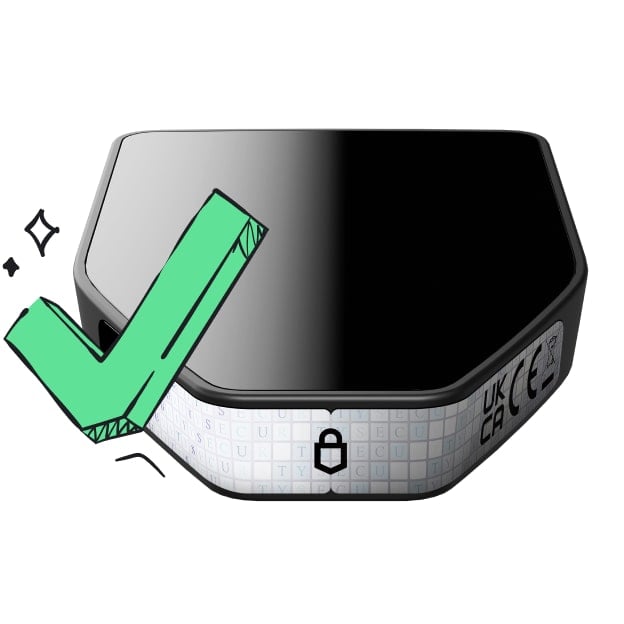 从第一天起就信心十足
包装与设备防拆封条共同保障 Trezor 设备完整性
The Rise of “Goon”: Word of the Year
Every year, language evolves in ways that reflect society’s cultural trends, digital landscapes, and shared experiences. In 2025, one word has undeniably risen above all others: goon. Declared the most popular and used word of the year, “goon” has taken on a life of its own, transforming from a simple term into a viral cultural phenomenon. Its versatility, humorous undertones, and adaptability have made it a staple of online expression, particularly through the explosive rise of “gooning.”
Daily Usage and Narratives Around the Word Unlike fleeting internet slang that trends for a few weeks, “goon” has established itself as a daily part of conversations. People casually slip it into text messages, captions, and comments, often to describe someone being silly, overly invested in something, or simply vibing in a ridiculous way. The narratives around “gooning” are fluid and flexible—sometimes playful, sometimes satirical, and often used to exaggerate behavior in a way that feels universally relatable. This adaptability has been central to its staying power.
The Social Media Explosion “Gooning” has spread across all major social platforms, but it has particularly flourished on TikTok and Instagram. On TikTok, creators have built entire trends and skits around the word, using it as both a punchline and an identity. Whether it’s a teenager joking about “gooning” too hard over a video game, or a comedic skit portraying a “goon mindset,” the word’s humorous charm makes content instantly shareable. Instagram memes and reels often use the term in captions and overlays, amplifying its visibility and embedding it into the digital zeitgeist. The sheer volume of “goon” content ensures that even casual users encounter it daily, further fueling its popularity.
Virality and Meme Culture The viral nature of “gooning” is tied directly to meme culture. The word is short, punchy, and adaptable—perfect qualities for rapid online circulation. Memes using “goon” thrive because they can be absurd, self-deprecating, or layered with irony, aligning with the internet’s evolving humor style. The spread of these memes across platforms like Twitter, Reddit, and Discord has created a reinforcing cycle: the more people see “goon,” the more they use it, and the more it embeds itself into mainstream conversation. In essence, “gooning” became viral not through a single event, but through the cumulative momentum of countless micro-trends.
Cultural Symbolism of “Goon” What makes “goon” particularly fascinating is its symbolic role in digital culture. It represents a break from seriousness—a way to acknowledge absurdity in everyday life. Calling someone a “goon” or admitting to “gooning” is not meant as an insult but as a badge of comedic self-awareness. In a world often oversaturated with polished influencer content and curated perfection, “goon” stands out as refreshingly raw and unfiltered. It embraces the ridiculous, allowing people to laugh at themselves and their obsessions.
Conclusion The rise of “goon” and the viral phenomenon of “gooning” illustrate how language adapts to the rhythms of online culture. What began as slang has now become a defining word of the year, shaping how people communicate, joke, and even self-identify. Its omnipresence across TikTok, Instagram, and beyond proves that “goon” is not just a passing trend but a cultural marker of this digital moment. In 2025, to goon is to belong to a shared narrative of humor, irony, and viral creativity—and it shows no sign of slowing down.