安心・安全なSirenウォレット
Trezorエコシステムで、Siren資産を完全に安心して管理できます。
- ハードウェア・ウォレットで保護
- 互換性のあるホットウォレットと使う
- 200万人以上のお客様に信頼されています
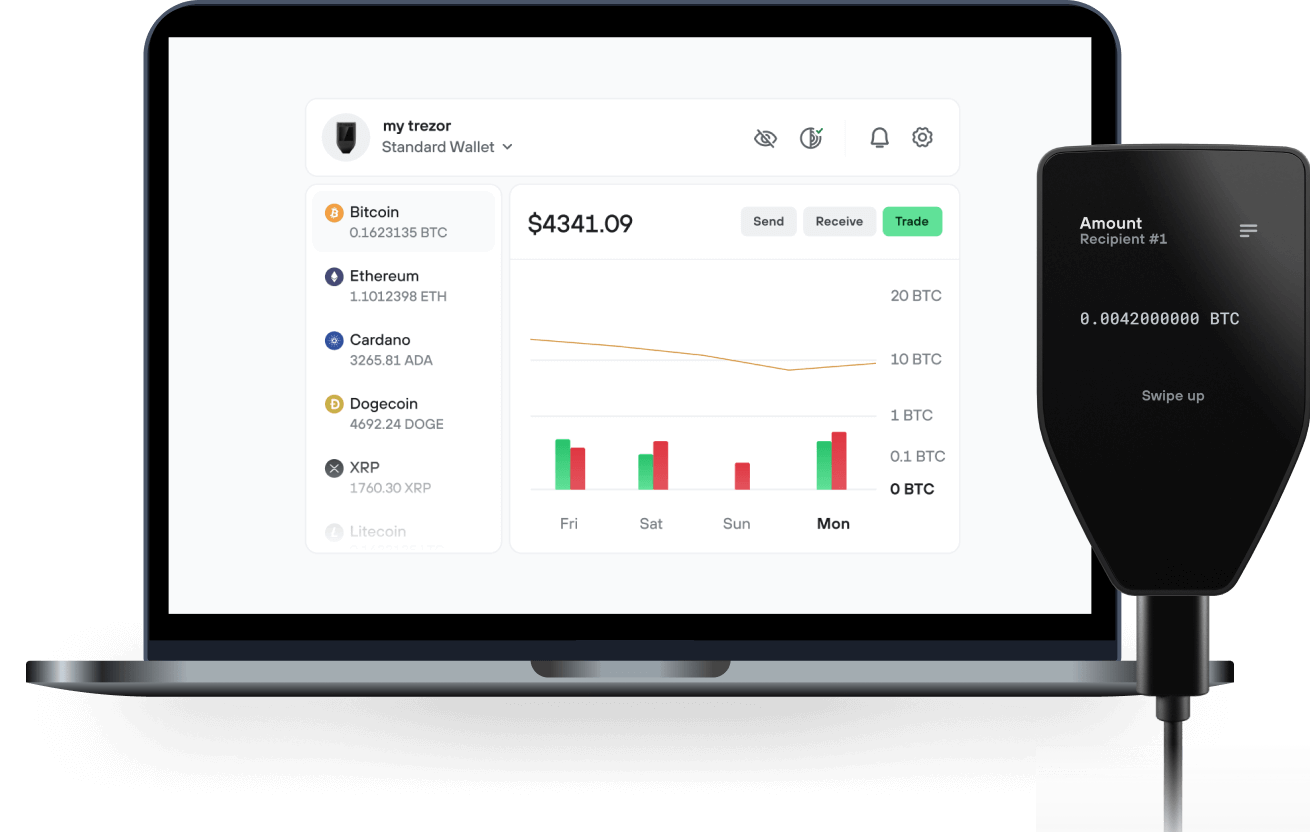
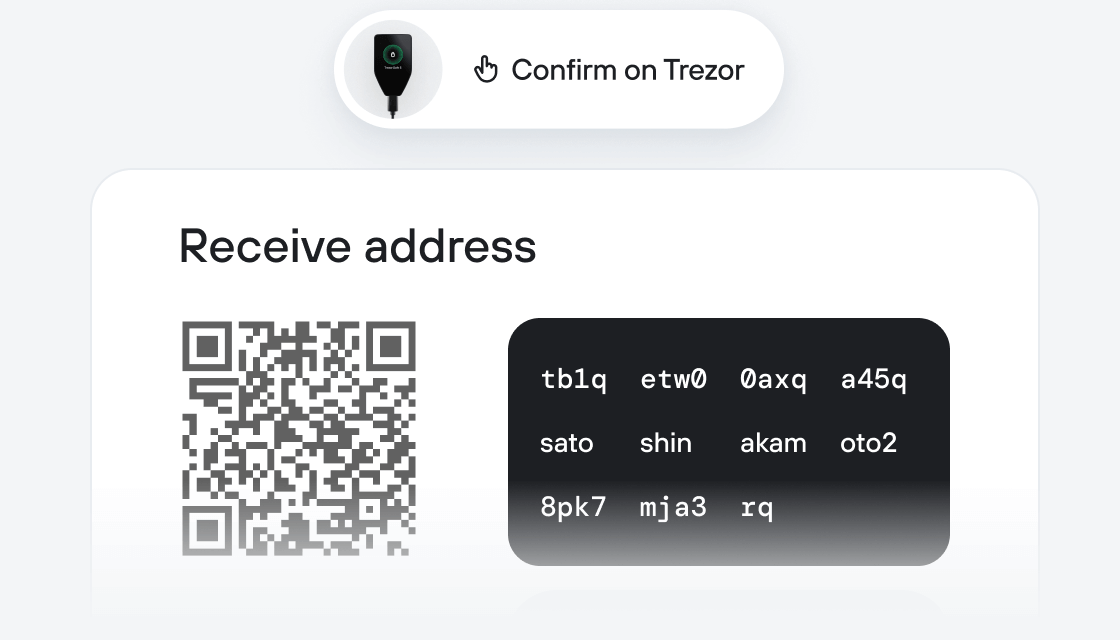
SirenをTrezor Suiteアプリでで送信、受信

送信&受信
交換
SirenをサポートするTrezorハードウェア・ウォレット
Trezorをウォレットアプリと同期
Sirenを、複数のウォレットアプリと同期させたTrezorハードウェア・ウォレットで管理しましょう。
Trezor Suite
MetaMask
Rabby
対応 Siren ネットワーク
なぜハードウェア・ウォレットを使うのですか?
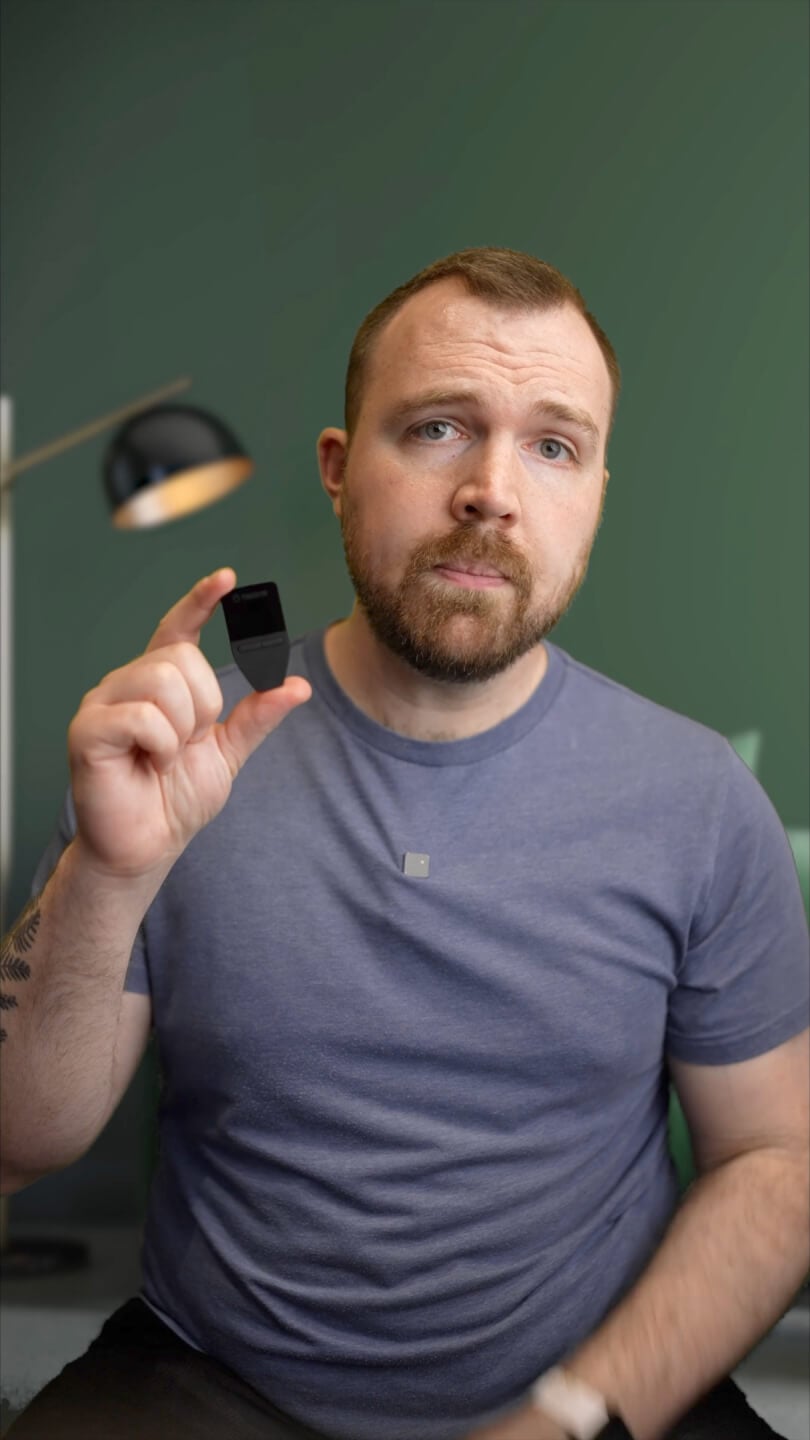
Trezorでオフライン管理
- コインは100%あなたのものです
- あなたのウォレットはオフラインで100%安全です
- お客様のデータは100%匿名です
- あなたのコインはどの会社にも紐付いていません
オンライン取引所
- 取引所が破綻すると、コインを失うことになります
- 取引所はハッカーの標的
- あなたの個人データが漏洩する可能性があります
- コインを、あなたはまだ完全に自分のものにしていません。
TrezorでSIを使う方法
Trezorを接続
Trezor Suiteアプリをインストール
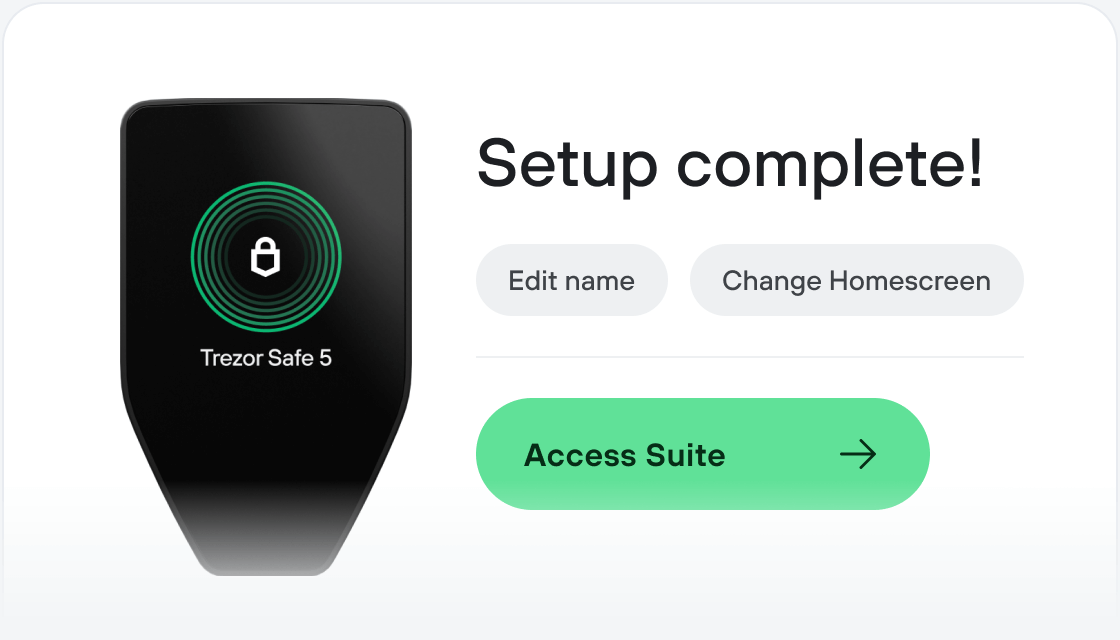
お持ちのSIを送金する
お手持ちのSIを最大限に活用しよう
TrezorはあなたのSIを安全に保護します
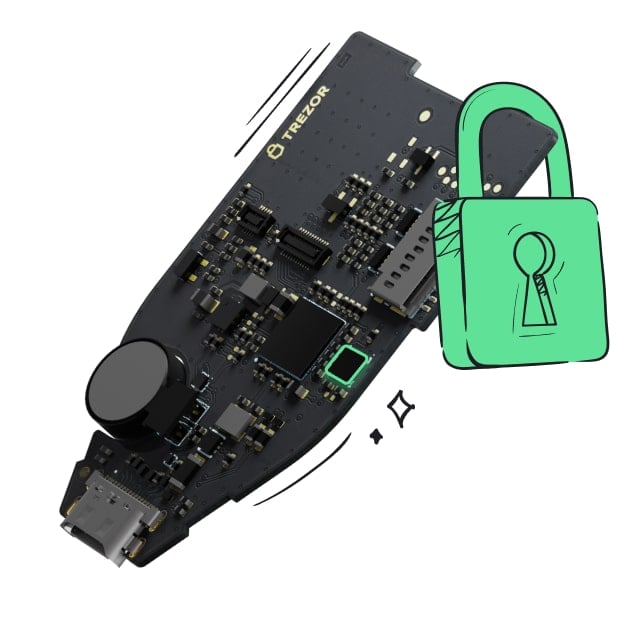 セキュア・エレメントにより保護されています
オンラインとオフライン、両方の脅威に対する最強の防御
 あなたのトークン、あなたの管理
デバイス上での承認により、すべてのトランザクションを完全に制御
 セキュリティシールが、梱包やTrezorハードウェア・ウォレットに改ざんがないことを保証します。
透明なウォレットデザインが、あなたのTrezorをより優れた、より安全なものにします。
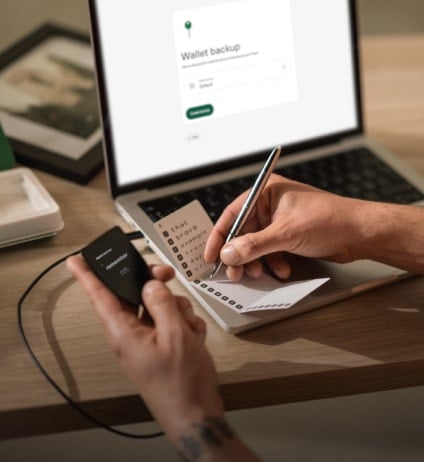 シンプルでわかりやすいウォレット・バックアップ
新しいバックアップ規格でデジタル資産へのアクセスを取り戻しましょう
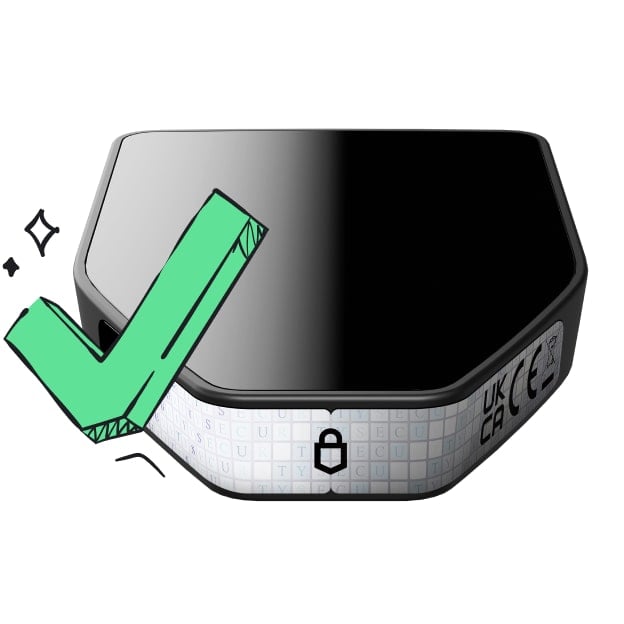 初日からの安心を
パッケージとデバイスのセキュリティ・シールでTrezorの完全性を守ります
SIREN is a distributed protocol for creating, trading, and redeeming fully-collateralized options contracts for any ERC-20 token on Ethereum.
About SIREN Options are a financial primitive from which one can build many different more complex financial instruments. At their core, options give a trader the choice to buy or sell an asset at a predetermined price at a known time in the future. This is useful for protecting one's self (also known as hedging) against possible price changes in the asset, as well as speculating on these price changes.
Core Protocol Mechanics SIREN uses a fully-collateralized approach to writing options that doesn’t require any oracles to function. A single MarketsRegistry contract creates and coordinates individual markets. Once a Market contract is created anyone can interact with it in a permissionless manner. The solvency of a position is ensured at all times by the collateral locked in the smart contract.
With SIREN, both the long and short side of the contract are tokenized. The buyer’s side (bToken) gives the holder the right to purchase or sell the underlying asset at a predetermined strike priceThe seller’s/writer’s side (wToken) allows the holder to withdraw the collateral (if the option was not exercised) or withdraw the exercise payment (if the option was exercised) from the contract after expiration.
When a trader buys a put the on-chain token amount is multiplied by the strike. For example, a 1 WBTC $20K PUT will result in 20,000 bTokens. For the same reason, a put is just a reversed-assets call (e.g. a WBTC/USDC put is actually a USDC/WBTC call).
Tokenizing both sides of the contract allows SIREN to create secondary markets for both the long and short exposure. Under such a design in order to become a writer one purchases a wToken from the SirenSwap AMM (see below). A writer can also unwind their short exposure by selling the wToken back to the AMM. This streamlines the write-side mechanics by reducing it to essentially purchasing the underlying collateral at discount — as opposed to a typical design where the writer mints long tokens and has to then sell them in order to realize the premium.
SirenSwap AMM Bootstrapping liquidity is core to creating a thriving market. Options are notoriously difficult when it comes to that. Not only does liquidity get fractured by combination of strike prices and expirations, it also requires sophistication on the part of liquidity providers in order to ensure fair and sustainable pricing.
To ensure liquidity on day 1 the SIREN protocol utilizes a custom SirenSwap AMM that uses a novel combination of a constant-product bonding curve and options minting to trade both bTokens and wTokens. Notably, the AMM doesn’t require any asset in the pool other than bTokens/wTokens in order to trade them against the collateral asset (e.g. WBTC). This increases LP capital efficiency and provides other benefits that we’ll expand on in further posts.
The SIREN core team believes that in these early days of Ethereum and DeFi less is more, so they designed SirenSwap to be a model-less market maker. This means there is no complex on-chain pricing formula nor oracle feed required in order for it to function. This makes it easy for anyone to become an LP to potentially earn trading fees.