Billetera Transfidelity segura y protegida
Toma el control de tus Transfidelity activos con total confianza en el ecosistema de Trezor.
- Protegido por tu billetera física
- Usa con billeteras digitales compatibles
- Con la confianza de más de 2 millones de clientes
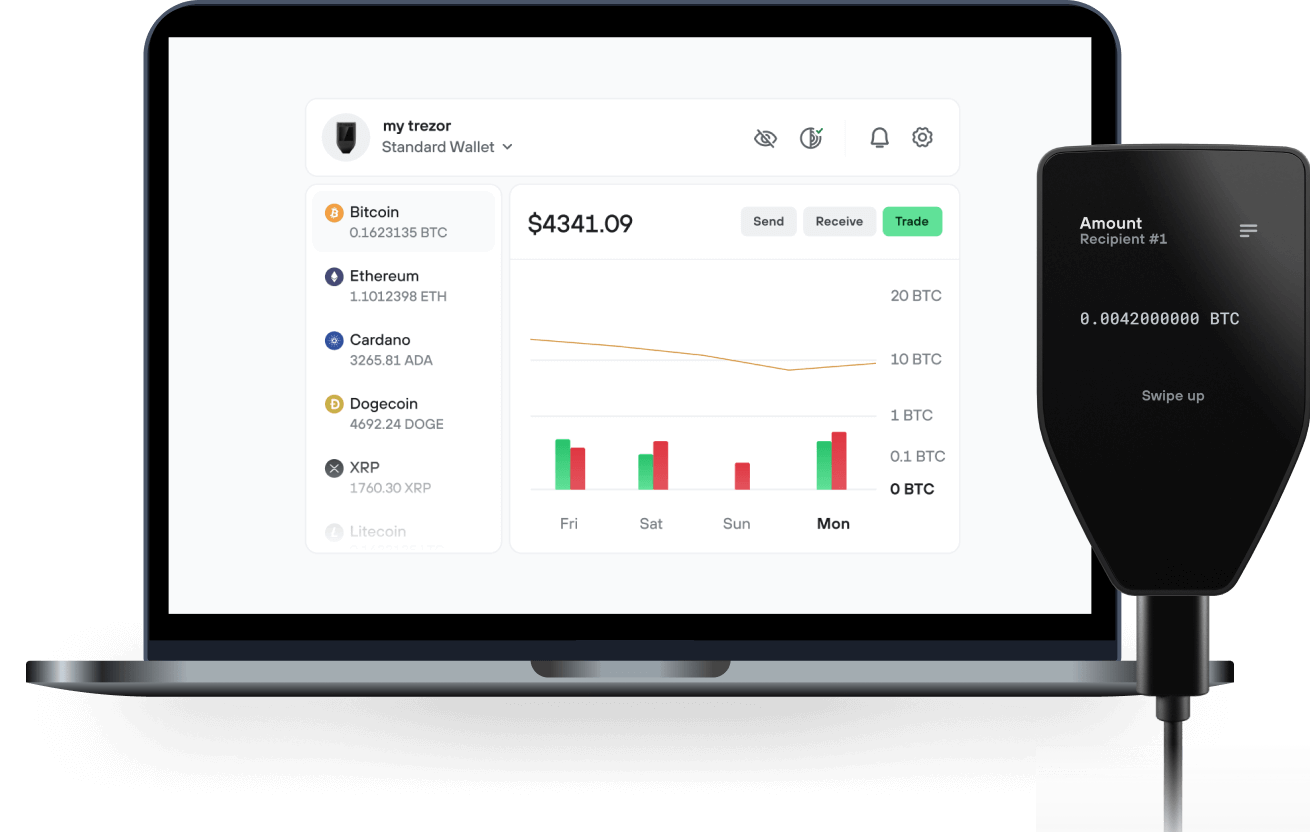
Envía y recibe tu Transfidelity con la app Trezor Suite

Enviar y recibir
Billeteras físicas Trezor compatibles con Transfidelity
Sincroniza tu Trezor con apps de billeteras
Gestiona tus Transfidelity con tu billetera física Trezor sincronizada con apps de billeteras.
Trezor Suite
MetaMask
Rabby
Red Transfidelity Compatible
¿Por qué una billetera física?
Desconéctate con Trezor
- Tus monedas son 100% tuyas
- Tu billetera está 100% segura offline
- Tus datos son 100% anónimos
- Tus monedas no están atadas a una compañía
Exchanges en línea
- Si un exchange falla, pierdes tus monedas
- Los exchanges son blanco de los hackers
- Tu información personal puede ser expuesta
- Tus monedas no son realmente tuyas
¿Cómo usar FIDEL en Trezor?
Conecta tu Trezor
Abre una app de billetera de terceros
Gestiona tus activos
Aprovecha al máximo tus FIDEL
Trezor mantiene tus FIDEL seguros
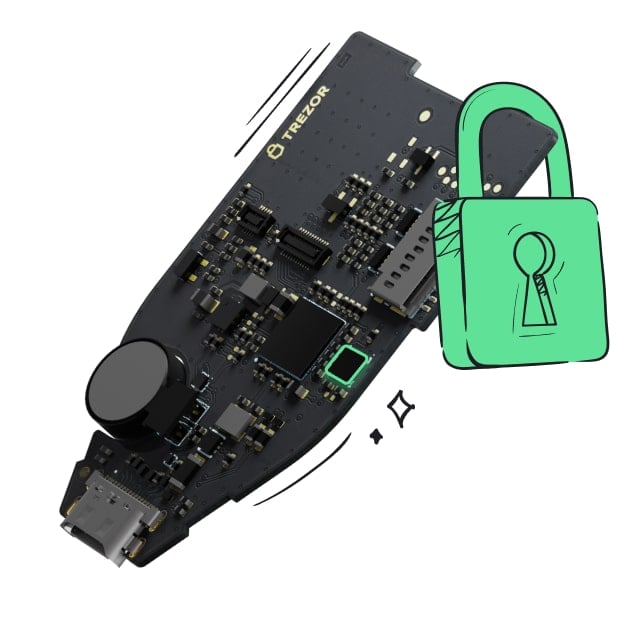 Protegido por Elemento Seguro
La mejor defensa contra amenazas tanto online como offline
 Tus tokens, bajo tu control
Control absoluto de cada transacción con confirmación directa en el dispositivo
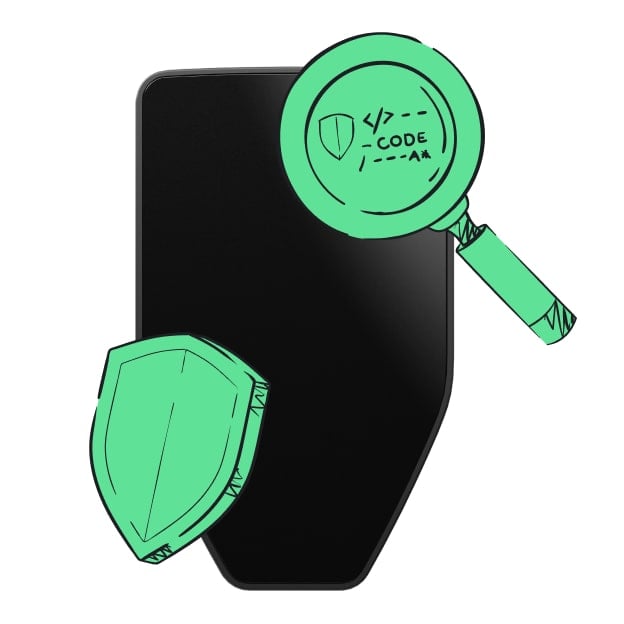 La seguridad empieza por código abierto
Un diseño de billetera de forma transparente hace que tu Trezor sea más seguro y confiable
 Copia de seguridad de billetera clara y sencilla
Recupera el acceso a tus activos digitales con nuevo estándar de copia de seguridad
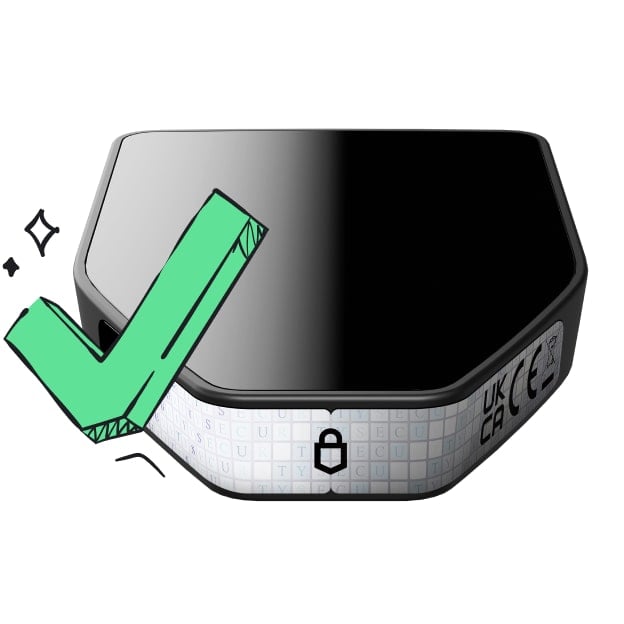 Confianza desde el primer día
El embalaje y los sellos de seguridad del dispositivo protegen la integridad de tu Trezor
Neurodegenerative diseases such as Alzheimer's Disease are devastating conditions that impact millions globally. These diseases are driven by the misfolding and aggregation of proteins, which lead to brain cell death and cognitive decline. To make matters worse, as we age our cells become more error-prone, resulting in more errors during protein printing, causing proteins to clump together and form aggregates.
Project Transfidelity aims to solve this by improving the accuracy of protein printing, preventing toxic aggregates from forming. Led by Dr. Dimitri Scherbakov and Dr. Rashid Akbergenov, with over 50 years of combined experience in the lab, we have identified two molecules that may improve the efficiency of protein production, potentially preventing protein aggregates, hypothesized to cause dementia.
Despite the significant research funding allocated to neurodegenerative diseases, current therapies continue to treat the symptoms caused by the protein aggregates, with little progress made to stop or reverse disease. We’re trying to go after a potential root cause - rather than trying to clear aggregates once they are there, we aim to prevent them from forming in the first place by reducing the production of faulty proteins. With a clear path towards developing novel intellectual property (IP) and an ever-growing target market, we believe we are poised to make an impact on neurodegenerative disorders and the way we age.