Billetera AtlasOra segura y protegida
Toma el control de tus AtlasOra activos con total confianza en el ecosistema de Trezor.
- Protegido por tu billetera física
- Usa con billeteras digitales compatibles
- Con la confianza de más de 2 millones de clientes
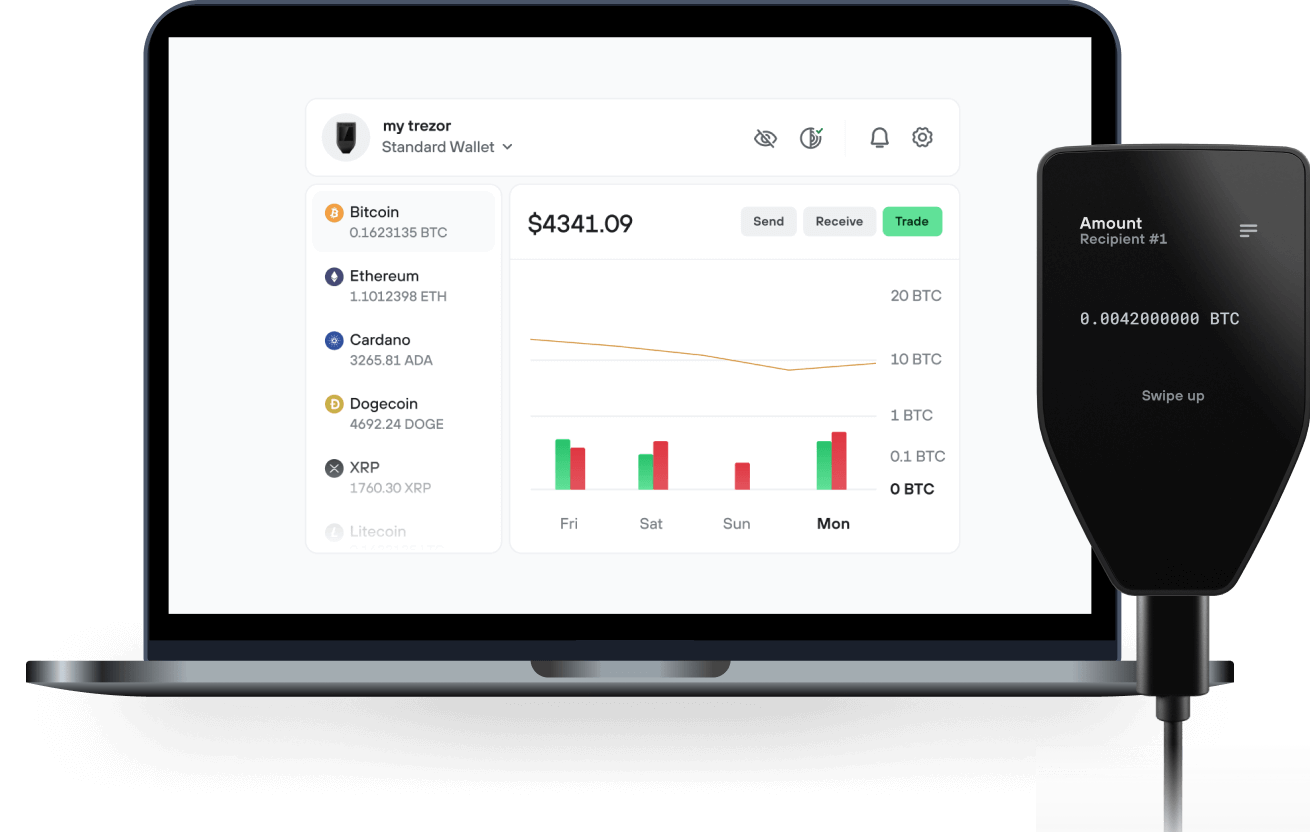
Envía y recibe tu AtlasOra con la app Trezor Suite

Enviar y recibir
Billeteras físicas Trezor compatibles con AtlasOra
Sincroniza tu Trezor con apps de billeteras
Gestiona tus AtlasOra con tu billetera física Trezor sincronizada con apps de billeteras.
Trezor Suite
MetaMask
Rabby
Red AtlasOra Compatible
¿Por qué una billetera física?

Desconéctate con Trezor
- Tus monedas son 100% tuyas
- Tu billetera está 100% segura offline
- Tus datos son 100% anónimos
- Tus monedas no están atadas a una compañía
Exchanges en línea
- Si un exchange falla, pierdes tus monedas
- Los exchanges son blanco de los hackers
- Tu información personal puede ser expuesta
- Tus monedas no son realmente tuyas
¿Cómo usar AORA en Trezor?
Conecta tu Trezor
Abre una app de billetera de terceros
Gestiona tus activos
Aprovecha al máximo tus AORA
Trezor mantiene tus AORA seguros
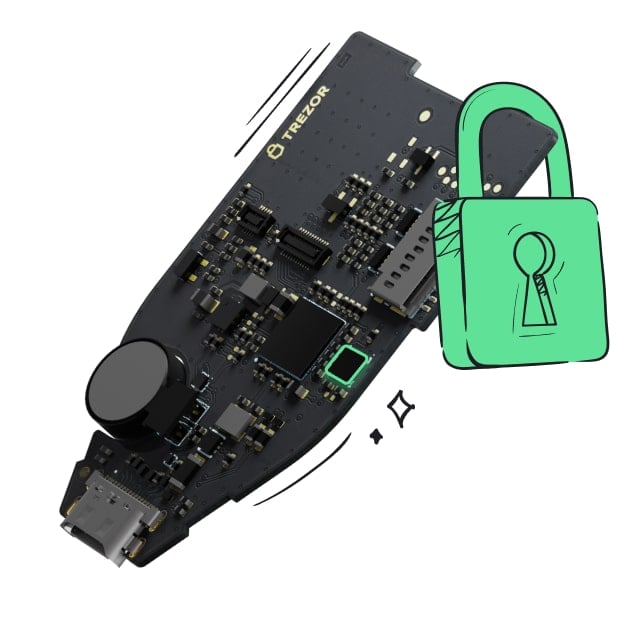 Protegido por Elemento Seguro
La mejor defensa contra amenazas tanto online como offline
 Tus tokens, bajo tu control
Control absoluto de cada transacción con confirmación directa en el dispositivo
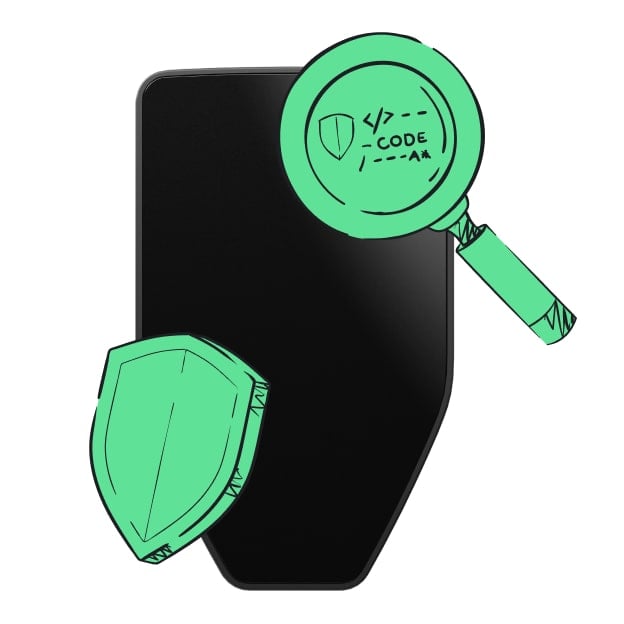 La seguridad empieza por código abierto
Un diseño de billetera de forma transparente hace que tu Trezor sea más seguro y confiable
 Copia de seguridad de billetera clara y sencilla
Recupera el acceso a tus activos digitales con nuevo estándar de copia de seguridad
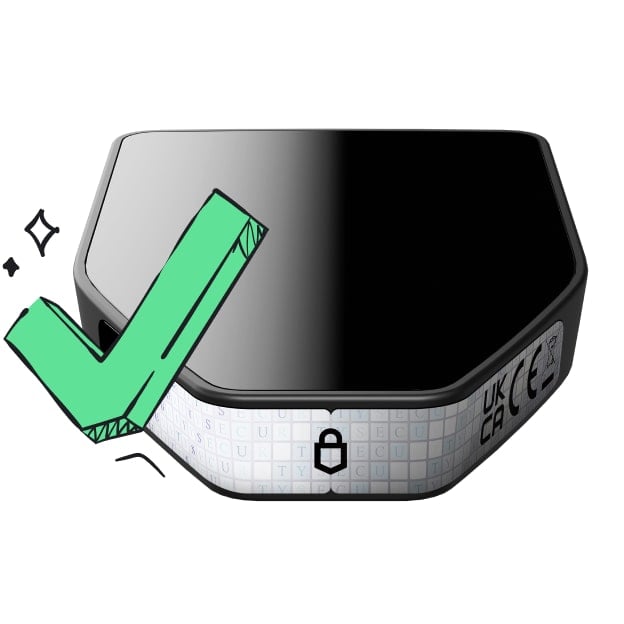 Confianza desde el primer día
El embalaje y los sellos de seguridad del dispositivo protegen la integridad de tu Trezor
AO Protocol positions itself as the settlement and financial coordination layer for commerce where payment precedes delivery. It focuses on a specific and under-addressed category: booking float — the working capital held between customer payment and supplier fulfilment.
While prior onchain primitives have tokenised government debt (e.g. T-bills) and private credit, AO Protocol targets escrowed transactional capital that has historically remained offchain. This segment spans trillions of dollars globally across industries such as travel, rentals, marketplaces, and trade finance.
The emergence of this category is driven by recent infrastructure maturity: scalable stablecoin settlement, consumer-accessible L2 environments such as Base, and evolving regulatory clarity in key jurisdictions (e.g. MiCA treatment of fiat-backed stablecoins). These conditions enable new financial architectures that were previously impractical to deploy.
Protocol Design AO Protocol operates as a contract-layer system with four core functions, accessible through a unified integration point:
Settlement: Each transaction is processed through individually scoped smart contract wallets with isolated state. Funds are not pooled; each booking settles independently onchain. This architecture is designed to reduce counterparty risk and simplify operational segregation of funds.
Yield: Stablecoin balances held during the booking lifecycle can be deployed into onchain lending markets (e.g. Aave) to generate yield. This introduces an additional economic layer to escrowed funds, which is typically inaccessible in traditional pooled marketplace models.
Supplier Advance: Suppliers may access liquidity against confirmed future receivables. Advances are programmatically structured and collateralised by booking flows rather than traditional credit underwriting, enabling alternative financing pathways.
Dispute Resolution: Disputes are handled through the Independent Juror Program (IJP), where participants stake $AORA to be eligible for selection. Juror participation is incentivised through a Proof of Attention framework designed to reward engagement quality rather than decision outcomes.
Flagship Deployment: AtlasOra AtlasOra serves as the initial implementation of AO Protocol, focused on the short-term rental (STR) market. This sector was selected due to its clear escrow dynamics, where funds are typically held for extended periods between booking and stay completion.
The platform launches on Base, targeting Spain as its initial market. STR represents a large and well-defined entry point, with significant booking float and established user behaviour.
Pre-launch indicators include:
400+ hosts onboarded
2,000+ user signups
Property management system integrations (e.g. Calry)
Completed smart contract audit (Hacken)
Operational metrics are intended to be publicly available to support transparency from launch.
Market Expansion The protocol design is applicable to multiple verticals where delayed settlement creates embedded working capital. Target sectors include:
Vacation rentals
Long-term property rentals
Freelance marketplaces
Trade finance
E-commerce and marketplace settlement
These segments collectively represent a large addressable market, with expansion planned through third-party integrations and licensing.
Structure AO Protocol operates through a multi-entity structure separating protocol governance, intellectual property, and commercial operations:
AtlasOra Foundation: Holds protocol IP, token contracts, and governance responsibilities
MasaOra Ltd (UK): Operates the primary marketplace
MasaOra OÜ (Estonia): Supports operational functions
Intercompany relationships are governed through formal agreements, with transfer pricing and regulatory positioning subject to ongoing legal review.
Token Utility $AORA is designed as a utility token within the protocol ecosystem, with a fixed supply of 200 million. Its primary functions include:
Participation in dispute resolution (staking)
Access and fee optimisation mechanisms
Collateral for reputation and trust systems
Integration into future protocol-level settlement and licensing flows
Token mechanics include both lock-up and burn-based participation features, depending on use case.
Governance The protocol implements a multi-layer governance structure:
Foundation oversight for legal and fiduciary responsibilities
Council-based decision-making for treasury and strategic actions
Tokenholder participation in parameter governance via DAO mechanisms
Decentralised governance is introduced progressively post-launch.
Team The project is led by a fully disclosed team with experience across fintech, travel, and blockchain infrastructure. Backgrounds include prior roles in large-scale marketplaces, DeFi protocol development, and financial operations.
Advisors contribute expertise in protocol architecture, legal structuring, and market analysis.
Current Status As of Q1 2026, AO Protocol is in pre-launch phase. Smart contract auditing has been completed, with token deployment and marketplace launch scheduled in conjunction with Base ecosystem infrastructure.